Is your conveyor belt constantly drifting off track? You’re not alone.
Conveyor belt misalignment is a common issue that can disrupt your operations, cause costly downtime, and wear out your equipment faster than expected. But here’s the good news: with the right troubleshooting steps, you can quickly identify what’s causing the problem and fix it before it gets worse.
In this guide, you’ll learn simple, effective ways to diagnose and correct conveyor belt alignment problems—helping you keep your system running smoothly and saving you time and money. Ready to get your conveyor belt back on track? Let’s dive in.
Common Causes Of Misalignment
Conveyor belt misalignment causes delays and increases maintenance costs. Identifying common causes helps fix issues fast. Proper diagnosis improves conveyor system efficiency and lifespan.
Several factors lead to belt misalignment. Understanding these allows for quick troubleshooting and repair.
Improper Mounting And Installation
Incorrect installation of conveyor components often causes belt misalignment. Mounting pulleys or rollers off-center shifts the belt sideways. Tightening bolts unevenly also affects alignment. Proper setup ensures smooth belt tracking and reduces wear.
Uneven Weight Distribution
Loads placed unevenly on the belt pull it to one side. Heavy or unbalanced items create stress on the conveyor. This causes the belt to drift and rub against the frame. Distributing weight evenly prevents constant belt wandering.
Material Build-up On Pulleys And Rollers
Dirt, dust, or product residue can collect on pulleys and rollers. This build-up changes their shape and size, causing the belt to misalign. Cleaning these parts regularly keeps the belt running straight and avoids damage.
Damaged Idler Frames And Components
Worn or bent idler frames disrupt the belt path. Damaged rollers or brackets cause uneven tension across the belt. This leads to tracking problems and increases wear on belt edges. Inspecting and replacing faulty parts solves alignment issues.
Uneven Conveyor Bed Or Frame
A conveyor bed that is not level or square causes belt drift. Warped frames force the belt to move sideways. Checking the bed with a level and correcting any unevenness keeps the belt centered. Regular frame maintenance supports proper belt alignment.
Credit: accurateindustrial.com
Signs Of Belt Misalignment
Belt misalignment can cause many problems in conveyor systems. Early detection of these signs helps avoid costly repairs and downtime. Recognizing misalignment signs improves system reliability and efficiency. Below are common symptoms indicating belt misalignment issues.
Premature Belt And Pulley Wear
Misaligned belts wear out faster than properly aligned ones. Uneven pressure causes belts to fray or crack early. Pulleys also suffer from uneven wear, reducing their lifespan. Regular inspection can spot wear patterns indicating misalignment.
Increased Energy Consumption
Misalignment forces the motor to work harder to move the belt. This extra effort raises energy use and operating costs. Detecting and correcting misalignment lowers power consumption. Energy savings improve overall system efficiency.
Belt Tracking To One Side
The belt drifting to one side is a clear misalignment sign. It may rub against conveyor parts, causing damage. Uneven load distribution or frame issues often cause this problem. Proper adjustment can keep the belt centered and running smoothly.
Noise And Vibration Issues
Misaligned belts generate unusual noises during operation. Vibration increases due to uneven tension and pulley contact. These sounds warn of potential damage to the conveyor system. Addressing alignment reduces noise and protects equipment.
Initial Inspection Steps
Starting conveyor belt alignment troubleshooting begins with a thorough initial inspection. This step helps identify basic issues causing belt misalignment. A careful check of key components ensures proper function and reduces downtime.
Inspecting the belt and conveyor parts early prevents costly repairs later. Use simple tools and your eyes to spot problems. Focus on the loading points, frame, pulleys, rollers, and belt tension.
Checking Belt Loading Points
Loading points are where material falls onto the belt. Uneven or off-center loading pushes the belt to one side. Look for spillage or buildup around these points. Clean any debris and adjust chutes or feeders to center the load. Proper loading balances the belt and reduces wear.
Inspecting Conveyor Frame Level And Squareness
Check if the conveyor frame is level from side to side. Use a spirit level to measure the frame’s horizontal alignment. Also, verify the frame is square by measuring diagonals. An uneven or twisted frame causes the belt to track incorrectly. Fix frame alignment before adjusting the belt.
Examining Pulleys And Rollers
Look closely at pulleys and rollers for damage or wear. Misaligned or worn pulleys cause belt drift. Rollers should spin freely and be parallel to the frame. Tighten or replace any loose or broken parts. Proper pulley and roller condition keeps the belt running straight.
Assessing Belt Tension And Condition
Check belt tension to ensure it is neither too loose nor too tight. Loose belts slip and misalign; tight belts strain components. Inspect the belt surface for cuts, frays, or uneven wear. Replace damaged belts to avoid tracking problems. Correct tension and good belt condition improve tracking stability.

Credit: www.gramconveyor.com
Adjusting Belt Alignment
Adjusting belt alignment is essential for smooth conveyor operation. A well-aligned belt reduces wear and prevents costly downtime. Regular checks keep the system running efficiently. Small adjustments can make a big difference in belt tracking and lifespan.
Using Tension Screws Evenly
Tension screws control the belt’s tightness on both sides. Turn screws evenly to avoid pulling the belt off center. Tighten one side slightly, then match the other side’s tension. This balance helps the belt run straight and prevents slippage.
Aligning Pulleys And Idlers
Pulleys and idlers guide the belt along the conveyor. Check their alignment with a straight edge or laser tool. Misaligned pulleys cause the belt to drift or rub against the conveyor frame. Adjust pulleys until they are parallel to the belt’s path.
Correcting Conveyor Frame Level
A level conveyor frame keeps the belt tracking correctly. Use a spirit level to check the frame’s position. Uneven frames cause the belt to move sideways. Shim or adjust support legs to make the frame perfectly level and square.
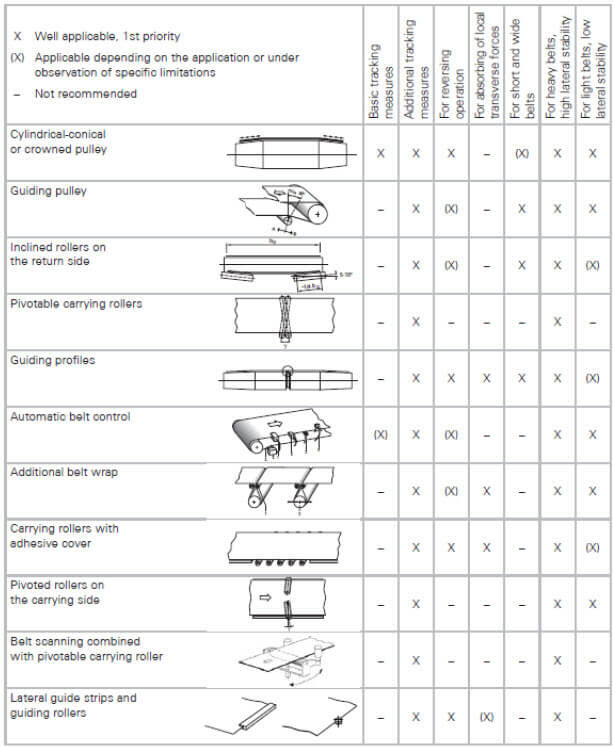
Adjusting Belt Tracking Devices
Belt tracking devices help guide the belt automatically. Adjust these devices based on manufacturer instructions. They can be set to nudge the belt back to center during operation. Proper use reduces manual alignment and keeps the belt running smoothly.
Preventive Maintenance Tips
Preventive maintenance plays a key role in keeping conveyor belts aligned and running smoothly. Regular care helps catch small problems early and avoids costly downtime. Following simple maintenance tips keeps the belt on track and extends its life. Consistent attention to components and operator training ensures alignment issues stay minimal.
Regular Cleaning Of Components
Dirt and debris can cause belt misalignment. Clean rollers, pulleys, and frames often. Use brushes or air blowers to remove buildup. Clean surfaces reduce friction and help the belt track properly. Avoid letting materials accumulate near the belt path.
Routine Inspection And Adjustment
Check belt tension and alignment regularly. Inspect pulleys, rollers, and belt edges for wear or damage. Adjust tension screws evenly on both sides. Small tweaks prevent large misalignment problems. Schedule inspections to spot issues before they worsen.
Proper Storage Of Spare Belts
Store spare belts flat and away from heat or sunlight. Keep them dry to prevent warping or cracking. Proper storage maintains belt shape and quality. Replace belts before they show signs of damage or excessive wear.
Training Operators On Alignment Practices
Teach operators correct belt alignment methods. Show them how to spot early signs of misalignment. Train on proper tension adjustment and component checks. Well-trained staff detect problems faster and keep the system running smoothly. Regular refresher training reinforces good habits.
When To Call A Professional
Knowing when to call a professional for conveyor belt alignment can save time and prevent costly damage. Some issues are simple to fix, but others need expert knowledge. A professional can diagnose tough problems and ensure safety. Here are key situations that require expert help.
Persistent Misalignment Issues
If belt misalignment keeps happening despite your adjustments, call a professional. Persistent problems may hide deeper causes. Experts use advanced tools to find exact faults. They fix issues that regular checks miss. Avoid risking damage by delaying expert help.
Complex Mechanical Failures
Mechanical failures like worn pulleys or damaged rollers need expert attention. These parts affect belt tracking and overall system function. Professionals can safely repair or replace complex components. They have skills to avoid further harm. Let experts handle difficult mechanical problems.
Safety Concerns With Elevator Pulleys
Elevator pulleys require precise alignment for safe operation. Misaligned pulleys can cause serious accidents. Professionals understand safety standards and proper procedures. They ensure the system runs smoothly and safely. Always get expert help with elevator pulley issues.
Upgrading Or Retrofitting Conveyor Systems
Upgrades and retrofits involve new parts and design changes. Professionals plan and install these correctly. They improve system efficiency and prevent future alignment problems. Expert work guarantees system reliability after upgrades. Trust professionals for complex conveyor modifications.

Credit: www.youtube.com
Frequently Asked Questions
How To Properly Align A Conveyor Belt?
Align the conveyor belt by centering it on the pulleys. Adjust tension screws evenly on both sides. Check frame and rollers for level and square alignment. Remove material buildup on pulleys and rollers. Regularly inspect loading points to prevent tracking issues.
What Is The Common Reason For Belt Misalignment In A Conveyor System?
The common reason for belt misalignment in conveyor systems is improper pulley alignment, uneven belt tension, or an unlevel conveyor frame.
What Is The Problem With Belt Alignment?
Belt misalignment causes premature wear, increased energy use, and potential equipment failure. It disrupts smooth operation and reduces system efficiency.
Why Does My Conveyor Belt Keep Tracking To One Side?
Your conveyor belt tracks to one side due to an unlevel frame, misaligned pulleys, uneven tension, or uneven load distribution. Check for buildup on rollers and ensure the conveyor bed is square and properly adjusted.
What Causes Conveyor Belt Misalignment Most Often?
Common causes include improper belt tension, uneven load distribution, and pulley misalignment. Worn rollers and damaged components also lead to misalignment. Regular inspection can help spot these issues early.
Conclusion
Proper conveyor belt alignment prevents costly downtime and equipment damage. Regularly check belt tension and pulley positions for consistent tracking. Address issues early to avoid belt wear and energy waste. Simple adjustments keep your system running smoothly and safely. Stay attentive to signs of misalignment and act quickly.
This helps maintain efficiency and extends conveyor lifespan. Consistent care ensures your conveyor performs at its best every day.