Is your conveyor belt constantly drifting off course or causing unexpected downtime? If so, you’re not alone.
Conveyor belt tracking problems can be frustrating, costly, and disrupt your entire operation. But here’s the good news: most tracking issues have straightforward solutions you can apply yourself. In this guide, you’ll discover practical troubleshooting tips that will help you identify the root causes of belt misalignment and fix them quickly.
By mastering these techniques, you’ll save time, reduce wear and tear, and keep your conveyor running smoothly. Ready to take control of your conveyor belt tracking? Let’s dive in and solve those issues once and for all.
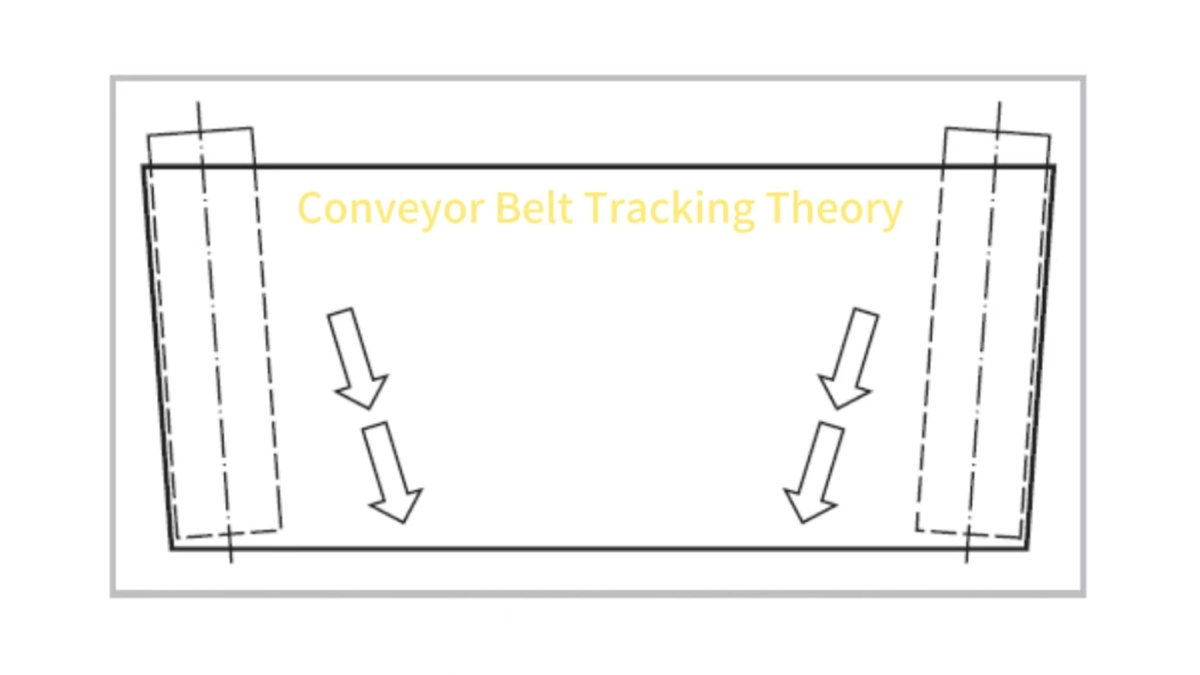
Credit: www.gramconveyor.com
Common Belt Tracking Issues
Conveyor belts often face tracking issues that disrupt smooth operation. Understanding common belt tracking problems helps prevent downtime and costly repairs. This section highlights frequent issues and their impact on conveyor performance.
Signs Of Misalignment
Belt misalignment shows through several clear signs. The belt may drift to one side during operation. You might hear unusual noises from the rollers or pulleys. Excessive vibration in the belt or conveyor frame is another sign. Edges of the belt can show wear or damage. These signs indicate the belt is not running true on the rollers.
Causes Of Belt Drift
Belt drift happens due to uneven tension across the belt width. Rollers or pulleys that are not square cause the belt to pull sideways. Build-up of material on idlers or pulleys creates extra friction. Uneven loading of material on the belt also shifts its path. Damage to belt edges or poor splicing can lead to drift as well.
Effects Of Carcass Damage
The belt carcass provides strength and stability to the belt. Damage to the carcass causes the belt to lose shape. This results in poor tracking and increased wear. Bowed or cracked carcass sections can cause the belt to wander. Carcass damage shortens the belt life and may lead to sudden failure. Regular inspection helps catch these issues early.
Key Belt Tracking Principles
Understanding the key principles of conveyor belt tracking helps prevent common problems. Proper tracking ensures smooth operation and reduces wear. It depends on several factors working together precisely.
Role Of Friction
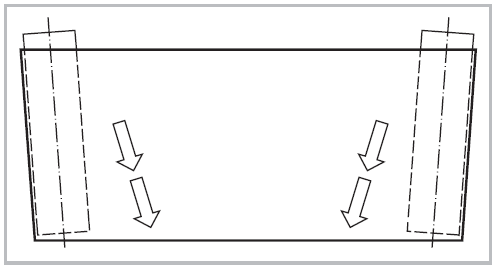
Friction controls the belt’s movement along the conveyor. The belt tends to move toward the side with higher friction. Uneven friction can cause the belt to drift off its path. Maintaining balanced friction on both sides is essential. Regular cleaning removes debris that may increase friction unevenly.
Impact Of Pulley And Roller Alignment
Correct alignment of pulleys and rollers keeps the belt centered. Misaligned pulleys push the belt to one side. Rollers that are not parallel create uneven pressure points. Check alignment often and adjust to avoid tracking issues. Proper alignment extends the life of the belt and components.
Importance Of Conveyor Frame Leveling
A level conveyor frame supports stable belt movement. If the frame tilts, the belt will shift toward the lower side. Leveling prevents the belt from drifting sideways. Use a spirit level to check the frame regularly. A stable frame reduces the risk of belt damage and downtime.
Inspection And Diagnosis
Inspection and diagnosis are the first steps to solve conveyor belt tracking problems. Careful examination helps find the root cause quickly. This saves time and prevents future breakdowns. A thorough check of the belt and components is essential. Focus on the belt condition, pulley alignment, and any material buildup. Also, inspect belt splices, as they affect tracking accuracy.
Checking Belt And Pulley Condition
Start by examining the conveyor belt for wear or damage. Look for cuts, frayed edges, or uneven wear patterns. Inspect pulleys for dents, cracks, or misalignment. Worn pulleys cause the belt to drift off-center. Ensure pulleys rotate smoothly without unusual noise or vibration. Replace any damaged parts to maintain proper belt alignment.
Identifying Build-up And Debris
Check the conveyor frame and rollers for dirt, dust, or debris. Material buildup increases friction on one side of the belt. This causes the belt to move toward that side. Clean all surfaces regularly to prevent tracking issues. Use brushes or air blowers to remove stuck particles. Keep the conveyor free of foreign objects for smooth operation.
Assessing Belt Splice Quality
Inspect splices for proper alignment and bonding. Poor splices create bumps or weak spots in the belt. These irregularities cause the belt to shift during operation. Ensure the splice is straight and securely joined. Use correct splice materials and methods for your belt type. Replace faulty splices to restore even tracking.

Credit: www.youtube.com
Adjustment Techniques
Adjusting a conveyor belt is key to keeping it running smoothly. Proper adjustment prevents wear and tear, reduces downtime, and saves money. Simple techniques can fix most tracking problems quickly and safely.
Aligning Pulleys And Rollers
Start by checking the pulleys and rollers. They must be perfectly aligned. Misaligned pulleys cause the belt to drift to one side. Use a straight edge or laser tool to check alignment. Adjust the pulleys until they are square with the frame. Rollers should also be parallel to the belt path. Replace or repair any bent or damaged rollers. This step helps the belt run straight and reduces friction.
Correcting Frame Squareness
The conveyor frame must be square and level. An uneven frame twists the belt, causing tracking issues. Measure the frame corners with a carpenter’s square. Adjust the frame supports or shims to correct any misalignment. Ensure the entire conveyor is on a flat surface. This correction stabilizes the belt path and supports smooth operation.
Tensioning The Conveyor Belt
Proper belt tension is crucial for tracking. Too loose or too tight tension leads to slippage or misalignment. Check the belt tension with a tension gauge or by hand. Adjust the take-up system to increase or decrease tension evenly. Make small adjustments and observe the belt movement. Balanced tension keeps the belt centered and prevents damage.
Preventive Maintenance Tips
Preventive maintenance is key to keeping conveyor belts running smoothly. It reduces tracking problems and extends belt life. Regular care helps spot issues early, saving time and money.
Regular Cleaning Practices
Clean the conveyor belt and rollers often. Remove dirt, dust, and debris that cause uneven wear. Use soft brushes or air blowers to avoid damage. Clean surfaces improve belt grip and tracking.
Routine Alignment Checks
Check belt alignment regularly to prevent drifting. Inspect pulleys, rollers, and frames for proper position. Adjust components to keep the belt centered. Proper alignment reduces friction and belt wear.
Monitoring Wear Patterns
Watch for unusual wear on the belt edges or surface. Uneven wear signals misalignment or mechanical issues. Track wear trends to plan timely repairs or replacements. Early action stops bigger problems and downtime.
Credit: accurateindustrial.com
Advanced Solutions
Advanced solutions for conveyor belt tracking help fix tough problems fast. These methods use modern technology and smart design. They improve belt alignment and reduce downtime. Using advanced techniques can save costs on repairs and lost productivity.
These solutions suit high-demand industries and long conveyors. They ensure smooth operation and less manual work. Let’s explore three key advanced options that boost conveyor belt tracking.
Automatic Tracking Systems
Automatic tracking systems use sensors to detect belt misalignment. They adjust rollers or pulleys automatically to keep the belt centered. These systems work in real time and respond quickly to changes. They reduce human error and constant monitoring needs.
Installing an automatic system improves belt life and lowers maintenance costs. It helps avoid belt damage and production delays. These systems suit large, complex conveyor setups with frequent tracking issues.
Use Of Tracking Rollers
Tracking rollers guide the belt and prevent it from drifting off course. They apply gentle pressure on belt edges for consistent alignment. These rollers reduce wear on belt edges and pulleys. They work well for belts that run at high speeds or carry heavy loads.
Proper placement of tracking rollers is key. Adjusting roller angle and position improves belt stability. This method is a simple yet effective way to solve tracking problems.
Upgrading Conveyor Components
Upgrading worn or outdated parts can fix tracking troubles. New idlers, pulleys, and frames designed for better alignment help keep the belt straight. Modern components often have better materials and designs to resist wear and tear.
Replacing damaged components improves conveyor efficiency and reliability. It also reduces the need for frequent adjustments. Investing in quality parts supports smooth belt tracking and long-term operation.
Frequently Asked Questions
How To Fix Conveyor Belt Tracking?
Clean debris, ensure the conveyor frame is level and square, align pulleys properly, and cut the belt straight. Adjust rollers to correct tracking.
What Are The Rules For Conveyor Belt Tracking?
Conveyor belt tracking rules include keeping the frame level and square, aligning pulleys and rollers accurately, cutting the belt straight, and removing debris. Adjust tension evenly to prevent friction imbalance, which causes the belt to drift toward the side with more friction.
Regular maintenance ensures proper tracking.
How To Tell If A Belt Is Misaligned?
Signs of belt misalignment include excessive vibration, drifting off-center, uneven wear, and the belt wandering on the pulley. Check for debris, uneven pulleys, and a non-level frame.
Why Would A Belt Track Off In The Middle?
A belt tracks off in the middle due to carcass damage, uneven wear, or misaligned pulleys and rollers. Material buildup and seized rollers also cause misalignment. Ensuring the conveyor frame is level and components are properly adjusted prevents tracking issues.
What Causes Conveyor Belt Tracking Problems?
Belt tracking issues often arise from misaligned pulleys or uneven belt tension. Dirt buildup and damaged rollers also cause the belt to drift off-center.
Conclusion
Proper conveyor belt tracking prevents downtime and costly repairs. Regularly inspect pulleys, rollers, and belt edges for wear or damage. Keep the conveyor frame level and square to maintain alignment. Remove debris and buildup that cause uneven friction and belt drift.
Adjust tension carefully to avoid belt misalignment. Quick action on small issues stops bigger problems later. Consistent maintenance improves conveyor efficiency and extends belt life. Stay attentive to tracking signs for smooth operation every day.