Is your Dell docking station not working the way it should? Whether your laptop isn’t recognizing the dock, peripherals aren’t connecting, or the dock won’t power on, these issues can disrupt your workflow and cause frustration.
But don’t worry—you’re not alone, and most problems are easier to fix than you think. In this guide, you’ll learn simple, step-by-step troubleshooting tips to get your Dell docking station back up and running quickly. Keep reading, and take control of your setup without wasting time or money on unnecessary repairs.
Power Cycle Reset
A power cycle reset is a simple yet effective way to fix many issues with your Dell docking station. This process clears any temporary glitches by fully shutting down the dock’s power and restarting it fresh. It often restores connectivity and resolves charging or display problems quickly.
Follow these easy steps to perform a power cycle reset and get your docking station working smoothly again.
Disconnect All Cables
Start by unplugging the USB-C or Thunderbolt cable from your laptop. Then, remove the AC power adapter from both the wall outlet and the docking station. Disconnect any other peripherals attached to the dock. This ensures the dock has no power or data connection.
Drain Residual Power
Press and hold the dock’s power button for about 15 seconds. This step drains any leftover power stored in the dock’s circuits. If your dock does not have a power button, wait for at least 1 minute to let residual power drain naturally. This resets the hardware inside.
Reconnect Power And Laptop
Plug the AC power adapter back into the wall outlet and then into the docking station. Next, connect the USB-C or Thunderbolt cable from the dock to your laptop. Finally, reconnect any other peripherals. Turn on your laptop and check if the dock is working properly now.
Firmware And Driver Updates
Firmware and driver updates are essential for Dell docking stations to work smoothly. Outdated software can cause connection problems and device malfunctions. Keeping your dock’s firmware and drivers current ensures better performance and stability.
Updating firmware and drivers can fix many common issues. It also adds new features and improves compatibility with laptops and peripherals.
Use Dell Supportassist
Dell SupportAssist is a helpful tool for updating your docking station automatically. It scans your system for outdated drivers and firmware. The tool downloads and installs updates with minimal effort.
Run SupportAssist regularly to keep your dock up to date. The software also provides alerts for new updates, reducing troubleshooting time.
Dell Command Update Tool
Dell Command Update offers another way to manage your dock’s software. It is designed for business users but works well for individuals too. This tool checks for the latest Dell drivers and firmware and installs them safely.
Use Dell Command Update if you want more control over which updates to install. It also supports scheduling updates to avoid work interruptions.
Manual Firmware Installation
You can manually update your docking station’s firmware from Dell’s support website. Find the correct firmware version for your dock model. Download the file and follow the installation instructions carefully.
Manual updates are useful if automatic tools fail or if you prefer direct control. Always back up your data before starting manual installations to avoid data loss.
Bios And System Settings
The BIOS and system settings play a vital role in the performance of your Dell docking station. Incorrect or disabled settings can stop the dock from working properly. Checking and adjusting BIOS options can solve many common issues quickly.
These settings control how your computer interacts with connected devices. They help enable communication through ports like Thunderbolt and USB. Ensuring the right options are active improves dock compatibility and functionality.
Enable Thunderbolt And Usb Boot
Access the BIOS setup during startup by pressing the designated key (usually F2 or Del). Find the Thunderbolt settings and make sure Thunderbolt support is enabled. This allows the dock to connect through Thunderbolt ports.
Next, check the USB boot option. Enabling USB boot lets your system recognize devices connected via USB, including your docking station. Save changes and exit BIOS to apply the new settings.
Check Bios For Dock Compatibility
Some Dell models require specific BIOS settings for docking station support. Look for dock or port-related options in your BIOS menu. Enable features like “Thunderbolt Security” or “Docking Station Support” if available.
Updating your BIOS to the latest version can also improve compatibility. Visit Dell’s official support site to download the newest BIOS update for your model. Install updates carefully following the provided instructions.
Run Windows Update
Windows updates often include drivers and patches that help with hardware compatibility. Open Windows Settings and check for updates. Install all available updates, especially those related to system drivers.
Restart your computer after updates finish. This step ensures your operating system works well with the docking station and its connected devices. Keeping Windows updated helps prevent many docking issues.

Credit: www.youtube.com
Cable And Connection Checks
Checking cables and connections is the first step in troubleshooting your Dell docking station. Faulty or loose cables cause most connection problems. Simple inspections often solve the issue quickly. Focus on the cables, ports, and how securely everything fits together.
Use Dell-certified Cables
Always use Dell-certified cables for your docking station. Third-party cables may not meet Dell’s standards. They can cause connection failures or reduce performance. Certified cables ensure compatibility and reliable data transfer. This step avoids many common issues with docks.
Inspect For Physical Damage
Look closely at all cables and connectors for damage. Check for cuts, bends, or exposed wires. Damaged cables can interrupt signals or cause shorts. Also, inspect the ports on both the dock and laptop. Dirt or debris inside ports can block connections. Replace any damaged cables immediately.
Secure Port Connections
Make sure all cables are firmly plugged into the correct ports. Loose connections often cause devices not to be recognized. Push cables in until you feel a click or resistance. Avoid forcing connectors as this can damage ports. Confirm each cable matches the dock’s labeled ports.
Power Supply Issues
Power supply issues often cause Dell docking stations to stop working properly. Without stable power, the dock cannot charge devices or connect peripherals. Troubleshooting these problems requires checking the AC adapter, power delivery, and trying different power sources. This section explains how to identify and fix common power-related problems.
Verify Ac Adapter Functionality
Start by inspecting the AC adapter. Make sure it is plugged into a working outlet. Check the power cord for any visible damage or fraying. If possible, test the adapter with another compatible device to confirm it provides power. A faulty adapter often causes the dock to lose power or fail to charge connected devices.
Check Power Delivery To Dock
Confirm the dock receives power from the adapter. Look for LED lights on the docking station. No lights usually mean no power delivery. Ensure the power cable is firmly connected to both the dock and the adapter. Loose connections can interrupt power flow and cause device failures.
Test With Alternate Power Sources
Try plugging the AC adapter into a different outlet. Avoid power strips or surge protectors that might be faulty. Use a known working adapter with the same voltage and amperage if available. Testing with alternate power sources helps isolate whether the problem lies with the dock or the power supply.
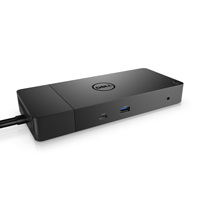
Credit: www.dell.com
Running Diagnostics
Running diagnostics helps identify problems with your Dell docking station quickly. It checks hardware and software to find any faults. This process saves time and guides you on the next steps for repair or replacement.
Start diagnostics before trying other fixes. It gives clear information about what might be wrong. Use Dell’s built-in tools designed for this purpose.
Launch Dell Supportassist
Open Dell SupportAssist on your laptop. This program is pre-installed on most Dell devices. It scans your system and connected devices automatically.
Look for the “Diagnostics” section inside SupportAssist. Choose the option to test your docking station. Make sure the dock is connected to your laptop during the test.
Run Dock Hardware Tests
Start the hardware tests to check the dock’s components. These tests examine ports, power delivery, and connectivity.
Follow the on-screen prompts to complete each test. The process usually takes a few minutes. Do not disconnect the dock until tests finish.
Analyze Diagnostic Results
Review the results shown by SupportAssist carefully. The report will highlight any detected issues or failures.
Note down any error codes or warnings. Use these details to search for specific solutions or contact Dell support. Clear results mean the dock hardware is likely fine.
Peripheral Device Troubleshooting
Peripheral devices play a vital role when using a Dell docking station. Problems with these devices often cause connection issues or poor performance. Troubleshooting peripherals can quickly identify the root cause. This process focuses on resetting devices, updating drivers, and testing each device separately. These steps help ensure smooth operation and save time.
Reset Connected Peripherals
Begin by disconnecting all peripherals from the docking station. Unplug each device carefully and wait for a few seconds. Reconnect the peripherals one by one to reset their connections. This simple step often resolves minor glitches. Resetting peripherals helps the docking station recognize each device correctly.
Update Peripheral Drivers
Outdated drivers can cause devices to stop working properly. Check the manufacturer’s website for the latest drivers for your peripherals. Download and install the updates on your computer. Updated drivers improve compatibility and fix bugs. Keeping drivers current can prevent many common connection problems.
Test Devices Individually
Testing each peripheral alone helps find the faulty device. Disconnect all peripherals and connect one device at a time. Observe if the docking station detects it correctly. Repeat this process with all devices. This method isolates the problematic peripheral and guides further action.
Advanced Troubleshooting Tips
Advanced troubleshooting tips help fix stubborn Dell docking station issues. These steps go beyond basic resets and checks. They address deeper problems that simple fixes miss. Follow these tips carefully for a higher chance of success. Each method targets a specific fault area.
Reset Dock Via Firmware Recovery
Resetting the dock through firmware recovery can solve many errors. First, disconnect the dock from power and the laptop. Press and hold the dock’s power button for 30 seconds to drain residual power. Next, reconnect the power cable to the dock but keep the laptop unplugged. Use Dell’s firmware recovery tool from their website to reinstall or restore firmware. This process can repair corrupted firmware and restore normal function.
Check For Firmware Corruption
Firmware corruption causes unpredictable dock behavior. Check your dock’s firmware version using Dell Command Update or SupportAssist software. Compare it with the latest version on Dell’s official site. If the firmware is outdated or corrupted, download and install the latest update. During updates, keep the dock connected to power and the laptop to avoid interruptions. Firmware updates often fix bugs and improve compatibility.
Consult Dell Technical Support
Contact Dell technical support if problems persist after advanced troubleshooting. They provide expert guidance and can run diagnostics remotely. Prepare your dock’s model number, firmware version, and a detailed description of the issue. Support may offer replacement options if hardware faults are detected. Professional help ensures safe and effective solutions for complex problems.
Preventive Maintenance
Preventive maintenance helps keep your Dell docking station working well. It stops problems before they start. Regular care saves time and avoids frustration. Simple steps can improve performance and extend device life.
Regular Firmware Checks
Firmware controls how your docking station works. Check for updates often. Updated firmware fixes bugs and adds features. Visit Dell’s official site or use SupportAssist. Always update with the dock connected to power and laptop.
Keep Drivers Updated
Drivers help your computer talk to the dock. Old drivers cause errors and slow connections. Use Dell Command Update or device manager to check updates. Install the latest drivers regularly for smooth operation. Restart your system after updates to apply changes.
Safe Handling And Storage
Handle the docking station with care. Avoid dropping or bending cables. Store the dock in a dry, dust-free place. Keep it away from extreme heat or cold. Proper storage prevents physical damage and maintains performance.

Credit: www.dell.com
Frequently Asked Questions
How Do You Reset A Dell Docking Station?
Unplug the docking station and laptop. Disconnect the power adapter. Hold the dock’s power button or wait 30 seconds. Reconnect power and laptop. If issues persist, update the dock’s firmware using Dell SupportAssist or Command Update while connected.
How Do You Reset A Docking Station?
To reset a docking station, unplug all cables and power. Hold the dock’s power button or wait 30 seconds to drain power. Reconnect power and cables. If issues persist, update the dock’s firmware using Dell SupportAssist or Command Update while connected.
How To Troubleshoot Docking Station Issues?
Unplug the dock, laptop, and power. Hold the dock’s power button or wait 30 seconds. Reconnect power and laptop. Update dock firmware using Dell SupportAssist. Check BIOS settings and use Dell-certified cables. Run Windows Update and Dell Command Update for drivers.
How To Run Diagnostics On A Dell Docking Station?
Open Dell SupportAssist on your laptop. Select your docking station under devices. Run the diagnostics test and follow on-screen instructions to identify issues.
How Do I Reset My Dell Docking Station Effectively?
To reset, unplug all cables from the dock and power source. Wait a minute, then reconnect power and the laptop. This power cycle fixes many common issues quickly.
Conclusion
Dell docking station issues often resolve with simple steps. Start by unplugging all cables and power sources. Wait a moment to clear residual power. Reconnect power first, then the docking station to your laptop. Updating firmware and drivers can fix stubborn problems.
Always use certified cables to avoid connection issues. Check BIOS settings if problems continue. Keep your Windows system updated for best results. Following these tips helps maintain smooth docking station performance. Troubleshooting becomes easier with patience and clear steps.