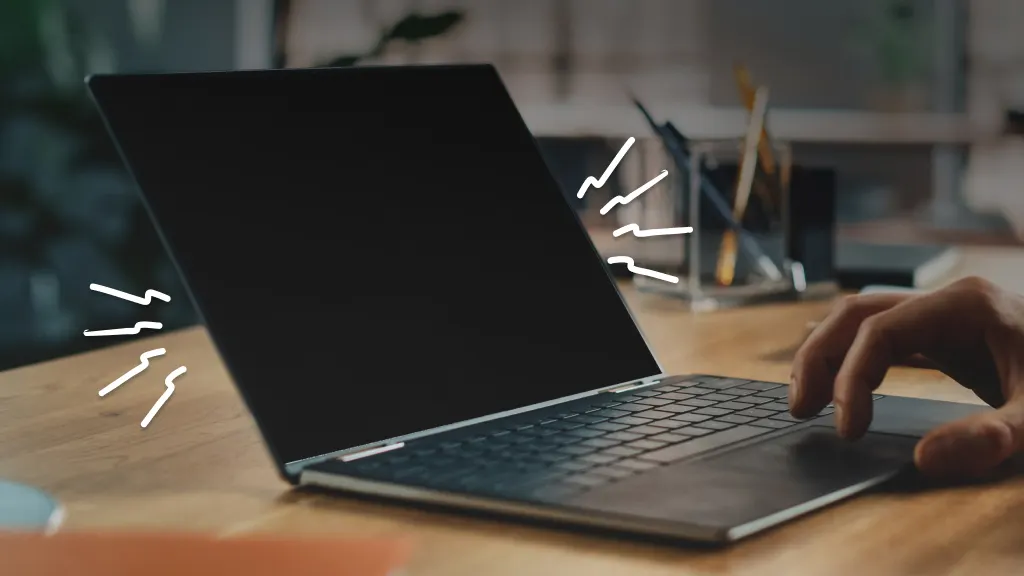
Is your Dell laptop screen acting up, leaving you frustrated and unsure of what to do next? Whether your display is flickering, showing distorted images, or just won’t turn on, you’re not alone—and the solution might be simpler than you think.
In this guide, you’ll discover easy, step-by-step troubleshooting tips that anyone can follow. By the end, you’ll have the know-how to fix common Dell laptop screen problems quickly, saving you time and stress. Ready to bring your screen back to life?
Let’s dive in and get your Dell laptop looking perfect again.
Credit: www.asurion.com
Screen Not Turning On
When your Dell laptop screen does not turn on, the problem can feel frustrating. The screen might stay black even though the device powers on. This issue can happen due to simple or complex reasons. Following some basic steps can help find and fix the problem quickly.
Check Power And Connections
First, ensure the laptop is charged or plugged in. A low or dead battery can prevent the screen from lighting up. Check the power adapter and cable for damage. Make sure the connection to the laptop is secure. Sometimes, unplugging and reconnecting the power can help. Also, press the power button firmly and hold it for a few seconds to restart the laptop.
Reset Graphics Driver
The graphics driver controls the display output. Sometimes, it can stop working correctly. Resetting the driver can fix this issue. Press the Windows key + Ctrl + Shift + B together. You might hear a beep and see the screen flicker. This shortcut restarts the graphics driver without turning off your laptop. Check if the screen turns on after this reset.
Test With External Monitor
Connecting an external monitor helps find if the problem is with the screen or the laptop’s hardware. Use an HDMI or VGA cable to connect the laptop to a monitor or TV. Switch the display mode by pressing Windows key + P. Choose “Duplicate” or “Second screen only.” If the external monitor shows the display, the laptop screen or its connection may be faulty. If the external display also stays black, the issue might be with the graphics card or motherboard.
Black Screen Issues
Black screen issues on Dell laptops can stop your work suddenly. The screen stays dark even if the laptop is on. This problem may arise from software or hardware faults. Simple steps often fix this problem without expert help. Below are some easy ways to troubleshoot black screen issues.
Cycle Display Modes
Sometimes the laptop screen stays black because it is set to the wrong display mode. Press the Windows key + P together. This opens the display mode menu. Use the arrow keys to select different modes like PC screen only, Duplicate, Extend, or Second screen only. Select each mode and wait a few seconds. This can restore the screen if it was set to an external display only.
Update Graphics Drivers
Outdated or corrupt graphics drivers can cause the black screen problem. Open Device Manager by typing it in the search bar. Find Display adapters and expand it. Right-click on your graphics card and choose Update driver. Select Search automatically for updated driver software. Follow the instructions to install any updates. Restart your laptop to apply changes. Updated drivers help the screen work properly.
Perform Bios Update
The BIOS controls hardware settings, including the display. An old BIOS version may cause display issues. Visit Dell’s official website and enter your laptop model. Download the latest BIOS update file. Follow Dell’s instructions carefully to install it. Make sure the laptop is plugged into power during this process. A BIOS update can fix bugs and improve hardware compatibility, resolving black screen problems.
Screen Flickering
Screen flickering on a Dell laptop can disrupt your work and cause eye strain. It may appear as the screen blinking or flashing repeatedly. This issue can result from software settings or hardware problems. Troubleshooting can help find the root cause and fix the flicker quickly.
Adjust Refresh Rate
The refresh rate controls how often the screen updates per second. A low or incorrect refresh rate may cause flickering. To adjust it, right-click the desktop and select “Display settings.” Scroll down and click “Advanced display settings.” Choose a higher refresh rate that your screen supports. Apply the changes and check if flickering stops.
Disable Hardware Acceleration
Hardware acceleration uses your GPU to improve performance but may cause flickering. Disabling it can help. Open the app where flickering occurs, like a browser. Go to its settings and find the hardware acceleration option. Turn it off and restart the app. This step often fixes flickering caused by software conflicts.
Check For Loose Cables
Loose or damaged cables inside the laptop can cause screen flickering. Gently open the laptop and check the connection between the screen and motherboard. Make sure the cables are securely attached. If you find any damage, replace the cable or get professional help. Tightening loose connections often solves flickering issues.

Credit: www.dell.com
Distorted Or Blurry Display
Seeing a distorted or blurry display on your Dell laptop can be frustrating. This issue affects how you view your screen and reduces work efficiency. The problem might come from wrong screen resolution, outdated drivers, or hardware issues. Quick troubleshooting can fix most cases without expert help.
Calibrate Screen Resolution
Start by checking your screen resolution. Right-click on the desktop and select “Display settings.” Look for the “Display resolution” option. Choose the recommended resolution for your laptop model. Incorrect resolution causes blurriness and distortion. After changing, see if the display looks sharper. Adjust scaling settings if text or images still appear blurry.
Update Display Drivers
Outdated or corrupted display drivers often cause screen problems. Open “Device Manager” from the Start menu. Find “Display adapters” and right-click your graphics card. Select “Update driver” and choose “Search automatically.” Windows will check for the latest driver online. Installing new drivers can improve screen clarity and fix distortions. Restart your laptop after updating to apply changes.
Run Built-in Diagnostics
Dell laptops include built-in tools to check hardware issues. Restart your laptop and press F12 during boot-up to open the boot menu. Select “Diagnostics” to start the test. The system will scan for screen and other hardware faults. Follow on-screen instructions if problems are found. This step helps identify if the issue is physical, requiring professional repair.
Upside-down Or Rotated Screen
An upside-down or rotated screen on a Dell laptop can disrupt your work instantly. This issue often happens by accident. A wrong key press or setting change can flip your display. The good news: it is easy to fix. Follow simple steps to restore your screen’s normal view quickly.
Use Keyboard Shortcuts
Keyboard shortcuts offer a fast way to fix screen rotation. Press and hold the Ctrl and Alt keys together. While holding them, tap the Up Arrow key. This should rotate your screen back to the standard position. The shortcut works in most Windows versions on Dell laptops.
Change Display Orientation Settings
Adjusting display settings is another way to correct the screen. Right-click on an empty spot on your desktop. Select Display settings from the menu. Scroll to find Display orientation. Choose Landscape from the drop-down list. Click Apply to save changes. Your screen will switch to the proper view.
Disable Rotation Hotkeys
Sometimes, screen rotation hotkeys cause accidental flips. You can turn these off to avoid future problems. Open the Intel Graphics Command Center or Control Panel. Find the settings for hotkeys or shortcuts. Disable the hotkey feature for screen rotation. This stops the screen from rotating unexpectedly.
Lines Or Artifacts On Screen
Lines or artifacts on your Dell laptop screen can disrupt your work and cause frustration. These unwanted marks might appear as thin lines, flickering patterns, or strange shapes. They often indicate a problem with the screen or its connection. Identifying the cause helps decide the right fix. Follow simple steps to troubleshoot and possibly fix the issue yourself.
Run Lcd Self-test
Start by running the LCD self-test. This test checks if the screen itself has issues. Turn off your laptop. Disconnect any external devices. Press and hold the D key, then press the power button. Keep holding D until the screen shows colors or patterns. If lines or artifacts appear during the test, the screen might be faulty. If not, the problem could be elsewhere.
Inspect For Physical Damage
Check your laptop screen for any physical damage. Look for cracks, scratches, or pressure marks. Damage can cause permanent screen issues. Also, examine the hinges and frame for signs of stress. Sometimes, loose or damaged cables inside the screen can cause lines. Avoid pressing hard on the screen. If you find damage, professional repair is needed.
Contact Technical Support
If the problem continues after testing and inspection, contact Dell technical support. Provide details about your screen issue and any tests you performed. They can guide you through advanced troubleshooting steps. If your laptop is under warranty, repairs or replacement may be covered. Early support contact saves time and prevents further damage.
Touchscreen Not Responding
A Dell laptop touchscreen may stop responding due to various reasons. It can be caused by software glitches, driver problems, or incorrect settings. Troubleshooting this issue is simple and can restore your touchscreen’s functionality quickly. Follow these practical steps to fix the touchscreen not responding on your Dell laptop.
Recalibrate Touchscreen
Touchscreen calibration ensures the screen accurately senses your touch. Open the Control Panel and search for “Calibrate the screen for pen or touch input.” Click the option and follow the on-screen instructions to recalibrate. This process realigns the touch input with the display. It often resolves responsiveness issues caused by misalignment.
Update Touch Drivers
Outdated or corrupt touch drivers can cause the touchscreen to stop working. Open Device Manager by right-clicking the Start button and selecting it. Find “Human Interface Devices” and expand the list. Right-click on the touch screen driver and choose “Update driver.” Select “Search automatically for updated driver software.” Windows will find and install the latest drivers. Restart your laptop after updating.
Check Touchscreen Settings
Touchscreen settings might be disabled accidentally. Press Windows + R keys to open the Run dialog. Type “services.msc” and press Enter. Scroll to find “Touch Keyboard and Handwriting Panel Service.” Make sure it is running. If not, right-click and select “Start.” Also, go to Settings > Devices > Touchpad and ensure the touchscreen options are enabled. Adjust these settings to enable touch functionality.

Credit: www.dell.com
General Maintenance Tips
Maintaining your Dell laptop screen is key to avoid common display problems. Simple care routines help your screen stay clear and functional. Regular upkeep reduces the chance of damage and extends the screen’s lifespan.
Keep Drivers Updated
Screen issues often arise from outdated drivers. Updating your display drivers ensures compatibility and smooth operation. Visit Dell’s official website or use Windows Update to download the latest drivers. Updated drivers fix bugs and improve screen performance.
Avoid Physical Damage
Handle your laptop with care to prevent screen damage. Avoid dropping or pressing hard on the screen. Use a protective case during transport. Keep sharp objects away from the screen surface to prevent scratches and cracks.
Regularly Clean Screen
Dirt and fingerprints reduce screen clarity. Clean the screen gently using a soft, lint-free cloth. Slightly dampen the cloth with water or a screen-safe cleaner. Avoid using harsh chemicals or spraying liquids directly on the screen.
Frequently Asked Questions
How To Fix Display Problem In Dell Laptop?
Restart the laptop and update graphics drivers. Press Ctrl + Alt + Up Arrow to fix screen rotation. Adjust Display settings to “Landscape. ” Reset graphics driver with Windows + Ctrl + Shift + B. Check cables and hardware for damage if issues persist.
What Are Common Dell Screen Problems?
Common Dell screen problems include flickering, blank display, distorted images, color issues, and unresponsive screens caused by driver or hardware faults.
How Do I Get My Dell Screen Back To Normal?
Press Ctrl + Alt + Up Arrow to rotate your Dell screen to normal. Or right-click desktop, select Display settings, and set orientation to Landscape. Disable rotation hotkeys in Intel Graphics Command Center if needed. Restart your PC to apply changes.
How To Reset Laptop Screen?
Press Windows + Ctrl + Shift + B to reset the graphics driver and wake the screen. Use Windows + P to check display mode. Adjust orientation via Display settings or use Ctrl + Alt + Up Arrow to rotate the screen back to normal.
What Causes Dell Laptop Screen To Flicker?
Screen flickering often happens due to outdated graphics drivers or loose cable connections. Sometimes, incorrect display settings or hardware issues cause flickering. Checking these can help fix the problem quickly.
Conclusion
Dell laptop screen issues can often be fixed with simple steps. Check your display settings and use keyboard shortcuts first. Updating your graphics drivers helps solve many problems. Sometimes, hardware checks are necessary if software fixes fail. Staying calm and following these tips saves time and stress.
Keep your laptop well maintained for better screen performance. Troubleshooting becomes easier with practice and patience. Your Dell screen can work smoothly again with these solutions.