If you rely on a double diaphragm pump in your operations, you know how frustrating it can be when it suddenly stops working right. Maybe your pump isn’t building pressure, or it’s making strange noises that worry you.
You want a quick, clear way to fix these issues without wasting time or money. This guide on double diaphragm pump troubleshooting is made just for you. It will help you identify common problems, understand what’s causing them, and find simple solutions that get your pump back up and running fast.
Keep reading to take control of your pump’s performance and avoid costly downtime.
Credit: blog.unibloctech.com
Common Diaphragm Pump Issues
Double diaphragm pumps are reliable for many tasks. Yet, they face common issues that affect performance. Knowing these problems helps to troubleshoot quickly. This keeps the pump running smoothly and avoids costly repairs.
Loss Of Prime
Loss of prime means the pump fails to draw fluid. Air leaks in suction lines often cause this. Blocked or clogged valves also stop fluid flow. Check hoses and valves for damage or dirt. Tighten connections to stop air from entering the system.
Low Or No Pressure
Low pressure reduces pump output and efficiency. Worn diaphragms or valves cause poor sealing. Insufficient air supply lowers pump force. Inspect diaphragms for cracks or holes. Make sure the air pressure matches pump specifications.
Irregular Pumping
Irregular pumping shows as uneven fluid flow. This can come from damaged diaphragms or valves. Air trapped in the pump chamber also disrupts flow. Remove trapped air by venting the pump properly. Replace worn parts to restore smooth pumping.
Excessive Noise
Unusual noise signals mechanical issues inside the pump. Loose bolts or worn bearings often cause this. Oil level problems may increase noise levels too. Listen carefully and inspect moving parts. Tighten or replace parts to reduce noise.
Oil Level Problems
Oil keeps internal parts lubricated and cool. Too low oil causes wear and overheating. Too much oil can leak or contaminate the fluid. Check the oil level regularly and refill as needed. Change oil at recommended intervals for best results.
Credit: www.sandpiperpump.com
Diaphragm Damage Types
The diaphragm is the heart of a double diaphragm pump. Its condition directly affects pump performance. Understanding common diaphragm damage types helps in quick troubleshooting. Early detection of damage saves time and repair costs.
Cracks And Tears
Cracks and tears reduce the diaphragm’s ability to seal. These damages cause leaks and loss of pressure. Small cracks can grow fast under stress. Inspect diaphragms regularly to spot early signs of cracking. Replace damaged diaphragms immediately to avoid bigger failures.
Blistering And Discoloration
Blistering appears as bubbles or raised spots on the diaphragm. It often results from chemical attack or heat exposure. Discoloration indicates material degradation. Both issues weaken the diaphragm structure. Use compatible materials for the pumped fluid. Check pump temperature to prevent overheating.
Over Tightening Effects
Over tightening diaphragm bolts causes warping and stress. It can create uneven pressure points on the diaphragm. This leads to premature wear and cracks. Follow manufacturer torque specifications carefully. Use a torque wrench to ensure proper tightness.
Loose Fittings Impact
Loose fittings cause diaphragm movement and vibration. This accelerates wear and may cause tears. Leaks often develop around loose connections. Check all fittings and bolts regularly. Tighten loose parts to maintain pump reliability and efficiency.
Air Supply Troubles
Air supply problems cause many issues in double diaphragm pumps. Without proper air, the pump cannot work well. Problems with air pressure or valve malfunctions lead to poor pump performance. Identifying air supply troubles helps fix the pump quickly. This section explains common air supply issues.
Insufficient Air Pressure
Low air pressure reduces pump speed and flow rate. The pump may stop pumping or run weakly. Check the air compressor and regulator for leaks or blockages. Make sure air pressure matches the pump’s requirements. Clean or replace filters to improve airflow.
Excessive Air Pressure
Too much air pressure stresses pump parts and diaphragms. This causes early wear and possible damage. High pressure can also cause loud noise and vibration. Use a pressure regulator to keep air pressure within safe limits. Monitor pressure regularly to avoid overpressure.
Air Valve Malfunctions
The air valve controls air flow inside the pump. If it sticks or leaks, the pump will fail to operate properly. Dirt or wear can cause the valve to malfunction. Inspect the valve for dirt, damage, or misalignment. Clean, repair, or replace the valve as needed.
Valve And Seal Problems
Valve and seal problems often cause double diaphragm pump failures. These parts control fluid flow and keep the pump airtight. Issues with valves or seals reduce pump efficiency and cause leaks. Fixing these problems quickly prevents costly downtime and damage.
Suction Valve Issues
Suction valves allow fluid into the pump chamber. If they get clogged or stuck, fluid flow stops. Dirt or debris often causes valve blockages. Worn valves lose their tight seal. This leads to poor suction and low pump output. Regular cleaning and inspection help maintain valve function.
Discharge Valve Failures
Discharge valves push fluid out of the pump. Valve failure causes backflow or leaks. Worn valve seats or damaged springs reduce valve performance. These issues cause irregular pressure and noise. Check valves for cracks or wear and replace if needed. Proper valve alignment ensures smooth operation.
Seal Wear And Leaks
Seals keep air and fluid inside the pump chambers. Over time, seals wear out or crack. This causes leaks and loss of pump pressure. Chemical exposure speeds up seal damage. Regular seal inspection helps spot leaks early. Replace seals with correct materials for your fluid type.
Pump Priming Tips
Priming a double diaphragm pump is essential for smooth operation. Proper priming removes air pockets and ensures the pump draws liquid efficiently. Neglecting this step leads to poor performance and damage risks. Follow clear steps for best results.
Proper Priming Procedures
Start by filling the pump casing with liquid. This prevents air lock inside the pump. Open the inlet valve fully to allow fluid flow. Run the pump slowly at first to avoid sudden pressure changes. Check that fluid flows steadily from the discharge side. Stop the pump and close valves if no fluid appears. Repeat the process until the pump maintains continuous flow.
Dealing With Air Bubbles
Air bubbles reduce pump efficiency and cause noise. To remove them, loosen the discharge valve slightly. This lets trapped air escape. Avoid running the pump dry, as it can introduce more air. Inspect the suction line for leaks that allow air inside. Tighten all fittings and seals. Repeat priming if bubbles persist.
Ensuring Smooth Start-up
Before starting, confirm all valves are in the correct position. Slowly increase pump speed to avoid sudden shocks. Listen for unusual sounds indicating air or blockages. Monitor pressure gauges for stable readings. Make adjustments to valves or speed if needed. Regular checks improve pump life and reduce downtime.
Maintenance Best Practices
Proper maintenance is key to keeping your double diaphragm pump running smoothly. Following best practices helps avoid breakdowns and extends pump life. Regular care can save time and reduce repair costs.
Regular Inspection Routines
Check the pump daily for leaks and unusual noises. Look for wear on diaphragms and valves. Inspect the air supply for proper pressure. Early detection of issues prevents bigger problems. Keep a log of inspections for reference.
Replacing Worn Parts
Change diaphragms and valves as soon as wear appears. Use manufacturer-approved parts for best fit. Replace seals and gaskets regularly to avoid leaks. Worn parts reduce pump efficiency and cause failures. Timely replacement keeps the pump reliable.
Lubrication Guidelines
Lubricate moving parts according to the pump’s manual. Use the recommended lubricants only. Avoid over-lubrication, which can attract dirt and cause damage. Proper lubrication reduces friction and wear. Check lubrication points during each inspection.
Quick Fixes For Common Problems
Quick fixes can save time and reduce downtime in double diaphragm pump troubleshooting. These solutions target frequent issues that block pump performance. Most fixes require simple steps and basic tools. Acting fast prevents further damage and keeps operations smooth.
Restarting A Stalled Pump
First, turn off the air supply to the pump. Remove any trapped air by loosening the air valve slightly. Check the diaphragms for damage or misalignment. Realign or replace if necessary. Slowly restore air pressure and restart the pump. Watch for normal operation before full use.
Adjusting Air Pressure
Check the air pressure gauge on the pump system. Ensure pressure matches manufacturer’s recommended range. Too low pressure reduces flow and pumping power. Too high pressure strains diaphragms and causes leaks. Use an air regulator to fine-tune pressure. Adjust gradually while monitoring pump behavior.
Clearing Blockages
Inspect suction and discharge lines for clogs or debris. Turn off the pump before clearing. Remove filters and clean or replace them. Flush the pump with clean water or suitable solvent. Look inside pump chambers for obstructions. Clear any buildup to restore smooth fluid flow.
Credit: www.northridgepumps.com
Preventing Future Failures
Preventing future failures is key to keeping your double diaphragm pump running smoothly. Regular care and attention can extend pump life and reduce costly repairs. Understanding common causes of failure helps avoid repeating mistakes. Focus on proper operation and maintenance to ensure reliable performance.
Avoiding Overpressure
Overpressure stresses the pump’s diaphragms and valves. It causes leaks, cracks, and early wear. Use pressure relief valves to control maximum pressure. Monitor pump pressure during operation to spot spikes early. Never exceed the manufacturer’s recommended pressure limits. Consistent pressure helps maintain pump durability and prevents breakdowns.
Correct Installation Tips
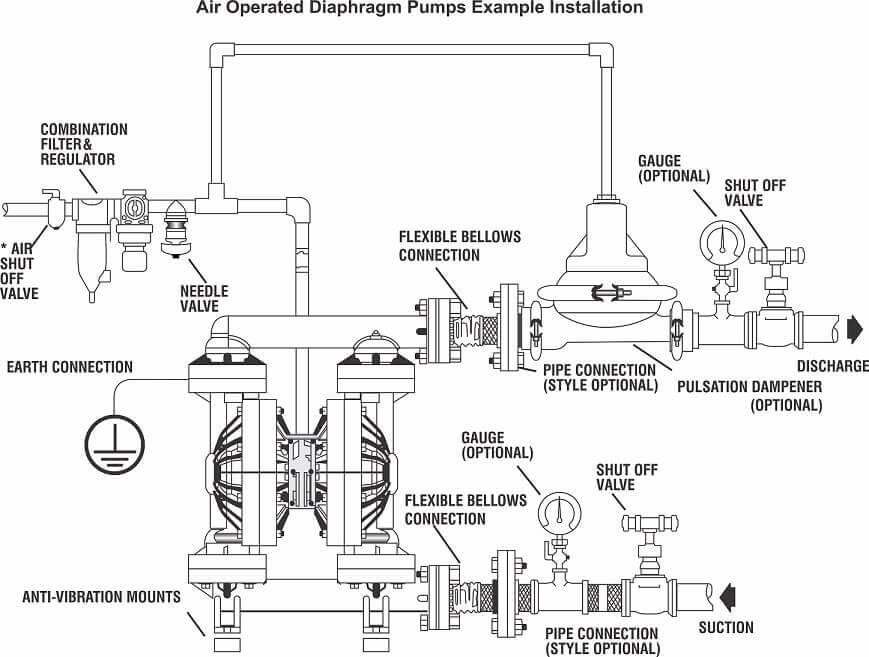
Proper installation sets the foundation for reliable pump function. Align the pump correctly with piping to avoid strain. Secure all fittings tightly but avoid over-tightening. Use proper tools and follow the manufacturer’s instructions step-by-step. Check for correct air supply and fluid connections. A well-installed pump reduces vibration and wear.
Using Compatible Materials
Choose materials that match the pumped fluid’s properties. Incompatible materials cause corrosion, swelling, or brittleness. Check chemical compatibility charts before selecting diaphragms and valves. Use seals and gaskets designed for your fluid type. Using the right materials prevents damage and extends pump life. Always replace worn parts with compatible components.
Frequently Asked Questions
How To Tell If A Diaphragm Pump Is Bad?
Check for reduced pressure, irregular flow, unusual noise, visible diaphragm damage, or fluid leakage. These signs indicate a bad diaphragm pump.
How To Prime A Double Diaphragm Pump?
To prime a double diaphragm pump, turn the air valve slowly counterclockwise while the pump runs. Watch for steady chemical flow without air bubbles. Ensure suction lines are airtight and filled with liquid to avoid air locks and enable smooth priming.
What Are The Disadvantages Of A Double Diaphragm Pump?
Double diaphragm pumps can suffer from diaphragm wear, air pressure sensitivity, and reduced efficiency under low pressure. They may produce pulsating flow and require regular maintenance to prevent failures.
What Are The Failure Modes Of Diaphragm Pumps?
Diaphragm pumps fail due to diaphragm cracking, blistering, chemical attack, over-pressurization, dry running, abrasion, and incorrect installation. Over-tightening or loose fittings also cause damage.
What Causes A Double Diaphragm Pump To Lose Prime?
Loss of prime often happens due to air leaks or blocked suction lines. Check all connections and clean the inlet filter to fix this issue.
Conclusion
Double diaphragm pumps need regular checks to work well. Watch for leaks, noises, or loss of pressure. Clean and replace worn parts quickly. Correct air pressure keeps the pump running smoothly. Small issues can cause big problems if ignored. Follow simple steps to find and fix faults fast.
Keep your pump in good shape for longer use. Troubleshooting saves time and prevents costly repairs. Stay alert and handle problems early to avoid downtime. Your pump will serve you better with regular care.