Is your e-bike suddenly refusing to start or cutting out mid-ride? You’re not alone—and the good news is, many common e-bike problems are easier to fix than you might think.
Whether your battery won’t hold a charge, the motor sounds strange, or your display shows error codes, knowing the right troubleshooting steps can save you time, money, and frustration. In this guide, you’ll discover simple checks and quick fixes that get your e-bike back on the road fast.
Ready to solve your e-bike issues and ride confidently again? Let’s dive into the essential troubleshooting tips every e-bike rider needs to know.
Credit: macfoxbike.com
Battery Issues
Battery issues are the most frequent problems faced by e-bike users. The battery powers the entire system, making it essential for smooth rides. Faulty batteries can stop charging, lose charge quickly, or even swell and overheat. These problems affect performance and safety. Understanding common battery issues helps riders fix them fast and avoid bigger damage.
Won’t Charge Or Hold Charge
Check the charger and its connections first. Loose or damaged plugs stop charging. Make sure the battery is not stored completely dead or in very cold or hot places. Batteries lose capacity over time. If your battery won’t hold charge well, it might be worn out. Replacing old batteries restores good power.
Overheating And Swelling
Overheating can happen from overcharging or using the battery in hot weather. Swelling is a sign of internal damage and can be dangerous. Stop using a swollen battery immediately. Keep the battery away from direct sunlight and heat sources. Proper care prevents overheating and extends battery life.
Proper Charging Tips
Use only the charger made for your battery. Charge in a dry, cool place. Avoid charging overnight or for too long. Stop charging once full. Store the battery at about half charge if not used for weeks. Follow these tips to keep your battery healthy and safe.

Credit: www.youtube.com
Motor And Power Problems
The motor and power system form the heart of an e-bike. Problems here can stop the bike from running smoothly. Understanding common motor and power issues helps riders fix their e-bikes quickly. This section covers key problems and simple checks to keep your e-bike moving.
No Power Or Cutting Out
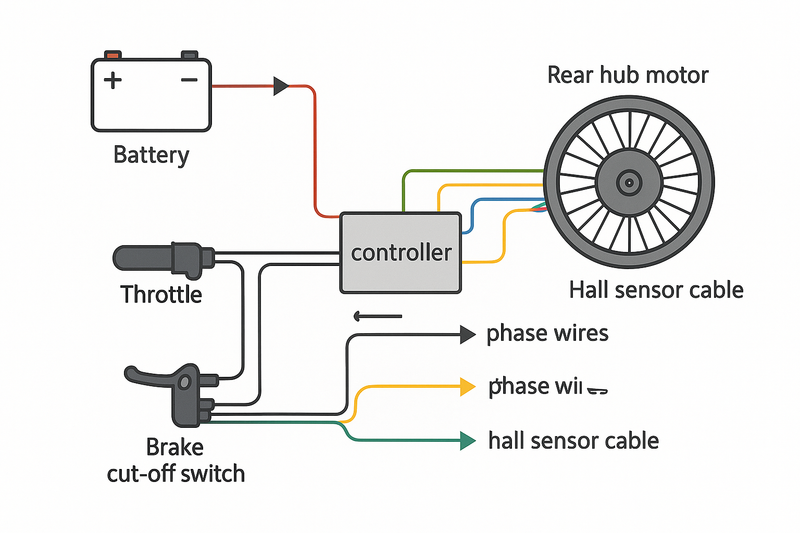
When the motor has no power or cuts out, the ride stops suddenly. This issue often comes from loose battery connections. Dirt or misaligned speed sensor magnets can also cause power loss. Brake lever sensors might send false signals, stopping the motor. Examine all wiring for breaks or damage to ensure steady power flow.
Unusual Motor Noises
Strange sounds from the motor warn of internal wear. Grinding or clicking noises may mean worn gears or bearings inside. These parts need professional attention to avoid further damage. Regular cleaning and lubrication can reduce noise and extend motor life.
Sensor And Wiring Checks
Sensors control power and motor response. Dirt or misalignment on sensors, like the cadence sensor magnet, can cause errors. Inspect sensor positions and clean any debris carefully. Check all wires for cracks or loose connections, especially near the motor and battery. Proper sensor and wiring care ensures smooth motor operation.
Display And Electronics
The display and electronic system on an ebike is its control center. It shows speed, battery level, and error messages. Problems here can stop your ride or cause confusion. Many issues come from loose wires or low power. Some problems need simple fixes, while others may require expert help. Understanding common display and electronics issues saves time and frustration. Below are key points to check if your ebike display acts up.
Display Not Turning On
Start by checking the main battery. Ensure it is fully charged and connected. Inspect the display cable for loose or damaged wires. Some displays have small internal batteries; these may need replacement. Press the power button firmly and hold it for a few seconds. Dirt or moisture can block contacts, so clean the connectors gently. A faulty display may need a professional check or replacement.
Error Codes And Glitches
Error codes appear on the display to signal problems. Write down the code shown. Consult your ebike manual to understand the meaning. Common errors relate to motor sensors, battery faults, or wiring issues. Reset the system by turning the bike off and on again. Sometimes, disconnecting the battery for a few minutes helps clear glitches. Persistent errors require checking connections or visiting a service center.
Battery Connection For Display
The display relies on a stable battery connection. Loose or corroded battery terminals cause flickering or no power. Remove the battery and clean the contacts with a dry cloth. Reinsert it firmly to ensure a good connection. Check the display cable plug inside the battery compartment. Avoid bending or pulling cables roughly. Secure connections improve performance and avoid sudden shutdowns during rides.
Mechanical Issues
Mechanical issues are common in electric bikes and can affect your ride’s safety and comfort. Regular checks help spot problems early and keep your ebike running smoothly. Many mechanical troubles are easy to fix with simple tools and some know-how.
Flat Tires And Repairs
Flat tires happen often and stop your ride quickly. Check the tire for sharp objects like glass or nails that cause punctures. Use a tire lever to remove the tire and inspect the inner tube. Patch small holes with a repair kit or replace the tube if damaged beyond repair. Inflate the tire to the recommended pressure before riding again. Carry a patch kit and pump on every ride for quick fixes.
Brake Pad Wear And Alignment
Brake pads wear out with use and reduce stopping power. Check pads regularly for thickness; replace them if less than 3mm. Align pads so they touch the rim or disc evenly without rubbing. Adjust brake cables to tighten or loosen the brakes for smooth operation. Clean brake surfaces to remove dirt and oil that reduce grip. Proper brakes keep you safe and confident on the road.
Drivetrain Maintenance
The drivetrain includes the chain, gears, and derailleurs that move your ebike. Dirt and grime cause wear and poor shifting. Clean the chain with a brush and mild degreaser regularly. Lubricate the chain with bike-specific oil to reduce friction and rust. Check gear shifting for smooth changes; adjust the derailleur if gears skip or jump. Replace worn chains and sprockets to maintain efficiency and avoid damage.
Quick Fixes And Prevention
Quick fixes and prevention are key to keeping your ebike running smoothly. Many common issues come from simple problems that you can solve without tools. Regular care helps avoid bigger troubles later. This section covers easy steps to fix and prevent frequent ebike issues.
Resetting Your Ebike
Sometimes the ebike’s system needs a reset to clear errors. Turn off the power and wait 10 seconds. Turn it back on. This can fix small glitches in the display or motor. If problems persist, try a full reset by disconnecting the battery for a minute.
Checking And Securing Connections
Loose or dirty connections cause many ebike problems. Inspect all plugs and wires for tightness and damage. Clean connectors gently with a dry cloth. Secure any loose cables to prevent wear. Good connections ensure power flows correctly to motor and controls.
Cleaning Sensors
Sensors detect pedal movement and speed. Dirt or misalignment stops them from working. Wipe sensors and magnets carefully with a soft cloth. Check that magnets line up with sensors properly. Clean sensors improve motor response and avoid sudden power cuts.
Proper Battery Storage
Store the battery in a cool, dry place away from direct sunlight. Avoid leaving it fully charged or empty for long periods. Charge the battery to about 50% if storing for weeks. Proper storage helps keep battery life longer and prevents swelling or overheating.
When To Seek Professional Help
Some issues need expert attention. Visit a professional if the motor makes strange noises or stops working. Complex electrical problems may need special tools to diagnose. If you notice battery swelling or overheating, stop using the bike and get help. Professionals ensure safe, lasting repairs.
Fuse And Electrical Safety
Fuses protect your e-bike’s electrical system from damage caused by power surges or short circuits. They act as a safety barrier, breaking the circuit when current exceeds safe levels. Understanding fuse and electrical safety helps you prevent serious damage and keep your e-bike running smoothly.
Identifying A Blown Fuse
A blown fuse usually causes your e-bike to stop working suddenly. Check for signs like no power or intermittent issues. The fuse itself may look burnt or broken. Some fuses have a small window to see if the metal strip inside is intact. If the strip is broken or blackened, the fuse is blown and needs replacement.
Multimeter Testing Methods
Use a multimeter to test fuses accurately. Set the multimeter to the continuity or resistance mode. Remove the fuse from the bike’s fuse holder. Place the multimeter probes on each end of the fuse. A good fuse shows a reading close to zero ohms. If the meter shows no continuity or infinite resistance, the fuse is blown.
Visual Inspection Tips
Look closely at the fuse for cracks or burn marks. Inspect the fuse holder and wiring for corrosion or loose connections. Check if the fuse matches the bike’s specifications for voltage and current. Keep the fuse area clean and dry to avoid electrical faults. Regular visual checks can prevent unexpected breakdowns.

Credit: macfoxbike.com
Frequently Asked Questions
What Is The Common Problem With Ebikes?
Common e-bike problems include battery issues, motor power loss, display glitches, sensor dirt, flat tires, and worn brakes.
How To Reset An E-bike Battery?
Remove the battery from the mount to reset the battery management system. Reinstall the battery and turn on the bike.
Why Has My E-bike Stopped Working?
Your e-bike may stop working due to battery issues, loose connections, sensor dirt, or motor problems. Check all connections, clean sensors, ensure the battery is charged, and reset the system. Mechanical issues like flat tires or worn brakes can also cause failures.
Seek professional help if needed.
How To Tell If An Ebike Fuse Is Blown?
Check the fuse visually for a broken filament or discoloration. Use a multimeter to test continuity. No continuity means the fuse is blown. Replace it with the correct rating to restore power.
What Causes An Ebike Battery Not To Charge?
A loose connection or damaged charger often stops charging. Extreme cold or heat can also harm the battery’s ability. Over time, batteries naturally lose capacity and need replacement.
Conclusion
Ebike troubleshooting helps keep your ride smooth and safe. Regular checks prevent many common problems. Always inspect battery connections and clean sensors. Watch for unusual noises or display errors early. Fix flat tires and worn brakes promptly. Simple resets can solve minor glitches quickly.
Taking care of your ebike saves time and money. Stay prepared and enjoy every ride without worry.