Is your Echo gas trimmer giving you trouble right when you need it most? Whether it won’t start, stalls unexpectedly, or loses power mid-job, these issues can be frustrating and slow down your yard work.
But don’t worry—you’re not alone, and most problems have simple fixes you can handle yourself. In this guide, you’ll learn how to quickly identify common Echo gas trimmer issues and troubleshoot them step-by-step. Keep reading, and you’ll get your trimmer running smoothly again in no time.
Your lawn deserves it—and so do you.
Credit: www.ifixit.com
Starting Issues
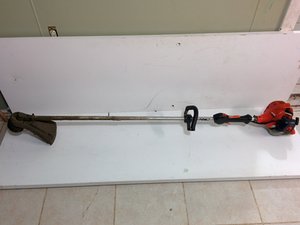
Starting issues are common with Echo gas trimmers. These problems can stop the trimmer from running or make it hard to start. Troubleshooting helps find the exact cause. Fixes often involve simple checks and adjustments. Below are key areas to examine for starting problems.
Flooded Engine Fixes
A flooded engine happens when too much fuel enters the cylinder. This makes the engine hard to start. To fix it, remove the spark plug and let the engine dry out. Pull the starter cord a few times to clear excess fuel. Replace the spark plug and try starting again. Avoid over-priming to prevent flooding.
Bad Fuel And Filters
Old or dirty fuel can stop the engine from starting. Always use fresh, clean gasoline mixed with oil at the right ratio. Check the fuel filter for dirt or damage. Replace the filter if it looks clogged. Clean the fuel lines to ensure smooth fuel flow. Good fuel and clean filters keep the engine running well.
Spark Plug Troubles
The spark plug lights the fuel-air mix inside the engine. A dirty or worn spark plug causes weak sparks or no spark at all. Remove the plug and check its condition. Clean it with a wire brush or replace it if damaged. Set the gap to the manufacturer’s specs. A good spark plug helps the engine start easily.
Compression Checks
Engine compression affects power and starting ability. Low compression means the engine parts do not seal well. Use a compression tester to measure pressure in the cylinder. Normal compression is usually above 90 psi. If it is low, the piston rings or cylinder may be worn. Low compression often needs professional repair.
Power Loss Problems
Power loss in an Echo gas trimmer can disrupt your work and cause frustration. This issue often stems from simple problems that you can fix at home. Understanding these common causes helps you bring your trimmer back to life quickly. Below are key areas to check when your trimmer loses power.
Carburetor Cleaning
A dirty carburetor often causes power loss in gas trimmers. Fuel and air mix poorly when the carburetor passages clog. Remove the carburetor and spray carb cleaner inside. Pay special attention to the jets and small openings. Clean thoroughly until all dirt and residue disappear. Reassemble and test the trimmer for improved power.
Clogged Spark Arrester
The spark arrester prevents sparks from exiting the muffler. Over time, it collects carbon deposits and blocks exhaust flow. This clog reduces engine efficiency and power. Remove the spark arrester screen from the muffler. Soak it in a cleaning solution or scrub gently with a wire brush. Dry completely before reinstalling to restore proper airflow.
Ignition Coil Failures
The ignition coil creates the spark needed to ignite fuel. A failing coil causes weak or no spark, leading to power loss. Test the coil with a spark tester or multimeter. Replace the coil if no spark appears or if readings are out of range. Installing a new ignition coil often fixes power problems and restores reliable starts.
Trimmer Stops Running
When your Echo gas trimmer suddenly stops running, it interrupts your work and causes frustration. Pinpointing the exact cause helps fix the problem quickly. Several common issues may cause the trimmer to shut off unexpectedly. Understanding these can save time and prevent damage.
Safety Switch And Trigger
The safety switch and trigger control power delivery to the trimmer. If the safety switch is faulty or not fully engaged, the engine will stop. Dirt or debris can block the trigger’s movement, preventing it from working properly. Check that the safety switch clicks into place and the trigger moves freely. Clean any dirt around these parts to restore proper function.
Overheating Causes
Overheating can cause the trimmer to stop running suddenly. Running the engine too long without breaks raises its temperature. Blocked air vents reduce cooling and increase heat. Use fresh fuel and avoid overloading the trimmer during heavy cutting. Allow time for the engine to cool down before restarting. Clean vents regularly to keep airflow smooth.
Motor Controller Issues
The motor controller manages electrical signals that keep the engine running. A damaged or failing controller can interrupt the spark or fuel flow. This causes the engine to stall or stop. Inspect wiring for loose connections or wear. Replace the motor controller if faults persist after cleaning and checking other components. Proper maintenance avoids costly repairs later.
Credit: www.echopartsonline.com
Mechanical Failures
Mechanical failures cause many common problems in Echo gas trimmers. These issues often stop the trimmer from working properly. Understanding these failures helps fix the tool faster. Regular use and wear can lead to stuck parts or broken components. Troubleshooting mechanical problems saves time and money on repairs.
Stuck Pull Cord Solutions
A stuck pull cord stops the engine from starting. Dirt or debris may block the recoil mechanism. Check the cord for knots or frays that prevent smooth pulling. Slowly pull the cord while inspecting the recoil spring. Apply light oil to the recoil housing to loosen parts. If the cord is damaged, replace it with a new one. Avoid forcing the cord to prevent further damage.
Seized Engine Signs
A seized engine does not turn over when pulling the cord. The engine feels locked and very hard to move. This happens when internal parts get stuck from lack of oil or overheating. Check the spark plug and air filter for blockages first. If the engine won’t budge, do not force it. Overheating or old oil can cause metal parts to weld together inside. Professional repair may be needed to fix a seized engine.
Driveshaft Damage
The driveshaft transfers power from the engine to the cutting head. Damage to the driveshaft causes unusual noises or loss of power. Bent or broken driveshafts need immediate attention. Inspect the shaft for bends or cracks after hitting hard objects. Replace the driveshaft if it shows any damage. Using the trimmer with a damaged shaft can cause more severe engine problems.
Line And Spool Problems
Line and spool problems often cause Echo gas trimmers to stop working correctly. These issues affect the string’s ability to cut grass effectively. Common troubles include the line unspooling unexpectedly, damage to the spring or spool cap, and frequent line breakage. Understanding these problems helps keep your trimmer running smoothly and saves repair costs.
Unspooling Causes
Unspooling happens when the line unwinds too quickly from the spool. This can occur if the spool is not wound tightly. Another cause is a worn or damaged spring inside the spool. Dirt or debris can also block the spool, causing the line to release uncontrollably. Check the spool and clean it regularly to avoid unspooling issues.
Spring And Cap Damage
The spring inside the spool keeps tension on the line. If the spring breaks or loses tension, the line will not feed properly. The spool cap holds the spool in place. A cracked or broken cap causes the spool to move freely, leading to feeding problems. Inspect the spring and cap for damage and replace them if needed.
Line Breaking Fixes
Line breaking is a common problem during trimming. Using the wrong line thickness causes frequent breaks. Old or brittle line also snaps easily. Trim thick grass slowly to reduce stress on the line. Replace the line with the correct size for your trimmer model. Keeping the line fresh prevents many breaking issues.
Credit: www.youtube.com
Routine Maintenance Tips
Routine maintenance keeps your Echo gas trimmer working well. Regular care prevents breakdowns and extends the tool’s life. Simple checks and cleaning steps avoid common issues. Follow these tips to keep your trimmer ready for any job.
Fuel System Care
Use fresh, clean fuel for the best performance. Old or dirty fuel clogs filters and lines. Replace the fuel filter regularly to avoid blockages. Check fuel lines for cracks or leaks and replace if needed. Always store fuel in a sealed container to keep it fresh.
Carburetor Upkeep
Keep the carburetor clean to prevent stalling and poor running. Use carburetor cleaner to remove dirt and deposits. Inspect jets and passages for clogs and clean them carefully. Rebuild or replace the carburetor if cleaning does not fix the problem. Adjust the carburetor settings for smooth engine operation.
Ignition System Checks
Check the spark plug for dirt and wear. Clean or replace the spark plug every season. Test the ignition coil if the engine runs poorly or dies. A weak spark coil can cause stalling or hard starts. Ensure all ignition wires are tight and free from damage.
Kill Switch Handling
Keep the kill switch clean and dry to avoid electrical shorts. Sweat or moisture can stop the switch from working properly. If problems occur, disconnect the kill switch wire and use the choke to stop the engine. Replace the kill switch if it fails to cut power consistently.
Frequently Asked Questions
How To Start A Flooded Echo Trimmer?
To start a flooded Echo trimmer, remove the spark plug and dry it. Let the engine air out for 10 minutes. Reinstall the plug, then pull the starter cord gently. Avoid over-priming to prevent reflooding. Use fresh fuel for better ignition.
Why Did My Trimmer Suddenly Stop Working?
Your trimmer may stop working due to a dead battery, clogged carburetor, bad fuel, faulty spark plug, or an overheated motor. Check fuel quality, clean filters, inspect the ignition system, and ensure safety switches function properly to troubleshoot the issue.
What Are The Common Problems With The Echo 225?
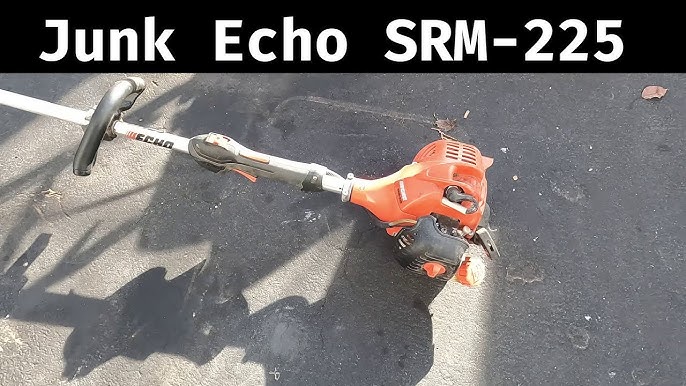
Common problems with the Echo 225 include carburetor clogs, fuel system issues, ignition failures, and mechanical faults like a stuck pull cord or seized engine. Starting difficulties, power loss, and unspooling line also occur due to worn springs or damaged caps.
Regular maintenance prevents these issues.
Why Does My Trimmer Keep Unspooling?
Your trimmer keeps unspooling due to a worn or broken spring inside the head or a cracked spool cap. These parts fail to maintain proper line tension and secure the spool. Replace damaged springs or caps to fix unspooling issues and ensure smooth trimming.
Why Won’t My Echo Gas Trimmer Start Properly?
Common causes include stale fuel, clogged carburetor, or a dirty spark plug. Check fuel freshness and clean or replace parts as needed.
Conclusion
Troubleshooting an Echo gas trimmer becomes easier with simple checks. Start by inspecting fuel quality and spark plug condition. Clean or replace clogged carburetor parts to improve performance. Keep the fuel filter and lines clear for smooth running. Check the ignition coil if the engine stalls when hot.
Tighten or replace worn trimmer head springs to stop unspooling. Regular maintenance prevents most common issues. Follow these steps to keep your trimmer working well longer. A little care saves time and effort in the yard.