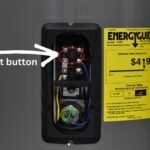
Is your Echo weed eater acting up just when you need it most? Whether it won’t start, stalls unexpectedly, or loses power, these issues can be frustrating and slow down your yard work.
But don’t worry—most problems with your Echo weed eater have simple fixes you can handle yourself. In this guide, you’ll discover easy, step-by-step troubleshooting tips that will help you get your trimmer running smoothly again. Ready to save time, money, and stress?
Keep reading to find out how to tackle common Echo weed eater troubles and keep your yard looking its best.
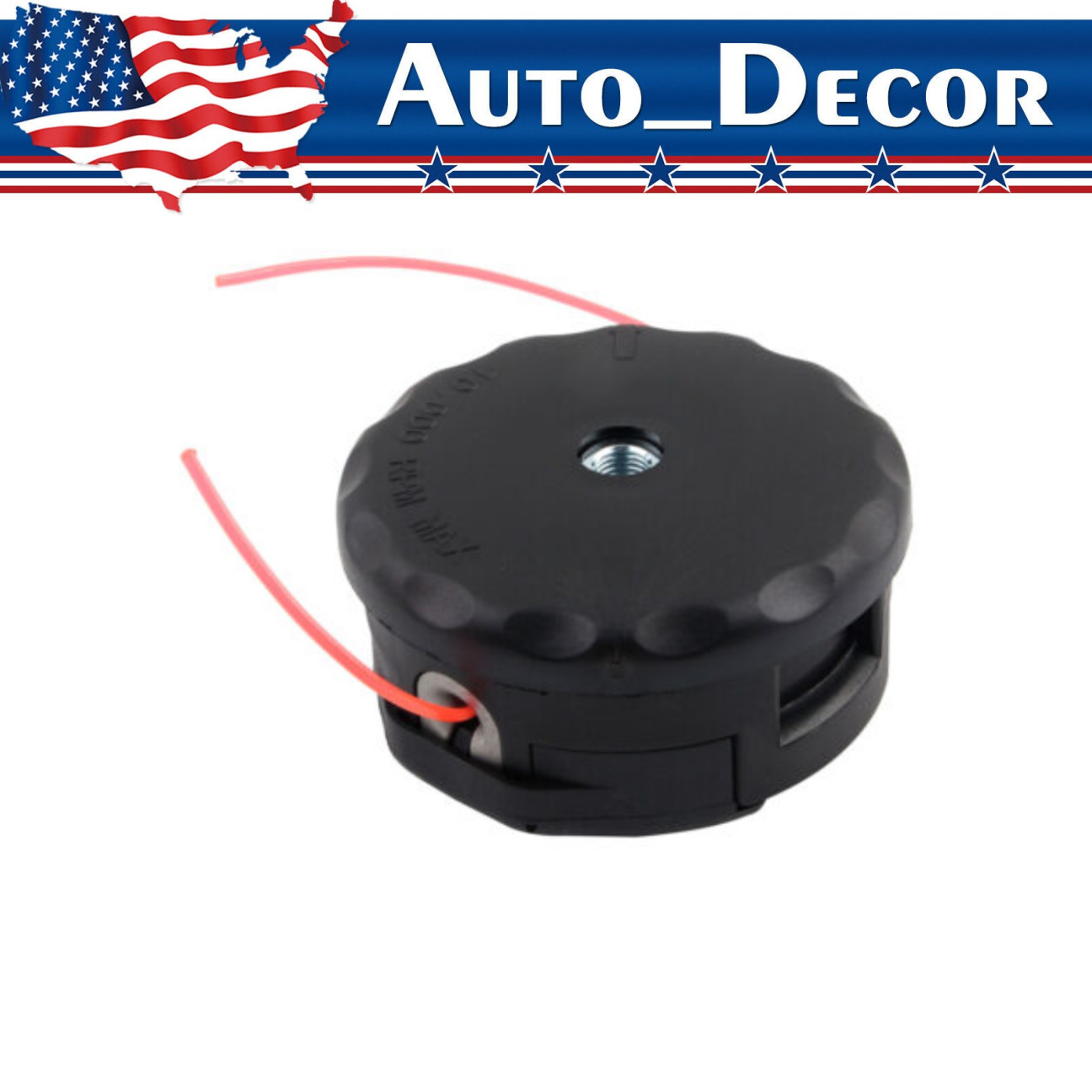
Credit: montrealbachatafestival.com
Starting Issues
Starting issues are common with Echo weed eaters. These problems can stop your tool from working right away. Simple checks can often find the cause and fix it fast. This section covers key areas to look at for starting problems.
Battery And Connections
First, check the battery charge level. Low battery power can prevent starting. Remove the battery and clean the contacts with a dry cloth. Dirty or loose connections block power flow. Make sure the battery clicks firmly into place. Replace the battery if it no longer holds a charge.
Trigger And Switch Problems
The trigger switch controls power to the motor. Dirt or wear can cause it to fail. Press the trigger and listen for a click. No sound may mean a broken switch. Check the wiring near the switch for loose or broken wires. Replace the switch if it does not respond properly.
Spark Plug And Ignition Coil
A bad spark plug stops the engine from igniting fuel. Remove the plug and inspect its tip. Clean off any dirt or carbon buildup. Replace the spark plug if it looks worn or damaged. The ignition coil sends power to the spark plug. Test the coil with a spark tester. Replace the coil if no spark appears.
Engine Compression Check
Engine compression is needed for proper starting. Low compression means the engine parts are worn or damaged. Use a compression gauge to test the engine. Screw the gauge into the spark plug hole and pull the starter cord. A reading below the recommended level shows low compression. This may require professional repair or engine replacement.
Fuel System Troubles
The fuel system plays a key role in the smooth operation of your Echo weed eater. Problems in this system often cause starting issues or poor performance. Understanding fuel system troubles helps fix your equipment quickly. Below are common fuel system problems and how to address them.
Bad Or Old Fuel
Old or stale fuel causes many Echo weed eater problems. Gasoline breaks down over time and loses its effectiveness. This can lead to hard starting and rough running. Always use fresh fuel mixed at the right ratio. Drain old fuel from the tank before adding new fuel.
Clogged Fuel Lines And Filters
Dirt and debris can clog fuel lines and filters. This blocks fuel flow and starves the engine. Inspect fuel lines for cracks or blockages. Replace any damaged or clogged fuel filters. Clean fuel lines with compressed air or replace them if needed.
Carburetor Cleaning And Repair
The carburetor mixes air and fuel for combustion. Dirt and varnish can block small carburetor passages. This causes stalling or poor throttle response. Remove the carburetor and clean it with carburetor cleaner. Rebuild or replace the carburetor if cleaning does not fix the problem.
Fuel Flow And Priming
Proper fuel flow is vital for engine start-up. Check that the primer bulb is not cracked or leaking. Press the primer bulb several times to send fuel to the carburetor. Watch for fuel movement through the lines. Replace the primer bulb if it does not pump fuel properly.
Performance Problems
Performance problems with your Echo weed eater can disrupt your work. These issues often cause the tool to stall, lose power, or overheat. Understanding common causes helps fix problems quickly. Regular checks and simple maintenance keep the weed eater running smoothly.
Stalling And Bogging Down
Stalling happens when the engine stops suddenly. Bogging down means the engine slows under load. Both often result from a dirty carburetor or bad fuel. Clogged fuel filters or air filters limit airflow and fuel flow. Check and clean these parts regularly. Using old or contaminated fuel can also cause these issues. Replace fuel every season for best results.
Power Loss Causes
Power loss reduces cutting efficiency. It can come from a clogged spark arrester or a failing ignition coil. Dirty spark plugs also lower power output. Inspect the spark plug and replace it if worn. A faulty ignition coil may cause power to drop when the engine heats up. Check the coil and replace it if needed. Keeping the fuel system clean supports consistent power.
Overheating And Motor Issues
Overheating damages the motor and shortens weed eater life. It happens when air vents are blocked or the engine runs too lean. Check the cooling fins and clean away debris. Running the engine without enough oil or with dirty oil causes extra heat. Use the right oil mix and change it regularly. Stop using the tool if it feels very hot and let it cool down before restarting.
Spark Arrester Maintenance
The spark arrester prevents hot exhaust particles from escaping. A clogged spark arrester causes poor performance and stalling. Remove the spark arrester screen and clean it with a wire brush. Soak it in a solvent if needed to remove heavy buildup. Replace the screen if it is damaged or too dirty. Regular maintenance of the spark arrester keeps your weed eater running well and safe.

Credit: www.youtube.com
Mechanical Failures
Mechanical failures can stop your Echo weed eater from working properly. These issues affect the core parts that make the tool run. Understanding common mechanical problems helps you fix the tool faster. It also prevents bigger damage and saves money on repairs.
Pull Cord And Starter Recoil
The pull cord starts the engine by spinning the flywheel. If it won’t pull or feels stuck, the starter recoil may be damaged. A broken spring or jammed rope stops the cord from retracting.
Check the pull cord for tears or breaks. If the cord moves freely but the engine won’t start, the recoil spring might need replacement. Fixing the recoil ensures smooth starting every time.
Driveshaft Damage
The driveshaft transfers power from the engine to the cutting head. If the weed eater loses power or the cutting head stops spinning, the driveshaft may be damaged or broken.
Listen for grinding noises or unusual vibrations. These signs often mean the driveshaft is bent or worn out. Replacing the driveshaft restores proper power flow and cutting performance.
Seized Engine Signs
A seized engine means internal parts are stuck and cannot move. This happens when the engine overheats or lacks oil. The pull cord may not turn at all.
Look for tight or locked movements when pulling the cord. Smoke or burning smells also point to a seized engine. Avoid forcing the pull cord to prevent further damage.
Ignition And Electrical Checks
Ignition and electrical systems are key to your Echo weed eater’s performance. Problems here often cause the tool not to start or run poorly. Regular checks help spot issues early. This saves time and money on repairs.
Test electrical parts carefully. Use a multimeter to check continuity and voltage where needed. Look for worn or damaged components. Ensure all connections are clean and tight. Ignition and electrical faults often show clear signs if inspected closely.
Motor Brushes Wear
Motor brushes wear down with use. Worn brushes cause weak sparks and poor motor power. Check the brushes for length and damage. Replace them if they look short or cracked. Good brushes keep the motor running strong.
Kill Switch Troubles
The kill switch stops the engine quickly. Faulty switches can prevent the weed eater from starting. Test the switch with a multimeter for proper operation. Clean any dirt or corrosion around the switch. Replace the switch if it fails the test.
Safety Switch Functionality
Safety switches prevent accidental starts. These switches must work perfectly for safe use. Check that the safety switch engages and disengages smoothly. Clean contacts and test with a multimeter. Replace if it does not work reliably.
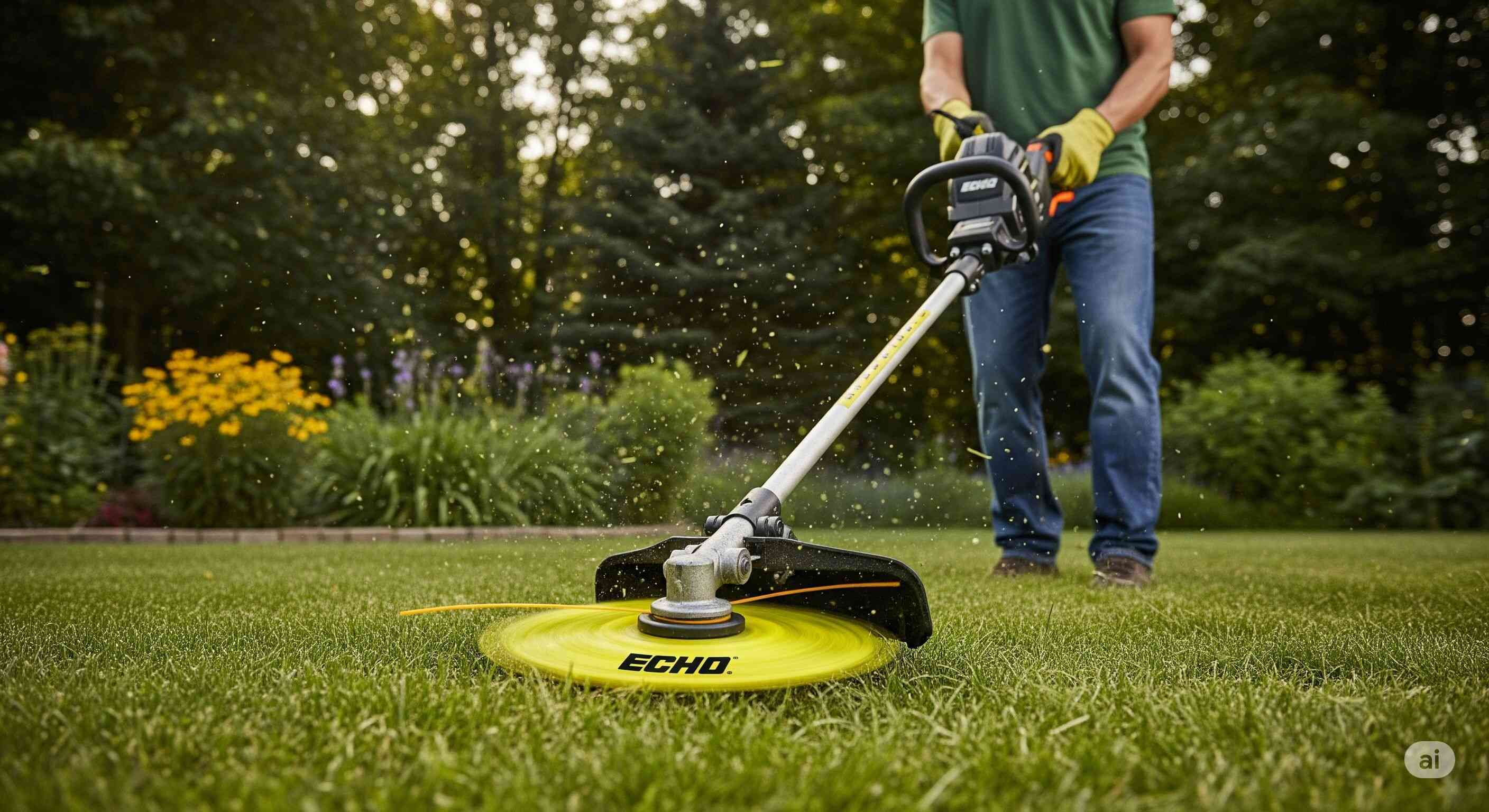
Credit: www.echopartsonline.com
Frequently Asked Questions
Why Won’t My Echo Weed Eater Start?
Your Echo weed eater may not start due to clogged carburetor, bad fuel, dirty spark plug, faulty ignition, or a stuck pull cord. Check and clean fuel system, replace spark plug, inspect ignition coil, and ensure battery or connections are secure for proper operation.
What Are The Common Problems With The Echo 225?
Common problems with the Echo 225 include carburetor clogs, fuel system issues, ignition failures, and mechanical faults like a stuck pull cord or seized engine. Poor fuel quality, dirty filters, worn spark plugs, and faulty kill switches also cause starting and performance troubles.
Why Does My Weed Eater Shut Off When I Give It Gas?
Your weed eater likely shuts off due to clogged carburetor, bad fuel, dirty spark plug, or faulty ignition. Clean or replace these parts.
Why Did My Trimmer Suddenly Stop Working?
Your trimmer may stop working due to a dead battery, faulty safety switch, worn motor brushes, or overheating. Check these parts first.
Why Won’t My Echo Weed Eater Start?
Common causes include bad fuel, clogged filters, or a dirty spark plug. Check these parts first to fix starting issues quickly.
Conclusion
Troubleshooting your Echo weed eater can save time and money. Regular checks on fuel, spark plug, and filters help maintain performance. Cleaning the carburetor and spark arrester often resolves common issues. Watch for signs like stalling or loss of power to catch problems early.
Simple fixes usually restore your trimmer quickly. Keep tools clean and parts in good condition for longer use. Following these steps makes your weed eater reliable again. Don’t ignore small problems—they can become bigger if left alone. Stay patient and methodical when diagnosing issues.
Your Echo weed eater will run smoothly with proper care.