Is your electric bike suddenly not working the way it should? Whether it won’t start, the motor cuts out, or the display shows strange error codes, these problems can be frustrating.
But don’t worry—you don’t have to be a tech expert to fix most common e-bike issues. This Electric Bike Troubleshooting Guide is designed just for you. We’ll walk you through simple, step-by-step checks and easy fixes to get your ride back on the road quickly.
Keep reading, and you’ll learn how to identify the problem, reset your controller, and tackle common battery and motor glitches like a pro. Your electric bike deserves the best care, and you deserve the smooth, hassle-free ride it promises!
Battery Problems
Battery problems are common issues for electric bike riders. They affect your bike’s performance and riding experience. Understanding these problems helps you keep your bike reliable and efficient.
Electric bike batteries can have various faults. These include charging issues, not holding charge, or damage from poor storage. Identifying and fixing these problems quickly saves time and money.
Charging Issues
Charging problems often cause battery failure. Check the charger and cable for damage. Make sure the power source works properly. Dirt or corrosion on the charging port can block the connection. Clean it gently with a dry cloth. Avoid using cheap or incompatible chargers. They may damage the battery and reduce its lifespan.
Battery Not Holding Charge
A battery that won’t hold charge needs attention. This problem happens when cells inside the battery degrade. Overcharging or deep discharging can cause this damage. Avoid riding the bike until the battery is fully charged. Perform a full charge cycle and test again. If the issue persists, the battery may need replacement. Using a multimeter can help check the battery voltage and health.
Battery Storage Tips
Proper storage extends battery life. Store batteries in a cool, dry place away from direct sunlight. Avoid extreme temperatures, both hot and cold. Keep the battery charge between 40% and 60% during long storage. Charging it fully or letting it drain completely can harm battery cells. Remove the battery from the bike if storing for months. Check and recharge it every few weeks to maintain health.
Motor Troubles
The motor is the heart of an electric bike. Motor troubles can stop your ride fast. Understanding common motor issues helps you fix problems quickly. This guide covers three key motor problems and how to handle them.
Motor Not Engaging
The motor may fail to start when you pedal or throttle. Check the battery charge level first. Loose or damaged wiring can block power flow. Inspect connectors and cables for wear or breaks. A faulty motor controller might also cause no response. Resetting the controller sometimes restores motor function. Test the throttle or pedal sensor for proper signals. Replace parts that show clear signs of damage.
Motor Cutting Out
Motor cutting out means it stops suddenly during use. Overheating is a common cause. Let the motor cool down before riding again. Loose connections may cause intermittent power loss. Tighten all plugs and sockets securely. A weak battery can also cause cutouts. Make sure the battery is fully charged and working well. Faulty wiring or controller issues might need professional repair.
Unusual Motor Noises
Strange sounds from the motor indicate mechanical or electrical problems. Grinding or clicking noises suggest worn gears or bearings. Inspect the motor for dirt or debris blocking parts. Lubricate moving parts carefully if needed. Buzzing or humming sounds may point to electrical faults. Check for loose wires or damaged coils inside the motor. Early detection prevents serious damage and costly repairs.
Controller Issues
The electric bike controller controls power and communication between parts. Controller issues can cause the bike to stop working or behave oddly. Troubleshooting these problems often starts with resetting the controller. Resetting clears errors and restores normal function. Different methods exist depending on your e-bike model and controller type.
Controller Reset Methods
Resetting the controller fixes many common issues quickly. It is the first step to try before deeper repairs. Several reset options include hard resets, factory resets, and physical reset buttons. Knowing these methods helps you handle controller troubles yourself.
Hard Reset
Power off the bike completely. Remove the battery and wait 30 seconds. Reinstall the battery and turn the bike back on. This disconnects all power and clears minor faults. The hard reset often solves freezing or unresponsive controllers.
Factory Reset Via Display
Turn on the e-bike and access the display menu. Use the power or mode button to enter settings. Find the factory reset option, often labeled “Y” or “Factory Reset.” Confirm to restore all controller settings to default. This resets advanced settings and clears deeper errors.
Physical Reset Button
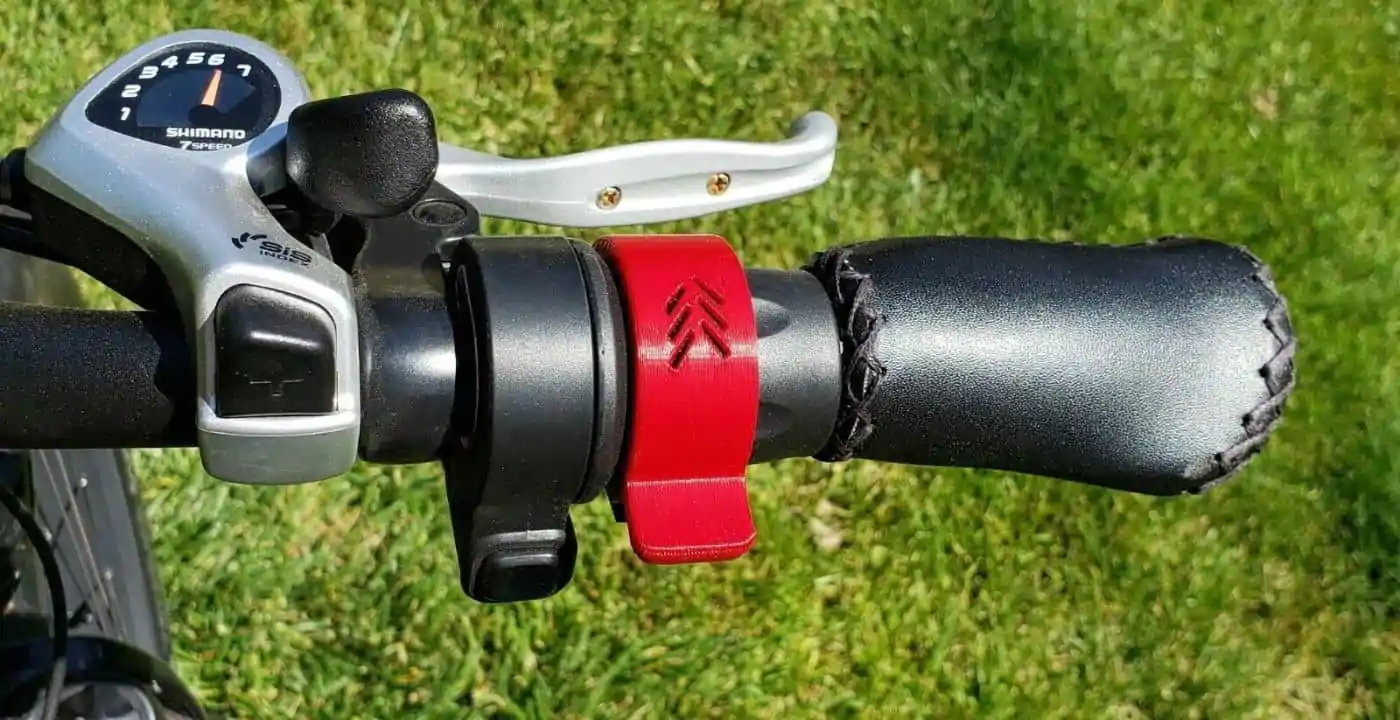
Locate the controller box on your bike frame. Look for a small recessed button, sometimes needing a paperclip to press. Hold the button for a few seconds until lights blink or the display restarts. This manual reset clears the controller’s memory and resets errors quickly.
Credit: emountainbikekings.com
Display And Electronics
The display and electronics form the heart of your electric bike’s control system. They show important information like speed, battery level, and error messages. Problems in this area can stop your ride or cause safety issues. Understanding common display and electronic issues helps you fix them quickly and get back on the road.
Display Glitches
Display glitches may include flickering screens or missing numbers. These often happen due to loose connections or low battery power. Check the wiring between the display and battery for any damage. Sometimes, dirt or moisture causes the screen to act up. Cleaning and securing connections can solve many glitches fast.
Error Codes
Error codes appear on the display to show specific problems. Each code relates to a different issue, such as motor faults or battery problems. Refer to your bike’s manual to understand these codes. Knowing the code helps you or a technician fix the problem properly. Ignoring error codes can lead to bigger damage.
Resetting The Display
Resetting the display can clear minor errors and glitches. Turn off the bike and remove the battery for a few minutes. Reinstall the battery and power the bike on again. Some models have a reset button or a button combination to restart the display. Check your user guide for exact steps to reset your display safely.
Wiring And Connections
Wiring and connections are key to your electric bike’s performance. Faulty wires or loose connections often cause power or control issues. Checking these parts regularly keeps your bike running smoothly.
Simple inspections can spot problems before they get worse. Correcting wiring faults ensures safe and reliable rides. This section guides you through common checks and fixes.
Checking Loose Connections
Loose connections can stop your electric bike from working. Look at all plugs and sockets carefully. Wiggle connectors gently to find any looseness. Tighten or reseat any loose plugs to restore power flow.
Focus on battery terminals, controller plugs, and motor connectors. Dirt or corrosion may hide a weak connection. Clean contacts with a dry cloth before reconnecting.
Inspecting Wiring For Damage
Damaged wiring causes shorts or breaks in the circuit. Trace wires along the frame and near moving parts. Look for cuts, cracks, or exposed copper. Replace any damaged wires immediately to avoid hazards.
Check for pinched or bent cables, especially near the handlebars and pedals. Use electrical tape for minor insulation damage, but replace severely damaged wires.
Sensor And Magnet Cleaning
Clean sensors and magnets regularly for accurate readings. Dirt or rust on these parts can cause motor errors. Use a soft brush or cloth to remove debris gently.
Inspect the sensor alignment with the magnet carefully. Misalignment reduces sensor effectiveness. Adjust parts so the sensor and magnet face each other closely without touching.

Credit: leoguarbikes.com
Common Mechanical Issues
Mechanical issues are common in electric bikes and can affect your ride quality. These problems often cause frustration but can be fixed with basic knowledge and tools. Understanding common mechanical issues helps keep your e-bike running smoothly. This section covers flat tires, worn brakes, and general bike maintenance.
Flat Tires
Flat tires are the most frequent mechanical problem on electric bikes. They happen due to sharp objects or worn-out tubes. Always carry a patch kit or a spare tube when riding. Check tire pressure regularly to avoid flats. Proper inflation improves performance and reduces the chance of damage.
Worn Brakes
Brakes wear out over time and reduce your stopping power. Squeaky or weak brakes mean it’s time to inspect brake pads. Replace worn pads promptly for safety. Adjust brake cables if the brakes feel loose. Regular checks ensure reliable braking on every ride.
General Bike Maintenance
Regular maintenance prevents many mechanical issues. Clean your bike often to remove dirt and debris. Lubricate the chain and moving parts to reduce wear. Tighten bolts and screws to keep components secure. Regular maintenance extends the life of your electric bike and improves safety.
Preventive Maintenance
Preventive maintenance keeps your electric bike in top shape. It reduces breakdowns and extends the bike’s life. Simple care routines protect important parts and improve performance. Follow these easy steps to avoid common issues and enjoy smoother rides.
Regular Cleaning
Clean your e-bike often to remove dirt and dust. Use a soft cloth and mild soap with water. Avoid high-pressure water, which can harm electrical parts. Dry the bike well after washing to prevent rust. Clean the chain and gears to keep them running smoothly.
Proper Storage
Store your electric bike in a dry, cool place. Avoid leaving it in direct sunlight or rain. Use a cover to protect the bike from dust and moisture. Keep the bike away from extreme temperatures to protect the battery and electronics. Store the bike standing or hanging to avoid tire damage.
Battery Care
Charge the battery regularly, even if you don’t ride daily. Avoid letting the battery fully drain, which can shorten its life. Use the charger that comes with your bike for safety. Store the battery at room temperature during long breaks. Clean the battery contacts gently to ensure good connections.

Credit: www.favoritebikes.com
Frequently Asked Questions
How Do I Reset My Ebike Controller?
Turn off the eBike and disconnect the battery. Wait a few minutes, reconnect the battery, then power on. Use the display menu or physical reset button if available. Refer to your manual for model-specific instructions and reconfigure settings after reset.
Why Is My Electric Bike Not Working?
Check battery charge and connections between battery, motor, and controller. Inspect the controller for faults. Loose wires or damaged parts often cause issues. Reset the controller if needed. Refer to the user manual for specific troubleshooting steps.
What Is The Common Problem Of An E-bike?
Common e-bike problems include battery issues, motor malfunctions, loose connections, display errors, flat tires, and worn brakes.
How To Tell If An Ebike Fuse Is Blown?
Check for no power or sudden motor failure. Inspect the fuse for a broken filament or discoloration. Use a multimeter to test continuity. Replace the fuse if it shows no continuity or visible damage.
How Do I Reset My Electric Bike Controller?
To reset the controller, turn off the bike and remove the battery. Wait a few seconds, reconnect the battery, and power the bike on. Some bikes also have a small reset button on the controller box.
Conclusion
Electric bike issues can often be fixed with simple steps. Check battery connections and controller settings first. Resetting your e-bike controller may solve many problems. Always follow your user manual for clear instructions. Regular maintenance helps prevent common troubles. Stay calm and methodical while troubleshooting.
Your electric bike will be ready to ride again soon. Keep this guide handy for quick reference.