Is your electric furnace not heating your home like it used to? When the chill sets in, a furnace that won’t work can quickly become a source of stress.
But before you call for expensive repairs, there are simple steps you can take to diagnose the problem yourself. In this guide, you’ll learn how to troubleshoot common electric furnace issues using easy-to-follow checks. From ensuring your thermostat is set correctly to inspecting fuses and filters, you’ll discover practical tips that can save you time and money.
Keep reading to regain control of your home’s warmth and avoid unnecessary service calls. Your comfort is just a few troubleshooting steps away!
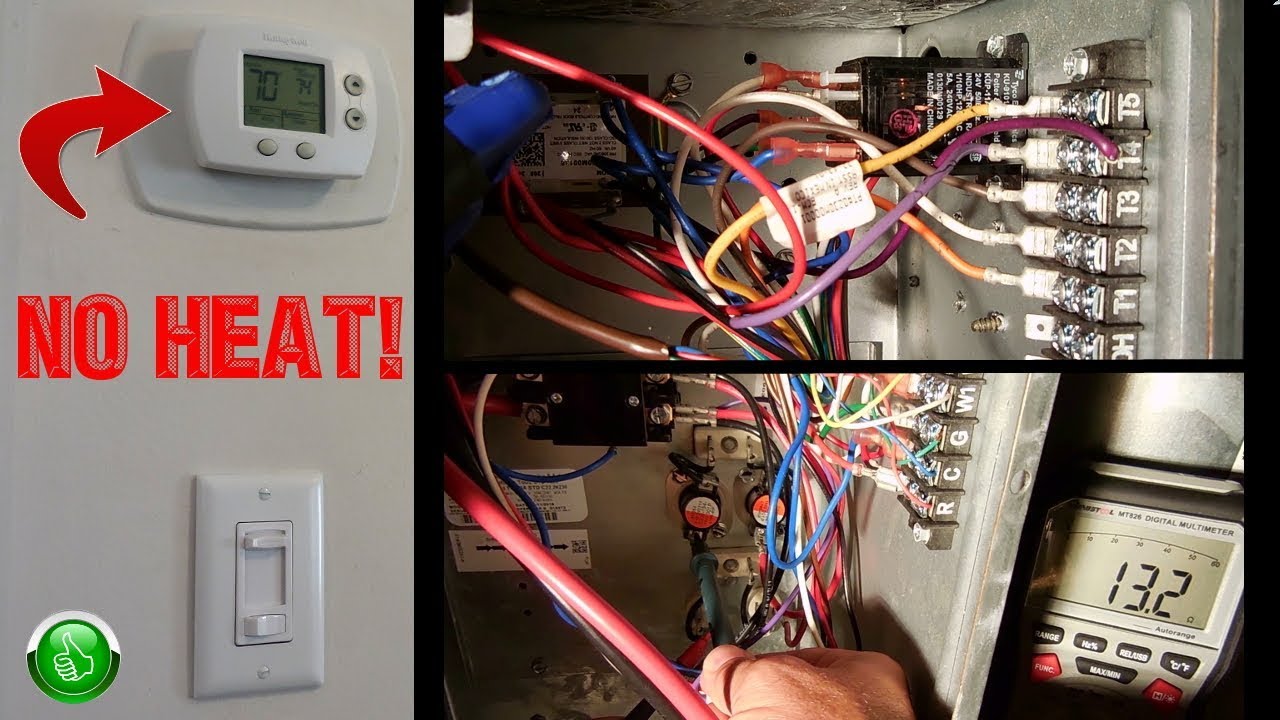
Credit: www.youtube.com
Basic Checks
Intermediate checks help identify deeper issues inside your electric furnace. These checks go beyond basic steps. They focus on key components that often cause heating problems. Taking time to inspect these parts can save costly repairs later.
Safety first. Always turn off power to the furnace before opening panels. Use a multimeter for electrical tests. Follow manufacturer guidelines closely. Now, let’s explore three main areas to check.
Internal Fuse Inspection
Look for the internal fuse inside the furnace panel. This fuse protects the furnace from power surges. A blown fuse stops the furnace from heating.
Remove the fuse carefully. Check for a broken wire or dark spots. Use a multimeter to test continuity. Replace the fuse with the exact type and rating if needed. Never bypass the fuse; it prevents damage.
High-limit Switch Reset
The high-limit switch stops the furnace if it overheats. It cuts power to heating elements for safety. Sometimes, it trips due to blocked airflow or dirty filters.
Locate the reset button near the switch inside the blower compartment. Press the button gently to reset. If it trips again quickly, check for airflow issues. Replace the switch only if it fails repeatedly.
Blower Motor And Capacitor
The blower motor moves warm air through your home. The capacitor helps the motor start and run smoothly. A bad capacitor causes the motor to hum or not start.
Listen for unusual noises from the blower motor. Test the capacitor with a multimeter set to measure microfarads. Replace the capacitor if the reading is outside the recommended range. Check motor wiring and clean dust buildup for better performance.
Intermediate Checks
Resetting the furnace is a common step in electric furnace troubleshooting. It helps clear minor faults that stop the furnace from working. This process is simple and can save time before calling a professional. Knowing how to reset the furnace safely is important to avoid damage or injury.
Locating The Reset Button
The reset button is usually inside the blower compartment. This compartment is next to or above the furnace. To access it, remove the front panel or cover. Some panels pop off easily, while others may need screws removed. The button is often red or yellow and small in size.
Steps To Reset Safely
Turn off the power to the furnace before starting. This prevents electrical shocks. Press and hold the reset button for about 30 seconds. Release the button and wait a few minutes. Turn the power back on and check if the furnace starts working. If it does not, do not press the reset button repeatedly. Seek professional help to avoid damage.
Advanced Troubleshooting
Knowing when to call a technician for electric furnace problems saves time and prevents damage. Some issues require professional tools and skills. Ignoring signs can lead to costly repairs or safety risks. Below are key situations to watch for.
Persistent Heating Issues
If your furnace keeps failing to heat properly after basic checks, call a technician. Problems like uneven heat or frequent shutdowns need expert diagnosis. Technicians find hidden faults causing these persistent issues.
Complex Electrical Faults
Electric furnaces have many electrical parts. Faulty wiring, circuit board failures, or blown fuses require professional attention. Handling these problems without experience risks injury and further damage. A technician ensures safe and correct repairs.
Safety Concerns
Smells of burning, sparks, or unusual noises mean danger. Stop using the furnace immediately and call a technician. Professionals detect and fix hazards that could cause fire or electric shock. Safety must always come first.
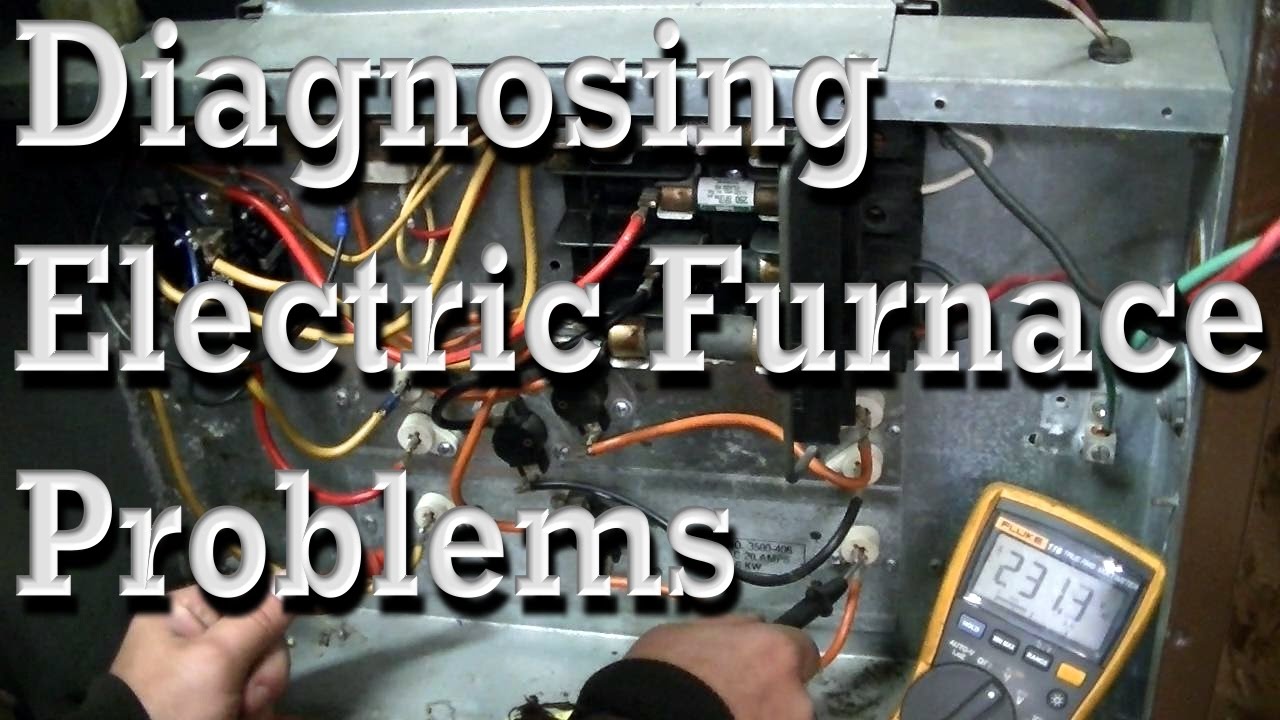
Credit: www.youtube.com

Credit: www.cotesmechanical.com
Frequently Asked Questions
What Are Some Of The Most Common Issues For Electric Furnaces?
Common electric furnace issues include clogged air filters, loose wiring, blown fuses, faulty capacitors, blower motor failure, and transformer problems. Regular maintenance prevents these problems and ensures efficient heating.
Where Is The Reset Button On An Electric Furnace?
The reset button on an electric furnace is inside the blower compartment. Open the access panel near or above the furnace to find it.
What To Check When An Electric Heater Is Not Working?
Check the thermostat is set to heat and temperature is above room level. Ensure the power switch and circuit breaker are ON. Inspect and replace dirty air filters. Confirm the furnace door is securely closed. Look for blown fuses or tripped safety switches.
What Is The Average Lifespan Of An Electric Furnace?
The average lifespan of an electric furnace ranges from 15 to 30 years. Regular maintenance extends its durability.
What Are The Common Problems With Electric Furnaces?
Common issues include clogged filters, loose wires, and faulty fuses. Blower motor or transformer failures also cause heating problems. Regular maintenance can prevent many of these issues.
Conclusion
Electric furnace problems often begin with simple fixes. Check the thermostat settings first. Look for tripped circuit breakers or switches turned off. Clean or replace dirty air filters regularly. Inspect fuses and ensure the furnace door is closed tightly. Listen for strange noises from the blower motor or capacitor.
Small issues can cause no heat or no fan operation. Regular maintenance keeps your furnace running smoothly. Stay calm and follow these steps for safer troubleshooting. If problems persist, seek professional help to avoid damage.