Is your electric heater not warming your space like it used to? If you’re feeling the chill and wondering why your heater isn’t working properly, you’re not alone.
Electric heater issues can be frustrating, especially when you just want to stay warm and comfortable. But don’t worry—most problems can be solved with simple troubleshooting steps you can do yourself. In this guide, you’ll discover easy ways to identify common electric heater problems, how to reset your unit safely, and when it’s time to call a professional.
Keep reading to take control of your heater’s performance and bring warmth back to your home quickly.
Common Electric Heater Issues
Electric heaters are essential for warmth during cold months. They usually work well but can face common issues. Knowing these problems helps in quick fixing. Troubleshooting saves time and avoids costly repairs.
Understanding common electric heater issues makes maintenance easier. Some problems happen more often than others. Let’s explore typical troubles and what causes them.
Heater Not Turning On
One frequent problem is the heater not starting. This can happen due to power supply issues. Check if the heater is plugged in properly. Also, inspect the circuit breaker for any tripped switches. Faulty power cords or blown fuses might stop the heater from turning on. Some heaters have a reset button; pressing it might solve the issue. If none of these work, the thermostat or internal wiring may be faulty.
Heater Shuts Off Unexpectedly
Heaters that turn off by themselves can be frustrating. Overheating is a common cause. Many models have safety switches that shut the unit down if it gets too hot. Dust buildup inside blocks airflow, causing overheating. Another cause is a loose electrical connection. The heater might also shut off if the thermostat is malfunctioning. Regular cleaning and checking connections can help prevent this issue.
Insufficient Heat Output
When a heater runs but does not warm enough, it can feel useless. Dust or dirt on heating elements reduces heat efficiency. Thermostat settings might be too low or incorrect. Poor insulation in the room also affects heat retention. The heater size may not fit the room size. In some cases, the heating element might be worn out and need replacement.
Unusual Noises Or Smells
Strange sounds or smells from a heater are warning signs. Clicking noises can come from the thermostat or relay switches. Buzzing or humming may indicate electrical issues. Burning smells often mean dust burning off or overheating parts. A rotten egg smell suggests a gas leak, which is dangerous and needs immediate attention. Always turn off the heater and unplug it if unusual noises or smells occur.
Credit: thefurnaceoutlet.com
Resetting Electric Heaters
Resetting electric heaters can solve many common heating problems quickly. Most electric heaters have a reset button to protect against overheating or electrical faults. Pressing this button restores normal function and prevents damage. Always ensure safety by turning off the power before resetting any heater.
Resetting Portable Space Heaters
Start by unplugging the heater from the wall outlet. This cuts off power completely. Next, press and hold the power button while plugging the heater back in. Hold the button for several seconds to reset the unit to factory settings. This simple reset often fixes minor glitches and restores heat.
Resetting Central Heating Furnaces
Turn off the furnace breaker in your electrical panel. Open the blower compartment or access panel to find the reset button. It is usually red or yellow and located near the blower motor. Press the button firmly until you feel it click back in. Close the panel and switch the breaker back on. Be careful, as furnace parts may be hot.
Resetting Electric Water Heaters
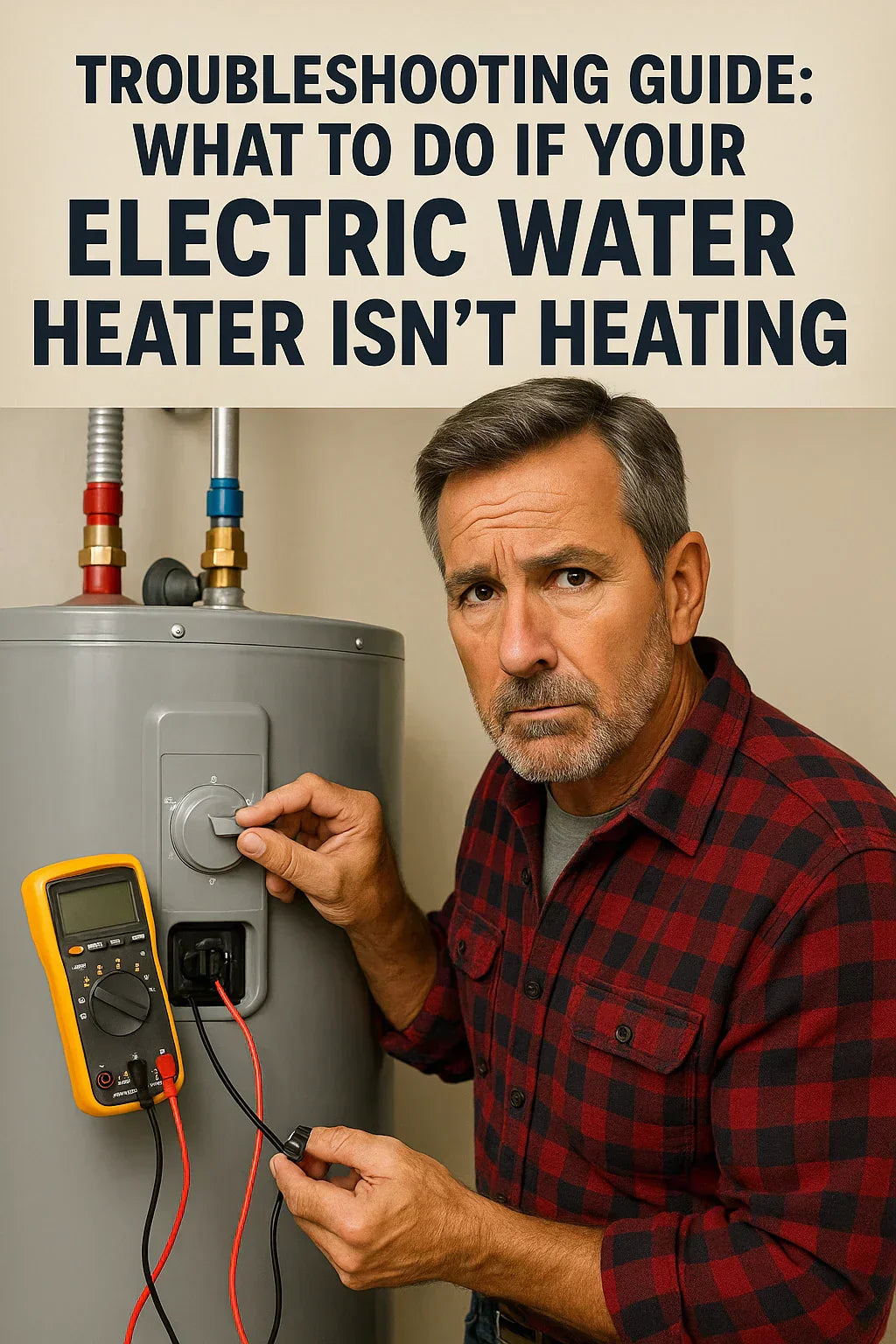
Switch off the circuit breaker dedicated to the water heater. Locate the reset button on the heater’s thermostat panel. This button is often red and recessed to prevent accidental pressing. Press the reset button firmly once. Turn the circuit breaker back on and allow the heater to restart. This step can help restore heating if the water is not warming up.
Step-by-step Reset Procedures
Resetting an electric heater often resolves simple issues quickly. Following clear steps ensures safety and effectiveness. The reset process differs by heater type but usually involves cutting power, pressing a reset button, and restoring power.
This section guides you through the step-by-step reset procedures. Each step helps you handle the task safely and correctly.
Cutting Power Safely
Always turn off the heater before starting any reset. Locate your home’s electrical panel. Find the breaker switch for the heater. Flip the breaker to the OFF position. Double-check by trying to turn the heater on. No power means it is safe to continue.
Locating The Reset Button
Open the heater’s access panel carefully. Look near the motor or thermostat. The reset button is usually red or yellow. It may be small and round. Some models hide it under a cover. Check the user manual if unsure.
Performing The Reset
Press the reset button firmly. You might hear a click. Hold the button for a few seconds. Release it gently. If the button was popped out, it should now be pressed in. Avoid touching any hot parts inside.
Restoring Power
Close the access panel securely. Return to the electrical panel. Flip the breaker switch back to ON. Test the heater by turning it on. The heater should work normally now. If problems continue, consider professional help.

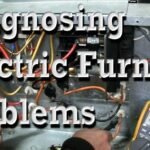
Credit: www.youtube.com
Safety Tips During Troubleshooting
Troubleshooting an electric heater requires care and attention to safety. Following proper safety tips helps prevent injuries and damage during the process. Always prioritize safety to ensure a smooth and risk-free repair experience.
Understanding and applying these safety tips can protect you from electrical hazards and burns.
Power Off Precautions
Always turn off the heater at the power source before starting any work. Unplug the heater or switch off the circuit breaker. Verify the power is off by trying to turn on the heater. Never touch electrical parts with wet hands or while standing on a wet surface. Use insulated tools to avoid electric shocks.
Handling Hot Components
Heaters have parts that can stay hot long after being turned off. Avoid touching heating elements and metal surfaces immediately after use. Allow time for the heater to cool down before handling or opening it. Use heat-resistant gloves if you must touch warm parts. Be cautious around fan motors and other moving parts that may cause injury.
When To Avoid Diy Repairs
Do not attempt repairs if you are unsure about electrical systems. Complex issues like wiring faults or internal component failures need professional help. Avoid opening sealed parts or tampering with safety switches. If the heater frequently trips breakers or smells burnt, call a certified technician. Safety always comes first to prevent accidents and further damage.
When To Call A Professional
Knowing when to call a professional for electric heater troubleshooting is crucial. Some issues require expert attention to avoid damage or hazards. Attempting repairs beyond your skill can worsen problems or cause injury. Watch for warning signs that indicate the need for a technician. Safety and proper function depend on timely professional help.
Repeated Reset Button Trips
If the reset button on your electric heater trips often, it signals a problem. Frequent trips suggest electrical faults or overheating. Simple resets won’t fix underlying issues. Continuous reset button trips can damage the heater or wiring. A professional can diagnose and repair the root cause safely.
Persistent Heating Problems
Heaters that fail to heat properly need expert inspection. Inconsistent or weak heat output might mean damaged elements or controls. DIY fixes rarely solve persistent heating issues. Prolonged heating problems can increase energy bills and discomfort. Professionals have tools to test and fix heating components correctly.
Electrical Concerns
Any signs of electrical trouble require immediate professional help. Flickering lights, sparks, burning smells, or tripped breakers are serious. Electrical faults risk fire or shock hazards. Avoid touching or attempting repairs on electrical parts. Licensed technicians ensure safe and code-compliant repairs for your heater.
Preventive Maintenance Tips
Preventive maintenance keeps your electric heater working well longer. Small steps stop big problems before they start. Regular care ensures safety and saves money on repairs. Follow these simple tips to maintain your heater effectively.
Regular Cleaning
Dust and dirt reduce heater efficiency. Clean the heater surface and vents often. Use a soft brush or cloth for dust removal. Avoid water or harsh chemicals that can damage parts. Clean filters if your heater has them. Keeping the heater clean improves airflow and heat output.
Inspecting Electrical Connections
Loose connections cause heater failure or hazards. Check wires and plugs regularly for wear or damage. Turn off power before inspecting electrical parts. Tighten loose screws and replace damaged cords. Proper connections prevent shorts and overheating. This step helps avoid electric shocks and fire risks.
Proper Usage Practices
Use the heater as instructed by the manufacturer. Avoid covering the heater or blocking air vents. Do not run the heater continuously for long hours. Place the heater on a flat, stable surface away from water. Turn off the heater when not in use. Safe use extends the heater’s life and keeps your home secure.

Credit: benjaminfranklinplumbingfortworth.com
Frequently Asked Questions
How To Reset An Electric Heater?
Turn off power at the breaker. Locate and press the red or yellow reset button near the motor or thermostat. Restore power. For digital heaters, unplug, hold the power button, then plug back in. Call a professional if it trips repeatedly or won’t reset.
What Are Some Of The Most Common Issues For Electric Furnaces?
Common electric furnace issues include faulty heating elements, blown fuses, tripped breakers, thermostat problems, and blower motor failures. Regular maintenance prevents many problems.
Why Did My Electric Heater Suddenly Stop Working?
Your electric heater may stop working due to a tripped circuit breaker, blown fuse, or a triggered reset button. Check power supply and reset the heater. Faulty wiring or thermostat issues can also cause failure. Call a technician if problems persist after resetting.
How To Tell If An Electric Heater Is Bad?
Check for no heat output, unusual noises, tripped breakers, or burning smells. Test the thermostat and wiring for faults. If issues persist, the electric heater may be bad and require professional repair or replacement.
How Do I Reset An Electric Heater Safely?
First, turn off power at the breaker to avoid shock. Press the reset button near the motor or thermostat. Restore power only after pressing the button.
Conclusion
Electric heater problems can be fixed with simple steps. Always start by cutting power for safety. Check the reset button and press it carefully. Keep the heater clean and check connections often. If issues persist, call a professional for help.
Regular care helps your heater work well longer. Stay warm and safe this winter!