Is your electric hot water heater acting up and leaving you with cold showers? You’re not alone—and the good news is that many common issues can be fixed without calling a pro right away.
Whether your water isn’t heating properly, you’re hearing strange noises, or your energy bills have suddenly spiked, understanding how to troubleshoot your electric hot water heater can save you time, money, and frustration. In this guide, you’ll discover simple, step-by-step solutions to diagnose and fix your water heater problems quickly and safely.
Keep reading to regain hot water comfort and avoid costly repairs!
Credit: temperville.com.br
Common Electric Water Heater Issues
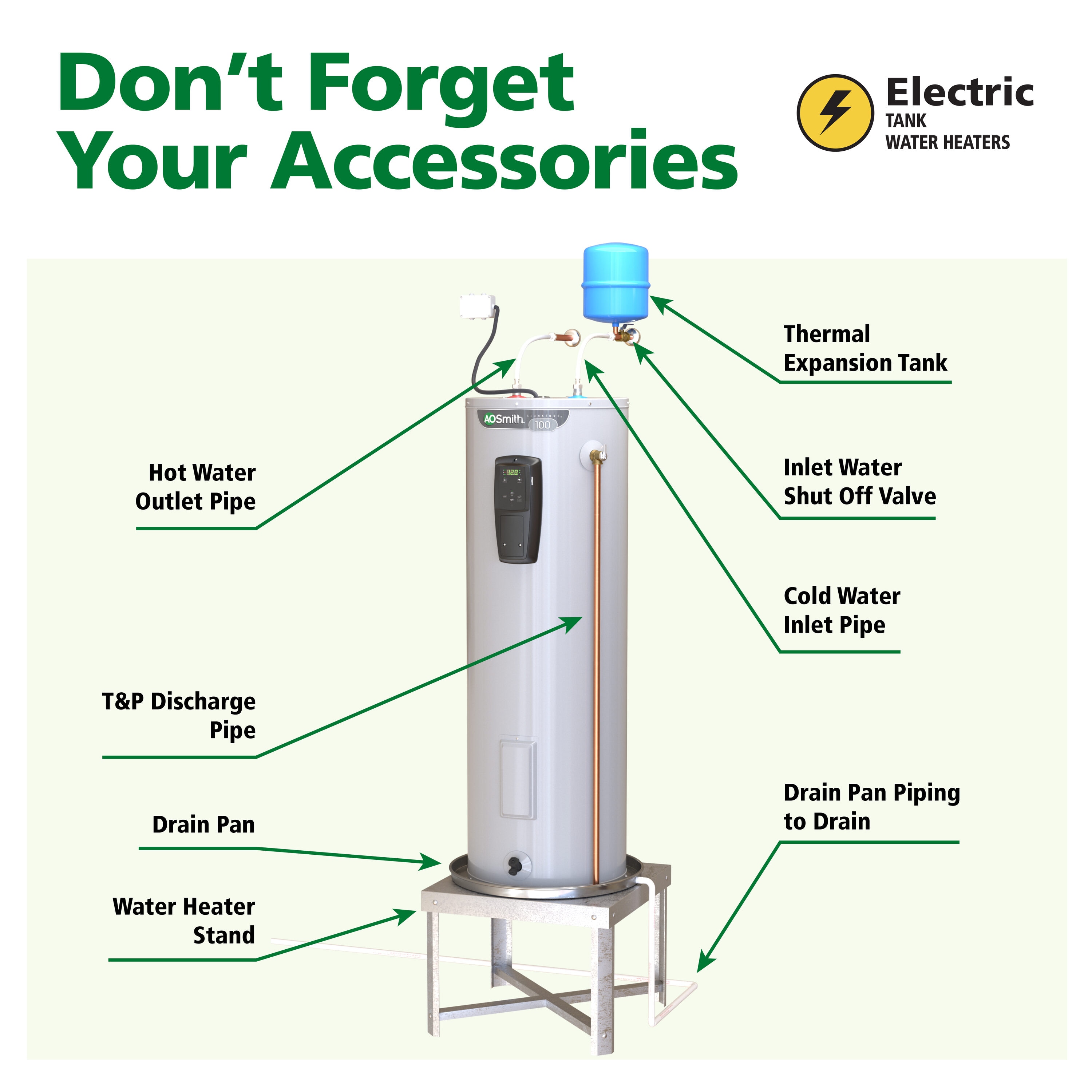
Electric water heaters are common in many homes. They provide hot water for daily needs like bathing, cooking, and cleaning. Despite their reliability, electric water heaters may face some common problems. Understanding these issues helps with quick troubleshooting and repair. Here are some frequent problems you might encounter.
No Hot Water
No hot water is a frequent complaint. It can happen if the power supply is off or a circuit breaker has tripped. Sometimes, the heating elements inside the tank fail. A broken thermostat can also stop the heater from warming water. Check the power first, then inspect the heating parts.
Insufficient Hot Water
Getting only a small amount of hot water may mean the heating elements are weak or partially broken. Sediment build-up inside the tank can lower heating efficiency. A thermostat set too low can also cause this issue. Adjusting the thermostat or flushing the tank might fix the problem.
Water Leaks
Leaks under or around the water heater signal trouble. Pipes or fittings may be loose or damaged. The tank itself can develop cracks from rust or corrosion. Small leaks need fast attention to prevent water damage and bigger repairs later.
Unusual Noises
Banging, popping, or rumbling sounds often come from sediment build-up at the tank bottom. When water heats, sediment hardens and causes noise. Flushing the tank regularly removes sediment and keeps the heater quiet. Strange sounds can warn of future breakdowns.
Discolored Or Smelly Water
Rusty or brown water usually means corrosion inside the tank or pipes. A rotten egg smell comes from bacteria growth in the tank. Flushing the tank and replacing the anode rod can improve water quality. Smelly water needs quick action for safety.
High Energy Bills
Higher energy bills may result from an old or inefficient water heater. Sediment build-up forces the heater to work harder. A thermostat set too high wastes energy. Regular maintenance and correct settings help save money and power.
Credit: www.spec-school.org
Power Supply And Wiring Checks
Checking the power supply and wiring is the first step in troubleshooting an electric hot water heater. Problems in these areas often cause the heater to stop working. A safe and thorough inspection can reveal simple fixes. Start by making sure the unit has power. Then, check the wiring for any signs of damage or loose connections. These steps help avoid costly repairs and keep your heater running efficiently.
Circuit Breaker Inspection
Locate the circuit breaker panel in your home. Find the breaker labeled for the water heater. Check if it has tripped or switched off. If it has, reset it by flipping it fully to the off position, then back on. A tripped breaker can cut power and stop the heater. If the breaker trips again quickly, it may signal a deeper electrical problem needing a professional.
Reset Button Location And Use
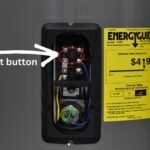
The reset button is usually red and found behind the top access panel. Remove the panel and insulation carefully. Press the button firmly until you hear a click. This action resets the heater’s safety control. After pressing, restore power at the breaker. Wait a few minutes for the water to heat. If the button trips again, avoid pressing it repeatedly. Instead, call a qualified technician.
Testing Electrical Connections
Turn off power at the circuit breaker before testing connections. Use a voltage tester or multimeter to check wires. Look for loose, frayed, or burnt wires. Tighten any loose connections with a screwdriver. Damaged wiring may need replacement by an electrician. Proper electrical connections ensure safe and efficient heater operation. Always prioritize safety when handling electrical parts.
Heating Element Problems
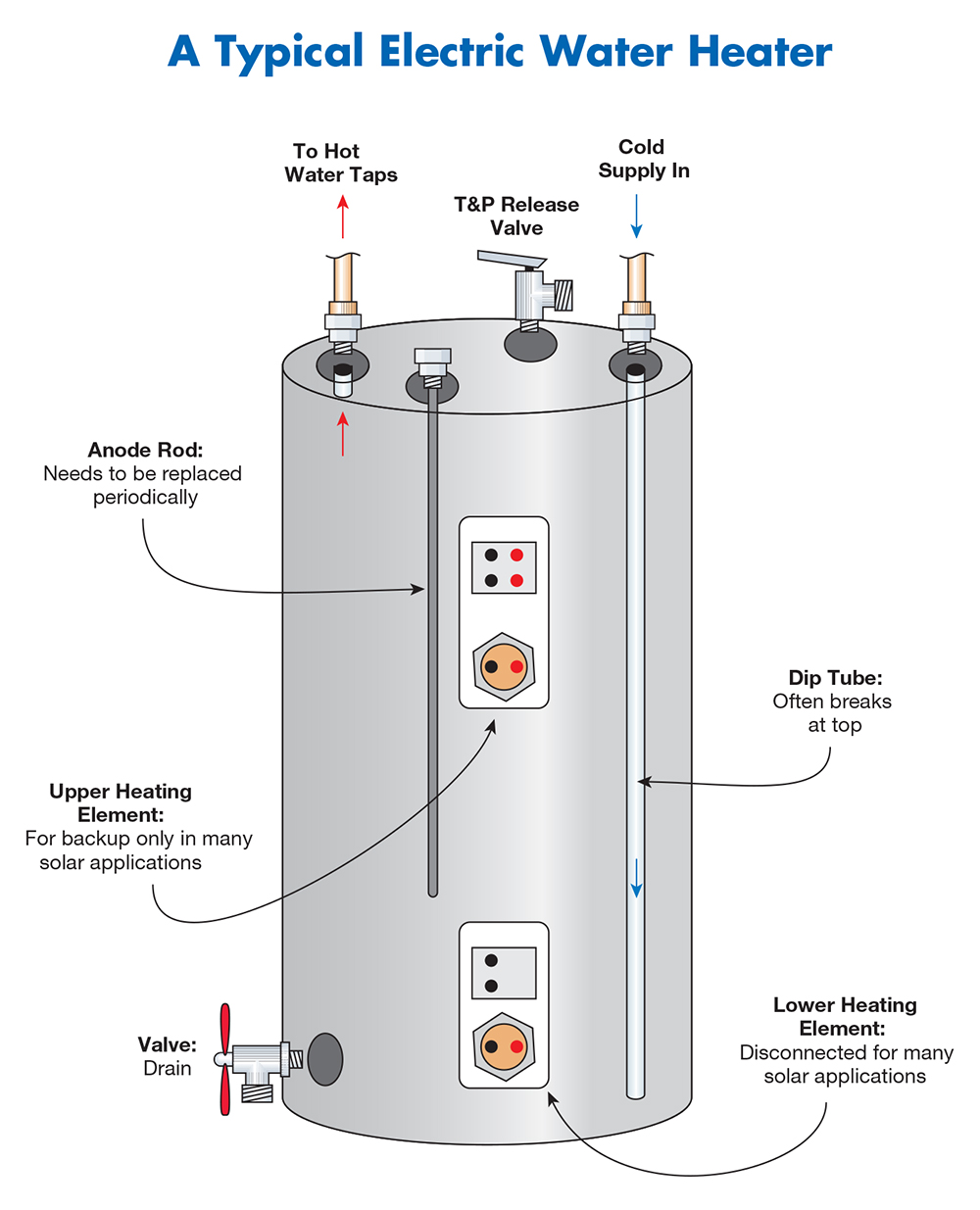
Heating elements are key parts of an electric hot water heater. They warm the water inside the tank by converting electricity into heat. Problems with these elements often cause the water heater to stop working properly. Knowing how to spot and fix heating element issues can save time and money.
Heating element problems usually show clear signs. Testing the elements helps confirm if they are faulty. Replacing a broken element is often the best solution to restore hot water quickly.
Signs Of A Faulty Element
Cold water or lukewarm water from taps is a common sign. The water heater may take longer than usual to heat water. Sometimes, the water heater trips the circuit breaker. Strange noises, like popping or buzzing, can also appear. These signs suggest a heating element might be damaged or burned out.
How To Test Heating Elements
Turn off the power to the water heater first. Remove the access panel and insulation to reach the element. Use a multimeter set to the resistance mode. Touch the probes to the element terminals. A reading near zero means the element is good. Infinite reading shows the element is broken and needs replacement.
Replacing Heating Elements
Start by turning off the power and draining the tank below the element level. Remove the screws or bolts holding the old element. Carefully pull out the faulty heating element. Insert the new element and tighten it securely. Refill the tank and restore power to test the new element. Always follow safety steps during replacement to avoid injury.
Thermostat Troubleshooting
The thermostat is a key component of your electric hot water heater. It controls the water temperature by switching the heating elements on and off. When your water is too cold or too hot, the thermostat might be the problem. Troubleshooting it helps you save time and money on repairs. Below are simple steps to identify, test, and replace a faulty thermostat.
Identifying A Broken Thermostat
Signs of a broken thermostat include inconsistent water temperature. You may get hot water sometimes and cold water at other times. Another sign is water that is never hot enough, even after waiting. A faulty thermostat can cause one heating element to stop working. Check for a burning smell or burnt marks near the thermostat panel. These clues point to a broken thermostat needing attention.
Testing Thermostat Functionality
First, turn off the power to your water heater at the circuit breaker. Remove the access panel and insulation covering the thermostat. Use a multimeter set to test continuity. Touch the probes to the thermostat terminals. A good thermostat shows continuity when set to a high temperature. No continuity means the thermostat is faulty. Repeat the test for both upper and lower thermostats if your heater has two. Always follow safety rules to avoid electric shock.
Thermostat Replacement Steps
Begin by turning off the power at the circuit breaker. Remove the access panel and insulation carefully. Unscrew the wires from the old thermostat and note their positions. Remove the thermostat from its mounting bracket. Install the new thermostat by securing it in place. Reattach the wires exactly as before. Replace the insulation and access panel. Turn the power back on and test your water heater. The water should heat correctly if the thermostat replacement is successful.
Sediment Buildup Effects
Sediment buildup in an electric hot water heater occurs when minerals in water settle at the tank’s bottom. Over time, this layer thickens and affects the heater’s performance. Sediment causes uneven heating and can lead to costly repairs. It reduces the tank’s capacity and may cause strange noises. Understanding sediment buildup effects helps keep your water heater running smoothly.
Impact On Heating Efficiency
Sediment acts as an insulator between the heating element and water. This means the heater uses more energy to warm the water. Hot water may take longer to reach the desired temperature. The heater cycles more often, increasing electricity bills. Sediment buildup also strains the heating element, causing it to fail early.
Flushing The Tank
Flushing removes sediment from the tank and restores efficiency. To flush, turn off the power and water supply. Attach a hose to the drain valve and drain the tank completely. Open the cold water supply to stir up and flush out remaining sediment. Repeat until water runs clear. Flushing every six months keeps sediment under control.
Preventing Sediment Accumulation
Use a water softener if your water is hard. Hard water has more minerals that form sediment. Regularly flush the tank as part of maintenance. Avoid setting the temperature too high; this reduces sediment hardening. Inspect the anode rod yearly and replace it if worn. These steps extend your heater’s life and keep it efficient.

Credit: www.reddit.com
Quick Fixes For Common Problems
Electric hot water heaters sometimes stop working due to simple issues. Quick fixes can save time and money. These easy steps help solve common problems fast. You do not need special tools or skills for many repairs.
Try these quick fixes before calling a professional. They often restore hot water in minutes. Always follow safety steps to avoid injury or damage.
Resetting The Water Heater
Start by turning off the circuit breaker for safety. Find the red reset button behind the top access panel. Press the button firmly until you hear a click. Turn the breaker back on and wait for the water to heat. If the reset trips again, the heater needs professional service.
Tightening Loose Connections
Loose electrical or plumbing connections cause heating problems. Turn off power and water supply first. Use a screwdriver or wrench to tighten screws and bolts. Check wires for damage or corrosion. Tight connections improve heater performance and safety.
Temporary Leak Repairs
Small leaks can cause water damage and reduce heater efficiency. Turn off the water supply immediately. Use plumber’s tape or epoxy putty to seal minor leaks. Wrap the tape tightly around the leaking pipe or joint. Plan for a permanent repair soon to avoid bigger issues.
When To Call A Professional
Knowing when to call a professional for electric hot water heater issues is important. Some problems are simple and can be fixed easily. Others need expert help to keep you safe and avoid bigger damage.
Ignoring serious signs can lead to costly repairs or hazards. Watch for clear signals that your water heater needs a professional’s attention.
Persistent Reset Button Trips
The reset button trips to protect your heater from damage. Pressing it once or twice is normal. But if it keeps tripping, this means a serious issue. It could be a faulty thermostat or heating element. Frequent trips can cause electrical damage. A professional can diagnose and fix the root cause safely.
Continuous Lack Of Hot Water
No hot water after several attempts to reset the heater is a strong warning. The problem might be a broken heating element or thermostat. Sometimes, wiring issues cause this too. Trying to fix electrical parts without skill is risky. Call a professional to check and repair the heater properly.
Visible Water Damage
Water leaks or stains near the heater need immediate attention. Leaks can cause rust or damage to the unit and surrounding areas. Water near electrical parts is dangerous. A professional plumber can find the leak source and fix it. Early repair prevents bigger problems and saves money.
Electrical Hazards
Signs like burning smells, sparks, or tripped breakers indicate electrical hazards. These conditions are very dangerous and need urgent care. Never touch the heater or wiring in this state. Call a licensed electrician or plumber to inspect and repair safely. Protect your home and family from harm.
Frequently Asked Questions
What Could Be Wrong With My Electric Hot Water Heater?
Common issues include power supply problems, broken heating elements, faulty thermostats, or wiring breaks causing no or insufficient hot water.
How To Reset An Electric Hot Water Heater?
Turn off the circuit breaker for safety. Remove the upper panel and insulation. Press the red reset button firmly until it clicks. Replace the panel, turn the breaker back on, and wait for the water to heat. Call a professional if it trips again or no hot water appears.
What Are Common Indicators Of A Failing Electric Water Heater?
Common indicators of a failing electric water heater include no hot water, inconsistent temperatures, strange noises, water leaks, and a tripped reset button.
What Is Usually The Most Common Water Heater Problem?
The most common water heater problem is a faulty heating element or thermostat causing no hot water or inconsistent heating.
What Are Common Signs Of Electric Hot Water Heater Failure?
Electric heaters may stop producing hot water or have fluctuating water temperatures. Strange noises or leaks also indicate problems. Early detection helps avoid costly repairs.
Conclusion
Electric hot water heater issues often have simple fixes you can try first. Checking power supply, resetting the unit, or inspecting the thermostat helps. Always turn off power before starting any work for safety. If problems continue, a professional plumber can diagnose complex faults.
Regular maintenance keeps your heater running smoothly and prevents breakdowns. Understanding basic troubleshooting saves time and money. Stay patient and follow steps carefully for best results. Hot water comfort is worth the effort.