Is your electric motor acting up and leaving you frustrated? Whether it won’t start, hums without turning, or overheats unexpectedly, these problems can halt your work and cost you time and money.
But don’t worry—you don’t have to be an expert to spot what’s wrong and fix it. Understanding the common causes behind electric motor troubles like overheating, winding failures, or power issues can empower you to troubleshoot confidently and get your motor running smoothly again.
In this guide, you’ll discover simple, step-by-step solutions to diagnose and solve the most frequent electric motor problems. Keep reading to save time, avoid costly repairs, and keep your motor—and your projects—moving forward.
Common Electric Motor Problems
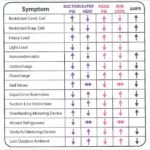
Electric motors face several common problems that reduce performance and lifespan. Knowing these issues helps in quick troubleshooting and repair. Most problems relate to heat, electrical faults, or poor power supply. Simple causes like overload or dirt can lead to serious motor damage. This section explains the main problems you may find.
Overheating Causes And Effects
Overheating happens when a motor runs too hot for too long. Common causes include overload, poor cooling, or high surrounding temperatures. Internal faults can also raise heat inside the motor. Excess heat damages the winding insulation quickly. This damage lowers motor efficiency and shortens its lifespan. Overheating can lead to complete motor failure if unchecked.
Winding Failures And Shorts
Winding failures occur when motor insulation breaks down. Heat, moisture, dirt, and voltage spikes cause this breakdown. Once insulation fails, electrical shorts or ground faults can happen. These faults create unwanted current paths inside the motor. They often cause circuit breakers to trip and stop the motor. Winding shorts are a major cause of sudden motor stops and expensive repairs.
Power Quality Issues
Power quality problems affect motor performance and life. Voltage sags, surges, or imbalances stress motor windings and bearings. Motors draw more current under poor power conditions, causing extra heat. Harmonics and unstable supply also reduce motor efficiency. These issues can cause premature motor wear and failure. Maintaining clean, steady power helps prevent these problems.
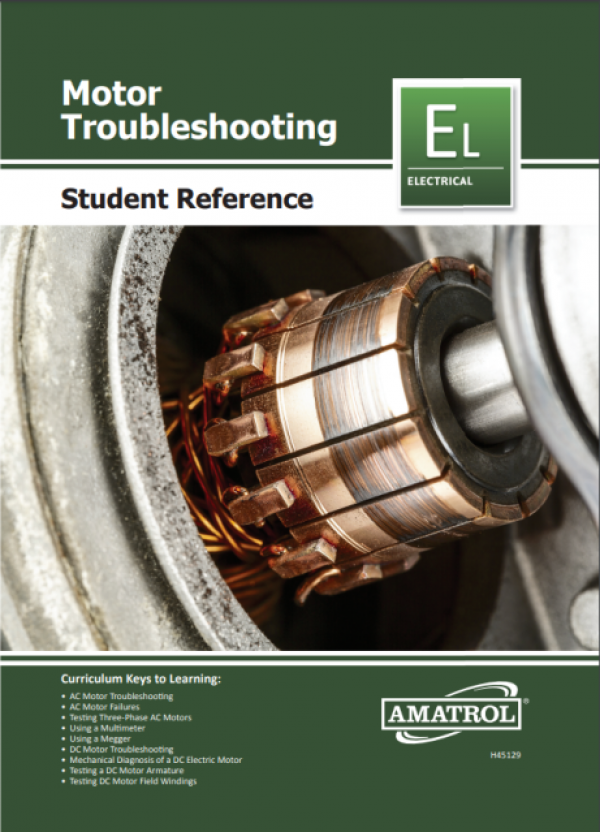
Credit: amatrol.com
Mechanical And Environmental Factors
Mechanical and environmental factors play a key role in electric motor performance. These factors often cause motor faults that are hard to detect. Mechanical wear and harsh environments can stress motor parts. Identifying these issues early helps avoid costly repairs and downtime.
Bearing Failures And Misalignment
Bearing failure is a common mechanical problem in electric motors. Bearings support the rotor and allow smooth rotation. Over time, bearings wear out due to friction and heat. This wear causes noise, vibration, and increased motor load.
Misalignment happens when the motor shaft is not properly aligned with the driven equipment. This causes uneven bearing load and extra stress on the motor. Misalignment leads to early bearing failure and motor vibration. Regular inspection and alignment checks help prevent these issues.
Contamination Impact
Dirt, dust, and moisture can enter the motor housing. Contamination damages insulation and metal parts inside the motor. Moisture causes rust and electrical shorts in the windings. Dust and dirt block cooling paths, raising motor temperature.
Keeping the motor clean and dry extends its life. Using seals and filters reduces contamination risk. Regular cleaning and maintenance prevent buildup that harms motor function.
Initial Checks For Motor Startup Failures
Electric motors sometimes fail to start due to simple issues. Checking basic conditions first saves time and effort. These initial checks help identify common causes of startup failures. They ensure the motor and its environment are ready for operation.
Load Disconnection And Free Movement
Always check if the load is disconnected from the motor shaft. A locked or jammed load stops the motor from turning. Ensure the motor shaft moves freely by hand. Any resistance or binding means the load or coupling might be stuck. Fixing this prevents motor damage and power loss during startup.
Connection And Wiring Verification
Inspect all electrical connections for tightness and correct placement. Loose wires cause poor contact and startup failure. Verify the wiring matches the motor’s diagram and power source. Look for signs of damage like frayed insulation or burnt terminals. Proper connection ensures the motor receives full voltage and correct phase sequence.

Credit: www.911metallurgist.com
Troubleshooting Humming Motors
Humming motors signal that something inside the electric motor is off. The humming noise often means the motor tries to start but fails. This problem needs quick attention to avoid damage. Troubleshooting humming motors involves checking certain key parts. Each part plays a role in the motor’s smooth operation. Understanding these parts helps find the root cause fast.
Capacitor Problems
Capacitors help start single-phase motors by giving an extra push. A weak or failed capacitor causes humming. The motor gets stuck trying to start but cannot. Test the capacitor with a multimeter for proper capacitance. Replace it if readings are low or open. A bad capacitor also causes the motor to overheat. Fixing it restores normal motor start and stops humming.
Centrifugal Switch And Rotor Issues
The centrifugal switch disconnects the start winding once the motor runs. If it sticks or breaks, the motor hums and won’t start. Check the switch for dirt or damage. Clean or replace it as needed. Rotor problems like broken bars or shorts cause uneven magnetic fields. This leads to humming and poor motor performance. Inspect the rotor closely and repair or replace if faulty.
Voltage Supply Concerns
Proper voltage is crucial for motor operation. Low voltage causes the motor to hum and fail to start. Use a voltmeter to check the supply voltage. Voltage drops can happen from loose connections or faulty wiring. Correct all wiring issues and ensure the motor gets full rated voltage. Stable voltage supply stops humming and protects the motor from damage.
Testing And Diagnosing Techniques
Testing and diagnosing electric motors are essential for ensuring smooth operation. Proper techniques help identify faults early. This saves time and costly repairs. This section explains key testing methods used by technicians. Each method targets specific motor issues. Understanding these techniques improves troubleshooting accuracy.
Ground Fault Testing
Ground fault testing checks if current leaks to the motor frame. Such leaks cause damage and safety risks. A megohmmeter or insulation resistance tester is used. Connect the tester between motor windings and ground. A low resistance reading signals a ground fault. This test finds insulation breakdown or moisture inside the motor. Regular ground fault testing prevents unexpected failures.
Using A Pen Tester
A pen tester detects live electrical voltage without contact. It helps check if the motor is powered before servicing. Hold the pen tester near motor cables or terminals. If it lights up or beeps, voltage is present. This simple test avoids accidental shocks or damage. It is a quick safety check before further diagnostics.
Three-phase Motor Configuration Checks
Three-phase motors have specific wiring patterns. Incorrect connections cause poor performance or failure. Use a multimeter to verify phase continuity and sequence. Check that all three phases have equal resistance. Confirm the motor’s wiring matches the manufacturer’s diagram. Proper phase sequence ensures correct rotation direction. This test avoids motor overheating or damage.

Credit: www.youtube.com
Quick Fixes For Common Issues
Quick fixes often solve common electric motor issues fast. Many problems happen due to poor cooling, faulty parts, or power supply troubles. These fixes help avoid long downtimes and costly repairs. Simple steps can restore motor function and extend life.
Cooling Improvements
Overheating is a top cause of motor failure. Check the cooling system regularly. Clean dirt and dust from vents and fans. Replace damaged or worn fan blades. Ensure the motor has enough airflow around it. Add external fans or cooling devices if needed. Lowering temperature prevents insulation damage and winding failure.
Replacing Faulty Components
Faulty parts often cause motor troubles. Inspect brushes, bearings, and seals for wear. Replace any worn or broken components quickly. Faulty brushes can cause sparking and poor contact. Bad bearings create noise and vibration. Using quality parts keeps the motor running smoothly and safely.
Correcting Power Supply Problems
Power issues cause many electric motor problems. Check for voltage drops, surges, or phase imbalances. Use a multimeter to measure voltage and current. Fix loose or corroded connections. Add surge protectors or voltage stabilizers. Correct power supply ensures the motor runs efficiently without overheating or tripping.
Frequently Asked Questions
What Are The Three Most Common Electrical Problems In An Electric Motor?
The three most common electrical problems in electric motors are overheating from overload, winding failures due to insulation breakdown, and power quality issues like voltage imbalances. These problems cause excessive current, heat, and motor damage, reducing efficiency and lifespan. Regular checks prevent costly failures.
What Should You Check First If An Electric Motor Fails To Start?
First, check the power supply and electrical connections for proper voltage and secure wiring. Then, ensure the motor and load rotate freely.
Why Is My Electric Motor Not Starting?
Check the power supply and wiring connections first. Look for blown fuses, tripped breakers, or loose wires. Inspect the motor for overload or mechanical blockage. Verify the start capacitor and control components work properly. Ensure the motor shaft turns freely without obstructions.
Why Is My Electric Motor Humming But Not Turning?
Your electric motor hums but doesn’t turn due to a locked rotor, faulty start capacitor, or electrical wiring issues. Check for mechanical jams, capacitor failure, or power supply problems.
What Are The Common Causes Of Electric Motor Overheating?
Electric motor overheating often happens due to overload or poor cooling. High ambient temperatures and internal faults also raise motor heat. Overheating damages winding insulation and shortens motor life.
Conclusion
Electric motor troubleshooting helps keep machines running smoothly. Start by checking common issues like overheating, winding failures, and power problems. Clean the motor regularly to avoid dust and moisture damage. Inspect bearings and alignment to prevent mechanical stress. Early detection saves time and money.
Follow simple steps to identify and fix faults quickly. Staying attentive ensures your electric motor lasts longer and works better. Troubleshooting need not be complicated or costly. A little care goes a long way in motor maintenance.