Is your electric stove acting up right when you need it most? Maybe a burner won’t heat, or the controls feel unresponsive.
These problems can quickly disrupt your cooking routine and leave you frustrated. But don’t worry—you don’t have to call a technician just yet. By understanding the common issues behind electric stove troubles, you can often spot the cause and fix it yourself.
In this guide, you’ll learn how to troubleshoot everything from burners that won’t heat to control panel glitches, using simple steps that anyone can follow. Keep reading to regain control over your stove and bring your kitchen back to life!
Burner Heating Problems
Burner heating problems are common issues in electric stoves. These problems affect cooking performance and safety. Understanding the causes helps in quick troubleshooting and repair.
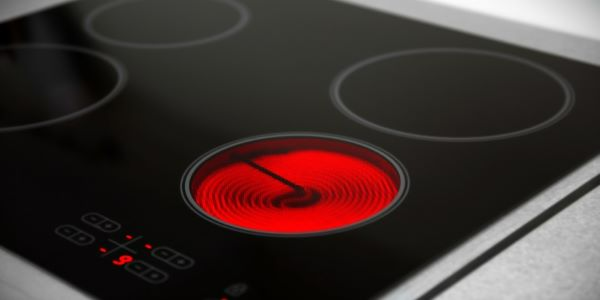
Burner heating issues can show as no heat, uneven heat, or too much heat. Each symptom points to different parts of the stove. Checking these can save time and cost.
Burner Won’t Heat
A burner that does not heat at all is usually caused by a broken heating element. The element might be burnt out or disconnected. Loose wiring or a faulty infinite switch can also stop the burner from heating.
Test the heating element with a multimeter for continuity. Replace the element if it shows no continuity. Check the switch and wiring for damage or loose connections.
Uneven Heating
Uneven heating means the burner gets hot in some spots but not others. A damaged or warped heating element often causes this. Dirt or food residue under the burner can also block heat.
Clean the burner surface and check the element for visible damage. Replace the element if it is bent or broken. Ensure the burner sits properly on the stove socket.
Burner Overheating
When a burner gets too hot, it may burn food or cause safety risks. A faulty infinite switch can cause overheating by not regulating power correctly. Wiring issues may also cause excess heat.
Inspect the infinite switch for signs of wear or damage. Replace the switch if it fails to control the heat. Check wiring for burns or loose connections and repair as needed.
Credit: www.mrappliance.com
Control Issues
Control issues are a common problem with electric stoves. They affect how you operate the stove and can stop the burners from working properly. These issues often come from knobs, control panels, or internal switches that fail or behave oddly.
Fixing control problems can sometimes be simple. Other times, it needs a closer look at the stove’s wiring or parts. Knowing the signs helps you decide what to do next and keeps your stove safe to use.
Loose Or Unresponsive Knobs
Knobs that feel loose or do not turn smoothly can stop the burner from heating. Dirt or grease can build up behind knobs, causing them to stick. Sometimes the knob’s plastic wears out or breaks. This stops the knob from turning the switch beneath it.
Try cleaning around the knobs with a soft cloth. If the knob is broken, replace it with the right part. Loose knobs may also mean the switch inside is damaged and needs repair.
Control Panel Malfunctions
The control panel is the stove’s command center. If it does not respond to touch or button presses, the stove might not work correctly. Liquid spills or steam can damage the panel’s electronics. Internal wiring can also become loose or short-circuit.
Resetting the stove by unplugging it for a few minutes sometimes helps. If the panel remains unresponsive, you may need a professional to check or replace it. Avoid using the stove if the control panel fails, as it may cause safety risks.
Clicking And Popping Sounds
Clicking or popping noises from the stove can signal control issues. These sounds often come from the switches trying to turn the burners on or off. Moisture or food crumbs can cause the switches to short or stick.
Check for spills and clean the stove top gently. If the noises continue, the switch or control board may be faulty. Replacing these parts can stop the sounds and restore normal function.
Power Supply Troubles
Power supply troubles are a common cause of electric stove problems. Without proper power, the stove will not function correctly. Troubleshooting these issues can help restore your stove’s performance quickly and safely.
No Power To Stove
Check if the stove is completely dead. No lights, no sounds. This usually means no power is reaching the stove. Confirm the stove is plugged in securely. Sometimes the plug can come loose or fall out. Also, inspect the power outlet for damage or signs of wear. A faulty outlet will not supply power.
Tripped Breakers And Fuses
Electric stoves use a lot of power and may trip breakers. Visit your home’s electrical panel. Look for any breaker switches in the “off” position. Reset any tripped breakers by switching them off and on again. Some homes use fuses instead of breakers. Replace any blown fuses with new ones of the same rating to restore power.
Checking Power Cords And Outlets
Examine the stove’s power cord for cuts, frays, or burns. A damaged cord can stop power flow and be dangerous. Do not use a stove with a faulty cord. Test the outlet by plugging in another device, like a lamp. If the device does not work, the outlet may be faulty and need repair. Always ensure the power supply components are in good condition before using the stove.
Electrical Component Faults
Electrical component faults are a frequent cause of electric stove problems. These faults can stop your stove from heating properly or cause unsafe conditions. Understanding common electrical issues helps in quick troubleshooting and repairs. This section covers key electrical faults you might encounter.
Burned-out Heating Elements
Heating elements are the parts that get hot on your stove. Over time, they can burn out from constant use. A burned-out element will not heat or may heat unevenly. Signs include no heat, flickering heat, or visible damage like breaks or dark spots. Replacing a damaged element usually restores proper heating.
Faulty Infinite Switches
The infinite switch controls the power to each burner. It adjusts the heat level when you turn the knob. A faulty switch can cause burners to stay on high, not turn on, or cycle on and off. Symptoms include burners that overheat or fail to heat. Replacing the infinite switch often fixes these issues.
Wiring Problems And Short Circuits
Wiring connects all electrical parts inside the stove. Loose or damaged wires cause intermittent heat or no power. Short circuits can trip breakers or cause sparks. Signs include burners cutting out or strange smells. Wiring problems can be dangerous and need careful inspection. A qualified technician should handle repairs to avoid hazards.
Resetting The Stove
Resetting the electric stove can solve many common issues quickly. It clears minor glitches and restores normal operation. This process often fixes unresponsive controls and heating problems.
Resetting the stove involves cutting power and restarting key components. It acts like a soft reboot, refreshing the system. Below are two simple ways to reset your electric stove safely.
Power Cycling The Oven
Power cycling means turning off the oven completely. Unplug the stove or switch off the circuit breaker. Wait for about one minute to let all power drain.
After waiting, plug the stove back in or turn the breaker on. This resets the electrical system inside the oven. Many times, power cycling clears error codes and fixes control panel issues.
Do not forget to check if the stove responds normally after power cycling. If problems continue, try resetting the control panel next.
Resetting The Control Panel
The control panel manages all stove functions. Sometimes it stops working due to a software glitch or moisture inside. Resetting the panel restores its normal state.
Locate the control panel’s reset button if available. Press and hold it for a few seconds. If there is no button, unplug the stove to cut power for a minute.
After resetting, test the panel by pressing different buttons. The display should light up and respond properly. This step often fixes unresponsive or frozen controls.

Credit: atoz1.com
Other Common Issues
Electric stoves can face several common problems beyond heating issues. These problems often affect the stove’s basic functions. Understanding these helps you fix them faster. Below are other common issues and simple troubleshooting tips.
Stove Not Turning On
Check the power source first. A tripped circuit breaker or blown fuse may cut power. Confirm the stove is plugged in securely. Test the outlet with another device. Faulty wiring inside the stove can also cause no power. This problem needs a professional electrician to inspect and fix safely.
Sparks And Electrical Arcing
Sparks near the burners or inside the stove are serious. They often come from a damaged heating element or loose wires. Electrical arcing can cause fires or shock hazards. Turn off the stove immediately. Do not use it until a technician checks the wiring and elements. Regular cleaning prevents buildup that might cause sparks.
Oven Temperature Inaccuracy
The oven may cook food too hot or too cold. A broken temperature sensor or faulty thermostat usually causes this. Use an oven thermometer to check actual heat. Replace the sensor or thermostat if the readings are off. Accurate oven temperature is important for proper cooking results and safety.
Diy Repairs And Maintenance
Performing simple repairs and maintenance on your electric stove can save time and money. Many common problems have straightforward fixes. Basic knowledge and safety precautions allow most stove owners to handle small repairs themselves. Regular upkeep also extends the stove’s life and keeps it working well.
Replacing Heating Elements
Heating elements wear out over time and cause burners to fail. First, unplug the stove to prevent electric shock. Remove the faulty element by lifting it from the socket. Check for visible damage like breaks or burn marks. Fit the new element into the socket securely. Test the burner to ensure it heats properly. This simple step often restores burner function quickly.
Cleaning Behind Knobs
Knobs can become sticky or unresponsive due to dirt or spills. Pull the knobs off gently. Use a soft cloth and mild cleaner to wipe the area behind the knobs. Dry completely before placing the knobs back. Avoid harsh chemicals that can damage plastic parts. Regular cleaning prevents control issues and keeps the stove looking fresh.
When To Call A Technician
Some problems require professional help. Call a technician if the stove has wiring damage or sparks. Avoid DIY repairs on electrical wiring or control boards. Also, seek help if burners overheat or the stove does not power on at all. A trained technician ensures safety and proper repair. Knowing when to get help avoids bigger damage.
Credit: www.youtube.com
Frequently Asked Questions
What Are The Two Most Common Problems That May Occur In An Electric Stove?
The two most common electric stove problems are burners not heating properly and malfunctioning control knobs or panels. These issues often result from faulty heating elements, bad switches, or wiring problems. Repair usually involves replacing elements or switches and sometimes professional wiring fixes.
What Would Cause An Electric Stove To Stop Working?
An electric stove may stop working due to power supply issues, tripped breakers, blown fuses, faulty wiring, or damaged heating elements. Check the power cord, outlet, circuit breaker, and internal components for faults to identify the cause.
How Do You Reset Your Electric Stove?
To reset your electric stove, turn it off and press the cancel button. Unplug it from the power outlet for one minute, then plug it back in. This resets the control panel and clears minor errors.
How To Find A Short Circuit In An Electric Stove?
Set a multimeter to continuity mode. Test each stove element and wiring for continuity. A beep or zero reading shows a short circuit.
Why Won’t My Electric Stove Burner Heat Up?
A burner may not heat due to a burned-out heating element or loose wiring. Faulty infinite switches can also stop power flow to the burner. Replacing the element or switch usually fixes the problem.
Conclusion
Electric stove troubles can disrupt your cooking routine. Simple issues like faulty burners or control problems cause most malfunctions. Checking power connections and switches often solves many problems. Replacing damaged elements usually restores proper heating. Some wiring or control panel repairs need expert help.
Regular maintenance helps prevent future breakdowns. Stay calm and follow clear steps to fix common faults. Your stove can work well again with a little care and attention.