Is your electric water heater acting up and leaving you with chilly showers? You’re not alone—and the good news is, many common problems have simple fixes you can try yourself.
Understanding how to troubleshoot your electric water heater can save you time, money, and a lot of frustration. Whether your water isn’t getting hot enough, the reset button keeps tripping, or strange noises are coming from the tank, this guide will walk you through the most effective steps to diagnose and solve these issues.
Stick with us, and you’ll soon feel confident in getting your water heater back to working smoothly—no costly service calls required. Let’s dive in and get your hot water flowing again!
Common Electric Water Heater Issues
Electric water heaters provide the hot water needed daily. Sometimes, these heaters face issues that stop them from working well. Knowing common problems helps in quick fixes and saves time. Troubleshooting starts with identifying the exact issue. Below are some usual problems with electric water heaters.
No Hot Water
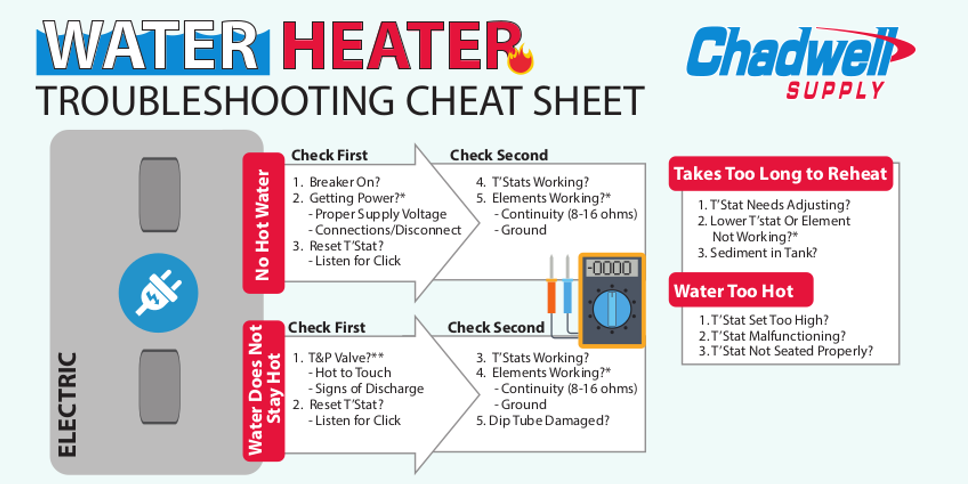
No hot water is a frequent complaint. The heater might not heat due to a tripped breaker or faulty thermostat. Heating elements can also burn out, causing this issue. Check power supply first, then test the thermostat and elements. Replacing broken parts often solves the problem.
Lukewarm Water
Water that is not hot enough can be frustrating. This often happens if the thermostat is set too low. Sediment build-up inside the tank reduces heating efficiency. Flushing the tank and adjusting the thermostat temperature helps restore hot water. Sometimes, partial heating elements fail and need replacement.
Frequent Breaker Trips
Breakers that trip often indicate electrical problems. A short circuit or ground fault in the heater causes this. Loose wiring or damaged heating elements can also trigger breaker trips. Turn off the power and inspect wiring carefully. Replace faulty parts or call an electrician for safety.
Strange Noises
Odd noises like popping or rumbling come from inside the tank. Sediment hardens and traps water beneath it, causing noise when heated. Flushing the tank removes sediment and stops these sounds. Noises may also signal failing heating elements or loose parts inside.
Water Leaks
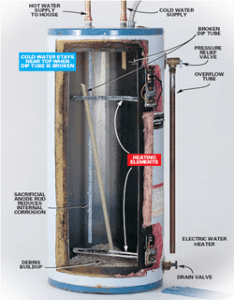
Leaks around the heater can cause water damage and reduce heater efficiency. Common leak points include the drain valve, pressure relief valve, or tank seams. Tighten or replace leaking valves. If the tank itself leaks, the heater needs replacement. Regular checks prevent major water damage.
Credit: www.cartersmyplumber.com
Quick Reset Steps
Resetting an electric water heater can fix minor issues quickly. This simple process often restores hot water without waiting for a technician. Follow these quick reset steps to get your heater working again safely and efficiently.
Cutting The Power
Start by turning off the power to the water heater. Go to your home’s electrical panel and find the breaker labeled for the water heater. Flip this breaker to the “OFF” position. This step is crucial to avoid electric shock during the reset.
Locating The Reset Button
Next, find the reset button on the water heater. Usually, it is a red button under the upper access panel. Remove the panel carefully by unscrewing it. Pull back the insulation gently to reveal the button near the thermostat.
Pressing The Reset Button
Press the red reset button firmly. You should feel or hear a click. This action resets the internal thermostat and can clear minor faults. Hold the button for a few seconds to ensure it activates properly.
Restoring Power
After resetting, replace the insulation and screw the access panel back on. Return to the electrical panel and switch the breaker back to “ON.” Wait a few minutes for the water heater to start heating the water again.
Testing Heating Elements
Testing the heating elements in an electric water heater helps identify why it may not heat properly. These elements are crucial parts that warm the water inside the tank. Over time, they can wear out or fail. Checking their condition is a simple way to find heating problems early. This process involves measuring electrical resistance and inspecting for visible damage. Proper testing can save time and money by targeting repairs accurately.
Using A Multimeter
Turn off power to the water heater at the circuit breaker. Remove the access panel and insulation to reach the heating elements. Set the multimeter to the ohms setting. Touch the probes to the element’s terminals. A good element usually shows a low resistance value between 10 and 30 ohms. If the meter shows no reading or infinite resistance, the element is broken and needs replacement.
Signs Of A Faulty Element
Water does not heat or heats very slowly. The circuit breaker trips often. You hear a buzzing or humming noise from the heater. Water smells or looks strange. The element surface may show visible cracks or burn marks. These signs suggest the heating element is faulty and should be tested with a multimeter to confirm.
Replacing A Bad Element
Turn off power and drain the water heater partially. Use a wrench to remove the old heating element carefully. Install a new element matching the exact size and wattage. Tighten it securely to avoid leaks. Refill the tank and restore power. Test the heater for proper function. Replacing a faulty element restores hot water quickly and safely.
Credit: temperville.com.br
Thermostat Troubleshooting
The thermostat controls the water temperature inside your electric water heater. Troubleshooting thermostat issues can fix many common heating problems. A faulty thermostat may cause no hot water or water that is too hot. This section helps you check and fix thermostat problems safely and effectively.
Checking Thermostat Settings
Start by turning off the power to your water heater. Remove the access panel and insulation to see the thermostat. Check the temperature setting. It should be between 120°F and 140°F for safe, efficient heating. Adjust the dial if needed. Make sure the thermostat is not set too low or too high. Replace the insulation and panel, then turn the power back on. Wait to see if the water heats properly.
Resetting The High-limit Switch
The high-limit switch stops the heater from overheating. If it trips, the water heater will stop working. Find the red reset button near the thermostat after removing the panel and insulation. Press the button firmly until it clicks. Replace the insulation and panel. Turn the power back on. If the switch trips again, the thermostat or heating element may be faulty and need repair.
Replacing A Defective Thermostat
If adjusting or resetting does not help, the thermostat might be defective. Turn off the power and remove the access panel and insulation. Disconnect the wires from the old thermostat. Note their positions for correct reconnection. Remove the thermostat from its mount. Install the new thermostat and reconnect the wires. Replace insulation and panel. Turn the power on and test the water temperature. A new thermostat can restore proper heating function.
Wiring And Electrical Checks
Electrical issues can cause your electric water heater to stop working properly. Wiring and electrical checks are essential steps in troubleshooting. These checks help find problems like loose connections or damaged wires. Doing these inspections carefully can prevent bigger issues and keep your water heater safe.
Inspecting Wiring Connections
Start by turning off the power to the heater at the breaker box. Remove the access panel to see the wiring. Look for wires connected to the thermostat and heating elements. All connections should be tight and secure. Check for any signs of burning or corrosion. Clean or tighten any loose connections before restoring power.
Identifying Loose Or Damaged Wires
Loose wires cause poor contact and may stop the heater from working. Gently wiggle each wire to check stability. Look closely for frayed or broken wires. Damage can cause electrical shorts or shocks. Replace any damaged wires with the correct type and size. Use wire nuts or electrical tape to secure connections safely.
When To Call An Electrician
Call a professional if you see burnt wires or smell burning plastic. Avoid handling complex wiring or if you lack electrical knowledge. If the circuit breaker trips repeatedly, do not reset it multiple times. Professional electricians have the tools and skills to fix these problems safely. They ensure your water heater works well without risking your safety.
Addressing Water Heater Noises
Strange noises from an electric water heater can be worrying. These sounds often indicate underlying problems that need attention. Understanding the causes and solutions helps keep your water heater running smoothly and quietly. This section explains common noises and how to fix them effectively.
Causes Of Popping And Buzzing
Popping sounds usually come from sediment buildup inside the tank. Sediment traps water, causing it to boil and pop. Buzzing noises often result from electrical components working hard. Loose heating elements or wiring can also create buzzing. Identifying these sounds helps target the right fix quickly.
Flushing Sediment Buildup
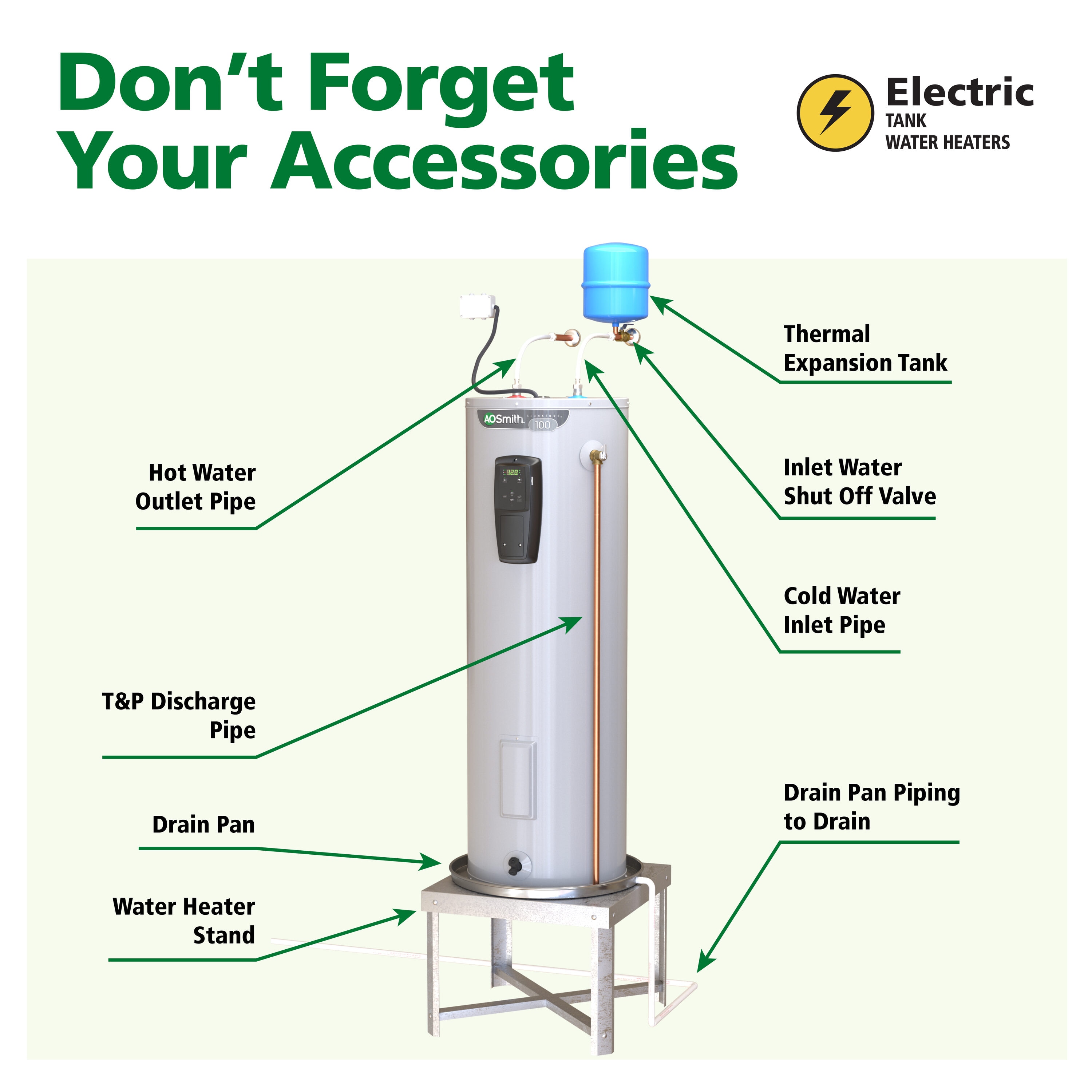
Flushing the tank removes sediment and stops popping noises. First, turn off power to the heater for safety. Attach a hose to the drain valve and drain water into a bucket or outside. Open the valve fully to flush out sediment. Close the valve, refill the tank, and restore power. Regular flushing extends the heater’s life.
Preventing Future Noise Issues
Prevent noise by scheduling regular maintenance. Flush the tank at least once a year. Check heating elements and wiring for wear or looseness. Installing a water softener reduces sediment buildup. Keeping the water heater clean and well-maintained avoids noise and improves performance.
Signs You Need Professional Help
Knowing when to call a professional for your electric water heater saves time and avoids damage. Some problems look simple but hide bigger issues. Early signs help you act before costly repairs or replacements become necessary.
Watch for these clear signs indicating you need expert help. Ignoring them can lead to safety risks and loss of hot water.
Reset Button Trips Repeatedly
The reset button should only trip once in a while. If it trips often, this signals a deeper electrical or thermostat problem. Pressing it repeatedly can cause damage or create hazards. A professional can find and fix the root cause safely.
No Hot Water After Reset
Pressing the reset button usually restores hot water quickly. If water stays cold after resetting, the heating element or thermostat may be faulty. This issue needs expert diagnosis and repair to restore hot water flow efficiently.
Visible Moisture Or Damage
Water leaks or moisture around the heater’s base or connections indicate possible tank or pipe damage. Rust, corrosion, or cracks also need immediate attention. Such problems can cause major leaks or electrical hazards. Call a technician right away.
Persistent Electrical Problems
Frequent breaker trips, burning smells, or unusual noises mean serious electrical faults. These problems affect your safety and the heater’s function. Only a licensed electrician or plumber should handle electrical repairs on water heaters.
Credit: www.chadwellsupply.com
Frequently Asked Questions
Why Is My Electric Water Heater Not Getting Hot?
Your electric water heater may not get hot due to a tripped reset button, faulty heating elements, a bad thermostat, or power issues. Check the circuit breaker, test heating elements, reset the high-limit switch, and inspect wiring for damage or loose connections.
What Are Common Indicators Of A Failing Electric Water Heater?
Common signs of a failing electric water heater include leaks, unusual noises, discolored water, less hot water, and rising energy bills.
How To Tell If An Electric Water Heater Element Is Bad?
Test the element’s resistance with a multimeter; zero or infinite ohms indicate a bad element. Watch for no hot water, tripped breakers, or burnt smells.
What Is The First Thing To Check When There Is No Hot Water?
First, check if the circuit breaker for the water heater is switched on and not tripped.
How Do I Reset An Electric Water Heater Safely?
Turn off the circuit breaker for the heater first. Press the red reset button found under the access panel. Turn the breaker back on and wait for the water to heat.
Conclusion
Troubleshooting an electric water heater can save time and money. Start with simple steps like checking the breaker and resetting the button. Watch for signs that need professional help, such as frequent trips or no hot water. Regular maintenance helps keep your heater working well.
Understanding basic fixes improves your confidence. Stay safe and know when to call an expert. This way, your water heater will provide hot water without many problems.