Is your Ford F150’s air conditioning not keeping you cool like it used to? You’re not alone, and you don’t have to sweat through another Texas summer or a long drive.
Whether your AC is blowing warm air, the airflow feels weak, or it’s just not working right, understanding the common issues and quick fixes can save you time and money. In this guide, you’ll learn simple steps to troubleshoot your Ford F150’s AC system, from checking the cabin air filter to inspecting fuses and the compressor clutch.
Keep reading to discover how you can get your AC back to blowing cold air and stay comfortable on every ride.

Credit: www.youtube.com
Quick Climate Control Reset
Resetting the climate control system in your Ford F150 can solve many common air conditioning issues quickly. A quick climate control reset clears minor errors in the system. This process often restores normal function without needing complex repairs. Two simple methods work well for this reset. Both methods are easy and require no special tools.
Button Combination Method
Start by turning the ignition to the ON position without starting the engine. Press and hold the A/C button and the Recirculation button at the same time. Keep holding these buttons for about 10 seconds. You will see the lights flash or the display change. This signals the system has reset. Release the buttons and start the truck. Check if the air conditioning works better now.
Battery Disconnect Reset
Turn off the ignition and all accessories. Open the hood and locate the Smart Junction Box (SJB) fuse panel. Disconnect the negative terminal of the battery carefully. Wait for about 10 minutes. Reconnect the battery terminal securely. This clears the entire climate control system memory. Start the truck and test the air conditioning again. This method is useful for fixing stuck air flow or temperature issues.
Fuse And Relay Inspection
Inspecting the fuses and relays is a key step in diagnosing Ford F150 AC problems. These components protect the electrical system and control power to the air conditioning. Faulty fuses or relays can stop the AC from working properly. Checking them can reveal simple fixes before moving to complex repairs.
Locating A/c Fuses
Start by finding the fuse box in your Ford F150. It is usually under the dashboard or in the engine compartment. Check your owner’s manual for exact locations. Look for labels or diagrams on the fuse box cover. These will show which fuses control the air conditioning system. Locate fuses for the A/C clutch, climate control module, and blower motor.
Testing Compressor Fuse And Relay
Remove the compressor fuse and inspect it closely. A blown fuse will have a broken wire inside. Use a multimeter to check for continuity across the fuse. Next, test the relay that controls the compressor. Swap it with a similar relay from another circuit if available. If the AC starts working, the relay is faulty and needs replacement. Testing these parts is quick and can save time and money.
Cabin Air Filter Replacement
The cabin air filter in your Ford F150 plays a key role in keeping the air inside fresh and clean. Over time, dust, pollen, and debris clog this filter. A dirty filter blocks airflow and weakens the AC’s cooling power. Replacing the cabin air filter can restore the air quality and improve AC performance. This process is simple and can save you money on repairs.
Signs Of A Clogged Filter
Notice reduced airflow from your vents. The air might feel weaker than usual. Strange odors inside the truck are a warning sign. Dust or particles may appear on the dashboard and seats. Your AC might struggle to cool the cabin. These signs mean the filter needs replacement.
Filter Replacement Steps
Start by locating the cabin air filter compartment. It is usually behind the glove box or under the dashboard. Remove the glove box carefully if needed. Take out the old filter and inspect it. If it looks dirty or clogged, replace it with a new one. Insert the new filter correctly, following airflow direction marks. Close the compartment and glove box securely. Turn on the AC to check airflow improvement. Regular filter changes keep your Ford F150’s AC running smoothly.
Condenser Cleaning
The condenser plays a key role in your Ford F150’s AC system. It helps cool down the refrigerant by releasing heat. Over time, dirt and debris can build up on the condenser. This reduces its ability to cool efficiently. Cleaning the condenser regularly keeps your AC blowing cold air and working well.
Checking For Debris
Start by visually inspecting the condenser. Look through the grille at the front of your truck. Check for leaves, bugs, dirt, and other blockages. Pay close attention to the fins, which are thin metal strips. They can easily trap dust and debris. Remove any visible buildup carefully with your hands or a soft brush. Avoid bending the fins as they are delicate.
Safe Cleaning Techniques
Use low-pressure water to rinse the condenser. High pressure may damage the fins or push debris further inside. Spray water from the back side of the condenser to push dirt out the front. Let the water soak before rinsing. For stubborn grime, use a mild soap solution and a soft brush. Rinse thoroughly to remove all soap. Allow the condenser to dry before turning on the AC system. Regular cleaning helps prevent costly repairs and improves cooling performance.
Compressor Clutch Check
The compressor clutch plays a crucial role in your Ford F150’s air conditioning system. It engages and disengages the compressor, allowing the AC to cool the cabin effectively. Checking the compressor clutch helps identify issues causing weak or no cooling. This step is essential in troubleshooting AC problems and ensuring your truck stays comfortable.
Identifying Clutch Movement
Start the engine and turn the AC on to maximum. Watch the compressor clutch at the front of the compressor. It should spin freely when off and engage when the AC is on. If the clutch does not move, it might be stuck or faulty. Listen for a clicking sound as the clutch engages. No movement or sound indicates a problem.
Electrical And Pressure Issues
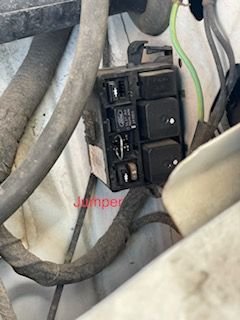
Check the electrical connections to the compressor clutch. Loose or damaged wires can stop the clutch from engaging. Use a multimeter to test for voltage at the clutch connector. Also, low refrigerant pressure can prevent clutch activation. The system has a pressure switch that stops the clutch if pressure is too low. Recharging refrigerant may fix this problem. Always handle refrigerant safely or seek professional help.
Credit: www.f150forum.com
Refrigerant Level Troubleshooting
Refrigerant plays a vital role in your Ford F150’s air conditioning system. It absorbs heat and cools the air inside your truck. When the refrigerant level drops, the AC system cannot cool properly. Diagnosing refrigerant issues early helps avoid bigger repairs and keeps your drive comfortable.
Low Refrigerant Symptoms
One clear sign of low refrigerant is warm air from the vents. The AC might blow weak or no cold air at all. You may also notice the compressor turning on and off frequently. Strange noises from the AC system can appear too. Frost or ice build-up on the AC lines or evaporator is another warning. These symptoms mean the refrigerant might be low and needs checking.
Leak Detection Tips
Leaks cause refrigerant to drop over time. First, inspect visible AC lines and connections for oil stains. Oil marks often mean a leak spot. Use a UV dye and a black light to find small leaks. Soap and water can show bubbles around leaks on hoses or fittings. Listen for hissing sounds while the AC runs. If you suspect a leak, visit a professional for a proper repair and recharge. Fixing leaks prevents refrigerant loss and improves AC performance.
Evaporator Maintenance
The evaporator plays a key role in your Ford F150’s AC system. It absorbs heat from the air inside the cabin and cools it down. Proper maintenance keeps the evaporator working well and ensures cool air flows smoothly. Neglecting it can cause poor cooling and other AC issues.
Regular checks and cleaning help avoid problems like blockages or freezing. These issues reduce your AC’s efficiency and can lead to costly repairs. Understanding the signs of evaporator trouble helps you act quickly and maintain comfort in your truck.
Dirty Or Frozen Evaporator Signs
A dirty evaporator blocks airflow and lowers cooling power. You may notice weak air blowing from vents or strange odors inside the cabin. A frozen evaporator stops the AC from cooling properly and may cause water leaks.
Other signs include uneven cooling or frequent AC cycling. If your Ford F150’s AC struggles to reach low temperatures, the evaporator might be dirty or frozen. Early detection prevents damage and keeps your AC running efficiently.
Professional Cleaning Advice
Cleaning the evaporator requires skill and the right tools. Professionals use special cleaners to remove dirt, mold, and bacteria safely. They also check for leaks and damage during the cleaning process.
Regular professional cleaning extends the life of your AC system. It improves air quality and restores strong cooling power. Schedule cleaning every 1-2 years, or sooner if you notice any evaporator problems.
Blend Door And Pressure Switch Issues
The Ford F150’s air conditioning system relies on many parts to work well. Two common trouble spots are the blend door and the pressure switches. These parts control airflow and system safety.
Problems with the blend door can cause uneven temperatures inside your truck. Pressure switch issues may stop the AC from turning on or cause it to shut off early. Understanding these parts helps fix AC problems faster.
Spotting Blend Door Failures
The blend door controls hot and cold air mix inside the cabin. When it fails, you might feel only hot or cold air. Sometimes the airflow changes suddenly without your input.
Listen for unusual noises like clicking or knocking from the dashboard. These sounds often mean the blend door motor is stuck or broken. Check if the temperature control does not match the air coming out.
Another sign is if the air only blows from one vent or stays on defrost mode. Blend door issues often need a mechanic’s attention but can be checked visually with some tools.
Checking Pressure Switches
Pressure switches protect the AC system from damage. They monitor refrigerant pressure and turn the compressor off if levels are unsafe. A faulty switch can prevent the AC from working.
To check pressure switches, first turn off the engine and open the hood. Locate the high and low-pressure switches on the AC lines. Look for any signs of wear or corrosion on the connectors.
Use a multimeter to test switch continuity. No continuity usually means a bad switch. Low refrigerant can also cause pressure switch problems, so check refrigerant levels as well.
Additional Tips For Stronger Airflow
Improving airflow in your Ford F150’s AC system helps keep the cabin cool and comfortable. Sometimes, weak airflow signals a deeper issue beyond simple cleaning or filter replacement. Try these extra tips to boost your AC’s air delivery and enjoy stronger, colder air inside your truck.
Smart Junction Box Fuse Panel
The Smart Junction Box (SJB) controls many electrical components, including the AC system. Locate the SJB fuse panel under the hood or dashboard. Check all fuses related to the AC clutch, climate control module, and blower motor. Replace any blown fuses with the correct rating to restore proper function. A faulty fuse can stop the blower from working or reduce airflow.
Regularly inspecting the SJB fuse panel ensures no hidden electrical issues block your AC’s airflow. Keep your vehicle manual handy for fuse locations and specifications.
Resetting System Memory
Resetting the AC system memory can fix airflow problems caused by glitches. Turn the ignition to the ON position without starting the engine. Press and hold the A/C and Recirculation buttons together for about 10 seconds. Release when the lights flash or the display changes. This simple reset clears minor errors in the climate control module.
Another method is disconnecting the battery for a few minutes. This resets the entire system and restores factory settings. After resetting, start your truck and test the AC airflow. This step often resolves stuck airflow or temperature issues without costly repairs.

Credit: www.reddit.com
Frequently Asked Questions
What Are Common Ac Problems In Ford F-150?
Common AC problems in Ford F-150 include clogged cabin air filters, blown fuses, dirty condensers, low refrigerant, faulty compressor clutches, and failing blend door actuators. These issues often cause weak airflow, poor cooling, or system cycling problems. Regular maintenance helps prevent most AC failures.
How Do You Reset The Ac On A Ford F-150?
Turn the ignition ON without starting the engine. Press and hold the A/C and Recirculation buttons together until lights flash. Release buttons and start the truck to test. This resets the Ford F-150 AC system without affecting other functions.
Why Is My Ford Truck Ac Not Blowing Cold Air?
Your Ford truck’s AC may not blow cold air due to a clogged cabin air filter, low refrigerant, faulty compressor clutch, blown fuses, or a dirty condenser blocking airflow. Check these components and reset the climate control module to restore proper cooling.
How To Diagnose Truck Ac Problems?
Diagnose truck AC problems by checking the cabin air filter, fuses, and relays. Inspect the condenser for debris. Verify compressor clutch operation and refrigerant levels. Listen for unusual compressor cycling and check for leaks using UV dye. Test blend door actuator and pressure switches for faults.
Why Is My Ford F150 Ac Not Blowing Cold Air?
A dirty or clogged cabin air filter often blocks airflow and cooling. Low refrigerant levels or a faulty compressor can also cause warm air.
Conclusion
Troubleshooting your Ford F150’s AC can save time and money. Start by checking simple parts like fuses and filters. Resetting the control module often solves many issues. Watch for weak airflow or warm air as key signs of trouble. Regular maintenance keeps the AC running smoothly.
Taking these steps helps you stay cool on the road. Trust your observations and act early for best results. Your Ford F150 deserves reliable comfort every drive.