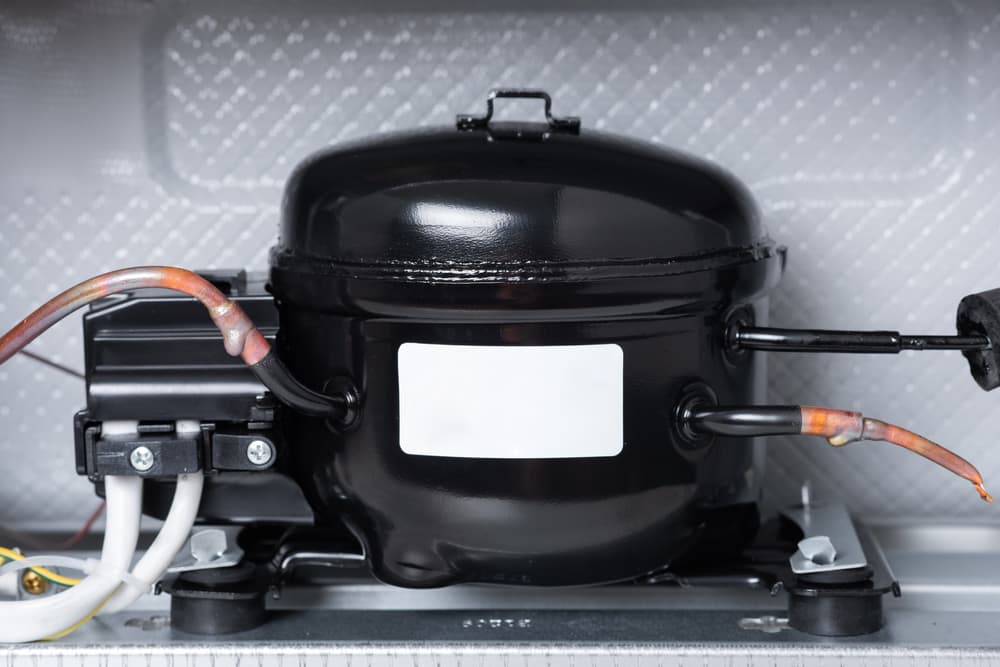
Is your fridge not cooling like it used to? You might be facing issues with your fridge compressor, the heart of your refrigerator’s cooling system.
When your compressor struggles, your food can spoil, and your energy bills might spike. But before you panic or call a costly repair service, there are simple ways you can troubleshoot the problem yourself. In this guide, you’ll learn clear signs to watch for, easy checks you can do at home, and when it’s time to bring in a professional.
Keep reading to get your fridge back to perfect working order and avoid unexpected breakdowns!

Credit: www.youtube.com
Signs Of Compressor Issues
Recognizing signs of compressor issues is key to fridge maintenance. The compressor controls cooling by compressing refrigerant. Problems here reduce fridge efficiency and cause food spoilage. Early detection helps avoid costly repairs. Watch for these common signs of compressor trouble.
Poor Cooling Performance
The fridge may not stay cold enough. Food spoils faster than usual. Ice cream melts or vegetables wilt quickly. Temperature settings might not help. This usually means the compressor isn’t working well.
Continuous Running Cycles
The fridge runs without stopping. Normal cycles last a few minutes. Continuous running wastes energy and strains the compressor. It tries to cool but fails. This indicates the compressor or related parts need checking.
Unusual Noises
Listen for buzzing, rattling, or grinding sounds. A healthy compressor hums softly. Loud or strange noises signal a problem. Sounds like clicking or clanking are warning signs. These noises mean the compressor motor or start relay may be faulty.
Overheating Symptoms
Touch the compressor or fridge back panel carefully. If it feels very hot, something is wrong. Overheating can cause damage or fire risk. A burning smell may also appear. This points to compressor electrical or mechanical failure.
Circuit Breaker Trips
The fridge causes electrical trips at your home. A failing compressor draws excessive current. This overload trips circuit breakers for safety. Frequent trips mean the compressor or its wiring needs inspection. Avoid ignoring this to prevent hazards.
Visible Leaks And Frost
Check around the compressor for oil or frost. Leaks appear as oily spots or wet areas. Frost buildup near the compressor is abnormal. These signs show refrigerant leaks or compressor seal failure. Immediate repair can save the fridge from total breakdown.

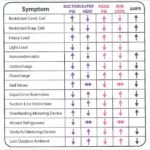
Credit: norlake.com
Basic Diy Checks
Basic DIY checks help spot common fridge compressor problems early. These simple steps save time and money. You do not need special tools to perform these checks. Just use your senses to detect signs of trouble. Pay close attention to sounds, heat, and any visible leaks or frost. These clues often reveal if the compressor works properly or needs service.
Listening For Abnormal Sounds
Stand near the fridge and listen carefully. Normal compressors make a steady humming noise. Strange sounds like clicking, buzzing, or rattling indicate issues. Loud noises may mean loose parts or a failing motor. Sudden silence can also signal compressor failure. Note any unusual sounds and how often they occur. This helps decide if repair or replacement is needed.
Feeling For Excess Heat
Touch the compressor or the back of the fridge gently. It is normal for compressors to feel warm, not hot. Excessive heat can mean the compressor is overworking or blocked by dust. Heat may also point to electrical problems inside. If the compressor feels very hot, turn off the fridge and call a professional. Overheating risks damage to the fridge and your safety.
Inspecting For Leaks And Frost
Look closely around the compressor area and fridge coils. Oil stains or wet spots can show refrigerant leaks. Frost or ice buildup near the compressor or coils is abnormal. It often means poor airflow or a refrigerant issue. Leaks and frost reduce cooling efficiency and strain the compressor. Clean and dry the area, but seek expert help to fix leaks properly.
Advanced Troubleshooting
Advanced troubleshooting for fridge compressors dives deeper into the mechanical and electrical components. This stage requires specific tools and some knowledge of appliance repair. It helps identify hidden issues that basic checks may miss. Care and precision matter to avoid damage or injury during these tests.
These steps clarify if the problem lies with the compressor or related parts. They include examining the condenser fan, testing the start relay, checking for electrical shorts, and measuring winding resistance. Each method uses simple tools but reveals critical details about the compressor’s condition.
Checking The Condenser Fan
The condenser fan keeps the compressor cool by moving air over the coils. Turn off the fridge and access the back panel. Check if the fan blades spin freely without obstruction. Plug the fridge back in and see if the fan turns on. A broken or stuck fan causes the compressor to overheat and fail.
Cleaning dust and debris from the fan can improve cooling. Replace the fan motor if it does not run. A running fan with a non-working compressor points to compressor or relay issues instead.
Testing The Start Relay
The start relay helps the compressor start by sending a surge of power. Remove the relay from the compressor and shake it gently. A rattling noise indicates a likely fault. Use a multimeter to check continuity across the relay terminals. No continuity means the relay is defective.
Listen for clicking sounds when the compressor tries to start. No clicks suggest a relay or overload protector problem. Replacing a bad start relay often restores compressor function.
Using A Multimeter For Shorts
A multimeter detects electrical shorts or open circuits in the compressor wiring. Set the meter to the resistance mode. Disconnect power and remove wires from the compressor terminals. Measure resistance between each terminal and the compressor body.
Any reading other than infinite resistance indicates a short circuit. Shorts cause the compressor to trip breakers or not run. Isolate and repair damaged wires or replace the compressor if internal shorts exist.
Measuring Winding Resistance
The compressor motor has three windings: start, run, and common. Use the multimeter to measure resistance between these terminals. Typical readings differ by compressor model but should be stable and within manufacturer specs.
Very high or low resistance indicates burnt or broken windings. This condition prevents the compressor from running properly. Replace the compressor if winding resistance is abnormal. Proper resistance values confirm the compressor motor is likely fine.
Resetting The Compressor
Resetting the compressor is a simple step that can fix many fridge issues. It helps clear minor electrical glitches that stop the compressor from working properly. This process can save time and money by avoiding unnecessary repairs.
Most fridges have a built-in way to reset the compressor. The reset can solve problems like the compressor not starting or running constantly. It is important to follow the correct steps to avoid damaging the fridge.
Step-by-step Reset Procedure
First, unplug the fridge from the power source. Wait for at least five minutes to let the compressor cool down.
Next, plug the fridge back in. The compressor should restart automatically.
If the compressor does not start, press the reset button if your fridge has one. This button is often located at the back near the compressor.
After pressing reset, wait a few minutes. Listen for the compressor to start humming.
Check if the fridge begins cooling properly. If it does, the reset worked.
When Reset Fails
If the compressor does not restart, the problem may be more serious. The start relay or overload protector could be faulty.
Check the fridge’s circuit breaker to ensure it has not tripped. Reset the breaker if needed.
Inspect the compressor for signs of damage or overheating. Look for unusual noises or smells.
Contact a professional technician if the compressor still does not work after these checks.
Using Test Mode On Lg Fridges
LG fridges often have a test mode to diagnose compressor issues. This mode helps identify electrical or mechanical faults.
To enter test mode, press and hold specific buttons on the control panel. Refer to your user manual for exact steps.
In test mode, the compressor runs at different speeds. You can hear if it starts and stops correctly.
Use this mode to check if the compressor and fans are functioning. It helps decide if a reset or repair is needed.
When To Seek Professional Help
Knowing when to call a professional for fridge compressor issues saves time and prevents damage. Some problems need expert skills and tools. Trying to fix complex faults alone may cause more harm.
Here are key points to help decide when professional help is necessary.
Risks Of Diy Repairs
Fridge compressors work with high voltage and refrigerant gases. Mistakes during repairs can cause electric shocks or gas leaks. Incorrect handling might damage other fridge parts. DIY fixes might void your fridge warranty. Professionals have training to handle these risks safely.
Cost Considerations
DIY repairs may seem cheaper but can lead to costly mistakes. Wrong repairs might require full compressor replacement. Professionals can diagnose the exact problem, avoiding unnecessary parts purchases. They also provide guarantees on their work, saving money long-term. Consider repair costs versus potential damage before starting.
Professional Diagnostic Tools
Experts use specialized tools to find compressor issues. Multimeters test electrical components accurately. Leak detectors locate refrigerant leaks efficiently. Pressure gauges measure system pressure to spot faults. These tools give precise results that DIY methods often miss. Proper diagnosis ensures the correct repair and faster fridge recovery.
Credit: ironmountainrefrigeration.com
Preventive Tips
Preventing fridge compressor issues saves time and money. Small actions keep your fridge running smoothly. Follow simple steps to avoid common problems. These tips help maintain compressor health and efficiency.
Regular Maintenance
Check your fridge regularly for any unusual signs. Clean inside and outside surfaces to reduce dust and dirt. Inspect door seals to keep cold air inside. Replace worn-out parts quickly to prevent bigger damage. Regular care extends the life of your compressor and fridge.
Keeping The Condenser Clean
The condenser collects dust and debris over time. A dirty condenser forces the compressor to work harder. Clean the condenser coils every three months. Use a vacuum or soft brush to remove dust gently. Clean coils improve cooling and reduce energy use.
Ensuring Proper Ventilation
Place your fridge in a well-ventilated area. Avoid tight spaces that trap heat around the compressor. Leave space between the fridge and walls for airflow. Proper ventilation helps the compressor cool down. This prevents overheating and extends compressor life.
Frequently Asked Questions
How To Tell If A Compressor On A Fridge Is Bad?
A bad fridge compressor shows poor cooling, constant running, loud buzzing, overheating, or tripped breakers. Check for unusual noises, heat, leaks, or frost. Use a multimeter to test electrical shorts or winding resistance. Professional diagnosis is advised for safety and accuracy.
How Do I Reset A Refrigerator Compressor?
Unplug the refrigerator for 5-10 minutes to let the compressor reset. Plug it back in and restart the fridge. This clears minor electrical faults.
What Would Cause A Refrigerator Compressor Not To Kick In?
A refrigerator compressor may not start due to a faulty start relay, electrical issues, a blocked condenser fan, or a bad compressor motor. Overheating, short circuits, or power supply problems also prevent it from kicking in. Always test components carefully to identify the exact cause.
What Is The Most Common Cause Of Refrigerator Compressor Failure?
The most common cause of refrigerator compressor failure is overheating due to poor ventilation or a faulty start relay. Overheating stresses the compressor, causing it to burn out or seize.
How Do I Know If My Fridge Compressor Is Failing?
Signs include poor cooling, constant running, loud buzzing noises, and overheating. Also, watch for tripped breakers or visible leaks near the compressor.
Conclusion
Troubleshooting a fridge compressor helps save time and money. Watch for signs like poor cooling or strange noises. Simple checks can spot common problems early. Use tools carefully for advanced testing. If unsure, a professional can ensure safe, accurate repairs.
Regular maintenance keeps your fridge running smoothly. Stay alert to changes in performance or unusual sounds. Taking quick action prevents bigger issues later. Remember, a healthy compressor means a fresh, cool fridge. Keep these tips handy for easy troubleshooting anytime.