Is your fridge not cooling like it used to? You rely on your refrigerator every day to keep your food fresh and drinks cold.
When it stops working properly, it can quickly turn into a stressful problem. But before you rush to call a repair technician or replace your fridge, there are simple steps you can take to troubleshoot the issue yourself. In this guide, you’ll discover easy-to-follow tips to identify why your fridge isn’t cooling and what you can do to fix it fast.
By understanding the common causes and quick solutions, you’ll save time, money, and avoid unnecessary food spoilage. Keep reading to get your fridge back to perfect cooling in no time!
Credit: www.mrappliance.com
Check Power Supply
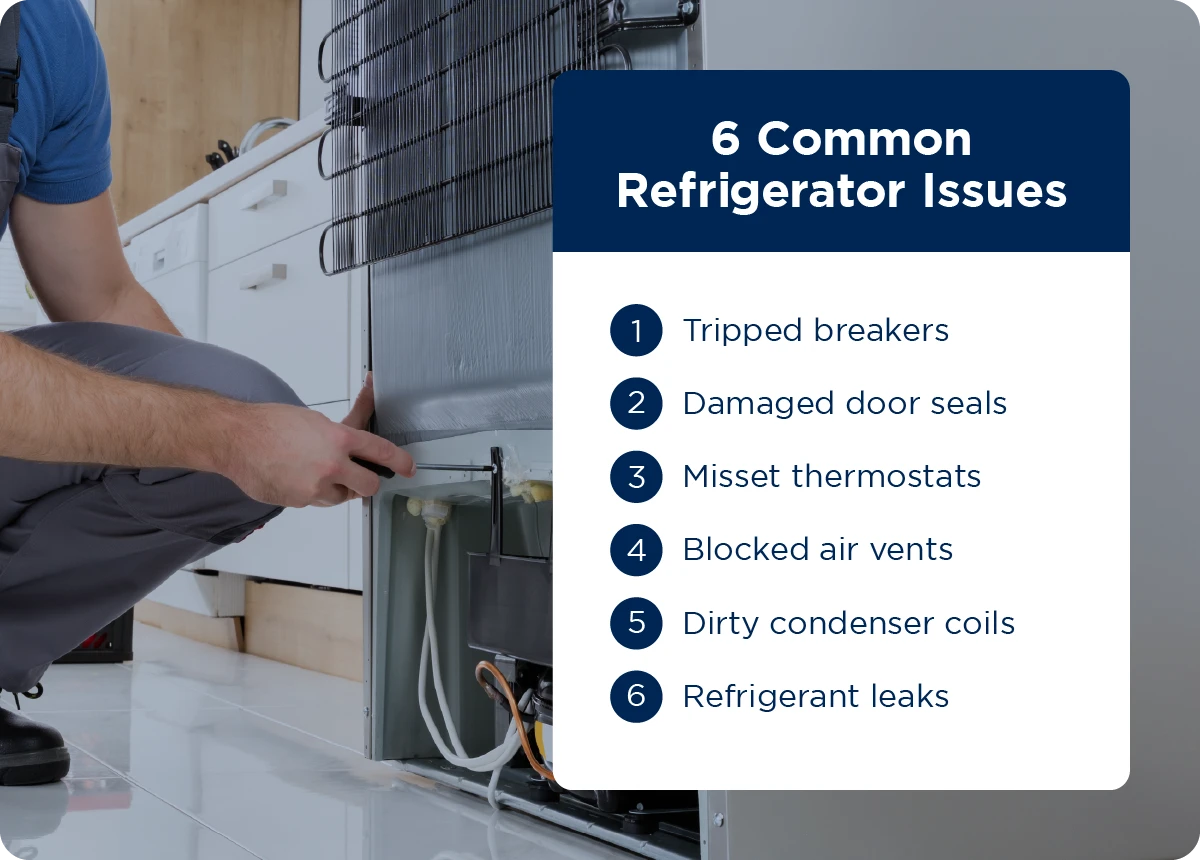
Checking the power supply is the first step in troubleshooting a fridge that is not cooling. A fridge needs a steady flow of electricity to work properly. Without proper power, the compressor and fans cannot run. This causes the fridge to stop cooling.
Start by making sure the fridge is plugged in securely. Also, check the power outlet for any issues. Sometimes, the problem is as simple as a loose plug or a tripped breaker.
Unplug And Reset
Unplug the fridge from the power outlet. Leave it unplugged for about five minutes. This pause allows the fridge’s internal systems to reset. After waiting, plug the fridge back in.
Resetting can fix minor electrical glitches. It might restore the fridge’s cooling function. This step is quick and easy to try before deeper troubleshooting.
Inspect Circuit Breaker
Locate the circuit breaker box in your home. Find the breaker that controls the kitchen or fridge outlet. Check if the breaker has tripped or switched off.
If it has tripped, flip it fully to the off position. Then switch it back on. This restores power to the fridge. A tripped breaker can cut power without visible signs.
After resetting the breaker, check if the fridge starts cooling again. If the breaker trips repeatedly, call an electrician to inspect the wiring.
Adjust Temperature Settings
Adjusting the temperature settings is one of the simplest ways to fix a fridge that is not cooling properly. Sometimes, the thermostat may be set too high, causing the fridge to run warmer than it should. Checking and setting the correct cooling levels can help restore the cold temperature inside the fridge quickly. This step does not require any tools and can prevent bigger issues later on.
Verify Thermostat
Start by locating the thermostat dial inside your fridge. It often sits near the top or side wall. Check the number or setting on the dial. If it is set too low, the fridge will not cool enough. Turn the thermostat to a colder setting, usually between 3 and 5 for most models. Wait a few hours to see if the temperature drops. If the fridge still does not cool, the thermostat may be faulty and need replacement.
Set Proper Cooling Levels
Each fridge model has a recommended cooling level. Usually, the fridge temperature should be between 37°F and 40°F (3°C to 4°C). The freezer should be around 0°F (-18°C). Avoid setting the temperature too cold, as it can cause frost build-up and increase energy use. Adjust the controls slowly and monitor the temperature over a day. Proper cooling levels keep food fresh and prevent fridge problems.
Clear Air Vents
Clear air vents are vital for your fridge’s cooling system. These vents allow cold air to flow freely inside. Blocked or restricted vents stop cold air from circulating. This makes your fridge warm and food spoil faster. Checking and clearing air vents is an easy way to improve cooling.
Air must move without obstacles. This helps the fridge keep an even temperature. Take time to inspect vents regularly. Clean any dust or debris you find. Move items away from vents inside the fridge and freezer compartments. This simple step can fix many cooling problems.
Remove Blockages
Look inside the fridge and freezer for blocked vents. Food containers or bags often cover vents. Remove any items in front of them. Do not block vents with large or tall items. Allow space for air to pass through freely. Use a soft cloth to wipe vents clean. Avoid pushing objects into the vent openings.
Ensure Proper Airflow
Keep vents clear to maintain steady airflow. Cold air moves from the freezer to the fridge through vents. If airflow is weak, temperature rises inside the fridge. Organize food items so air can circulate around them. Avoid overpacking shelves or cramming food tightly. Proper airflow keeps all parts of the fridge cool evenly.

Credit: www.youtube.com
Inspect Door Seals
Inspecting the door seals is essential for fridge cooling issues. The door seals keep cold air inside the fridge. If they are damaged or loose, cold air escapes. This makes the fridge work harder and cool less effectively.
Check the door seals regularly. Even small gaps can reduce cooling performance. Clean seals also help the door close tightly. Damaged seals need repair or replacement for proper cooling.
Check Rubber Gaskets
Rubber gaskets form the seal around the fridge door. Look for cracks, tears, or worn areas on the gaskets. Press the door gently and see if the gasket sticks to the fridge body. If it does not seal well, cold air can leak out.
Use a flashlight to see hidden damage. Dirt and debris can also cause gaps. Clean the gaskets with warm soapy water and dry them. Properly maintained gaskets keep the fridge cold and energy efficient.
Fix Gaps Or Damage
Small gaps in door seals can be fixed easily. Use a hairdryer to warm the gasket and make it flexible. Then, press the gasket firmly to the fridge frame. This can restore the seal’s shape.
Replace the gasket if damage is severe. Most gaskets are easy to remove and install. A tight seal stops cold air from escaping, improving cooling. Check the door alignment too; misaligned doors cause gaps.
Clean Condenser Coils
Cleaning the condenser coils is a crucial step in troubleshooting a fridge that is not cooling properly. Dust and dirt build-up on these coils reduce their ability to release heat. This forces the fridge to work harder and less efficiently. Regular cleaning keeps your fridge running smoothly and saves energy.
Locate Coils
Find the condenser coils on your fridge. They are usually at the back or underneath. Check behind the fridge or remove the bottom grille to access them. Knowing their location helps in cleaning them thoroughly.
Vacuum Dust And Debris
Use a vacuum cleaner with a brush attachment to remove dust from the coils. Gently vacuum all dirt and debris stuck on the coils. Avoid using water or sharp objects that can damage the coils. Clean coils improve cooling and extend your fridge’s life.
Listen For Compressor Issues
Listening for compressor issues helps find the root cause of cooling problems. The compressor is the fridge’s heart, pumping refrigerant to keep it cold. Strange sounds or no sound at all can signal a problem. Early detection can save you from costly repairs or food spoilage.
Identify Unusual Noises
Normal compressor sounds are a steady humming or buzzing. Loud knocking, clicking, or rattling noises are not normal. These sounds may mean the compressor parts are failing or loose. Listen closely at different times, especially when the fridge cycles on. Note any changes in sound patterns or volume.
Check Compressor Operation
Feel the compressor at the back of the fridge. It should be warm but not hot. The compressor motor should run smoothly without stopping quickly. If it keeps turning off and on, it may be faulty. A compressor that does not run at all usually means a serious issue. Use a multimeter to test electrical continuity if you can.
Look For Refrigerant Leaks
Refrigerant leaks often cause a fridge not to cool properly. The refrigerant is the fluid that absorbs heat inside the fridge. If it leaks out, the cooling process slows down or stops. Detecting leaks early helps avoid costly repairs and food spoilage. This section explains how to spot signs of refrigerant leaks in your fridge.
Check Evaporator Coils
Evaporator coils absorb heat inside the fridge. They need refrigerant to work well. Look for coils that appear warm or wet. Frost or ice should normally cover them. If coils are dry and warm, refrigerant might be low due to a leak. Also, listen for a hissing sound near the coils. This can mean gas is escaping. Always unplug the fridge before inspecting coils for safety.
Notice Lack Of Frost
Frost forms naturally on evaporator coils during cooling. A lack of frost can signal a refrigerant leak. If the coils stay completely dry, the fridge may not get cold. The fans might still run, but without frost, the cooling cycle is broken. Check the freezer side for frost buildup. No frost there also points to a problem with the refrigerant level.

Credit: www.familyhandyman.com
Monitor Cooling Performance
Monitoring your fridge’s cooling performance helps catch problems early. It ensures food stays fresh and safe. Checking regularly saves money on repairs and wasted groceries. Watch for signs that the fridge isn’t working well. These clues guide you to fix issues fast.
Spot Food Spoilage
Look for food that spoils faster than usual. Mold, bad smells, and slimy textures show poor cooling. Soft vegetables or warm leftovers hint at temperature problems. Check fruits and vegetables for unusual softness or rot. Meat and dairy that spoil quickly also signal trouble. These signs mean the fridge is not cold enough.
Detect Inconsistent Cooling
Notice if some areas inside the fridge are colder than others. Uneven cooling causes some food to freeze while other items stay warm. Feel the back and sides of the fridge to find cold spots. Keep an eye on the freezer too. Inconsistent cooling may mean blocked vents or a failing fan. Fixing airflow improves overall fridge performance.
Recognize Warning Signs
Spotting early warning signs can save your fridge from serious damage. Acting fast helps keep your food fresh and safe. Pay attention to unusual changes in your fridge’s behavior. These hints often show that cooling problems are starting.
Warm Exterior Panels
Feel the fridge’s outer walls. They should be cool or just slightly warm. If panels feel hot, cooling system may be struggling. Warm panels often mean the compressor or coils work too hard. This extra heat means the fridge loses energy and cools less effectively.
Check behind and under the fridge for blocked vents or dirt. Dust on coils causes heat build-up and reduces cooling power. Warm surfaces can also show poor door seals letting cold air escape. Fix these issues quickly to avoid bigger problems.
Energy Usage Spikes
Watch your electric bill. A sudden increase may signal fridge trouble. When cooling parts fail, the fridge uses more power to stay cold. This waste of energy is a clear warning sign. Spikes in energy use mean the fridge runs longer and harder.
Use a power meter to measure your fridge’s consumption. Compare it to normal levels for your model. High energy use paired with warm food means it’s time to troubleshoot. Fixing issues early can lower costs and extend fridge life.
When To Call A Technician
Knowing when to call a technician for a fridge that is not cooling saves time and prevents damage. Some problems require special tools and skills. Trying to fix complex issues alone may cause more harm. Professional help ensures your fridge works safely and efficiently again.
Compressor Failures
The compressor is the fridge’s heart. It pumps refrigerant to cool the fridge. If you hear strange noises or no sound at all, the compressor might fail. A failed compressor stops cooling completely. Repairing or replacing it needs a trained technician. They can test and fix the compressor safely.
Refrigerant Repairs
Refrigerant is the cooling fluid inside your fridge. Leaks or low levels reduce cooling power. Signs include warm air or frost-free evaporator coils. Handling refrigerant requires special equipment and certification. A technician can find leaks and recharge the refrigerant properly. This keeps your fridge running smoothly and prevents environmental harm.
Frequently Asked Questions
How Do You Reset A Refrigerator That Is Not Cooling?
Unplug the refrigerator for five minutes to reset its system. Plug it back in and check temperature settings. Ensure vents and door seals are clear and intact. Clean condenser coils to improve cooling. If issues persist, contact a professional technician.
What Are Signs Of A Failing Fridge Compressor?
Signs of a failing fridge compressor include poor cooling, loud humming or clicking noises, constant running, warm exterior panels, and higher energy bills.
How To Fix Cooling Problems In Fridge?
Unplug the fridge, clean condenser coils, check thermostat settings, clear blocked vents, and inspect door seals. Reset power to restart cooling. Call a technician for compressor or refrigerant issues.
How To Tell If A Refrigerator Needs Freon?
A refrigerator may need freon if it doesn’t cool properly, shows no frost on coils, or runs constantly without cooling.
Why Is My Fridge Not Cooling But The Light Is On?
The light shows power but cooling parts may fail. Check if the compressor runs and vents are clear.
Conclusion
Troubleshooting a fridge not cooling can save time and money. Check the thermostat settings first. Clear any blocked vents inside the fridge. Inspect door seals for cracks or gaps. Clean the condenser coils regularly to improve cooling. A simple reset can sometimes fix the issue.
Listen for unusual compressor noises as a warning sign. If problems persist, contact a professional technician. Taking these steps helps keep your fridge working well. Stay calm and follow the guide to restore proper cooling.