Is your Frigidaire ice maker not making ice like it used to? You rely on it for cool drinks and keeping your food fresh, so when it stops working, it can be frustrating.
But before you call a repair technician or buy a new unit, there are simple steps you can take to fix common problems yourself. In this guide, you’ll learn easy-to-follow tips to troubleshoot your Frigidaire ice maker—from checking water supply and filters to resetting the machine and clearing ice jams.
Keep reading, and you’ll be able to enjoy a steady supply of ice again without hassle or extra costs. Let’s get your ice maker back on track today!
Common Ice Maker Issues
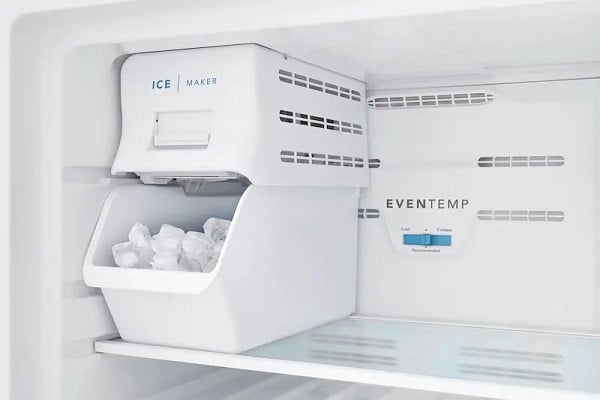
Ice makers in Frigidaire refrigerators are convenient but can face common issues. Understanding these problems helps in quick fixes and avoids long disruptions. Below are some frequent ice maker issues and how to spot them.
No Ice Production
The ice maker stops making ice entirely. This issue often happens due to a water supply problem or a switch turned off. Check if the water line is connected and the valve is open. Sometimes, the ice maker’s on/off switch or control arm may be in the off position. Also, a clogged water filter can stop ice production.
Small Or Misshapen Ice
Ice cubes look smaller or odd in shape. This can occur if the freezer temperature is too high or too low. The water supply might be low or inconsistent. Dirt or debris in the water line can affect ice quality. Cleaning the water filter and adjusting the freezer temperature usually fixes this problem.
Ice Maker Not Cycling
The ice maker does not start its cycle to produce ice. This issue may be caused by a stuck or frozen fill tube. Ice jams inside the machine can also stop cycling. Another reason could be a faulty motor or sensor. Manually running a test cycle helps identify if the ice maker cycles properly.
Water Leaks
Water pools under or around the ice maker. Leaks often come from a loose or damaged water line connection. The fill tube might be cracked or blocked. Sometimes, the ice bucket is not placed correctly, causing spills. Inspecting and tightening connections or replacing damaged parts usually stops leaks.
Credit: www.handlerappliance.com
Basic Checks Before Troubleshooting
Before diving into complex repairs, perform basic checks on your Frigidaire ice maker. These steps help identify simple issues that stop ice production. Save time and avoid unnecessary fixes by confirming everything is set correctly.
These checks are easy and require no special tools. Follow each point carefully to ensure your ice maker works smoothly.
Power And Switch Position
Make sure your ice maker is plugged in and the power is on. Check the on/off switch or the control arm. The arm should be in the down or “on” position to allow ice making. A flipped switch or raised arm stops the ice maker.
Water Supply And Line Condition
Confirm the water supply valve is fully open. Inspect the water line for any kinks, bends, or damage. A blocked or frozen line stops water flow to the ice maker. Straighten or replace the line if needed for proper water flow.
Water Filter Status
Check your water filter for clogs or dirt. A dirty filter reduces water flow and ice production. Replace the filter if it has been in use for over six months or shows signs of clogging. A clean filter ensures fresh water reaches the ice maker.
Freezer Temperature Settings
Set your freezer temperature between 0°F and 5°F (-18°C to -15°C). If it is too warm, the ice maker may not produce ice. Avoid setting it too cold to prevent ice blockages in the fill tube and ice bin.
Ice Bin And Fill Tube Inspection
Remove the ice bin and look for ice jams or frost buildup. Check the fill tube for frozen water that blocks water flow. Clear any blockages by gently thawing with a hairdryer on low or letting it sit at room temperature.
Resetting The Ice Maker
Resetting the ice maker can solve many common problems with your Frigidaire unit. Sometimes, the ice maker stops producing ice or gets stuck in a cycle. A reset refreshes the system and clears minor faults. Follow these simple methods to reset your Frigidaire ice maker and restore its function quickly.
Power Cycle Method
Unplug the refrigerator or turn off the power at the breaker. Wait for about five minutes to allow the ice maker to reset fully. Ensure the ice maker’s switch or wire arm is in the “ON” position. Restore power and check if the ice maker starts working. This method often resolves minor electrical glitches.
Using The Test Button
Locate the test button on the ice maker unit; it is usually a small button or part of the feeler arm. Place a towel or container under the ice maker to catch water during the test cycle. Press and hold the test button for a few seconds to start a manual harvest cycle. The ice maker will dump old ice and refill with water automatically.
Manual Cycle With Feeler Arm
Lift the feeler arm gently to trigger the ice maker’s manual cycle. Keep it lifted for about 10 seconds and then lower it back down. This action signals the ice maker to start a new cycle. It helps if the ice maker has stopped due to a jam or sensor issue. Repeat if necessary for better results.
Clearing Frozen Or Blocked Components
Frozen or blocked parts can stop your Frigidaire ice maker from working well. Ice or water stuck in the machine can block the flow. Clearing these blockages helps ice to form and move properly. This section covers easy ways to fix frozen or blocked parts. Follow simple steps to keep your ice maker running smoothly.
Thawing The Fill Tube
The fill tube brings water to the ice maker. It can freeze and block water flow. Use a hairdryer on low heat to gently warm the tube. Do not use high heat or touch the tube directly. Let the ice melt slowly. Wipe away any water inside the freezer to stop refreezing. This simple step can restore water flow fast.
Removing Ice Jams
Ice jams form when pieces of ice get stuck inside the machine. Remove the ice bin to see if ice blocks the path. Carefully break large ice clumps with your hands or a plastic tool. Avoid sharp objects that can damage parts. Clear all ice pieces from the chute and tray. Clean parts dry before putting the bin back. This clears the path for new ice to drop.
Checking The Water Line For Kinks Or Freezing
The water line supplies water to your ice maker. A kink or freeze can stop water flow. Look behind the fridge for bent or pinched tubes. Straighten any kinks you find. If the line is frozen, unplug the fridge and let it thaw. Check that the water valve under the sink is open fully. Smooth water flow keeps ice production steady and reliable.
Intermediate Fixes
Intermediate fixes help solve common ice maker issues beyond basic checks. These steps require simple tools and a bit more effort. They often restore ice production quickly. Follow these easy methods to troubleshoot your Frigidaire ice maker effectively.
Advancing The Ice Maker Manually
Sometimes the ice maker stops due to a stuck cycle. You can manually advance the ice maker to reset it. Find the small gear or motor shaft on the ice maker unit. Use a flathead screwdriver to gently turn the gear clockwise. This action forces the ice maker to eject any stuck ice. It also triggers a new ice-making cycle.
Turn slowly and carefully to avoid damage. After advancing, wait 30 minutes to see if ice starts forming again.
Jiggling The Auger
The auger moves ice cubes from the tray to the dispenser. If it jams, ice stops flowing. Gently jiggle the auger with your hand to free stuck ice. Unplug the refrigerator first for safety. Remove the ice bin and check for clumps or frozen pieces.
Clear any blockages and test the auger’s movement. If it spins freely, reassemble the bin and plug the fridge back in. This simple fix often restores ice dispensing.
Replacing The Water Filter
A dirty or clogged water filter reduces water flow to the ice maker. Replace the filter every six months or as recommended. Locate the filter inside the fridge or at the base.
Twist out the old filter and insert a new one. Run water through the dispenser for a few minutes to clear air bubbles. A fresh filter improves water quality and ice production speed.

Credit: www.wikihow.com
Advanced Repairs
Advanced repairs on a Frigidaire ice maker often require more than simple troubleshooting. These fixes involve testing and replacing key parts that control ice production. Handling these repairs carefully improves the ice maker’s performance and extends its lifespan. Below are some common advanced repair tasks you can perform to restore your ice maker’s function.
Testing And Replacing The Water Inlet Valve
The water inlet valve controls water flow into the ice maker. A faulty valve can stop ice production completely. Start by unplugging the refrigerator and turning off the water supply. Use a multimeter to test the valve for continuity. If the valve shows no continuity, replace it with an exact match from the manufacturer. Reinstall the valve and turn the water back on. This step often solves issues with no water entering the ice maker.
Motor And Gear Replacement
The motor and gear assembly powers the ice maker’s ejector blades. If the motor hums but the blades do not turn, the gears may be stripped or broken. Remove the ice maker cover to access the motor and gears. Inspect for visible damage or wear. Replace the motor and gear set as a unit to ensure smooth operation. A new motor and gears restore proper ice ejection and prevent jams.
Thermostat And Control Board Diagnosis
The thermostat controls the ice maker’s temperature and signals when to start a cycle. The control board manages the entire ice-making process. Use a multimeter to test the thermostat for correct resistance values. A faulty thermostat causes incorrect cycling or no ice production. Inspect the control board for burnt components or loose connections. Replace the thermostat or control board if either part fails tests. These steps help fix erratic or stopped ice maker cycles.
Tips For Forcing Ice Maker Cycles
Forcing ice maker cycles can jump-start your Frigidaire ice maker when it stops making ice. This technique helps clear jams or reset the system. It lets you see if the ice maker fills and ejects ice properly. Below are simple tips to force ice maker cycles safely and effectively.
Locating And Using The Reset Button
Find the reset button on your Frigidaire ice maker. It is usually a small button on the front or side of the unit. Press and hold this button for about 10 seconds. This action restarts the ice maker’s cycle. Watch for the ice maker to start making noise or moving parts. The reset button helps clear minor errors in the system.
Cycling The Feeler Arm Or Gear
The feeler arm or gear controls ice production. Gently lift and lower the feeler arm to trigger a cycle. If your model uses a gear, you can carefully turn it by hand. This movement tells the ice maker to start a new cycle. Do not force parts too hard to avoid damage. This method helps check if mechanical parts work well.
Preparing For Manual Harvest Cycles
Manual harvest cycles eject ice from the mold. To prepare, remove the ice bin and place towels or a tray underneath. This step catches water or ice that falls out. Press the test or reset button to start the harvest cycle. The ice maker will dump ice and refill with water. Use this to clear old ice and test the system’s function.
Credit: www.reddit.com
Preventive Maintenance
Preventive maintenance keeps your Frigidaire ice maker working smoothly. Small steps prevent big problems. Consistent care extends the life of your ice maker. It also improves ice quality and reduces repair costs.
Regular Filter Replacement
Change the water filter every six months. A clean filter stops dirt and minerals from clogging the system. This ensures fresh, clean ice and steady water flow. Check the filter indicator light for reminders.
Keeping Freezer Temperature Optimal
Set your freezer between 0°F and 5°F (-18°C to -15°C). This temperature range keeps the ice maker efficient. Too warm slows ice production. Too cold can cause frost buildup and jams. Use a thermometer to check the temperature regularly.
Periodic Ice Bin Cleaning
Empty and clean the ice bin every month. Wash with warm water and mild soap. Avoid harsh chemicals that can damage the bin or affect ice taste. Dry the bin completely before refilling. Clean bins prevent mold and odors, keeping ice fresh.
Frequently Asked Questions
How Do You Reset The Ice Maker On A Frigidaire?
Unplug the Frigidaire fridge for 30 seconds. Ensure the ice maker’s switch or wire arm is ON. Press the test button to start a manual harvest cycle. Plug the fridge back in and wait for ice production to resume.
Why Is My Frigidaire Icemaker Not Making Ice?
Check if the ice maker is powered on and the control arm is up. Ensure the water supply is open and lines aren’t frozen or kinked. Replace clogged water filters. Remove ice jams and thaw frozen fill tubes. Reset the ice maker to restart the cycle.
How To Force A Frigidaire Ice Maker To Cycle?
To force a Frigidaire ice maker to cycle, press and hold the test/reset button. This triggers a manual harvest cycle, dumping ice and refilling the tray. Ensure the ice maker is ON and water supply is connected before starting.
Why Did My Ice Maker Stop Making Ice?
Your ice maker may stop making ice due to a closed water valve, clogged filter, frozen fill tube, or power issues. Check the control arm is ON. Clear ice jams and thaw frozen water lines gently. Reset the unit by pressing the test button or power cycling the fridge.
How Do I Reset The Frigidaire Ice Maker Easily?
Unplug the fridge, then ensure the ice maker’s switch or arm is ON. Press the test button to start a manual cycle. Plug it back in and check if ice production resumes.
Conclusion
Troubleshooting your Frigidaire ice maker can save time and money. Check water supply, filter, and freezer temperature first. Clear any ice jams or frozen tubes gently. Use the reset and test button to restart the system. Small fixes often restore ice production quickly.
Regular maintenance helps avoid future problems. Stay patient and follow steps carefully for best results. Your ice maker can work well again with simple care. Keep this guide handy for quick reference whenever needed.