Is your fuel gauge acting up and leaving you guessing how much gas you really have? You’re not alone.
A faulty fuel gauge can cause stress, unexpected stops, and even costly repairs if left unchecked. But don’t worry—troubleshooting your fuel gauge doesn’t have to be complicated. By understanding the common reasons behind inaccurate readings, like a stuck float or electrical glitches, you can quickly spot the problem and decide the best fix.
In this guide, you’ll learn simple, practical steps to diagnose what’s wrong with your fuel gauge and get back on the road with confidence. Keep reading to save time, money, and avoid those frustrating fuel surprises!
Common Fuel Gauge Issues
Fuel gauge problems are common and affect many drivers. These issues cause inaccurate fuel readings. Knowing the typical causes helps fix the problem quickly. Below are the main reasons for fuel gauge troubles.
Fuel Sending Unit Problems
The fuel sending unit measures the fuel level in the tank. It uses a float connected to a resistor. Dirt and wear can cause the float arm to stick or break. This stops accurate fuel reading. A faulty sending unit makes the gauge jump or stay stuck.
Electrical Faults
Electric faults disrupt the signal from the sending unit to the gauge. Blown fuses or corroded wires are common issues. Loose or bad ground connections also cause errors. These problems lead to wrong or no fuel level display.
Stuck Float Causes
The float moves with the fuel level inside the tank. Dirt, rust, or debris can make the float stick. When stuck, the gauge shows wrong fuel levels. This often happens when the tank is old or dirty.
Instrument Cluster Faults
The fuel gauge is part of the instrument cluster on the dashboard. Faulty gauges or bad circuits inside the cluster cause wrong readings. Sometimes, the gauge needle gets stuck or moves erratically. Repair or replacement can fix this.
Impact Of Driving Conditions
Driving on hills or sharp turns moves fuel inside the tank. This causes the float to move unevenly. The gauge needle may jump or freeze temporarily. Rough roads or sudden stops also affect fuel gauge accuracy.
Signs Of A Faulty Fuel Gauge
Knowing the signs of a faulty fuel gauge helps avoid running out of gas unexpectedly. A fuel gauge shows the amount of fuel left in the tank. When it malfunctions, the readings can confuse or mislead drivers. Identifying these signs early can prevent trips to the mechanic and unsafe driving situations.
Erratic Readings
Erratic fuel gauge readings mean the needle moves unpredictably. It may jump from full to empty quickly or show random fuel levels. This behavior often points to a loose connection or a failing fuel sending unit. Such readings make it hard to trust the gauge’s accuracy.
Gauge Stuck On Full Or Empty
The fuel gauge stuck on full or empty does not change despite fuel usage or refilling. This problem usually happens if the float inside the tank gets stuck. It can also be due to a broken sending unit or faulty wiring. Drivers may run out of fuel without warning in this case.
Fluctuating Needle Movement
A fluctuating needle moves up and down even when the vehicle is still. This movement may be slow or fast and shows inconsistent fuel levels. It often results from a worn-out fuel sender or poor electrical connections. The needle’s constant shift makes it difficult to know the true fuel status.
Quick Diagnostic Steps
Fuel gauge problems can be frustrating. Quick diagnostic steps help find issues fast. These checks require basic tools and simple actions. Follow these steps to identify common faults in your fuel gauge system.
Checking The Fuse
Start by locating the fuse box in your vehicle. Find the fuse labeled for the fuel gauge or instrument cluster. Remove the fuse and inspect it carefully. A blown fuse will have a broken wire or dark marks inside. Replace the fuse with one of the same rating if needed. A good fuse ensures power flows to the fuel gauge system.
Observing Gauge Behavior
Turn on the ignition without starting the engine. Watch the fuel gauge needle closely. It should move smoothly to show the fuel level. A stuck or jumping needle suggests a problem. Note if the gauge stays at full, empty, or moves erratically. These clues narrow down the cause.
Testing Gauge Movement
Gently tap the fuel tank or float area while watching the gauge. Sometimes the float arm inside the tank sticks. Tapping may free it and move the gauge needle. If the needle moves, the sender float may be stuck or dirty. No movement means the issue could be wiring or the gauge itself.
Inspecting Wiring And Connections
Check all wires connected to the fuel sending unit and gauge. Look for loose, corroded, or damaged wires. Clean dirty terminals and tighten loose connections. Use a multimeter to test for continuity in the wires. Good wiring ensures the signal from the sender reaches the gauge correctly.

Credit: www.youtube.com
Testing The Fuel Sending Unit
Testing the fuel sending unit helps find why the fuel gauge shows wrong levels. This unit sits inside the fuel tank and sends the fuel level data to the gauge. Problems here often cause the gauge to act weird or stop working. Checking the sending unit is a key step in fuel gauge troubleshooting.
Disconnecting The Sender Wire
Start by locating the sender wire on the fuel tank. This wire connects the sending unit to the gauge. Carefully unplug the wire from the sending unit. Make sure the vehicle is off to avoid electric shock or damage. Disconnecting the wire allows you to test the sending unit without interference.
Using A Multimeter
Set your multimeter to measure resistance (ohms). Connect the multimeter probes to the sending unit terminals. Slowly move the float arm by hand inside the unit. Watch the multimeter reading change smoothly as the float moves. If the reading jumps or stays the same, the sending unit may be faulty. This test helps check if the sending unit’s resistor is working right.
Identifying Float Issues
The float is a small part that moves up and down with the fuel level. Dirt, rust, or wear can make the float stick or break. A stuck float causes the gauge to freeze or show wrong levels. Inspect the float for damage or signs of gunk. Clean or replace the float if it does not move freely. Proper float movement is essential for an accurate fuel reading.
Resetting The Fuel Gauge
Resetting the fuel gauge can often fix inaccurate fuel readings. This process helps clear errors in the gauge system. It allows the sensor and gauge to start fresh. Resetting is simple and can save time and money before replacing parts. Try these methods to reset your fuel gauge effectively.
Temporary Power Disconnect
Disconnecting the vehicle’s battery for a short time can reset the fuel gauge. Remove the negative terminal cable carefully. Wait about 15 minutes before reconnecting. This cuts power to the gauge and sensor, clearing any glitches. After reconnecting, start the vehicle and check the gauge for normal operation.
Recalibrating The Sensor
Recalibrating the fuel sensor can fix wrong fuel level readings. This involves adjusting the float arm inside the tank. Move the float gently to its full range of motion. Sometimes, cleaning the sensor helps if dirt or rust blocks its movement. Proper calibration ensures the sensor sends accurate signals to the gauge.
Using Manufacturer Tools
Some vehicles require special tools to reset the fuel gauge. Manufacturer diagnostic tools connect to the car’s system. These tools can reset or recalibrate the gauge electronically. They provide precise control and detect hidden faults. Visit a dealership or auto shop with the right equipment for this method.
When To Seek Professional Help
Knowing when to seek professional help with your fuel gauge saves time and prevents further damage. Some issues require special tools and knowledge. Attempting repairs without experience can worsen problems or cause safety risks. Professionals diagnose complex problems quickly and fix them correctly.
Complex Electrical Problems
Fuel gauges rely on electrical signals from the sending unit. Faulty wiring, bad fuses, or poor ground connections cause errors. These problems need expert testing with a multimeter. Professionals trace wires and repair or replace damaged parts safely. Electrical issues often hide deep in the vehicle’s system, making DIY fixes difficult.
Fuel Tank Access Issues
Sometimes the fuel sending unit inside the tank causes gauge problems. Accessing the tank can be tricky and dangerous. Removing the tank requires lifting the vehicle and handling fuel safely. Experts have the right tools and training to open the tank without spills or damage. They ensure the sender unit is inspected and repaired properly.
Instrument Cluster Replacement
The fuel gauge is part of the instrument cluster on your dashboard. If the cluster itself fails, the gauge may stop working. Replacing the cluster involves removing the dashboard panels carefully. Professionals know how to handle delicate connectors and calibrate new clusters. This work requires precision to keep all dashboard functions intact.
Preventive Tips For Fuel Gauge Reliability
Maintaining a reliable fuel gauge helps avoid unexpected fuel shortages. Simple preventive measures keep the gauge and sending unit working properly. These steps reduce the risk of errors and costly repairs.
Following a routine maintenance plan extends the fuel gauge’s lifespan. It ensures accurate fuel level readings for safe driving. Here are key tips to improve fuel gauge reliability.
Regular Fuel Tank Cleaning
Cleaning the fuel tank removes dirt and rust that harm the sending unit. Debris can stick to the float, causing it to jam. A clean tank lets the float move freely and accurately.
Schedule tank cleaning every 1-2 years or as needed. Use proper cleaning tools and avoid harsh chemicals. This simple step prevents buildup that leads to gauge errors.
Protecting Wiring From Corrosion
Corroded wires block signals between the fuel sender and gauge. Moisture and road salt speed up corrosion. Inspect wiring regularly for rust or loose connections.
Apply dielectric grease on connectors to prevent moisture damage. Cover exposed wires with protective sleeves. Secure wiring away from heat sources and moving parts.
Routine Gauge Inspections
Check the fuel gauge and dashboard cluster for faults. Look for flickering, stuck needles, or inconsistent readings. Test the gauge with a multimeter if possible.
Early detection of issues helps fix problems before they worsen. Keep a maintenance log to track gauge performance over time. Replace faulty parts promptly to maintain accuracy.

Credit: www.type2.com
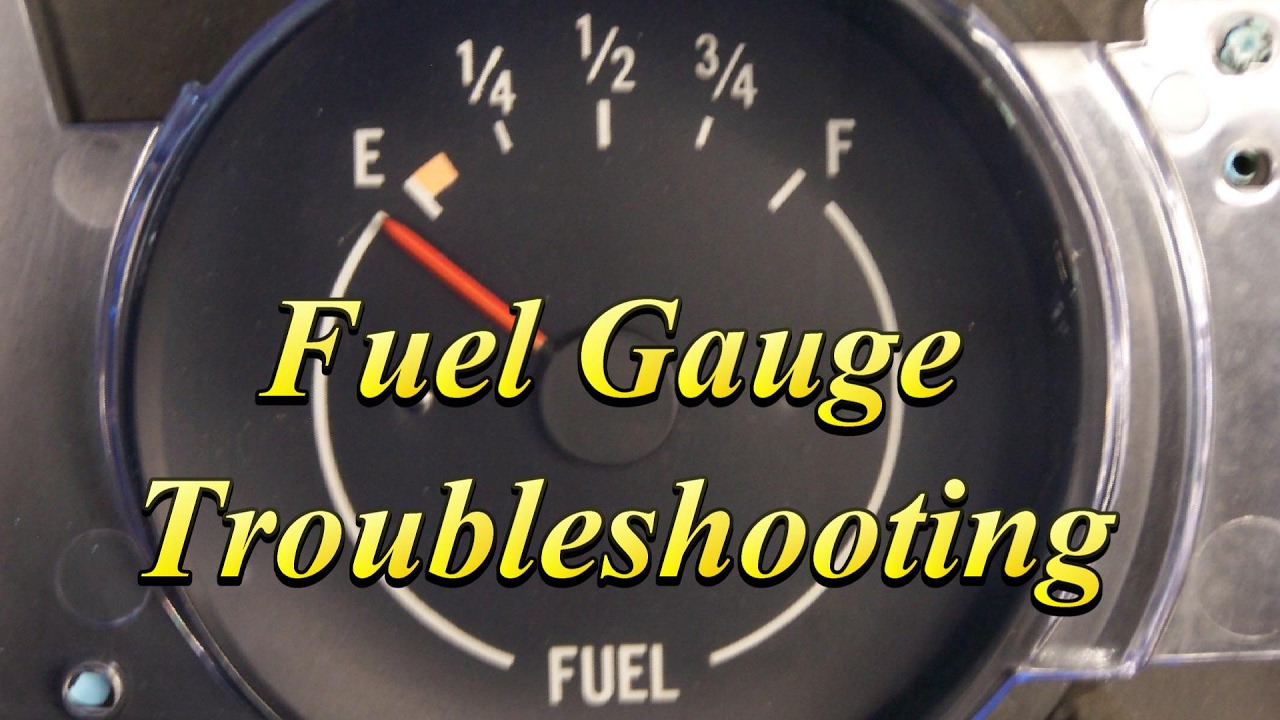
Credit: www.youtube.com
Frequently Asked Questions
What Causes A Fuel Gauge To Not Read Properly?
A fuel gauge often misreads due to a faulty fuel sending unit, stuck float, electrical issues, or dashboard instrument failure. Dirt, corrosion, or blown fuses can disrupt signals. Driving on slopes may also cause temporary inaccurate readings. Regular inspection helps maintain proper gauge function.
How To Test A Faulty Fuel Gauge?
Check the fuse and wiring for damage or corrosion. Observe if the gauge sticks or fluctuates. Use a multimeter to test the fuel sending unit’s resistance. Compare readings with the fuel tank level. Replace faulty parts or consult a mechanic for accurate diagnosis.
How To Reset Fuel Gauge Sensor?
To reset a fuel gauge sensor, turn the ignition on then off. Disconnect and reconnect the vehicle’s battery. Check fuses and wiring for faults. If issues persist, inspect or replace the fuel sending unit or consult a mechanic.
Why Does My Car Say Low Fuel When It’s Full?
Your car shows low fuel when full due to a faulty fuel sender unit, stuck float, wiring issues, or instrument cluster faults. Dirt or corrosion can cause inaccurate readings. Check fuses, wiring, and consider professional inspection to fix the problem.
What Causes A Fuel Gauge To Stop Working?
A fuel gauge may fail due to a broken float, bad wiring, or a blown fuse. Dirt or corrosion can also block the signal to the gauge. Sometimes, the dashboard gauge itself can be faulty.
Conclusion
Troubleshooting a fuel gauge can save time and money. Start by checking the fuel sending unit for faults. Inspect wires and fuses to ensure proper electrical flow. Clean or replace a stuck float to improve accuracy. Monitor the gauge while driving on level ground for steady readings.
Remember, small fixes often solve common fuel gauge problems. Stay patient and thorough during diagnosis to keep your vehicle running smoothly. Proper care prevents surprises and ensures you know your fuel level at all times.