Is your furnace fan acting up when you need it most? Maybe it won’t start, or the airflow feels weak and uneven.
These problems can leave your home cold and uncomfortable, and figuring out what’s wrong can seem confusing. But don’t worry—you’re not alone, and you don’t have to call a technician right away. By learning some simple furnace fan troubleshooting steps, you can quickly identify common issues and get your system running smoothly again.
In this guide, you’ll discover easy-to-follow tips that save you time, money, and stress. Ready to take control and warm your home again? Let’s dive in.
Common Furnace Fan Problems
Furnace fans play a vital role in keeping your home warm and comfortable. Problems with the fan can stop warm air from circulating properly. Identifying common furnace fan issues helps you know when to fix or call a pro. Below are typical furnace fan problems many homeowners face.
No Airflow
No airflow means no warm air moves through the vents. This issue often happens if the blower motor fails. Other causes include a broken fan belt or a clogged air filter. Check these parts first to restore proper airflow quickly.
Reduced Airflow
Reduced airflow lowers heating efficiency and comfort. Dust buildup in vents or filters often causes this problem. Sometimes, the fan motor runs weakly or the ductwork is blocked. Cleaning or replacing filters and inspecting ducts can improve airflow.
Unusual Noises
Strange sounds from your furnace fan signal trouble. Rattling, squealing, or grinding noises usually mean loose parts or worn bearings. These noises need quick attention to avoid bigger damage. Tightening or replacing parts often stops the noise.
High Energy Consumption
A furnace fan using more electricity than usual can raise bills. This often happens when the motor works harder to move air. Dirty filters, blocked ducts, or failing motors cause this strain. Regular maintenance keeps energy use low and your system efficient.
Strange Odors
Odd smells from the furnace fan can indicate dust burning or electrical issues. A burning smell may come from dust on the motor or wiring problems. If you notice unusual odors, turn off the furnace and inspect it. Safety first to prevent fire hazards.

Credit: bmic.ae
Why Furnace Fan Won’t Start
The furnace fan plays a crucial role in distributing warm air throughout your home. When the fan does not start, the entire heating system becomes ineffective. Identifying why the furnace fan won’t start helps prevent discomfort and costly repairs. Common causes range from simple thermostat problems to mechanical failures.
Thermostat Issues
The thermostat controls the furnace fan operation. Incorrect thermostat settings can stop the fan from starting. Ensure the thermostat is set to “heat” and the fan mode is on “auto” or “on.” A dead thermostat battery may also prevent signals from reaching the furnace. Check and replace batteries regularly to avoid this issue.
Blown Fuse Or Tripped Breaker
The furnace fan relies on electrical power to run. A blown fuse or tripped circuit breaker can cut off this power. Locate the furnace’s circuit breaker panel and check for any tripped breakers. Resetting the breaker or replacing the fuse might restore power and start the fan. Electrical issues should be handled carefully to avoid hazards.
Faulty Blower Motor
The blower motor drives the furnace fan. Over time, it can wear out or fail due to dust, debris, or electrical problems. Signs of a faulty blower motor include strange noises or no airflow. Testing the motor requires basic electrical knowledge. A professional technician can diagnose and replace the motor if needed.
Resetting The Furnace Blower Motor
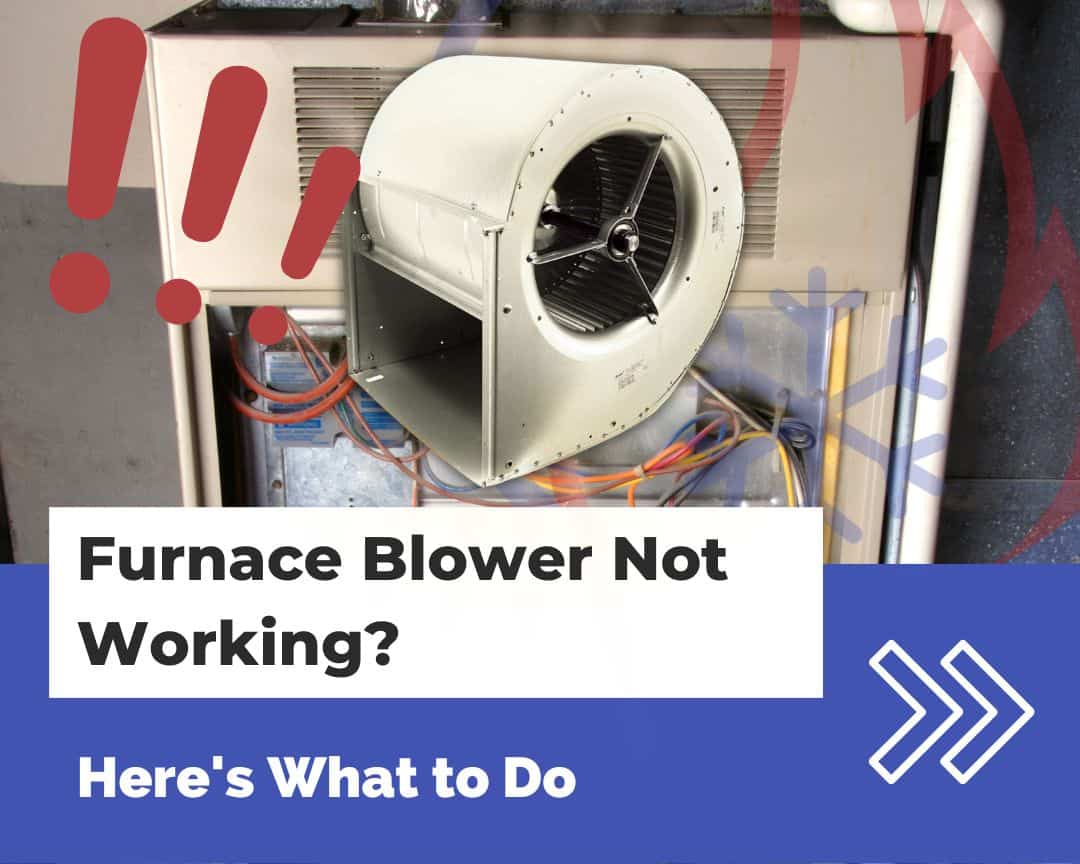
Resetting the furnace blower motor can solve many common furnace fan issues. This process helps clear any electrical faults that stop the motor from running. It is a simple step before calling a technician. Resetting may restore normal blower function quickly.
Power Shutdown Steps
Start by turning off the power to your furnace. Find the circuit breaker that controls the furnace and switch it off. Also, turn off the power switch located near the furnace. This ensures safety during the reset process.
Wait for a few minutes to let the furnace cool down. This pause helps clear any electrical charges in the system. Do not skip this step.
Locating The Reset Button
Open the blower compartment by removing the cover. You may need a screwdriver for this. Inside, look for a small red or yellow button on the blower motor. It is often marked with an “R” for reset.
The button is usually on the side or bottom of the motor. Press it firmly to reset the motor. Hold it for about 5 seconds, then release.
Restarting The System
After pressing the reset button, close the blower compartment cover securely. Turn the furnace power switch back on. Then, flip the circuit breaker to the ON position. This restores power to your furnace.
Set your thermostat to call for heat. This action triggers the furnace to start the blower motor. Watch for any unusual sounds or signs of trouble.
Testing After Reset
Check if the blower fan runs smoothly after the reset. Feel for warm air coming from the vents. If the fan still does not work, repeat the reset steps once more.
Persistent problems may require professional help. A technician can inspect for deeper issues like motor failure or electrical faults.
Credit: www.abottomlineco.com
When Reset Doesn’t Work
Sometimes, resetting your furnace fan does not fix the problem. The fan may still fail to start or run properly. This means a deeper issue might exist. Follow these steps to troubleshoot further before calling for help.
Checking The Circuit Breaker
Start by checking the circuit breaker. The furnace fan needs electricity to run. A tripped breaker can stop power flow. Go to your electrical panel and find the breaker for the furnace. If it is off or in the middle position, switch it off and then back on. This resets the breaker and may restore power to the fan.
If the breaker trips again quickly, do not keep resetting it. This indicates a wiring problem or electrical fault that needs expert repair.
Verifying Thermostat Settings
Next, check the thermostat. The fan depends on thermostat commands. Ensure it is set to “Heat” or “Auto” mode. The fan setting should be “Auto” to run only when heating is on. If set to “Off” or “Cool,” the fan will not start.
Also, set the temperature higher than the room temperature to trigger the furnace. Sometimes, incorrect settings cause the fan to stay off.
Knowing When To Call A Professional
If the breaker is fine and thermostat settings are correct, the problem may be internal. Faulty wiring, a bad blower motor, or a broken fan control board can cause failure. These parts require special tools and knowledge to fix.
Contact a licensed HVAC technician for safe and effective repair. Trying to fix complex issues yourself can cause injury or damage. A professional will diagnose and resolve the problem quickly.
Distinguishing Blower Motor Vs Resistor Issues
Distinguishing between blower motor and resistor issues is key to effective furnace fan troubleshooting. Both parts affect fan operation but show different symptoms. Knowing these differences helps you identify the root cause quickly. This saves time and avoids unnecessary repairs.
The blower motor powers the fan, pushing air through your home. The resistor controls the fan speed by adjusting voltage. Problems with either can cause fan malfunctions. Let’s explore common signs linked to each issue.
Fan Works Only On High Speed
This is a classic sign of a faulty blower motor resistor. The resistor controls low and medium speeds, but high speed bypasses it. If the fan only runs on high, the resistor likely failed. Replacing the resistor usually fixes this problem. The blower motor itself is often fine in this case.
Complete Fan Failure
When the fan does not run at all, the blower motor may be the problem. Check the power supply and fuses first. If those are fine, the motor could be burned out or seized. Motor failure causes total airflow loss, making the furnace unable to heat your home. A technician can test and replace the blower motor if needed.
Fan Making Noise
Unusual sounds like rattling or screeching often point to blower motor issues. Worn bearings or debris inside the motor cause noise. The motor may still run but sounds abnormal. Resistor problems rarely produce noise. Cleaning or replacing the blower motor can restore quiet operation.
Quick Diy Fixes
Furnace fan issues can be frustrating, especially during cold days. Some problems are simple and can be fixed quickly at home. These quick DIY fixes save time and avoid costly repairs. Basic maintenance often solves common furnace fan troubles. Here are easy steps to get your furnace fan running smoothly again.
Cleaning The Blower Motor
Dirt and dust build up on the blower motor over time. This can cause the fan to work harder or stop. Turn off the power before cleaning. Use a soft brush or cloth to remove dust. Clean the motor vents to improve airflow. Avoid using water or liquids near the motor. Regular cleaning helps the fan run quietly and efficiently.
Replacing The Air Filter
A clogged air filter reduces airflow and strains the furnace fan. Check the filter every month during heavy use. Replace dirty filters with a new one of the same size. Slide the filter in the correct direction, following the arrows. Clean filters improve air quality and fan performance. This simple step often fixes airflow problems quickly.
Tightening Loose Components
Loose screws or parts can cause rattling noises and poor fan operation. Turn off the furnace power before inspecting. Check the blower motor mount and fan blade screws. Use a screwdriver to tighten any loose components. Secure parts reduce vibration and prevent damage. Tightening helps the furnace fan run smoothly and quietly.

Credit: www.youtube.com
Frequently Asked Questions
How To Tell If A Furnace Fan Is Bad?
A bad furnace fan shows no airflow or weak airflow from vents. Listen for rattling or screeching noises. High energy bills and strange smells also indicate issues.
Why Is My Furnace Fan Not Kicking On?
Your furnace fan may not kick on due to incorrect thermostat settings, a blown fuse, or a tripped circuit breaker. Check these first. Faulty blower motor, capacitor, or control board can also cause the issue. Call a professional if basic troubleshooting doesn’t work.
How To Reset Furnace Blower Motor?
Turn off the furnace power at the breaker and switch. Wait 5 minutes for cooling. Open the blower compartment, press the red or yellow reset button on the motor. Close the cover, restore power, and test the blower by adjusting the thermostat.
Call a professional if it won’t reset.
How Do You Tell If It’s The Blower Motor Or Resistor Bad?
A bad blower motor causes no airflow and strange noises. A faulty resistor results in limited fan speeds or no fan at certain settings. Test fan speeds; if only some fail, the resistor is likely bad. If the fan doesn’t run at all, the blower motor may be faulty.
What Causes A Furnace Fan To Stop Working Suddenly?
A furnace fan can stop due to a blown fuse, tripped breaker, or motor failure. Thermostat settings may also prevent it from turning on. Checking these can help identify the problem quickly.
Conclusion
Troubleshooting a furnace fan can save time and money. Start with simple checks like thermostat settings and circuit breakers. Listen for unusual noises and watch for weak airflow. Resetting the blower motor often fixes minor problems. Still not working? The issue may need a professional’s help.
Regular maintenance keeps your furnace fan running smoothly. Stay safe and comfortable with a well-functioning heating system.