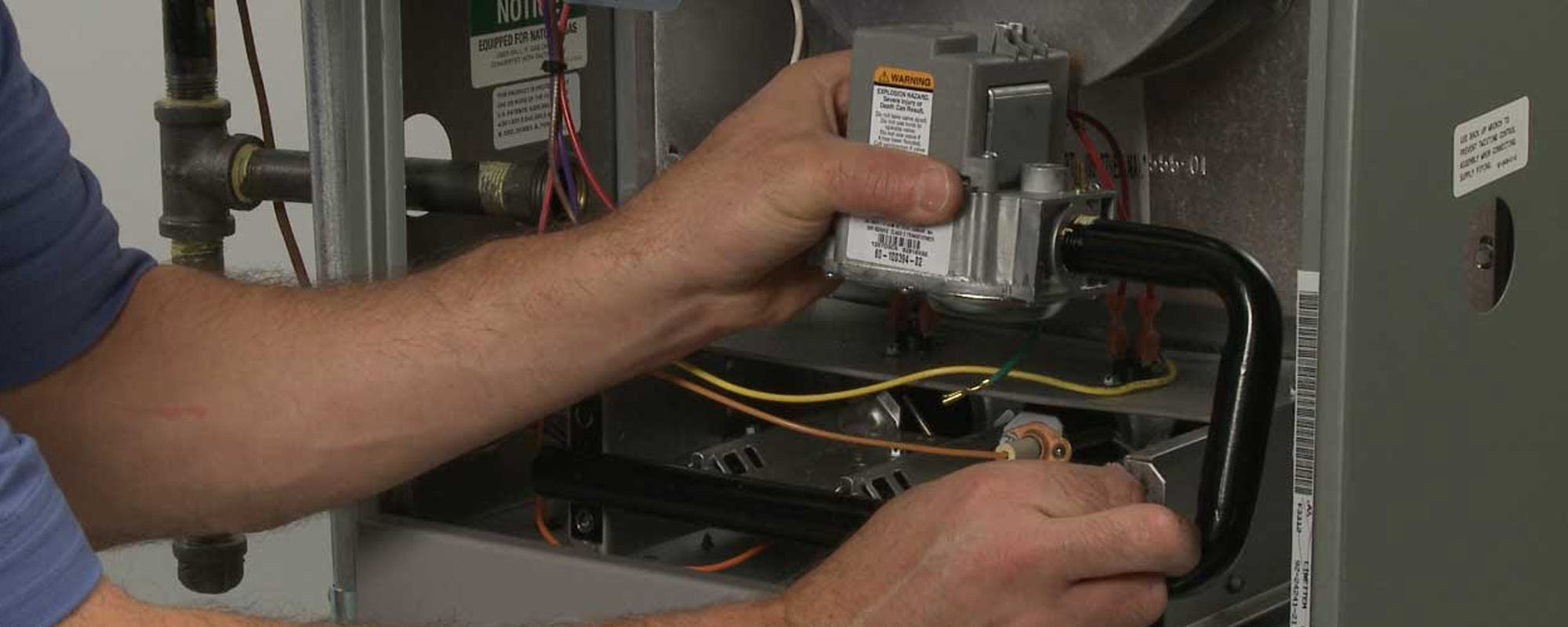
Is your furnace failing to heat your home properly? One common culprit behind this frustrating problem is the furnace gas valve.
When this crucial component malfunctions, you might notice your furnace blowing cold air, short cycling, or even strange noises that signal something’s wrong. You could also detect a gas odor, which is a serious safety warning you must never ignore.
Understanding how to troubleshoot your furnace gas valve can save you time, money, and prevent further damage. You’ll learn how to identify key symptoms of a faulty gas valve, what steps you can safely take, and when it’s time to call a professional. Keep reading to regain control over your home’s heating and ensure your family stays warm and safe.
Credit: thefurnaceoutlet.com
Symptoms Of A Bad Gas Valve
A faulty furnace gas valve causes many heating problems. It controls gas flow to the burner. If it fails, the furnace cannot heat your home properly. Knowing the signs of a bad gas valve helps you act fast. Spotting these symptoms early can prevent bigger issues and keep your home safe.
No Heat Or Cold Air
The furnace runs but does not produce heat. It may blow cold or room temperature air. This happens when the gas valve fails to open. No gas reaches the burner, so no flame forms. The system stays on, but the heat never starts.
Short Cycling Furnace
The furnace turns on and off quickly and often. This rapid cycling happens when the gas valve opens and closes too fast. It may try to ignite but cannot maintain the flame. Short cycling wastes energy and stresses furnace parts.
Gas Odor Detection
You might smell a rotten egg or sulfur-like odor near the furnace. This smell means a gas leak, often caused by a bad gas valve. Gas leaks are dangerous and require immediate attention. Never ignore the smell of gas.
Unusual Noises
Listen for strange sounds like rumbling, hissing, or clicking. These noises may come from a malfunctioning gas valve. The valve may struggle to open or close properly. Strange sounds often signal a problem needing repair.
Inconsistent Heating
The heat varies from warm to cold in your home. This happens when the gas valve allows gas flow to be uneven. Some rooms may feel warm while others stay chilly. Inconsistent heating makes your home uncomfortable.
Ignition Failure
The furnace fails to light even when turned on. The gas valve may not supply gas to the igniter. Without gas, no flame can form. Ignition failure leaves your home without heat and may cause the furnace to lock out.

Credit: www.youtube.com
Safety Precautions
Safety is the top priority when troubleshooting a furnace gas valve. Handling gas components without care can cause serious harm. Before starting any work, understanding key safety steps is essential. Knowing how to spot dangers and react quickly protects you and others nearby.
Recognizing Gas Leaks
Gas leaks often have a distinct smell, like rotten eggs. This odor is added to natural gas to make leaks easier to detect. Other signs include hissing sounds near the furnace or dead plants around gas lines. If you notice any of these, treat it as an emergency.
Emergency Steps
Turn off the furnace and the main gas supply immediately. Avoid using electrical switches, phones, or anything that can create sparks. Open windows and doors to air out the area. Leave the building and call your gas company or emergency services from a safe distance.
When To Evacuate
Evacuate the building if the gas smell is strong or if you hear a loud hissing noise. Stay outside and away from the house until professionals say it is safe. Do not return inside until the gas company or fire department gives the all-clear.
Basic Checks Before Troubleshooting
Before diving into furnace gas valve troubleshooting, some basic checks help save time. These simple steps ensure that the problem is not caused by easy-to-fix issues. Start with confirming the gas supply, inspecting the igniter, and checking the furnace power. These checks set a clear path for more advanced troubleshooting.
Confirming Gas Supply
Check if the main gas valve is open. A closed valve stops gas flow to the furnace. Look for any gas leaks or unusual smells near the furnace. If the smell of gas is strong, turn off the gas supply immediately and call a professional. Ensure the gas meter shows normal readings. No gas means the furnace cannot operate properly.
Inspecting The Igniter
Look at the igniter for any cracks or damage. A faulty igniter will not light the gas. Clean any dirt or debris around the igniter carefully. Watch the furnace cycle to see if the igniter glows or sparks. No glow means the igniter might need replacement. A working igniter is essential for the furnace to start heating.
Checking Furnace Power
Verify the furnace is plugged in and the power switch is on. Check the circuit breaker or fuse box for any tripped breakers or blown fuses. A lack of power stops the furnace from working entirely. Make sure the thermostat is set to “heat” and the temperature is above room level. Without power, the gas valve will not open.

Credit: www.colegiolainmaculada.edu.co
Resetting The Furnace Gas Valve
Troubleshooting a furnace gas valve often involves simple steps anyone can try. These quick fixes can restore proper function without needing a professional. Most issues arise from dirt, loose parts, or worn components. Regular maintenance helps prevent future problems.
Cleaning The Valve
Dirt and dust can block the gas valve, stopping gas flow. Turn off the furnace and gas supply first. Use a soft brush or compressed air to clean the valve gently. Avoid harsh chemicals that might damage parts. Clean the surrounding area too. After cleaning, check if the valve moves freely.
Tightening Connections
Loose connections cause gas leaks or valve failure. Inspect all screws and fittings around the valve. Use a wrench to tighten any loose nuts or bolts. Check electrical wires for secure connections. Loose wires can stop the valve from opening. Tighten carefully to avoid damaging threads or wires.
Replacing Faulty Components
Some parts wear out over time and need replacement. Common faulty parts include solenoids and diaphragms inside the valve. Test the solenoid with a multimeter for continuity. Replace it if it shows no reading. Also, replace any cracked or damaged seals. Use parts made for your furnace model to ensure safety and fit.
Frequently Asked Questions
How Do I Know If My Furnace Gas Valve Is Bad?
A bad furnace gas valve causes no heat, short cycling, strange noises, gas odors, or cool air despite heat demand. Check for these symptoms and call a professional for safe diagnosis and repair.
How Do I Reset A Furnace Gas Valve?
Turn off furnace power and gas supply. Wait five minutes for safety. Restore power and gas. Press the reset button on the gas valve if available. If the furnace doesn’t ignite, call a licensed HVAC technician for inspection and repair.
Why Does My Furnace Gas Valve Click But No Gas?
A clicking gas valve with no gas flow often means the valve is faulty or stuck. Check the gas supply and igniter. Call an HVAC technician to inspect and repair the valve safely.
How To Test If A Gas Valve Is Opening?
Turn off the furnace power and gas supply. Use a multimeter to check voltage at the gas valve. Listen for a clicking sound when the thermostat calls for heat. Confirm gas flow by observing the burner ignition. If no gas flows, the valve may not open.
How Do I Know If My Furnace Gas Valve Is Bad?
Signs of a bad gas valve include no heat or inconsistent heating. You might hear strange noises or smell gas odors. These symptoms mean the valve may not be allowing gas flow properly.
Conclusion
Troubleshooting a furnace gas valve can save time and money. Watch for signs like no heat, strange noises, or gas smells. Always prioritize safety when dealing with gas leaks. Simple checks often reveal valve issues quickly. Regular maintenance helps keep your furnace running smoothly.
Understanding these basics helps you spot problems early. Stay alert and act fast to avoid bigger repairs. A well-functioning gas valve keeps your home warm and safe.