Is your furnace refusing to turn on just when you need it most? Nothing is more frustrating than a cold home and a furnace that won’t start.
But before you rush to call a repair technician, there are simple checks you can do yourself to possibly fix the problem quickly and save time and money. In this guide, you’ll discover easy troubleshooting steps you can take right now—from checking your thermostat settings to inspecting filters and power sources.
You’ll also learn when it’s time to call in a professional to handle more complex issues. Keep reading to get your furnace back up and running and bring warmth back to your home today!

Credit: www.youtube.com
Check Thermostat Settings
Checking your thermostat settings is a simple first step in furnace troubleshooting. Incorrect settings often cause the furnace to stop working. Ensuring the thermostat is set correctly can save time and avoid unnecessary repairs.
Set To Heat Mode
Make sure the thermostat is set to “Heat” mode. Sometimes it may be on “Cool” or “Off.” This stops the furnace from turning on. Changing it to “Heat” will tell the furnace to start warming your home.
Adjust Temperature
Check the temperature setting on the thermostat. It should be higher than the current room temperature. If it is set too low, the furnace will not run. Raise the temperature to a comfortable level to activate the heating system.
Replace Batteries
Many thermostats use batteries to operate. Dead batteries can cause the thermostat to stop working. Replace old batteries with fresh ones. This simple step can restore the thermostat’s function and get your furnace running again.
Credit: www.ooeygooey.com
Inspect Power Supply
Before diving into complex repairs, start by inspecting the furnace’s power supply. A furnace needs a steady power source to run correctly. Even a small power interruption can stop it from working. Checking the power supply is simple and often solves the issue quickly.
Furnace Power Switch
Locate the furnace power switch near the unit. It looks like a regular light switch. Make sure it is turned on. Sometimes, it may get switched off by mistake during cleaning or maintenance. If the switch is off, flip it on and see if the furnace starts working.
Reset Circuit Breaker
Next, check your home’s circuit breaker panel. Find the breaker labeled for the furnace. It may have tripped due to a power surge. If you see the breaker in the off position, switch it fully off, then back on. This reset can restore power to the furnace. After resetting, test the furnace to confirm it runs smoothly.
Replace Air Filter
Replacing the air filter is a simple yet crucial step in furnace troubleshooting. A dirty filter blocks airflow, causing the furnace to overheat and shut down. Regularly changing the air filter keeps your furnace running efficiently and extends its lifespan.
Clogged filters reduce air quality and increase energy bills. Checking and replacing the filter can solve many common furnace problems fast.
Identify Clogged Filters
Look inside the furnace for the air filter slot. Remove the filter carefully. Hold it up to a light source. If light does not pass through easily, the filter is clogged. Check for visible dust, dirt, and debris. A clogged filter looks gray or brown instead of white. Replace the filter if it is dirty.
Proper Replacement Steps
Turn off the furnace power before removing the old filter. Note the filter’s size printed on its frame. Buy a new filter with the same size and type. Slide the new filter into the slot with the airflow arrow pointing in the correct direction. Secure the filter properly and turn the furnace power back on. Check the furnace operation to ensure it runs smoothly.
Credit: www.bryant.com
Secure Furnace Door
Securing the furnace door is a key step in troubleshooting a furnace that won’t work. The furnace door holds critical safety switches that stop the furnace if the door is open. A loose or unclosed door can prevent the furnace from starting. Checking and securing the door ensures the furnace can run safely and properly.
Check Access Panel
Locate the furnace access panel. It is usually on the front or side of the unit. Make sure it is fully closed and latched. A panel that is not secure can trigger the safety switch. This stops the furnace from turning on to avoid danger. Tighten any screws or clips holding the panel in place. The furnace will only work if the access panel is correctly secured.
Reset Safety Switch
The safety switch stops the furnace if the door is open. Sometimes it trips even if the door is closed. Find the switch near the furnace door or access panel. Press the reset button or move the switch to reset it. This allows the furnace to start again. If the switch does not reset, check the door and panel again. A stuck or broken switch may need a technician’s help.
Relight Pilot Light
Relighting the pilot light is a common fix for furnaces that won’t start. Many older gas furnaces use a small pilot flame to ignite the main burner. If this light goes out, the furnace will not produce heat. Knowing how to find and safely relight the pilot light can restore warmth quickly without waiting for a technician.
Follow simple steps carefully to avoid any safety risks. Always double-check that gas is turned on before attempting to relight the pilot. If the pilot light won’t stay lit, it might indicate a deeper issue requiring professional help.
Locate Pilot Light
First, find the pilot light assembly. It is usually near the bottom of the furnace, behind a small access panel. Look for a small gas valve and a burner tube. The pilot light is a tiny flame located near the burner.
Some furnaces have a viewing window to see the pilot light. If you do not see one, open the panel carefully. Use a flashlight if needed to spot the pilot light. Make sure the area is well ventilated and free from dust or debris.
Safe Relighting Procedure
Turn off the furnace and wait five minutes to clear any gas. This step prevents accidental gas buildup and reduces fire risk. Find the gas control knob on the furnace. Turn it to the “pilot” position.
Press and hold the knob down to allow gas flow. Use a long lighter or match to ignite the pilot light while holding the knob. Keep holding the knob for 30 seconds after the light stays lit. Then slowly release the knob.
If the pilot light goes out, repeat the process. Avoid trying more than three times. If the pilot light will not stay lit, call a professional technician immediately. Turn the gas off if you smell gas or feel unsure at any step.
Verify Gas Supply
Checking the gas supply is a key step if your furnace is not working. The furnace needs a steady flow of gas to create heat. Without gas, it cannot operate properly. Start by confirming the gas is reaching the furnace safely and without interruption. This can prevent unnecessary repairs and save time.
Open Gas Valve
Locate the gas valve near your furnace. It usually looks like a lever or knob on the gas pipe. Make sure the valve is fully open. If it is closed or partially closed, your furnace will not get gas. Turn the valve until it is parallel with the pipe. This allows gas to flow freely to your furnace.
Detect Gas Leaks
Gas leaks are dangerous and must be handled immediately. Use a gas leak detector or soapy water to check connections. Apply soapy water to the joints and watch for bubbles. Bubbles mean gas is escaping. If you smell gas or see bubbles, do not light the furnace. Leave the area and call your gas company or a professional technician at once.
Reset Furnace
Resetting your furnace can often fix minor issues causing it to stop working. This simple process helps clear faults and restarts the system. Before calling a technician, try resetting the furnace yourself. It is a quick way to get your heat back on.
Most furnaces have a reset button located on the unit. Knowing where to find this button is key. Follow the steps carefully to reset your furnace safely and correctly.
Locate Reset Button
First, turn off the power to the furnace. This prevents any risk of electrical shock.
Look for the furnace access panel. This is usually on the front or side of the unit.
Open the panel to reveal the furnace controls and wiring.
The reset button is often red or yellow and small. It may say “Reset” on it.
If you cannot find the button, check your furnace manual for its exact location.
Step-by-step Reset
Once you locate the reset button, press it firmly but do not hold it down for more than 30 seconds.
Release the button and wait about 5 minutes. This lets the furnace try to restart.
Turn the power back on to the furnace.
Set your thermostat to heat mode and raise the temperature to start the furnace.
Listen for the furnace to ignite and begin blowing warm air.
If the furnace does not start, you can try the reset process one more time.
Repeated resets may signal a bigger issue needing professional help.
Troubleshoot Internal Issues
Internal problems often cause a furnace to stop working. These issues affect the furnace’s core parts. Troubleshooting these can restore heat quickly. Understanding common internal faults helps identify the cause fast. Below are key areas to check inside your furnace.
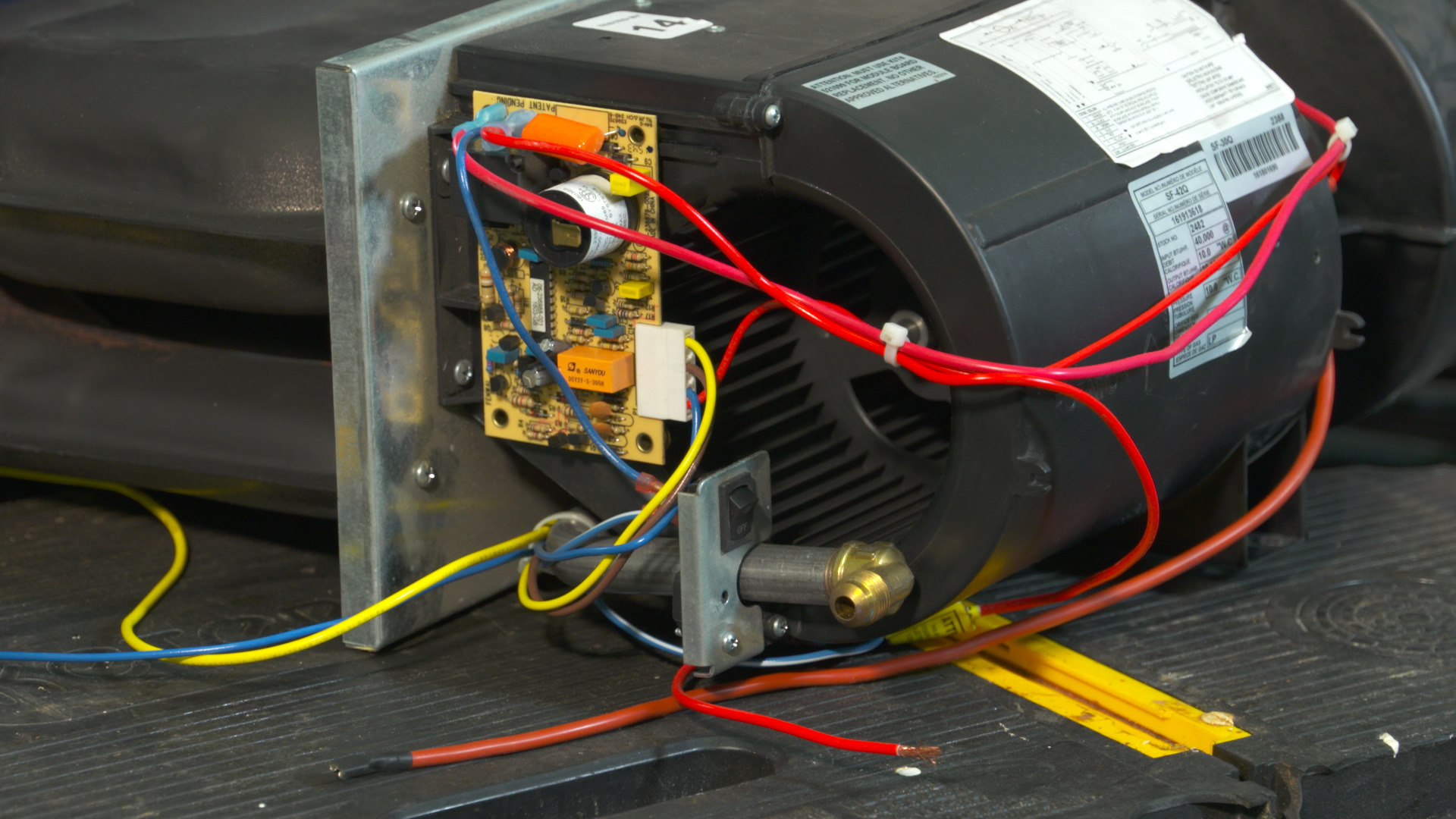
Faulty Igniter
The igniter lights the furnace burner. A faulty igniter stops the furnace from heating. Signs include clicking sounds without heat. Test the igniter for cracks or wear. Replace it if damaged to restore ignition.
Dirty Flame Sensor
The flame sensor detects the burner’s flame. Dirt buildup can block its signal. This causes the furnace to shut off for safety. Clean the sensor gently with fine sandpaper. Regular cleaning prevents false shut-offs.
Control Board Problems
The control board manages furnace functions. A faulty board causes erratic operation or no response. Look for burnt marks or loose wires. Reset the board by turning off power briefly. Replace if damage appears.
Pressure Switch And Inducer Motor
The pressure switch ensures safe gas flow. The inducer motor clears exhaust gases. A stuck pressure switch or broken inducer stops the furnace. Check for blocked vents or faulty motors. Replace parts if they fail tests.
Blocked Flue And Condensate Line
Blocked flue pipes prevent exhaust release. Condensate lines can clog with debris or ice. These blockages cause the furnace to shut down. Inspect pipes for obstructions. Clear blockages to allow proper airflow and drainage.
When To Call A Technician
Knowing when to call a technician saves time and prevents damage. Some furnace problems are simple to fix. Others need professional tools and skills. Recognizing signs of complex issues is key. Safety matters most when dealing with heating systems. This guide helps you decide the right moment to get expert help.
Signs Of Complex Problems
Strange noises like banging or rattling suggest serious trouble. A furnace that turns on but does not heat well needs checking. Frequent cycling on and off wears parts quickly. Yellow or flickering pilot lights can mean gas issues. If the furnace smells like gas or smoke, call a technician immediately. Electrical problems or a blown fuse also require expert care. These signs show the problem is beyond basic troubleshooting.
Safety Considerations
Gas leaks pose a severe danger to health and property. Never try to fix a gas smell by yourself. Carbon monoxide leaks are silent and deadly. Install a carbon monoxide detector in your home for protection. Turn off the furnace and open windows if you smell gas. Electrical shocks can happen if wires are exposed. Always switch off power before inspecting the furnace. For safety, leave complex repairs and inspections to trained professionals.
Frequently Asked Questions
What Would Cause My Furnace To Not Kick On?
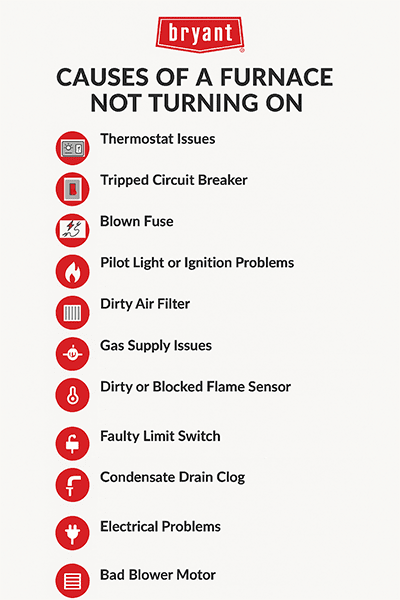
A furnace may not kick on due to incorrect thermostat settings, tripped breaker, power switch off, dirty air filter, open furnace door, out pilot light, faulty igniter, flame sensor issues, or gas supply problems. Check these first; call a professional if problems persist.
How To Reset A Furnace?
To reset a furnace, turn off power at the breaker and furnace switch. Wait five minutes, then turn power back on. Check the thermostat settings and ensure the furnace door is closed. Replace dirty air filters and relight the pilot light if applicable.
Call a professional for complex issues.
How To Troubleshoot A Furnace Not Working?
Check thermostat settings, power switch, and circuit breaker first. Replace dirty air filter. Ensure furnace door is closed. Relight pilot light on older models. Confirm gas supply is on. Call a professional for faulty igniters, flame sensors, or persistent issues.
What Is The Most Common Furnace Problem?
The most common furnace problem is a dirty or clogged air filter. It restricts airflow and causes overheating. Replace filters regularly to keep your furnace running efficiently.
Why Is My Furnace Not Turning On At All?
Check the thermostat settings to ensure it’s set to heat mode. Also, verify the circuit breaker and power switch are on. Dirty filters or tripped switches can stop the furnace from starting.
Conclusion
Troubleshooting a furnace can save time and money. Start with simple checks like thermostat settings and power supply. Clean or replace dirty air filters regularly. Watch for tripped switches or pilot light issues on older models. Some problems need professional help, especially with igniters or gas supply.
Staying calm and methodical helps find the cause faster. Keep your furnace well-maintained to avoid future breakdowns. Small steps often fix common furnace problems quickly. Don’t ignore warning signs to keep your home warm and safe all winter.