Is your GAL door operator acting up and slowing down your daily routine? Whether the door sticks, won’t start, or refuses to stop when it should, these common problems can be frustrating.
But don’t worry—you have the power to fix many issues yourself. By understanding a few simple checks and adjustments, you can get your door running smoothly again without waiting for a costly service call. You’ll discover straightforward troubleshooting tips to tackle mechanical alignments, power hiccups, and safety sensor glitches.
Keep reading to regain full control of your GAL door operator and avoid downtime. Your easy step-by-step guide to quick, effective fixes starts here.

Credit: www.gal.com
Common Issues
GAL door operators often face a few common problems that affect their performance. Understanding these issues helps in quick troubleshooting. This section highlights the most frequent problems and how to identify them.
Doors Bind Or Stutter
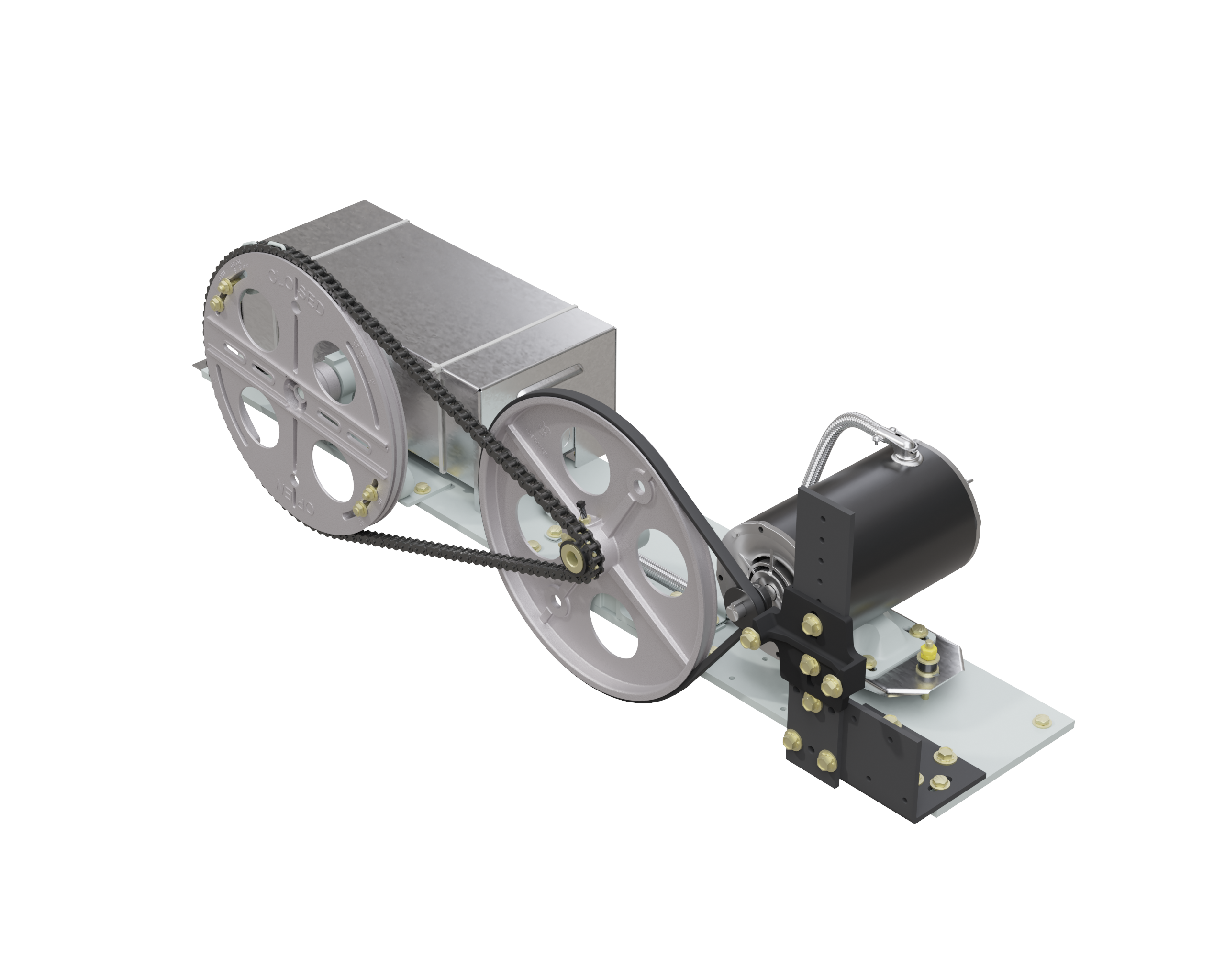
Doors that bind or stutter usually have mechanical problems. Check if the door is plumb and moves freely without resistance. Look for misaligned operator arms or linkage that may force the door. Adjust the operator brackets or realign the tracks if needed.
The clutch cam should retract late but clear the rollers when the door closes. Incorrect crank arm or link angles cause poor door travel. Lubricate moving parts to reduce friction and prevent stuttering.
No Power Or Operation
When the door operator has no power, start by checking the breakers for any trips. Verify the power supply to the control box and outlet. Some older systems rely on batteries if line voltage wiring is incorrect.
Test the backup batteries as cold weather or deep discharge lowers their voltage. Press the reset button on the circuit board to restart the controller. These steps often restore power and normal operation.
Doors Don’t Stop Or Reverse
Doors failing to stop or reverse pose a safety risk. Inspect photo eyes for dirt or obstructions. Ensure both sensors align at the correct height and distance from the wall.
Check the safety edges and interlock contacts for damage or misalignment. Faulty wiring on these devices can prevent the door from stopping or reversing properly. Repair or replace damaged components to restore function.
Mechanical Checks
Mechanical checks are key for troubleshooting Gal door operators. These checks ensure smooth door operation and prevent damage. Focus on door alignment, operator arms, and track condition. Proper inspection helps detect issues early. Follow each step carefully for best results.
Door Alignment And Movement
Check if the door is plumb and moves freely. Doors that bind or stick cause operator strain. Look for uneven gaps or rubbing against the frame. Adjust the door frame or hinges to fix misalignment. Doors should slide smoothly without resistance.
Operator Arms And Linkage
Inspect the operator arms and linkage for wear or damage. Arms must move without force or binding. Check if the clutch releases correctly during door movement. Misaligned arms can cause stuttering or failure to stop. Tighten or reposition brackets as needed to ensure proper angles.
Track Realignment And Lubrication
Examine the tracks for bends or debris. Tracks out of alignment cause doors to jam. Realign tracks carefully to restore smooth travel. Clean and lubricate all moving parts with suitable grease. Proper lubrication reduces friction and wear on operator components.
Electrical Troubleshooting
Electrical troubleshooting is key to fixing GAL door operator problems. It involves checking power supply and electronic components. Faulty wiring or power interruptions often cause door operator failures. A careful step-by-step check helps identify and solve these issues quickly.
Breaker And Power Source
Start by inspecting the breaker panel. Look for any tripped breakers connected to the door operator. Reset any tripped breakers and test the door again. Confirm the power source is stable and delivering correct voltage. Use a multimeter to measure voltage at the control box. Loose or damaged wires can cause power loss. Tighten connections and replace damaged wires if needed.
Battery Backup Testing
Many GAL door operators use batteries for backup power. Test the batteries with a voltmeter to check their charge. Batteries that are old or deeply discharged may not provide enough power. Replace weak batteries to ensure reliable operation. Cold weather can reduce battery performance. Keep batteries in good condition for consistent door operation during outages.
Controller And Circuit Reset
The controller manages door operator functions. Sometimes it needs a reset to clear errors. Locate the reset button on the controller board. Press and hold the button for a few seconds. This action restarts the system and clears minor faults. If problems persist, check the circuit board for visible damage or loose connections. Replacing a faulty controller may be necessary for full repair.
Credit: www.gal.com
Safety Device Inspection
Safety device inspection plays a vital role in troubleshooting GAL door operators. These devices protect users and prevent accidents by stopping or reversing the door when obstacles appear. Regular checks ensure the devices function correctly, avoiding costly repairs and safety risks.
Inspecting safety devices involves examining photo eyes, safety edges, and wiring connections. Each element must work together smoothly to maintain reliable door operation. Neglecting these checks can lead to malfunctioning doors that pose hazards to people and property.
Photo Eye Alignment
Photo eyes detect objects in the door path using an infrared beam. They must face each other directly without any obstruction. Misaligned photo eyes cause the door to fail stopping or reversing.
Clean lenses gently with a soft cloth to remove dirt or debris. Use a level to ensure both units stand straight. Adjust their position until the beam connects perfectly, indicated by a steady light or signal.
Safety Edges And Contacts
Safety edges trigger the door to reverse when pressed by an object. Inspect edges for cracks, wear, or damage. Test the contacts by gently pressing the edge and confirming the door stops or reverses immediately.
Replace worn edges and repair misaligned contacts. Proper sealing and positioning prevent false triggers or failure to respond during use.
Wiring Verification
Check wiring connections for tightness and damage. Loose wires may cause intermittent faults or total failure of safety devices. Look for frayed insulation, corrosion, or signs of overheating.
Use a multimeter to test continuity and voltage. Replace faulty wires and secure loose connectors. Proper wiring ensures the safety system operates without interruption.
Adjustments And Resets
Adjustments and resets are key steps in troubleshooting Gal door operators. These actions help fix common issues without replacing parts. Proper adjustments ensure smooth door operation and extend system life.
Resetting the operator can clear minor faults and restore normal function. Understanding how to adjust settings and perform resets saves time and reduces downtime. Each part of the operator may require specific tuning for best results.
Clutch And Cam Settings
The clutch and cam control door movement and stopping points. Incorrect settings cause binding or failure to stop correctly. Adjust the clutch cam to release late but clear rollers when the door closes.
Check the crank arm and linkage angles. They must allow smooth travel without forcing the door. Small changes improve door timing and reduce stress on mechanical parts.
Motor Overload And Heat
Overloaded motors can shut down or run hot. This limits door operation and may damage the motor. Check for mechanical binding or heavy door loads causing excess motor strain.
Let the motor cool before resetting the overload protection. Inspect wiring and connections for signs of wear or shorts. Proper ventilation also helps keep the motor temperature safe.
Parameter Fine-tuning
Fine-tuning control parameters improves door speed, force, and sensitivity. Use the operator’s control panel or software to adjust limits and delay times. This helps prevent sudden stops or jerky movements.
Reset parameters to factory defaults if settings become confusing. Then, adjust step by step for optimal performance. Regular fine-tuning keeps the door responsive and safe for users.
Key Troubleshooting Steps
Troubleshooting GAL door operators requires a clear, step-by-step approach. This section covers key steps to identify and fix common problems quickly. Following these checks helps restore smooth door operation and prevents further damage. Focus on mechanical, electrical, and safety aspects for best results.
Verify Mechanical Setup First
Start by checking the door’s mechanical parts. Ensure the door is plumb and moves freely without binding. Look for any misalignment in the operator arms or brackets. Adjust the crank arm and linkage angles to match manufacturer guidelines. Proper mechanical setup prevents sticking and uneven wear.
Check Electrical Power Sources
Next, inspect all electrical power sources. Verify that breakers are not tripped and wiring is intact. Confirm the control box receives power from the main supply. Test backup batteries for voltage drops or damage. Electrical issues often cause the operator to stop or fail to start.
Inspect And Adjust Safety Devices
Safety devices must function correctly for safe operation. Check photo eyes for dirt, damage, or misalignment. Clean lenses and ensure both sensors face each other at the right height and distance. Inspect door edges and contact sensors for proper connection and response. Adjust devices to prevent false triggers or failures.
Perform Resets On Board And Motor
Resetting the control board and motor can clear error codes and faults. Locate the reset button on the circuit board and press it according to instructions. Power cycle the motor by turning it off and back on. This simple step often resolves issues related to software glitches or temporary overloads.
When To Seek Professional Help
Knowing when to call a professional for GAL door operator issues saves time and prevents damage. Some problems require special tools and expertise. Attempting repairs without proper knowledge can worsen the issue. It is best to recognize signs that need expert attention.
Complex Mechanical Issues
Mechanical problems like warped tracks or broken gears need expert repair. These issues affect door alignment and smooth movement. Professionals use precise tools to fix or replace parts. Trying complex fixes alone risks further damage or injury.
Electrical System Failures
Electrical failures involve wiring faults, circuit board damage, or power supply problems. These need a trained technician to diagnose and repair safely. Incorrect handling of electrical components can cause shocks or fire hazards. Professionals ensure proper testing and replacement.
Gal Technical Support Contact
GAL provides technical support for door operator troubleshooting. Contact their support team at 877-425-7778 for expert help. They offer guidance on repairs and parts. Reach out if problems persist beyond basic troubleshooting steps.

Credit: manuals.plus
Frequently Asked Questions
How Do You Reset The Automatic Door?
To reset an automatic door, first check mechanical alignment and power supply. Clear obstructions from photo eyes. Press the reset button on the control board or motor overload. Adjust clutch and linkage if needed. Ensure doors move freely without binding before testing operation again.
What Is The Number For Gal Tech Support?
The number for Gal Tech Support is 877-425-7778. Call this for technical assistance.
What Causes A Gal Door Operator To Stop Working Suddenly?
Power issues often cause sudden stops. Check breakers, wiring, and battery backup first. Mechanical binding can also halt door movement.
How Do I Fix A Gal Door That Binds Or Stutters?
Check if the door is plumb and moves freely without binding. Adjust operator arms and clutch linkage for smooth travel. Lubricate moving parts to reduce friction.
Why Won’t My Gal Door Reverse Or Stop Properly?
Photo eyes may be dirty or misaligned; clean and realign them. Inspect safety edges and interlock contacts for damage. Check wiring for loose connections.
Conclusion
Troubleshooting GAL door operators takes patience and careful checks. Start with mechanical parts and alignment for smooth movement. Test electrical power and reset controls if needed. Check safety sensors and wiring to ensure proper operation. Small adjustments often fix common problems quickly.
Keep the door clean and well-lubricated to avoid binding. Regular inspections help spot issues early and prevent failures. When unsure, seek professional help to avoid damage. Following these steps improves door performance and safety every time.