Is your garage door opener acting up right when you need it most? You’re not alone—and the good news is many common problems have simple fixes you can try yourself.
Whether your door won’t open, makes strange noises, or the remote just won’t respond, understanding the basics of garage door openers troubleshooting can save you time, money, and frustration. In this guide, you’ll discover easy steps to identify and solve the most frequent issues.
Keep reading to regain control of your garage door quickly and safely!
Common Opener Problems
Garage door openers can face several common problems that stop them from working properly. Understanding these issues helps you fix them quickly. This section highlights typical opener problems and how to spot them. Simple checks often save time and money.
Power Issues
Power problems are a major cause of garage door opener failures. Check if the opener is plugged in securely. A tripped circuit breaker or blown fuse might cut power. Inspect the power outlet by plugging in another device. Loose wiring or damaged cords can also cause power loss. Sometimes, the opener’s motor overheats and shuts down temporarily. Allow it to cool before trying again.
Remote And Keypad Failures
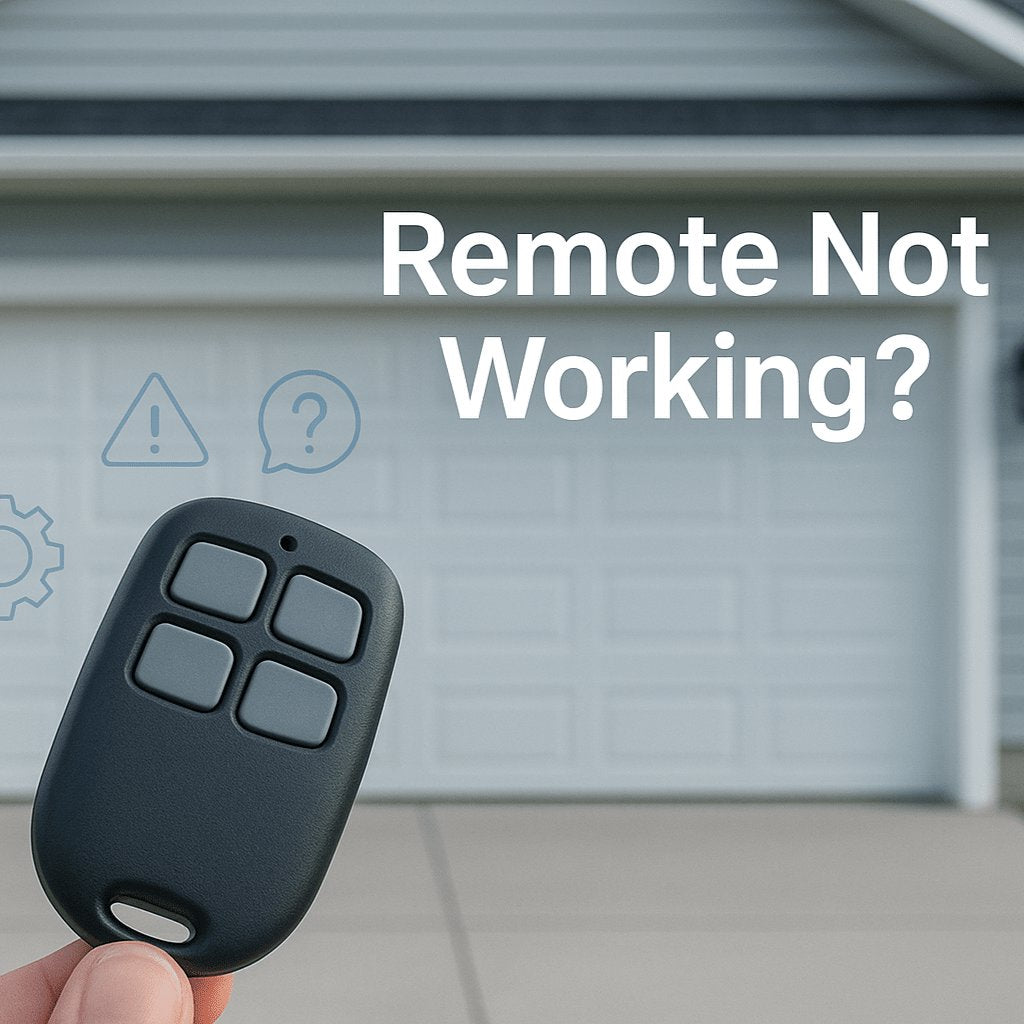
Remote controls and keypads often cause frustration. Dead batteries are the most common reason for failure. Replace batteries regularly to avoid issues. Signal interference can block remote signals. Nearby electronics or metal objects may cause this. Remotes can lose their programming and stop working. Follow the manufacturer’s instructions to reprogram devices. Check the opener’s antenna for damage or misalignment, as this affects signal strength.
Safety Sensor Malfunctions
Safety sensors prevent accidents but can cause door problems. Sensors must face each other and stay aligned. Dirt, spider webs, or snow can block their view. Clean sensor lenses gently with a soft cloth. Bright sunlight can confuse sensors, causing door reversal. Adjust sensor angles to reduce sunlight exposure. Faulty wiring or sensor damage also leads to malfunctions.
Mechanical Failures
Mechanical parts wear out over time and cause opener issues. Springs may break or lose tension, affecting door movement. Worn rollers create noise and slow operation. Check rollers for damage and replace if needed. Stripped drive gears inside the opener cause grinding sounds and poor function. Regular lubrication of moving parts keeps the door running smoothly. Watch for unusual noises or door reversal as signs of mechanical failure.
Credit: www.expressgaragedoors.com
Remote And Keypad Fixes
Remote and keypad issues often stop garage doors from working properly. These problems can be simple to fix with basic steps. This section covers easy solutions to common remote and keypad troubles. Fixes include battery replacement, handling signal problems, reprogramming devices, and checking the antenna.
Replacing Dead Batteries
Dead batteries cause most remote and keypad failures. Remove the cover carefully. Replace old batteries with fresh ones of the same type. Always use high-quality batteries for better performance. Test the remote or keypad after replacement. This step often solves the problem quickly.
Handling Signal Interference
Signal interference blocks the remote’s command. Nearby electronics or metal objects can cause this. Move any devices away from the garage opener area. Avoid placing the remote near Wi-Fi routers or cordless phones. Test the remote again after removing possible interference sources.
Reprogramming Remotes
Remotes sometimes lose their programming. This stops them from communicating with the garage door opener. Follow the manufacturer’s instructions to reprogram the remote. Usually, it involves pressing specific buttons on the opener and remote. Reprogramming restores the connection and fixes the issue.
Checking Antenna Condition
The garage door opener’s antenna receives signals from the remote. Ensure the antenna is hanging down and not broken. Straighten or replace the antenna if it is damaged or bent. A good antenna improves signal reception and helps the door respond correctly.
Safety Sensor Solutions
Safety sensors keep your garage door from closing on people or objects. Problems with these sensors often stop the door from working. Fixing sensor issues can restore smooth and safe operation. Follow these simple solutions to troubleshoot your garage door opener sensors effectively.
Aligning Sensors
Sensors must face each other directly to work. Check if the sensors are tilted or loose. Adjust their brackets gently to align them perfectly. A small misalignment can stop the door from closing. Use a level or flashlight to help with alignment. After adjusting, test the door operation again.
Clearing Obstructions And Dirt
Dirt or objects between sensors block the signal. Remove any debris, spider webs, or leaves in front of sensors. Clean sensor lenses with a soft cloth to clear dust. Avoid harsh chemicals that can damage the lenses. Keep the sensor area clear to ensure a strong signal. This simple step often fixes sensor issues quickly.
Dealing With Sunlight Interference
Bright sunlight can confuse the safety sensors. Sensors facing direct sunlight may not work correctly. Use shades or install small covers over sensors to block the sun. Adjust sensor angles slightly to reduce sunlight exposure. Avoid moving sensors away from each other. These fixes help sensors ignore sunlight glare.
Temporarily Bypassing Sensors
Bypass sensors only for a short time and with caution. Locate the sensor wires on the opener unit. Connect the wires carefully to bypass the sensor signal. This allows the door to close despite sensor issues. Never leave sensors bypassed long-term. Fix sensor problems as soon as possible for safety.

Credit: raynor.com
Mechanical And Operational Repairs
Mechanical and operational repairs are key to keeping garage door openers working well. These repairs help fix common issues that stop your door from opening or closing smoothly. Regular care and quick fixes can save time and money.
Many problems come from worn parts or settings that need adjusting. Knowing simple repair steps helps you handle these issues safely. Below are easy ways to troubleshoot and repair mechanical and operational problems.
Restoring Power
Check if the opener is plugged in correctly. Inspect the circuit breaker for a tripped switch. Replace any blown fuses. Ensure the power outlet works by testing it with another device. Power loss often stops the door from moving.
Addressing Grinding Noises
Grinding sounds usually mean worn gears or broken parts. Turn off the opener before inspecting. Look for damaged drive gears or stripped teeth. Replace any broken components promptly. Grinding noises can cause further damage if ignored.
Lubricating Rollers And Bearings
Lubricate rollers and bearings with a silicone-based spray. Avoid heavy grease that attracts dirt. Apply lubricant to all moving parts regularly. Proper lubrication reduces friction and noise. It helps the door move smoothly and lasts longer.
Adjusting Limit Settings
Limit settings control how far the door opens or closes. Use the adjustment screws on the opener motor. Turn them slightly to set the correct door stop positions. Improper limits cause the door to reverse or not close fully. Test the door after adjustments.
Handling Broken Springs
Broken springs are dangerous and need careful handling. Do not try to fix springs yourself if untrained. Contact a professional for spring replacement. Broken springs cause the door to feel heavy or fail to open. Regular spring inspection prevents sudden failures.
Releasing Manual Locks
Manual locks may get stuck or jammed. Locate the lock mechanism and check for obstructions. Use a lubricant spray to free stuck locks. Avoid forcing the lock to prevent damage. Releasing the manual lock allows the door to open freely.
Diy Maintenance Tips
Maintaining your garage door opener regularly helps prevent many common problems. Simple checks and care extend the life of your system. These DIY maintenance tips save time and money by avoiding costly repairs.
Checking Power Connections
Start by inspecting the power source. Make sure the opener is plugged in firmly. Look for any loose wires or damaged cords. Test the outlet with another device to confirm it works. Reset any tripped circuit breakers or replace blown fuses. Consistent power supply keeps the opener running smoothly.
Cleaning And Lubricating
Clean moving parts like tracks, rollers, and hinges regularly. Remove dirt, dust, and debris that can block movement. Use a soft cloth or brush for cleaning. Apply a silicone-based lubricant to all metal parts. Avoid grease which attracts more dirt. Proper lubrication reduces friction and noise, ensuring smooth operation.
Remote Reprogramming Steps
Sometimes remotes lose connection and need reprogramming. Locate the “learn” button on the opener motor. Press and hold it until the indicator light turns on. Within 30 seconds, press the button on your remote. Wait for a signal or light flash confirming the sync. Test the remote to ensure the door responds. Keep extra batteries handy to avoid signal loss.

Credit: cityofharrah.com
When To Call A Pro
Knowing when to call a professional for garage door opener problems saves time and prevents damage. Some issues need expert tools and skills. Trying to fix complex problems alone can be risky. A pro ensures safety and proper repairs. Here are key signs it’s time to seek professional help.
Spring Replacement
Garage door springs hold heavy weight and store high tension. Broken or worn springs are dangerous to handle. Incorrect replacement can cause injury or damage. Professionals have the right tools and experience for safe spring replacement. Avoid DIY attempts with springs to keep safety first.
Complex Gear Repairs
Gears inside the opener drive the door smoothly. Worn or stripped gears cause grinding noises or failure. Fixing these requires disassembly and precise adjustments. A professional can spot hidden damage and install parts correctly. Complex gear repairs demand expert knowledge and special tools.
Persistent Operational Issues
Sometimes, the opener won’t work despite basic fixes. Problems like motor failure, circuit board faults, or sensor errors need expert diagnosis. Persistent issues often hide deeper electrical or mechanical faults. Calling a pro prevents trial-and-error repairs and gets your door working reliably again.
Frequently Asked Questions
What Are Common Garage Door Opener Problems?
Common garage door opener problems include dead batteries, signal interference, sensor misalignment, dirt blockage, broken springs, worn rollers, and stripped gears. Power failures, grinding noises, and door reversing unexpectedly also occur. Regular maintenance and timely repairs keep openers working smoothly.
Why Is My Garage Door Not Responding To Remotes And/or Keypad?
Your garage door may not respond due to dead remote batteries, signal interference, lost programming, or a faulty antenna. Check safety sensors for misalignment, dirt, or sunlight blockage. Also, verify power supply and inspect mechanical parts like springs or rollers for damage.
What Does It Mean When One Garage Door Sensor Is Green And One Is Yellow?
A green sensor means it works correctly; a yellow sensor indicates misalignment or obstruction. Clean and realign sensors to fix.
How To Reset Garage Door Opener?
To reset a garage door opener, unplug it first. Press and hold the reset or learn button for 10 seconds. Release the button, then reprogram remotes by pressing their buttons near the opener’s sensor. Plug the opener back in and test the door’s operation.
What Are Common Garage Door Opener Problems?
Common problems include power failures, remote battery issues, and sensor misalignment. Mechanical parts like springs or rollers may also break. These issues often cause the door to stop or reverse unexpectedly.
Conclusion
Troubleshooting garage door openers can save time and money. Start by checking power and batteries first. Ensure sensors align and stay clean for smooth operation. Listen for unusual noises that may signal mechanical issues. Regular maintenance prevents many common problems.
Simple fixes often restore your door’s function quickly. Stay patient and follow clear steps to identify issues. Knowing basic troubleshooting helps avoid costly repairs. Your garage door will work reliably with proper care.