Is your garbage disposal acting up right when you need it most? You’re not alone.
A jammed or silent disposal can disrupt your kitchen routine and cause frustration. But before you call a plumber or consider a costly replacement, there are simple, effective steps you can take to troubleshoot the problem yourself. In this guide, you’ll discover easy-to-follow solutions that anyone can try—no special tools or skills needed.
Keep reading to learn how to quickly identify and fix common garbage disposal issues, saving you time, money, and stress. Your kitchen deserves to run smoothly, and with these troubleshooting tips, you’ll get it back on track in no time.
Common Garbage Disposal Issues
Garbage disposals are handy kitchen tools but can face common problems. Knowing these issues helps in quick fixes and avoids costly repairs. This section highlights typical garbage disposal problems homeowners face daily.
Power Failures
Power failure is a frequent garbage disposal issue. Sometimes the unit does not turn on at all. Check if the disposal is plugged in properly. Press the reset button, usually found at the bottom. Also, inspect the circuit breaker for any trips. A loose wire connection can cause power loss too.
Unusual Noises
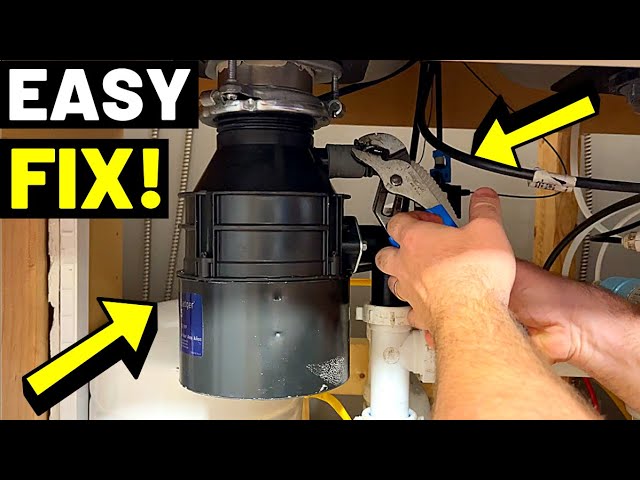
Strange sounds often mean something is stuck inside. Grinding, rattling, or buzzing noises are common alerts. Turn off the disposal before inspecting. Use a flashlight to look for any foreign objects. Remove stuck items with pliers or tongs. Never put your hand inside while the unit is connected to power.
Slow Drainage
Slow drainage happens when the disposal or pipes clog. Food scraps or grease buildup block water flow. Run cold water during and after use to help clear debris. Use a plunger or a plumber’s snake if needed. Avoid pouring grease or fibrous foods into the disposal.
Leaks And Odors
Leaks can appear under the sink or around the disposal unit. Check for loose connections or cracks in the unit. Tighten mounting bolts and seals to stop leaks. Foul odors often come from trapped food waste. Clean the disposal with baking soda and vinegar regularly. Running lemon peels through the unit helps freshen smells.
Credit: www.youtube.com
Initial Safety Checks
Before starting any troubleshooting on a garbage disposal, safety is the top priority. Initial safety checks protect you from electrical shocks and mechanical injuries. These steps help ensure the device is safe to handle. Always take time to follow these basic safety measures before moving forward.
Unplugging The Disposal
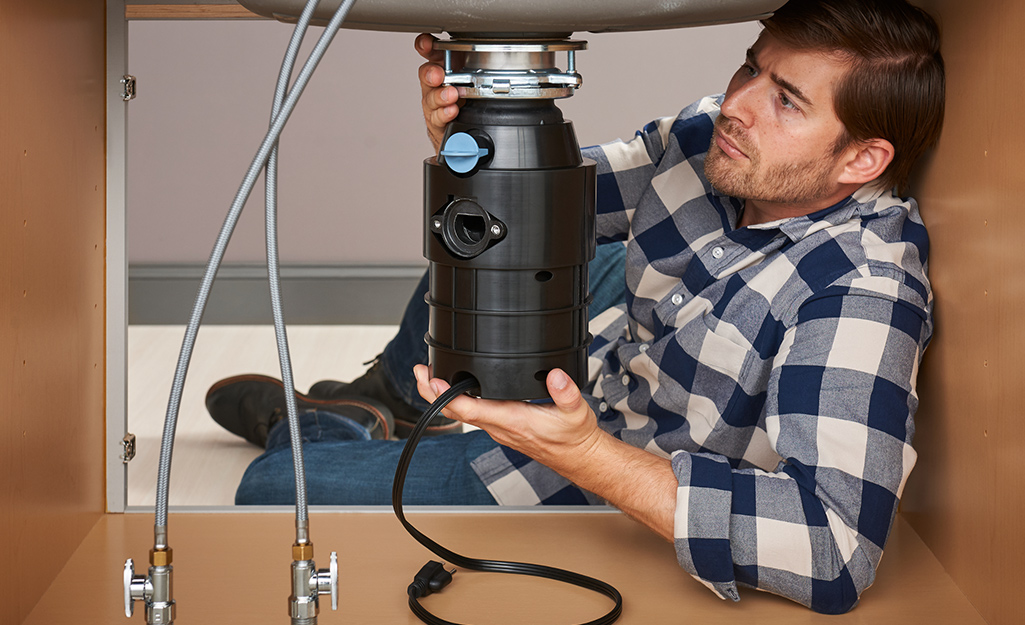
Always unplug the garbage disposal from the power outlet first. This stops electricity flow to the unit. Never work on the disposal while it is plugged in. Unplugging prevents accidental starts and electric shocks. If your disposal is hardwired, turn off power at the circuit breaker.
Reset Button Location
Locate the reset button on the disposal unit. It is usually a small red or black button on the underside. Pressing this button can reset the motor after it overheats. If the button is popped out, push it back in firmly. This step often solves simple power issues.
Inspecting Power Sources
Check the power cord for any visible damage or loose connections. Make sure the outlet is working by plugging in another device. Test the wall switch that controls the disposal. Faulty switches or wiring can cause the disposal to stop working. Confirm all power sources are secure and functional.
Fixing A Jammed Disposal
A jammed garbage disposal can stop your kitchen work quickly. Fixing it needs care and the right steps. This section shows simple ways to clear jams safely. Follow these easy instructions to get your disposal working again.
Using An Allen Wrench
Most disposals have a small hole under the unit. Insert an Allen wrench into this hole. Turn the wrench back and forth slowly. This motion moves the blades and clears the jam. Keep turning until the blades spin freely. This method is safe and does not need power.
Manually Turning The Blades
Unplug the disposal before trying this step. Use a wooden spoon or similar tool to turn the blades inside. Move them gently to avoid damage. This can push stuck debris free. Avoid using your hands to prevent injury. Manual turning helps loosen tough jams quickly.
Removing Stuck Objects
Look inside the disposal with a flashlight. Use pliers to pull out any visible objects. Do not push objects further inside. Clearing these items frees the blades. Always keep the unit unplugged during this step. Removing stuck items prevents future jams and keeps your disposal running well.
Addressing Humming Sounds
Humming sounds from a garbage disposal often signal a problem inside. The motor tries to work but can’t turn properly. This noise is a clear sign that something is stuck or jammed. Fixing this issue can often be simple. Start by understanding the cause of the humming sound.
Identifying Motor Stuck Issues
A humming noise usually means the motor is stuck. The disposal’s blades might be jammed with food or debris. Turn off the power before checking. Use a flashlight to look inside the disposal. Try to move the blades by hand or with an Allen wrench. If the blades do not move, the motor is stuck and needs freeing.
Checking For Burned Out Motor
If the motor hums but does not turn, it might be burned out. Press the reset button on the bottom of the unit. This button helps the motor recover from overload. If pressing the button does not work and the humming continues, the motor may be damaged. In this case, replacement might be necessary.
Dislodging The Flywheel
The flywheel connects the motor to the blades. Food or objects can jam the flywheel, causing the humming sound. Use a special wrench to turn the flywheel manually. Move it back and forth gently to free any stuck debris. Once the flywheel moves freely, the disposal should work without humming.
Clearing Slow Drainage
Slow drainage in a garbage disposal can cause water to back up and create unpleasant smells. Clearing slow drainage restores proper flow and keeps your kitchen sink clean. Simple steps can fix common drainage issues without calling a plumber.
Checking For Clogs
Start by inspecting the garbage disposal for visible clogs. Turn off the power to the unit to stay safe. Use a flashlight to look inside the drain opening. Remove any food scraps or debris blocking the blades. Avoid using your hands directly; use tongs or pliers instead.
Next, check the sink drain pipe for blockages. Use a small tool or a flexible brush to clear out any buildup. Running water through the disposal while it is off can help flush small debris. This step often improves drainage immediately.
Cleaning The Drain Pipes
Drain pipes can collect grease and grime over time. Pour a mixture of baking soda and vinegar into the drain to loosen buildup. Let it sit for 10-15 minutes, then flush with hot water. This natural method cleans pipes without harsh chemicals.
For tougher clogs, use a plunger gently on the sink drain. Avoid harsh drain cleaners that can damage pipes and the disposal unit. Regular cleaning prevents slow drainage and extends the life of your garbage disposal.
Detecting And Repairing Leaks
Detecting and repairing leaks in a garbage disposal is crucial to prevent water damage. Leaks can cause unpleasant odors and increase water bills. Early detection helps avoid costly repairs and keeps your kitchen clean and safe.
Leaks often appear around seals and connections. These parts wear out over time or become loose. Careful inspection identifies the exact source of the leak. Repairing or replacing damaged parts stops the leak and restores proper function.
Inspecting Seals And Connections
Start by unplugging the disposal for safety. Check the rubber seal where the disposal meets the sink drain. Look for cracks, tears, or worn spots. Examine the pipe connections under the sink. Tighten any loose nuts or bolts. Use a flashlight to spot small drips or moisture. Run water and watch for leaks around seals and joints. Clean away any grime to see damage clearly.
Replacing Damaged Parts
If seals or connections are damaged, replace them promptly. Remove the old seal carefully without damaging the mounting ring. Purchase a new seal that matches your model. For cracked pipes or corroded fittings, replace the affected parts. Use plumber’s tape on threads to ensure a tight seal. Reassemble all parts firmly. Test the disposal by running water and checking for leaks again. Proper replacement stops leaks and prevents future problems.
Electrical Troubleshooting
Electrical problems often cause garbage disposals to stop working. Checking the electrical parts can help find the issue fast. Simple tests can show if power reaches the disposal or if wiring is faulty. Follow these steps to spot electrical faults and fix them safely.
Examining Switch Wiring
Start by turning off power at the main breaker. Remove the switch cover near the sink. Look for loose or damaged wires. Tighten any loose connections using a screwdriver. Check for signs of burning or corrosion on wires. Replace any faulty wires to ensure good contact. Use a voltage tester to confirm power at the switch. If no power is found, wiring may need repair or replacement.
Testing Circuit Breakers
Locate your home’s electrical panel. Find the breaker for the kitchen or disposal. See if the breaker has tripped to the off position. Reset the breaker by switching it off and on again. Test the disposal to see if it now works. If the breaker trips again, a short circuit or overload might exist. In that case, call a professional electrician to inspect the problem.
When To Replace Your Disposal
Knowing when to replace your garbage disposal saves time and money. Some issues need more than just repairs. Recognizing these signs early helps avoid bigger problems. Replacement may be the best choice for long-term use and safety.
Signs Of Irreparable Damage
Leaks around the unit suggest serious damage. Cracks in the housing cannot be fixed. Strange noises like grinding or rattling show worn parts. A burning smell signals electrical problems. Frequent clogs or jams indicate internal damage. If reset buttons fail repeatedly, the motor might be dead. Age also matters. Disposals older than 10 years often fail more.
Comparing Repair Vs Replacement Costs
Minor repairs usually cost less than new units. Fixing jams or replacing seals is affordable. Motor or electrical repairs can be costly. New disposals range from $100 to $300. Installation fees add to the price. Repair costs near replacement price mean replacement is smarter. New units come with warranties and better efficiency. This lowers future repair expenses. Consider long-term savings when choosing between repair or replacement.
Maintenance Tips To Prevent Issues
Preventing garbage disposal issues starts with simple maintenance habits. Proper care keeps the unit working smoothly. Regular attention helps avoid jams, odors, and breakdowns. Follow easy tips to extend your disposal’s life.
Proper Usage Habits
Only put soft food scraps into the disposal. Avoid hard items like bones, fruit pits, and shells. Do not pour grease or oil down the drain. These can clog pipes and damage the disposal. Run cold water while using the disposal. Cold water solidifies fats and helps grind food better. Turn off the disposal after grinding finishes. Keep large chunks out to prevent jams.
Regular Cleaning Practices
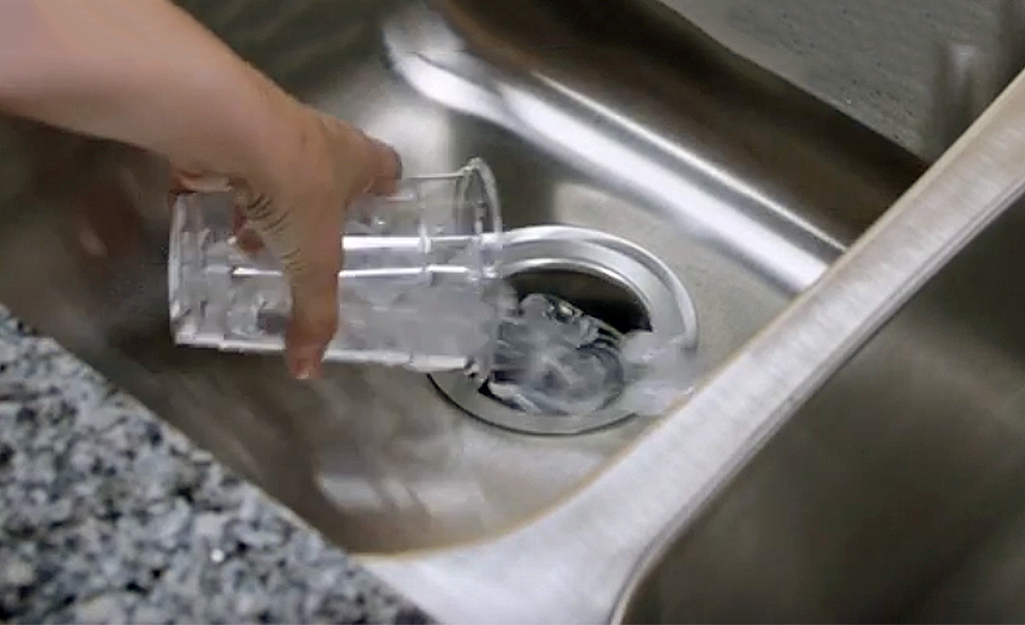
Clean the disposal weekly to remove buildup and odors. Use ice cubes and rock salt to scrape debris off blades. Pour baking soda and vinegar into the drain for a natural deodorizer. Let it foam for a few minutes, then rinse with hot water. Avoid harsh chemicals that can damage the unit. Wipe the splash guard to remove grime and keep smells away.
Credit: www.homedepot.com
Credit: www.homedepot.com
Frequently Asked Questions
How To Troubleshoot A Garbage Disposal?
Unplug the disposal. Use an Allen wrench to turn the impellers and clear jams. Press the reset button. Check power and switch. Listen for humming; it may indicate a jammed or burned motor.
How To Fix A Garbage Disposal That Just Hums?
Unplug the disposal, press the reset button, and use an Allen wrench to turn the blades manually. Clear any jams to stop the humming.
How Do You Know If Your Sink Disposal Motor Is Burnt Or Jammed?
A humming noise with no grinding means a jammed motor. No sound may indicate a burnt motor or power issue. Press the reset button and check for obstructions to confirm.
What Are Common Disposal Problems?
Common disposal problems include power failures, jams, strange noises, clogs, leaks, and unpleasant odors. These issues often require quick troubleshooting.
How Do I Reset A Garbage Disposal Safely?
Unplug the disposal or turn off power at the breaker. Press the red reset button under the unit. This often clears minor electrical issues.
Conclusion
Troubleshooting your garbage disposal can save time and money. Start by checking for jams and pressing the reset button. Listen for unusual sounds to find the problem. Clear clogs carefully and avoid harsh chemicals. Regular care keeps your disposal working well longer.
Follow simple steps to fix common issues at home. Stay safe by unplugging the unit before any repair. Small fixes often restore your disposal’s function quickly. Keep your kitchen running smoothly with easy maintenance.