Is your garburator making a humming noise but refusing to spin? Or maybe it won’t turn on at all?
When your garbage disposal stops working, it can quickly turn a simple kitchen chore into a frustrating mess. But before you call a plumber or consider a replacement, there are easy troubleshooting steps you can try yourself. In this guide, you’ll learn how to identify common garburator problems, safely clear jams, reset the unit, and know when it’s time to call in the pros.
Keep reading, and you’ll have your kitchen running smoothly again in no time!
Credit: presair.com
Common Garbage Disposal Issues
Garbage disposals often face common issues that disrupt their function. Understanding these problems helps in quick and easy repairs.
Most troubles involve simple fixes. Identifying the specific issue saves time and money. Below are frequent garbage disposal problems and their signs.
Humming But Not Spinning
A humming noise means the motor has power but can’t turn the blades. Usually, something blocks the disposal. Food scraps or small objects cause jams.
Turn off the power before checking. Use an Allen wrench in the bottom hole to free stuck parts. Press the reset button after clearing the jam.
Complete Power Failure
No sound or movement means the disposal has no power. Check if the unit is plugged in. Confirm the circuit breaker hasn’t tripped.
Press the red reset button on the unit. If it still won’t start, the switch or wiring may need a professional check.
Leaking Problems
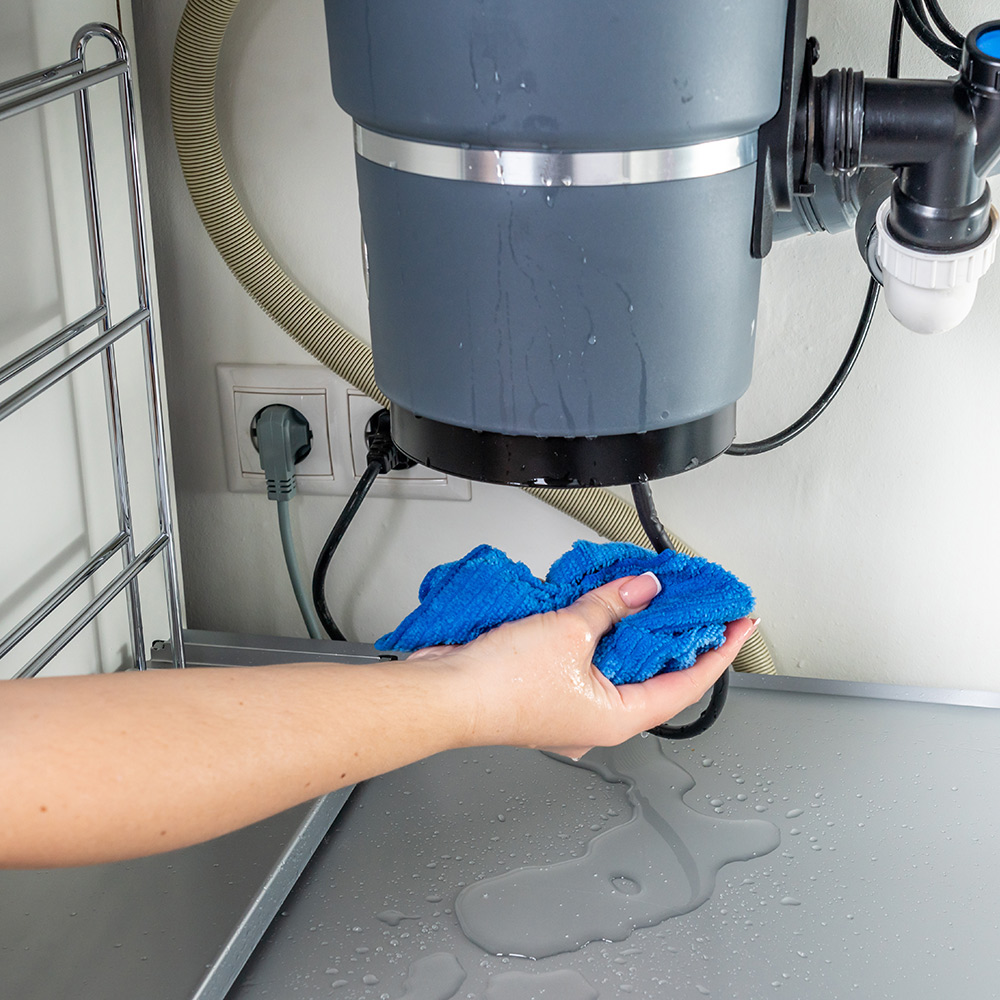
Leaks often come from loose connections or worn seals. Water may drip from the sink flange, dishwasher connection, or bottom of the unit.
Tighten all fittings carefully. Replace damaged seals or gaskets to stop leaks. Regular checks prevent water damage under the sink.
Strange Noises
Grinding, rattling, or squeaking sounds indicate foreign objects inside. Small bones, glass, or utensils cause these noises.
Turn off power before inspecting. Remove objects using tongs or pliers. Avoid putting hard materials into the disposal to prevent damage.
Credit: www.homedepot.com
Safety Measures Before Repairs
Before starting any repairs on your garburator, safety is the top priority. Electrical parts and sharp blades inside the unit can cause serious injury. Taking proper safety steps prevents accidents and damage. This section covers key safety measures to follow before any repair work.
Turning Off Power
Always cut power to the garburator before repairs. Unplug the unit from the wall outlet if possible. If not, switch off the power at the source. This stops the motor from starting unexpectedly. Never work on the disposal while it is plugged in or powered on.
Using Circuit Breakers
Locate the circuit breaker that controls the garburator. Flip the breaker switch to the OFF position. Test if the power is off by trying to turn on the disposal. If the unit does not start, it is safe to proceed. Using the breaker reduces the risk of electric shock.
Avoiding Injury
Wear gloves to protect your hands from sharp blades. Never put your hand inside the disposal chamber. Use a wooden spoon or pliers to remove stuck objects. Keep tools ready before turning off power. Always work slowly and carefully to avoid slips and cuts.
Fixing A Humming Disposal
A humming garbage disposal often means the unit has power but cannot spin. This usually happens because something blocks the blades or the motor is overheated. Fixing this issue requires careful steps to avoid damage and ensure safety. Follow these simple methods to stop the humming and get your disposal working again.
Checking For Jams
First, turn off the power to the disposal. Use a flashlight to look inside the drain. Look for stuck objects like silverware or hard food pieces. Remove any visible items using tongs or pliers. Never put your hand inside the disposal. Clearing these jams often stops the humming sound.
Using An Allen Wrench
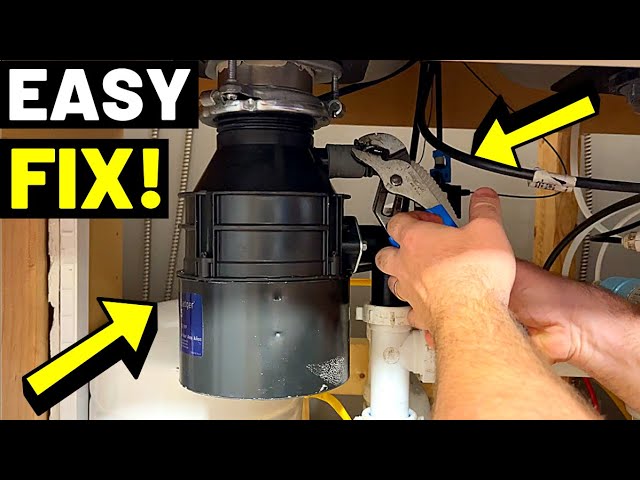
Locate the small hole at the bottom center of the disposal unit. Insert an Allen wrench into the hole. Turn the wrench back and forth to manually rotate the blades. This action frees jammed parts inside the disposal. Once the blades move freely, remove the wrench and test the disposal.
Manual Impeller Movement
If your disposal has no bottom hole, use a wooden spoon from the top. Push the impellers gently to move them. This can dislodge stuck food or objects. Avoid using excessive force to prevent damage. Moving the impellers manually can often restart the motor.
Pressing The Reset Button
After clearing jams and moving the impellers, find the reset button on the bottom of the disposal. It is usually red and small. Press the button firmly to reset the internal breaker. This step restores power if the motor overheated. Turn the disposal on to check if it runs normally.
Credit: www.youtube.com
Clearing Blockages
Clearing blockages in your garburator is a key step in keeping it working properly. Blockages stop the blades and cause unpleasant smells. Fixing these clogs quickly saves you time and money. Follow safe steps to clear the jam without damaging your unit.
Inspecting With A Flashlight
Start by turning off the power to the garburator. Never work on it while it is plugged in. Use a strong flashlight to look down the drain opening. Check for stuck items like bones, pits, or silverware. Spotting the blockage helps you plan the next step.
Removing Foreign Objects
After spotting the blockage, try to remove it carefully. Avoid putting your hands inside the disposal. Use a wooden spoon or similar tool to push out food scraps. Larger items may need special tools to avoid injury. Always keep the power off during this process.
Using Tongs Or Pliers Safely
Use long tongs or pliers to grab objects you cannot reach by hand. Choose tools with a good grip to avoid slipping. Slowly pull out the items without forcing them. Double-check the disposal to ensure nothing remains inside. Restore power only after confirming the blockage is cleared.
Resetting The Disposal Unit
Resetting the disposal unit is a simple way to fix many common problems. It helps when the garburator stops working or hums without spinning. The reset button cuts power to the motor, letting it cool down and restart safely. This quick step can save time and avoid more complex repairs. Follow the steps below to reset your garbage disposal unit correctly.
Locating The Reset Button
The reset button is usually a small, red button on the bottom of the disposal unit. It may be hard to see without crouching under the sink. Sometimes, it is labeled “reset” or “overload protector.” Use a flashlight if needed. Pressing this button resets the motor and clears overload protection. Knowing where to find it makes troubleshooting easier.
Step-by-step Reset Process
First, turn off the power to the disposal. Unplug it or switch off the circuit breaker. Next, look under the sink to find the reset button on the unit’s bottom. Press the button firmly until you feel a click. Wait a few seconds, then restore power. Test the disposal by turning it on. If it runs smoothly, the reset worked.
When To Repeat Reset
Try resetting again if the disposal still does not work after the first attempt. Wait at least 10 minutes before pressing the reset button again. Avoid pressing it repeatedly without breaks. Frequent resets may mean a deeper problem like a jam or electrical issue. Check for stuck objects or call a professional if problems continue.
When To Call A Professional
Knowing when to call a professional for garburator troubleshooting saves time and prevents damage. Some problems require expert tools and skills. Attempting complex repairs alone can worsen issues. Recognize signs that need professional help to keep your disposal working well.
Persistent Motor Issues
If the motor hums but never turns, it may be jammed or faulty. Resetting the unit or removing debris might not fix it. Continuous humming sounds or burning smells signal serious motor problems. A professional can diagnose and fix motor failures safely.
Electrical Problems
Garburators rely on electrical connections to operate. If the unit does not power on at all, the wiring or switch could be faulty. Tripping breakers or sparks are dangerous signs. Experts can handle electrical repairs to avoid shocks or fire hazards.
Replacement Considerations
Sometimes repairs cost more than a new unit. Age and repeated breakdowns suggest replacement. Professionals can recommend the best model and install it properly. Getting expert help ensures your kitchen stays functional without future trouble.
Preventive Tips
Preventing garburator problems starts with simple daily habits. These habits help your unit run smoothly and last longer. Follow basic tips to avoid jams and breakdowns. Small efforts keep the garburator efficient and trouble-free.
Proper Usage Practices
Only run cold water while the garburator operates. Cold water solidifies fats and oils, making them easier to chop. Avoid pouring grease or oil down the drain. Always feed waste slowly to prevent overload. Turn off the unit after grinding to clear leftovers. These simple rules protect the motor and blades.
Avoiding Hard Or Fibrous Waste
Do not put bones, fruit pits, or metal objects in the garburator. Avoid fibrous materials like corn husks, onion skins, or celery stalks. These items tangle or block the blades. Cut large scraps into smaller pieces before disposal. Proper waste selection reduces jams and motor strain.
Regular Maintenance
Clean the garburator monthly to remove buildup and odors. Use a brush or ice cubes and salt to scrub the inside. Run citrus peels through it to freshen smells. Check for leaks and loose parts regularly. Press the reset button if the unit stops unexpectedly. Routine care extends the life of your garburator.
Frequently Asked Questions
Why Is My Garbage Disposal Humming But Not Spinning?
A humming garbage disposal means power reaches the unit, but it’s jammed or the motor is overheated. Turn off power, use an Allen wrench or wooden spoon to free the jam, press the red reset button, then restore power. Persistent issues may require professional repair.
How To Reset Garburator?
Turn off the power by unplugging or switching off the breaker. Remove any debris inside. Use an Allen wrench to free jams. Press the red reset button on the unit. Restore power and test the disposal with cold water.
How To Troubleshoot Garbage Disposal Not Working?
Turn off power at the breaker or unplug the disposal. Check for jams using a flashlight. Use an Allen wrench or wooden spoon to free stuck parts. Press the red reset button. Restore power and test. Call a professional if it still doesn’t work.
What Are Common Disposal Problems?
Common disposal problems include jams from food or objects, motor overheating, leaks, clogs, and electrical issues causing humming or no power.
Why Is My Garbage Disposal Humming But Not Spinning?
A humming sound means the motor has power but is jammed. Check for stuck objects using a flashlight and dislodge them carefully. Press the reset button after clearing the blockage.
Conclusion
Garburator problems often have simple fixes you can try yourself. Always start by turning off the power for safety. Check for jams using an Allen wrench or a wooden spoon. Clear any stuck debris carefully to avoid damage. Press the reset button after removing the blockage.
Regular cleaning helps keep your garburator running smoothly. Small steps can save time and money on repairs. Remember, patience and caution make troubleshooting easier and safer. Keep your kitchen waste disposal working well with these easy tips.