Is your gas furnace acting up just when you need it most? It’s frustrating when the heat won’t turn on, leaving your home cold and uncomfortable.
But before you rush to call a technician, there are simple checks you can do yourself that often solve the problem. From clogged air filters to thermostat glitches, many common furnace issues have easy fixes that save you time and money.
In this guide, you’ll learn how to spot the top reasons your gas furnace isn’t working and what steps to take to get it back up and running quickly. Keep reading, because understanding these troubleshooting tips can keep your home warm and cozy all season long.

Credit: www.youtube.com
Common Furnace Issues
Gas furnaces face a few common issues that stop them from heating properly. Knowing these problems helps you act fast and avoid big repairs. Many troubles come from simple things you can fix yourself. Regular checks keep your furnace running smoothly and safely.
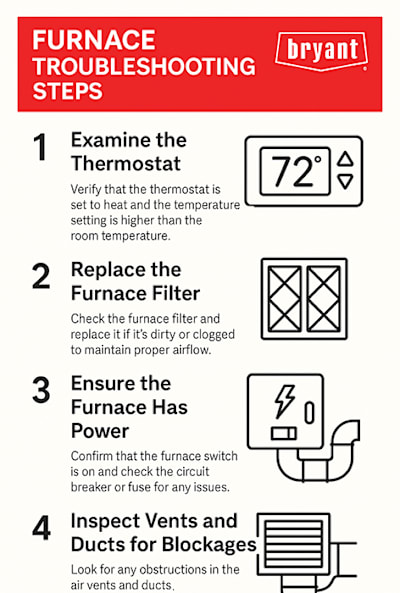
Clogged Air Filter
A clogged air filter blocks airflow. This makes the furnace work harder and can cause it to overheat. Overheating triggers safety shutoff, stopping the furnace. Change or clean the filter every 1 to 3 months. Clean filters improve air quality and furnace efficiency.
Thermostat Problems
Thermostat issues often cause furnace failure. Dead batteries stop the thermostat from sending signals. Wrong settings keep the furnace off. Check that the thermostat is set to “Heat” and above room temperature. Replace batteries regularly for smooth operation.
Dirty Flame Sensor
The flame sensor detects the burner flame. Dirt or dust on it makes the sensor fail. The furnace then shuts down to avoid unsafe gas leaks. Clean the flame sensor gently with fine sandpaper or a soft cloth. This fixes ignition problems and keeps the furnace running.
Tripped Circuit Breaker
The furnace needs electricity to work. A tripped circuit breaker cuts power to the unit. This can happen during storms or electrical surges. Check your home’s breaker box and reset any tripped switches. If the breaker trips again, call a professional for help.
Blocked Vents And Registers
Blocked vents reduce airflow into rooms. Dust, furniture, or curtains may cover vents. This causes uneven heating and forces the furnace to work harder. Keep vents and registers clear and clean. Proper airflow helps your furnace heat your home efficiently.
Ignition And Pilot Light Troubles
Ignition and pilot light troubles are common issues in gas furnaces. These problems often stop the furnace from producing heat. Understanding these troubles helps in quick diagnosis and repair. This section covers two main problems: pilot light failures and igniter malfunctions. Both need attention for your furnace to work safely and efficiently.
Pilot Light Failures
The pilot light is a small flame that lights the gas burner. If it goes out, the furnace will not heat your home. Dirt or debris can block the pilot light, causing it to fail. A faulty thermocouple may also stop the pilot light from staying lit.
Check for a steady blue flame. A yellow or flickering flame means a problem. If the pilot light won’t stay on, the thermocouple might need replacement. Always turn off the gas before inspecting the pilot light. Safety is the top priority.
Igniter Malfunctions
Modern gas furnaces often use an electric igniter instead of a pilot light. This igniter sparks to light the gas burner. If it fails, the furnace won’t start heating. Cracks or damage on the igniter can cause malfunction.
Inspect the igniter for any visible damage or dirt buildup. A dirty or broken igniter needs cleaning or replacing. Avoid touching the igniter with bare hands to prevent damage. Proper ignition ensures safe and efficient furnace operation.
Pressure Switch And Drain Issues
Pressure switch and drain issues often cause a gas furnace to stop working. The pressure switch ensures safe operation by detecting proper venting. The drain system removes moisture from the furnace. Problems in either can prevent the furnace from igniting or cause it to shut down unexpectedly.
Understanding these issues helps in quick troubleshooting. Many times, simple checks can restore furnace function. Let’s explore common problems related to the pressure switch and drain system.
Faulty Pressure Switch
The pressure switch monitors the furnace’s venting system. It opens and closes to confirm safe airflow. A faulty pressure switch can stop the furnace from starting.
Signs include the furnace trying to ignite but shutting off soon after. The switch may be stuck or broken. Dirt, debris, or blocked vents often cause this problem.
Cleaning the vent pipes and checking the switch tubing can help. If the switch is damaged, replacing it is necessary. Testing the switch with a multimeter confirms if it works correctly.
Full Condensate Drain Pan
The condensate drain pan collects water formed during furnace operation. If the pan is full or clogged, water can back up and trigger safety switches. This stops the furnace from running.
Look for water pooling around the furnace base. A blocked drain line or dirty pan causes overflow. Regular cleaning of the drain pan and clearing the drain line prevents this issue.
Using a wet/dry vacuum to clear the drain line often solves the problem. Ensure the drain pipe slopes downward to allow proper water flow. This simple step keeps the furnace safe and operational.

Credit: thefurnaceoutlet.com
Quick Fixes To Try
When your gas furnace acts up, some quick fixes can help you get it running again. These simple steps save time and might avoid costly repairs. Trying these fixes first can solve common issues fast.
Replacing Or Cleaning Filters
Dirty filters block air and make your furnace work harder. Check the filter every month during cold seasons. Replace disposable filters or clean reusable ones. Clean filters improve airflow and efficiency.
Resetting The Thermostat And Breaker
Thermostats can stop sending signals if batteries die or settings change. Replace batteries and set the thermostat to “Heat.” Reset the circuit breaker by turning it off and on. This can restore power to your furnace.
Cleaning The Flame Sensor
The flame sensor tells your furnace the burner is lit. Dirt or rust on the sensor stops this signal. Turn off power, remove the sensor, and clean it gently with fine sandpaper. This helps your furnace light properly.
Unblocking Vents
Blocked vents reduce airflow and cause uneven heating. Check all vents and registers for dust, dirt, or furniture blocking them. Clear any obstacles to allow warm air to flow freely. Good airflow keeps your home comfortable.
When To Call A Technician
Knowing when to call a technician for gas furnace issues can save you time and prevent damage. Some problems require professional tools and skills. Calling an expert ensures safety and proper repair.
Simple fixes like changing a filter are manageable at home. But certain signs mean the problem is beyond basic troubleshooting. Understanding these signs helps protect your home and family.
Persistent Error Codes
Error codes often appear on your furnace’s control board. If codes keep showing after resets, call a technician. Persistent codes signal deeper electrical or system faults. Professionals can read and interpret these codes accurately. They diagnose issues that may not be obvious. Ignoring codes can lead to furnace failure or hazards.
Complex Component Failures
Some parts need special tools to test or replace. Examples include the gas valve, blower motor, or control board. If these parts fail, the furnace may stop working or act erratically. Attempting repairs without knowledge can cause injury or worsen damage. Technicians have training to safely handle complex repairs. Trust experts to fix these issues correctly and quickly.
Gas Supply Concerns
Gas leaks or supply problems are serious and dangerous. Signs include a rotten egg smell, hissing sounds, or pilot light issues. Never try to fix gas problems yourself. Turn off the gas supply and leave the area immediately. Call a professional technician or emergency services. Proper handling of gas issues prevents fire, explosion, or poisoning risks.
Credit: www.bryant.com
Frequently Asked Questions
What Is The Most Common Furnace Problem?
The most common furnace problem is a dirty or clogged air filter, causing overheating and system shutdown. Thermostat issues and dirty flame sensors also frequently disrupt furnace operation. Checking these components helps maintain proper heating and prevent failures.
What Would Cause A Gas Furnace Not To Kick On?
A gas furnace may not kick on due to a clogged air filter, thermostat issues, dirty flame sensor, tripped breaker, or ignition problems. Blocked vents, faulty pressure switches, or a full condensate drain pan can also cause failure. Check these before calling a technician.
How To Diagnose Gas Furnace Problems?
Diagnose gas furnace problems by checking the air filter, thermostat settings, flame sensor cleanliness, and circuit breaker status. Inspect vents for blockages and ensure the pilot light or ignitor works. Clear a full condensate drain pan. Call a professional if issues persist or error codes appear.
Is There A Reset Button On Gas Furnaces?
Most gas furnaces do not have a dedicated reset button. Instead, reset by turning the furnace off and on at the thermostat or circuit breaker. Some models feature a manual reset button on the limit switch, but always check the user manual before attempting a reset.
What Are Common Causes Of A Gas Furnace Not Working?
Clogged air filters, thermostat problems, and dirty flame sensors often stop furnaces. Ignition issues or tripped breakers also cause failures. Regular checks help spot these problems early.
Conclusion
Troubleshooting a gas furnace can save time and money. Check filters, thermostats, and power first. Clean the flame sensor to ensure proper ignition. Keep vents open for good airflow and prevent overheating. Reset tripped breakers to restore power quickly. Simple steps often solve common furnace issues.
Stay safe by calling a professional for complex problems. Regular maintenance keeps your furnace running smoothly all winter. Trust your knowledge to keep warm and comfortable at home.