Is your gas gauge acting up, leaving you guessing how much fuel you really have? You’re not alone.
A faulty gas gauge can cause stress, inconvenience, and even leave you stranded unexpectedly. But don’t worry—troubleshooting your gas gauge doesn’t have to be complicated. In this guide, you’ll learn simple, step-by-step ways to identify and fix common gas gauge problems.
By understanding what’s behind those confusing readings, you’ll save time, avoid unnecessary repairs, and drive with confidence. Ready to take control of your fuel gauge issues? Let’s get started.
Fuel Gauge Basics
Understanding fuel gauge basics helps diagnose common gas gauge issues. The fuel gauge shows how much fuel remains in the tank. It uses electrical signals to display the fuel level on your dashboard. Knowing its function and parts makes troubleshooting easier.
How Fuel Gauges Work
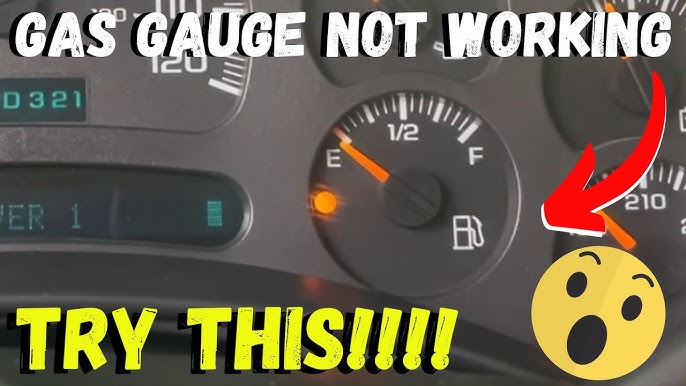
The fuel gauge works by measuring the fuel level inside the tank. A sensor sends an electrical signal to the gauge. This signal changes based on the fuel amount. The gauge needle moves to show the current level. When the tank is full, the needle points to “Full.” When empty, it points to “Empty.”
Components Involved
Several parts work together for the fuel gauge to function correctly. The fuel sending unit inside the tank measures fuel level. It has a float connected to a variable resistor. The resistor changes the electrical current as the float moves. Wiring connects the sending unit to the dashboard gauge. The gauge reads this current and shows the fuel level. A fuse protects the circuit from electrical problems.
Credit: www.youtube.com
Common Fuel Gauge Issues
Fuel gauge problems can confuse any driver. Knowing common issues helps save time and money. This section covers typical fuel gauge troubles and simple signs to watch for.
Gauge Reads Empty When Full
This issue shows a near-empty tank despite a full fuel tank. The cause often lies in a faulty fuel sending unit in the tank. Dirt or corrosion can damage the unit, sending wrong signals to the gauge. Wiring problems or loose connections also cause this problem. Fixing usually involves checking the sender or wiring for faults.
Inaccurate Or Fluctuating Readings
The gauge needle jumps or shows wrong fuel levels. This happens if the fuel sender’s float moves oddly or gets stuck. Electrical interference or a weak ground wire also affects the gauge’s accuracy. Vibrations from rough roads can make the needle fluctuate. Regular inspection of the sender and wiring can prevent this issue.
Gauge Not Moving At All
The fuel gauge stays fixed and does not respond to fuel changes. This can mean a broken gauge or a disconnected sender wire. A blown fuse or a bad instrument cluster might also stop the gauge from working. Testing the gauge and its electrical circuit helps find the exact cause quickly.
Quick Diagnostic Steps
Quick diagnostic steps help identify gas gauge problems fast. These steps save time and money by focusing on common issues. Use simple tools and check key components first. Follow each step carefully to find the fault.
Perform Instrument Cluster Self-test
Start by running the instrument cluster self-test. This test checks if the gauge and dashboard lights work properly. Find the procedure in your vehicle manual. Usually, it involves turning the ignition and pressing certain buttons. Watch the gas gauge needle move during the test. If it does not move, the problem may be inside the cluster or wiring.
Check Fuses And Wiring
Next, inspect fuses related to the fuel gauge system. A blown fuse can stop the gauge from working. Use the fuse box diagram to locate the right fuse. Replace any faulty fuses with the correct type. Then, check wiring connections for loose or damaged wires. Secure any loose connectors and repair damaged wires. Good wiring is essential for accurate gauge readings.
Visual Inspection Of Sending Unit
The sending unit inside the fuel tank sends fuel level data to the gauge. Access it by removing the tank cover or rear seat. Look for corrosion or damage on the unit and its wires. Clean any dirt or rust carefully. Check the float arm for free movement. A stuck or broken float can cause wrong fuel readings. Replace the sending unit if it shows signs of failure.
Testing Fuel Gauge Components
Testing fuel gauge components helps identify the root cause of inaccurate readings. It involves checking both the sending unit and the fuel gauge itself. These parts work together to show how much fuel is in the tank. By testing each component, you can find out which part needs repair or replacement.
Using A Multimeter On Sending Unit
The sending unit measures fuel level inside the tank. To test it, disconnect the unit from the wiring harness. Set your multimeter to measure resistance (ohms). Connect the meter leads to the sending unit terminals. Slowly move the float arm through its full range. Watch the multimeter for smooth changes in resistance. Any sudden jumps or no change means the sending unit is faulty.
Testing The Fuel Gauge Itself
The fuel gauge displays the fuel level on your dashboard. To test it, turn the ignition to the “on” position without starting the engine. Use a jumper wire to connect the gauge terminal to ground. Observe the needle movement; it should move smoothly to full. If the needle doesn’t move or behaves erratically, the gauge may be defective. You can also test the gauge by applying variable resistance from a test resistor to simulate the sending unit.
Fixing Common Problems
Fixing common gas gauge problems starts with understanding the main causes. Many issues arise from faulty parts or simple electrical glitches. This section covers easy steps to repair or replace key components. Follow these tips to restore your gas gauge’s accuracy and function.
Repairing Or Replacing Sending Unit
The sending unit inside the fuel tank measures fuel level. Over time, it can wear out or get stuck. To test it, remove the unit and check resistance with a multimeter. If readings are off, cleaning or replacing the sending unit helps. Always handle the fuel tank carefully to avoid spills or damage.
Addressing Wiring And Ground Issues
Wiring problems often cause gas gauge failure. Inspect wires for breaks, corrosion, or loose connections. The ground wire must be secure and clean for proper signal flow. Use a wiring diagram to trace circuits. Fix or replace damaged wires to ensure steady voltage to the gauge.
Replacing Blown Fuses
Fuses protect the electrical system from overload. A blown fuse can stop the gas gauge from working. Check the fuse box for any burnt or broken fuses related to the fuel gauge. Replace them with the exact type and rating. This simple step often restores normal gauge function quickly.
:max_bytes(150000):strip_icc()/33556245572_298db82b8c_o-5afb4c5c642dca0037383d68.jpg)
Credit: www.liveabout.com
Evap System And Fuel Pump Issues
The EVAP system and fuel pump play key roles in your vehicle’s fueling process. The EVAP system controls fuel vapors and keeps the fuel tank sealed. It prevents harmful vapors from escaping into the air. Fuel pump issues can cause fueling problems, including the gas pump stopping before your tank is full. Understanding these parts helps diagnose gas gauge and fueling troubles.
How Blocked Evap Vents Affect Fueling
Blocked EVAP vents stop air from escaping the fuel tank. When you fill gas, air inside the tank needs to leave. If vents are blocked, pressure builds up. This pressure causes the gas pump to shut off early. Dirt, spider webs, or clogged canisters often block EVAP vents. This issue makes fueling slow and frustrating.
Common Causes Of Pump Shutoff
Several problems cause the gas pump to stop suddenly. A blocked EVAP system is the most common. Charcoal canisters or vent tubes can clog with dirt or debris. Spider nests inside vent lines also block airflow. Kinked filler necks stop air from moving freely. Fast fuel flow can splash fuel, triggering the shutoff. A stuck rollover valve in the filler neck may also cause issues.
Temporary Solutions At The Pump
Try filling your tank slowly to reduce pressure build-up. Pull the pump nozzle out slightly to allow trapped air to escape. Changing the angle of the pump nozzle can help, too. Use a different gas pump that delivers fuel more slowly. These tricks do not fix the root problem but can help you fill your tank until you get a proper repair.
Permanent Evap System Repairs
Permanent EVAP system repairs fix gas gauge and fuel filling issues by restoring proper venting. The EVAP system controls fuel vapors and air flow inside the fuel tank. Blocked or damaged parts cause pressure build-up. This affects the gas gauge reading and causes the gas pump to stop filling early. Repairing the EVAP system ensures accurate fuel level readings and smooth refueling.
Clearing Blocked Vent Tubes
Vent tubes let air escape as fuel enters the tank. Dirt, spider webs, or debris can block these tubes. Blocked tubes cause pressure build-up and pump shutoff. Cleaning or replacing vent tubes restores proper airflow. Use compressed air or a flexible wire to clear blockages. Ensure tubes are free from cracks or damage.
Replacing Charcoal Canister
The charcoal canister traps fuel vapors to reduce pollution. Over time, it can become clogged with dirt or fuel residue. A clogged canister blocks vapor flow and causes fuel tank pressure issues. Replace the canister with a new one to fix venting problems. Choose a canister that fits your vehicle model for best results.
Checking And Replacing Vent Solenoid
The vent solenoid controls airflow in the EVAP system. If it fails, the tank cannot vent properly. This leads to inaccurate gas gauge readings and fuel pump problems. Test the solenoid with a multimeter or scan tool. Replace the solenoid if it does not open or close as needed. Proper function helps keep the EVAP system working well.
:max_bytes(150000):strip_icc()/GettyImages-85536514-5afb4bc5ae9ab8003618a6fb.jpg)
Credit: www.liveabout.com
Preventive Maintenance Tips
Preventive maintenance helps avoid gas gauge problems before they start. Regular care keeps your fuel system working smoothly. Simple steps save time and money on repairs. Follow these easy tips to maintain your gas gauge and fuel system in top shape.
Regular Inspection Of Fuel System
Check your fuel system for leaks or damage often. Look at fuel lines, connections, and the fuel tank. Replace worn or cracked parts quickly. Clean fuel filters regularly to ensure proper flow. A clean fuel system helps the gas gauge work accurately.
Keeping Evap Vents Clear
EVAP vents allow air to escape from the fuel tank. Blocked vents cause fuel pump problems and wrong gauge readings. Inspect vents for dirt, spider webs, or debris. Clear any blockages with compressed air or a soft brush. Keeping vents clear prevents fuel tank pressure issues.
Protecting Wiring Connections
Wiring problems often cause gas gauge errors. Check wiring connections near the fuel tank and gauge. Look for loose, corroded, or broken wires. Use dielectric grease to protect connections from moisture. Secure wires to prevent rubbing or damage. Good wiring keeps the gas gauge signal strong and reliable.
Frequently Asked Questions
How Do You Diagnose A Gas Gauge Problem?
Diagnose a gas gauge problem by performing the instrument cluster self-test. Check fuses, inspect wiring, and test the sending unit. Use a multimeter to verify gauge function. Visual inspections help identify faults quickly.
Why Does The Gas Pump Keep Stopping When My Tank Isn’t Full?
The gas pump stops because air can’t escape the tank fast enough. Blocked vents or a clogged EVAP system cause pressure build-up, triggering auto-shutoff. Try slower pumping, adjusting the nozzle, or use another pump. A mechanic must clear EVAP blockages for a permanent fix.
Why Does My Gas Gauge Say Empty But The Tank Is Full?
A gas gauge shows empty despite a full tank due to a faulty fuel sending unit, bad wiring, or a blown fuse. Check these parts to fix the issue.
How To Reset Fuel Gauge Sensor?
Reset a fuel gauge sensor by turning the ignition on, then off. Disconnect and reconnect the battery. Check the sensor wiring and fuse. Use a multimeter to test the sender unit. Replace the sensor if faulty. Consult your vehicle manual for specific reset procedures.
How Do I Diagnose A Gas Gauge Problem?
Start by checking your vehicle’s fuse related to the gas gauge. Inspect wiring for damage or loose connections. Use a multimeter to test the gauge and sending unit for proper function.
Conclusion
Troubleshooting your gas gauge helps avoid unexpected fuel problems. Simple checks like inspecting fuses and wiring can save time. Testing the sending unit and gauge ensures accurate readings. Keep your fuel system vents clear to prevent pump shutoff issues. Regular maintenance helps your gauge work reliably every time.
With these tips, you can spot and fix common gas gauge problems easily. Stay calm and follow step-by-step solutions for best results. Your car’s fuel gauge plays a key role in safe driving. Don’t ignore signs of trouble—act early to avoid bigger repairs.