Is your gas grill giving you trouble just when you’re ready to fire it up? You’re not alone.
Many grill owners face frustrating issues like weak flames, no heat, or trouble starting the burners. But before you toss your grill aside or call for expensive repairs, you can troubleshoot many common problems yourself. Understanding how your gas grill works and knowing simple fixes can save you time, money, and the disappointment of a cold cookout.
In this guide, you’ll learn easy steps to identify what’s going wrong and how to get your grill back to perfect cooking condition. Keep reading—your next great barbecue depends on it!
Credit: mygrillparts.com
Gas Flow Issues
Gas flow issues often cause propane grills to underperform or fail to light. These problems can stem from several parts of the grill’s fuel system. Understanding how to check each component helps restore proper gas flow quickly. Focus on the propane tank, regulator, hose, and resetting the regulator. Each part plays a key role in gas delivery.
Checking The Propane Tank
Start by inspecting the propane tank. Confirm the tank is not empty by weighing it or checking the fuel gauge. Make sure the valve is fully open to allow gas flow. Look for any dirt or debris around the valve that might block gas. Replace the tank if it is old or damaged.
Inspecting The Regulator
The regulator controls gas pressure from the tank to the grill. Check the regulator for cracks, corrosion, or signs of wear. A damaged regulator can restrict gas flow or cause leaks. Replace regulators that are over one year old or show damage. Always use a regulator recommended by the grill manufacturer.
Examining The Hose For Damage
Inspect the hose connecting the tank and regulator. Look for cracks, kinks, or holes that could block or leak gas. Small leaks can reduce flame or cause safety hazards. Replace the hose if any damage is found. Keep hoses away from heat sources to prevent damage.
Resetting The Regulator
Resetting the regulator clears its safety lock and restores gas flow. Turn off the propane tank and all burner knobs. Disconnect the regulator from the tank to release built-up pressure. Reconnect the regulator, then slowly open the tank valve. Light the burners following your grill’s instructions. This process resets the internal safety valve and fixes low flame issues.
Credit: www.selecthomewarranty.com
Ignition Problems
Ignition problems are common issues that stop your gas grill from lighting. These problems can be caused by dirt, faulty parts, or loose connections. Fixing ignition issues helps you enjoy grilling without frustration. Below are simple steps to troubleshoot ignition problems effectively.
Cleaning The Igniter
Dirt and grease can block the igniter from sparking properly. Use a soft brush or cloth to clean the igniter tip gently. Remove any food debris or rust that may cover the igniter. Keep the igniter dry to prevent short circuits and ensure good sparks.
Testing The Battery Or Spark Module
Many igniters use batteries to create sparks. Check the battery and replace it if it is weak or dead. If your grill has a spark module, listen for clicking sounds when you press the ignition button. No sound means the module might need replacement.
Checking Wiring Connections
Loose or damaged wires can stop the igniter from working. Inspect all wiring near the igniter and spark module. Tighten any loose connections carefully. Replace wires that look burnt or broken to restore proper ignition function.
Flame And Heating Troubles
Flame and heating troubles can ruin a grilling experience. Uneven or weak flames reduce cooking efficiency and may cause food to cook unevenly. Knowing how to spot and fix these issues keeps your grill working well. Simple checks and maintenance help avoid bigger problems later.
Identifying Uneven Flames
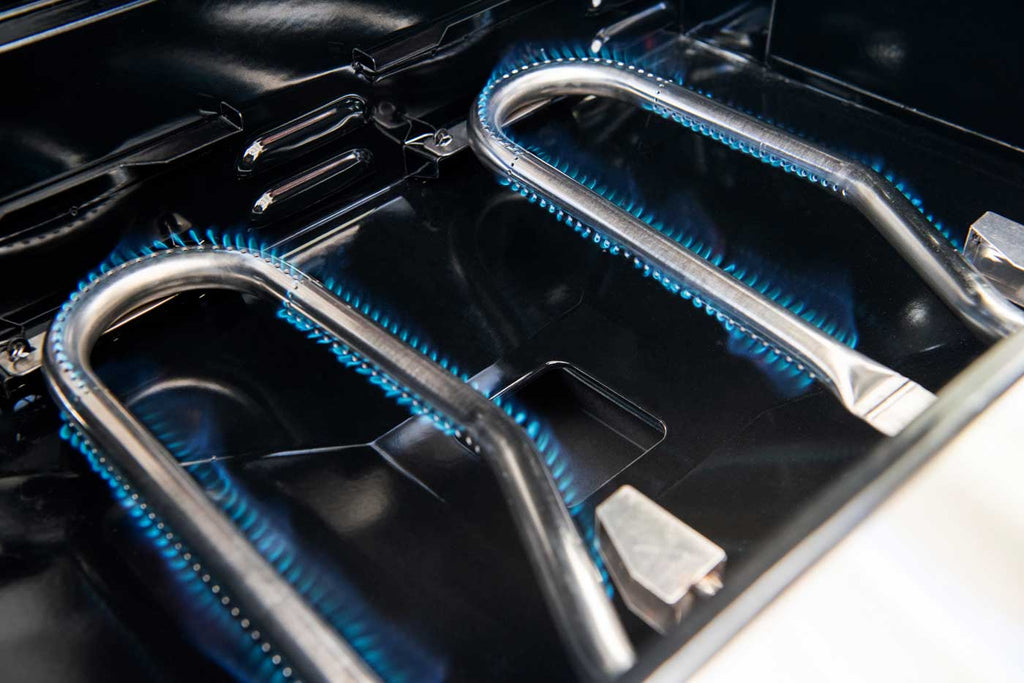
Uneven flames show as some burners burning brighter than others. Yellow or flickering flames signal poor gas flow or blockage. Blue flames with yellow tips are normal, but mostly yellow flames mean trouble. Check each burner to find the weak spots before grilling.
Cleaning Burner Tubes
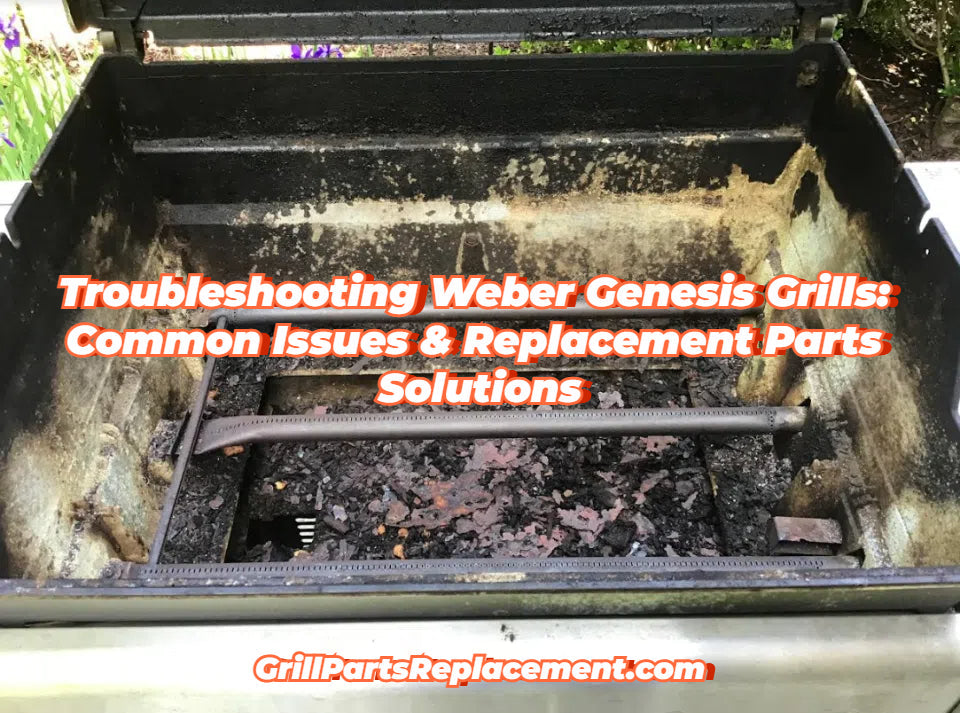
Dirt and spider webs can block burner tubes. Blocked tubes cause uneven flames and low heat. Remove the tubes carefully and clear out any debris inside. Use a brush or compressed air to clean tubes fully. Clean tubes improve gas flow and flame consistency.
Adjusting Air Shutters
Air shutters control the mix of gas and air. Too much air makes flames flicker or go out. Too little air makes yellow, smoky flames. Locate the air shutters near the burners. Turn them slightly to get steady blue flames. Small changes improve flame quality and heat.
Replacing Faulty Burners
Old or damaged burners cause weak flames and poor heat. Cracks or rust on burners block gas flow. Remove the burner and check for damage. Replace burners if cleaning and adjusting do not fix the problem. New burners restore proper flame and even cooking heat.
Safety Concerns
Safety is the top priority when using a gas grill. Faulty equipment or leaks can cause fires or explosions. Knowing how to spot and fix issues early keeps you and your family safe. Always check your grill for problems before lighting it. Stay alert to unusual smells or sounds. Follow safe practices to avoid accidents. This section covers key safety concerns and simple tests to keep your grill secure.
Detecting Gas Leaks
Gas leaks are dangerous and must be found quickly. Check all connections between the tank and grill. Look for cracks or worn parts on hoses. Smell for a strong odor of gas near your grill. A hissing sound can also signal a leak. Always perform a leak test after installing a new tank or part. If you detect a leak, turn off the gas immediately. Do not use the grill until the leak is fixed.
Using Soapy Water For Leak Testing
Soapy water is an easy way to find gas leaks. Mix water with dish soap in a spray bottle or bowl. Apply the soapy water to all gas connections and hoses. Watch for bubbles forming at the spots you sprayed. Bubbles mean gas is escaping. Tighten connections or replace parts if bubbles appear. Repeat the test to confirm the fix. Never test leaks with an open flame.
Handling Smells And Noises
A strong gas smell near your grill means a leak or spill. Turn off the gas supply right away. Move away from the grill and avoid sparks or flames. Check hoses and connections for damage. Strange noises like hissing or whistling are signs of gas escaping. Listen carefully and inspect your grill before use. Address any smell or noise issues before lighting the grill. Safety first keeps grilling fun and worry-free.
Maintenance Tips
Proper maintenance keeps your gas grill working well for years. Regular care prevents common problems and ensures safe grilling. Follow simple tips to extend your grill’s life and improve its performance.
Regular Cleaning Practices
Clean the grill after each use to remove grease and food bits. Use a grill brush to scrub the grates while they are warm. Wipe down the exterior with a mild soap and water solution. Check and clear burner tubes of debris to keep flames steady. Empty the drip pan regularly to avoid flare-ups.
Storing The Grill Properly
Cover the grill with a weatherproof grill cover when not in use. Store the grill in a dry, sheltered place during winter or long breaks. Disconnect the propane tank and keep it in a safe, ventilated area. Avoid placing the grill near flammable items or direct sunlight. Proper storage prevents rust and damage from weather.
Replacing Parts On Schedule
Inspect parts like burners, hoses, and valves every few months. Replace worn or damaged parts to maintain safety and performance. Follow the manufacturer’s recommendations for part replacement intervals. Use only compatible parts to avoid leaks or malfunctions. Keeping parts fresh prevents unexpected breakdowns during cooking.
Credit: grillpartsreplacement.com
Frequently Asked Questions
Why Is My Propane Grill Not Letting Gas Through?
Your propane grill may block gas due to a closed tank valve, a faulty regulator, or kinked hoses. Check for leaks, open the valve fully, inspect hoses for damage, and replace the regulator if old or defective. Clean burner tubes to ensure proper gas flow.
How Do I Reset A Gas Grill Regulator?
Turn off the propane tank and all burner knobs. Disconnect the regulator to release pressure. Reconnect it securely. Slowly open the tank valve to reset the safety valve. Light burners following your grill’s instructions. Avoid opening the valve too quickly to prevent triggering the safety feature.
How Do I Know If My Gas Grill Regulator Is Bad?
Signs of a bad gas grill regulator include low or uneven flame, gas smell near connections, and failure to light. Check for leaks or damage. If flames stay weak after resetting the regulator, it likely needs replacement.
How Do You Unclog A Gas Grill Line?
Turn off the gas and burners. Disconnect the hose and check for blockages or damage. Clear debris with compressed air or a pipe cleaner. Reconnect and slowly open the tank valve. Replace the hose or regulator if clog persists. Test for proper gas flow before use.
Why Is My Gas Grill Not Lighting Properly?
A common cause is an empty or closed propane tank. Check the tank valve and refill or replace if needed. Also, clean burner ports to ensure gas flow.
Conclusion
Troubleshooting your gas grill need not feel hard or confusing. Check the tank, hoses, and regulator carefully first. Clean or replace parts showing damage or wear. Open the gas valve slowly to avoid safety lockouts. Keep your grill well maintained for better cooking results.
Small fixes often bring your grill back to life. Enjoy grilling with confidence and fewer interruptions. Stay safe, follow steps, and grill on!