Is your gas hot water heater acting up just when you need it most? No hot water, strange noises, or a pilot light that won’t stay lit can quickly turn your daily routine upside down.
But before you call a plumber, there’s a good chance you can troubleshoot and fix the problem yourself. This guide will walk you through simple steps to identify and solve common issues with your gas hot water heater. You’ll learn how to check for gas leaks, reset the system, relight the pilot light, and spot signs of trouble like sediment buildup or a faulty thermocouple.
By the end, you’ll feel confident tackling your water heater problems—and getting your hot water flowing again without delay. Keep reading to take control of your home’s hot water and avoid costly repairs!
Credit: www.americanwaterheater.com
Pilot Light Problems
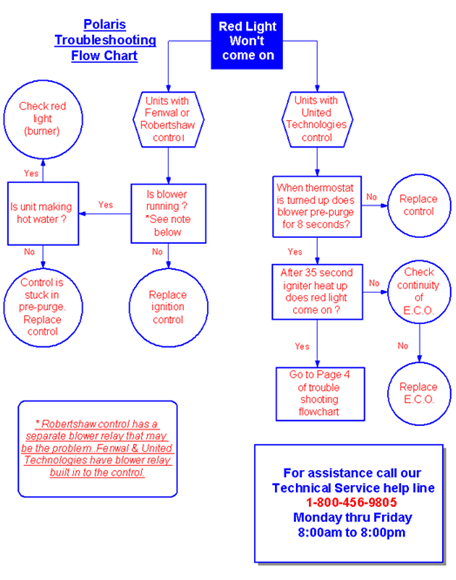
The pilot light is a small flame that ignites the gas burner in your water heater. When the pilot light goes out, your heater stops producing hot water. Troubles with the pilot light are common and often easy to fix. Understanding the causes helps you troubleshoot quickly and safely.
Thermocouple Failures
The thermocouple senses the pilot light’s heat. It signals the gas valve to stay open. If the thermocouple fails, the gas supply shuts off for safety. Signs include a pilot light that won’t stay lit. Replacing a faulty thermocouple often solves this issue.
Dirty Burner Issues
Dirt and dust can build up on the burner. This buildup blocks gas flow and stops ignition. A weak or flickering pilot light can result. Cleaning the burner with a brush or vacuum restores proper flame and heat.
Gas Supply Interruptions
Interrupted gas supply stops the pilot light from lighting or staying lit. Causes include closed gas valves, leaks, or utility issues. Check all valves are open and listen for gas flow. Contact your gas company if you suspect a supply problem.

Credit: www.thorfamilylaw.com
Resetting The Heater
Resetting a gas hot water heater can solve many common problems. It is a simple step that often restores proper function. Knowing how to reset your heater saves time and avoids costly repairs. This process involves locating the reset button, pressing the thermal cutoff, and relighting the pilot light. Follow these easy steps for a quick fix.
Locating The Reset Button
Find the metal panel on the heater’s side. It usually has a small window or label. Remove the panel carefully to access the controls. Look for a small red or black button near the thermostat. This is the reset button. It may be labeled “Reset” or “Thermal Cutoff.”
Pressing The Thermal Cutoff
Press the reset button firmly until you hear a click. This action resets the thermal cutoff switch. The switch protects the heater from overheating. After pressing, wait a few seconds. This helps the system stabilize before restarting. If the button does not click, try pressing it again.
Relighting The Pilot
Turn the control knob to the “Pilot” position. Push the knob in and hold it down. While holding, press the igniter button repeatedly. Watch for the pilot light to ignite. Keep holding the knob for 30 seconds after lighting. Release the knob slowly and check if the pilot stays on. Finally, turn the knob to the “On” position to resume normal heating.
Sediment Buildup Effects
Sediment buildup inside a gas hot water heater harms its performance. Over time, minerals and debris settle at the tank’s bottom. This layer causes several problems that affect heating and efficiency. Understanding these effects helps keep your water heater in good shape.
Noisy Operation
When sediment builds up, the heater often makes popping or rumbling sounds. Heat trapped under the sediment causes water to boil and create bubbles. These bubbles burst loudly, causing noise. This problem signals a need for maintenance to avoid damage.
Reduced Efficiency
Thick sediment reduces heat transfer from the burner to the water. The heater works harder and uses more gas to heat water. This leads to higher energy bills and longer wait times for hot water. Efficiency drops significantly as sediment grows thicker.
Flushing The Tank
Flushing removes sediment and restores heater performance. Turn off the gas and water supply before draining. Attach a hose to the drain valve and empty the tank completely. Flush with clean water until it runs clear. Regular flushing prevents sediment buildup and extends heater life.
Leak Detection
Detecting leaks in a gas hot water heater is important to avoid water damage and energy loss. Early leak detection helps prevent costly repairs and keeps your home safe. Regular checks can spot small leaks before they become big problems. Follow simple steps to find leaks around your heater.
Checking Insulation For Dampness
Start by removing the access panel on the heater’s side. Feel the insulation behind the panel carefully. If the insulation feels wet or damp, it signals a leak nearby. Damp insulation can cause rust and damage to the heater’s parts. Replace wet insulation to protect the heater and keep it working well.
Inspecting The Tank
Look closely at the tank’s surface for rust, corrosion, or water stains. Small cracks or rust spots can cause leaks. Check the bottom of the tank for puddles or moisture. Use a flashlight for a better view of hidden areas. If you see any damage, prepare for repairs or tank replacement.
Replacing The Anode Rod
The anode rod helps stop rust inside the tank. Over time, it wears out and loses its power. A worn anode rod can lead to leaks and tank corrosion. Unscrew the old rod and check its condition. Replace it with a new rod to protect the tank and reduce leak risks.
Safety Precautions
Working with a gas hot water heater requires careful attention to safety. Gas leaks and improper ventilation can lead to serious hazards. Taking the right precautions protects you and your home. Always prioritize safety before starting any troubleshooting steps.
Detecting Gas Leaks
Gas leaks smell like rotten eggs or sulfur. If you notice this odor, do not use electrical switches or flames. Open windows and doors to let fresh air in. Turn off the gas supply at the main valve immediately. Leave the area and call a professional to inspect the heater. Never ignore the smell of gas.
Ventilating The Area
Proper ventilation prevents dangerous gas buildup. Ensure the room where the heater is installed has fresh air flow. Open windows or vents to allow air circulation. Avoid blocking air intakes or exhaust vents of the heater. Good ventilation helps the heater work safely and efficiently.
When To Call A Professional
Call a professional if you detect gas leaks or unusual smells. Do not try to fix gas problems yourself. Also, call an expert if the pilot light won’t stay lit or if you hear strange noises. Regular inspections by a licensed technician keep your heater safe. Trust professionals for any complex repairs or safety concerns.
Maintaining Heater Performance
Maintaining the performance of your gas hot water heater ensures a steady supply of hot water. Proper care helps the heater run efficiently and last longer. Simple checks and cleaning tasks prevent common issues and costly repairs.
Regular Cleaning Tips
Clean the heater’s exterior to remove dust and dirt. Dust buildup can block vents and reduce efficiency. Flush the tank yearly to clear sediment. Sediment causes corrosion and lowers heating power. Use a hose to drain water until clear. Clean the burner area carefully to remove debris. A clean heater works better and saves energy.
Checking Gas Valves
Inspect gas valves for leaks or damage regularly. A leaking valve is dangerous and wastes gas. Use soapy water on valve joints; bubbles mean a leak. Tighten or replace faulty valves promptly. Confirm valves open and close smoothly. Proper valve function keeps your heater safe and reliable.
Monitoring Water Temperature
Set the water temperature between 120°F and 140°F. Too high temperature risks burns and wastes energy. Too low temperature encourages bacteria growth. Check the thermostat monthly to maintain the right setting. Use a thermometer to verify water heat. Adjust settings as needed for comfort and safety.
Credit: vidscola.com
Frequently Asked Questions
What Is The Most Common Problem With A Gas Hot Water Heater?
The most common problem with a gas hot water heater is a faulty pilot light or thermocouple, causing the pilot to go out. Sediment buildup and tank leaks also frequently cause issues. These problems lead to no hot water, noises, or reduced efficiency.
What Is The First Thing To Check When There Is No Hot Water?
The first thing to check is the pilot light. Ensure it is lit and the gas supply is on.
How To Clean A Thermocouple On A Water Heater?
Turn off the gas supply and power. Remove the thermocouple and gently clean it with fine steel wool or sandpaper. Reinstall and test the pilot light. Avoid harsh chemicals to prevent damage.
Why Is My Gas Water Heater Not Getting Hot?
Your gas water heater may not get hot due to a faulty pilot light, a bad thermocouple, or sediment buildup. Check the pilot light and reset it if needed. Sediment accumulation can reduce heating efficiency. Contact a professional if the pilot won’t stay lit or issues persist.
How Do I Reset A Gas Hot Water Heater Safely?
Locate the reset button behind the access panel. Press it firmly until it clicks. Then, relight the pilot light following the heater’s instructions.
Conclusion
Troubleshooting a gas hot water heater can save time and money. Start by checking for gas leaks and pilot light issues. Resetting the thermal cutoff switch often solves simple problems. Always follow safety steps and use your heater’s manual. If problems persist, contact a professional plumber.
Regular maintenance helps keep your heater working well. Remember, small fixes can prevent bigger damage later. Stay safe and keep your hot water flowing smoothly every day.