Is your GE bottom freezer refrigerator not cooling properly or acting up unexpectedly? You’re not alone, and the good news is many common issues can be fixed with a few simple troubleshooting steps.
Whether your fridge won’t keep food cold, the freezer is frosting up too much, or the ice maker has stopped working, understanding what to check first can save you time and frustration. In this guide, you’ll discover easy-to-follow tips to identify and solve common problems with your GE bottom freezer refrigerator.
Keep reading—because getting your fridge back to perfect working order might be easier than you think.
Credit: www.mrappliance.com
Cooling Issues
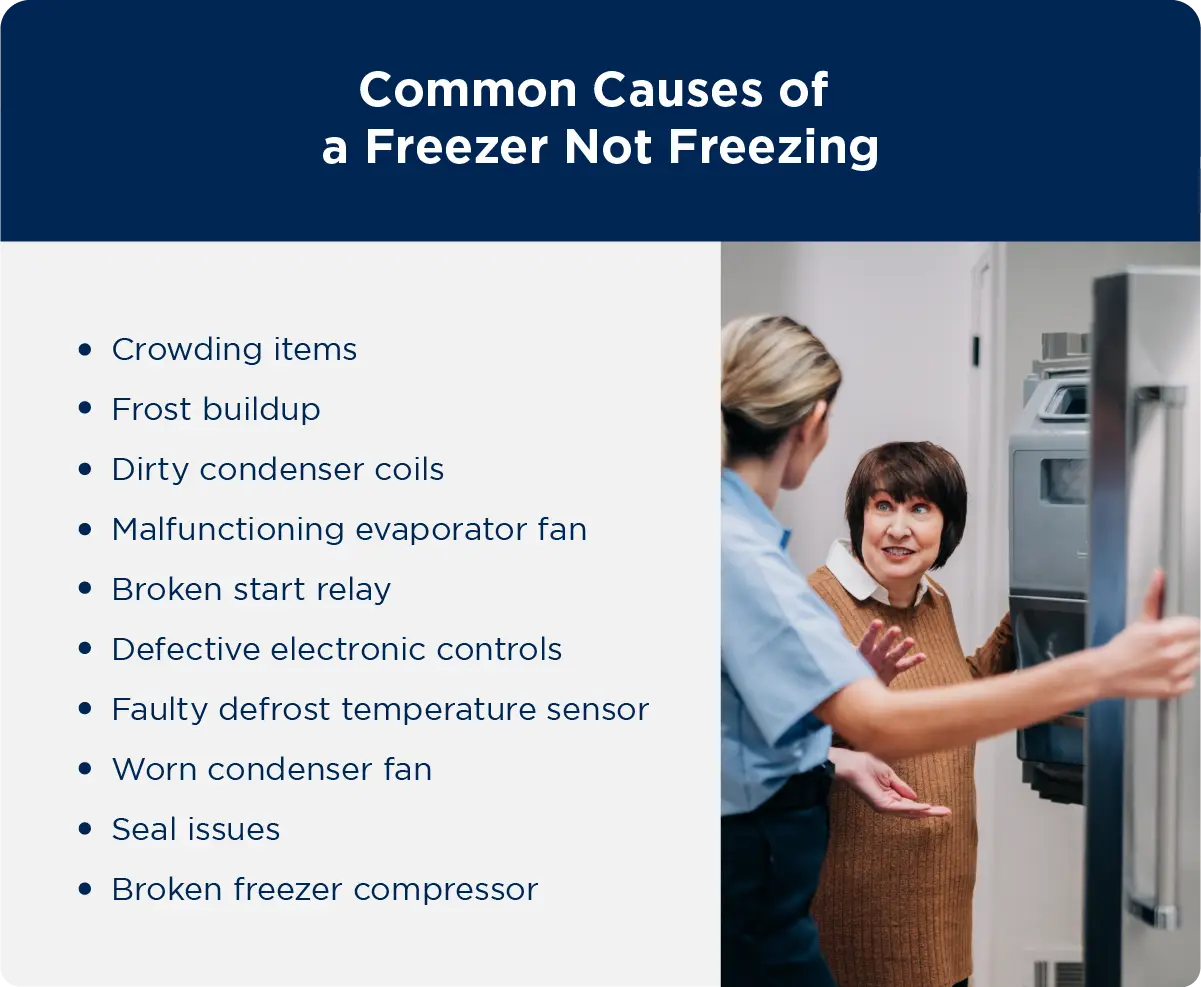
Cooling issues in a GE bottom freezer refrigerator can cause food to spoil and ice to build up. These problems often come from simple causes like dirt or broken parts. Understanding the common issues helps fix the fridge faster and keeps it running well. Below are main causes of cooling problems and how they affect the refrigerator’s performance.
Dirty Condenser Coils
Condenser coils release heat from the fridge. Dirt and dust block heat transfer. This makes the fridge work harder and cool less. Cleaning coils regularly improves cooling and saves energy.
Faulty Fans
Two fans help cool your fridge: the evaporator fan and the condenser fan. If either fan stops working, cold air does not circulate properly. This causes warm spots inside the fridge or freezer.
Blocked Vents
Vents let cold air flow between fridge compartments. Blocking vents with food or containers stops air circulation. This causes uneven cooling and warm areas inside the fridge.
Compressor Problems
The compressor pumps refrigerant to cool the fridge. If it fails or its start relay breaks, the fridge will not cool well. A faulty compressor can cause the fridge to run continuously without cooling.
Defrost System Failures
The defrost system prevents ice build-up on coils. If it stops working, ice blocks airflow and reduces cooling. This leads to warm temperatures inside the fridge and freezer.
Ice Maker And Water Dispenser Issues
Problems with the ice maker or water dispenser can affect cooling. Leaks or blockages may cause temperature changes or ice build-up. Proper function helps maintain steady cooling.
Control Board And Sensor Malfunctions
The control board and sensors regulate fridge temperature. If they fail, the fridge may not cool correctly or shut off at wrong times. Faulty electronics often cause irregular cooling or no cooling at all.
Basic Troubleshooting Steps
Basic troubleshooting steps help identify common issues with your GE bottom freezer refrigerator. These checks save time and avoid unnecessary repairs. Start with simple tasks to improve performance and cooling. Follow these clear steps to keep your fridge running smoothly.
Clean Condenser Coils
Condenser coils remove heat from the refrigerator. Dust and dirt block this process. Locate the coils, usually at the back or underneath the fridge. Use a vacuum or brush to clean dirt gently. Clean coils improve cooling and lower energy use. Do this every six months for best results.
Inspect Vents And Door Seals
Air vents inside the fridge allow cold air to circulate. Blocked vents reduce cooling efficiency. Remove items blocking the vents. Check door seals for cracks or gaps. Poor seals let warm air in, causing temperature problems. Clean seals with warm, soapy water. Replace damaged seals to keep cold air inside.
Check Power Supply And Thermostat
Make sure the fridge is plugged in securely. Check the circuit breaker or fuse box for power issues. Inspect the thermostat settings. The ideal fridge temperature is between 37°F and 40°F. Adjust the thermostat if the fridge is too warm or too cold. Faulty thermostats may need professional replacement.
Compressor Challenges
The compressor is the heart of your GE bottom freezer refrigerator. It pumps refrigerant through the system to keep your food cold. Troubles with the compressor can lead to poor cooling or complete failure. Understanding common compressor challenges helps you spot problems early. This section covers key issues like overheating and signs of wear. Acting quickly can save repair costs and extend your fridge’s life.
Overheating Risks
The compressor can overheat due to poor ventilation or dirt buildup. Dust on condenser coils blocks heat release. High ambient temperatures add stress to the compressor. Overheating causes the compressor to shut down to prevent damage. Repeated shutdowns reduce its lifespan and can cause total failure. Keep coils clean and ensure good airflow around the fridge. Avoid placing the fridge near heat sources or in direct sunlight.
Signs Of Compressor Wear
Listen for unusual noises like clicking or humming from the compressor. These sounds may signal internal wear or electrical issues. A compressor running constantly without cycling off shows strain. Warm spots on the compressor surface indicate overheating. If your fridge does not cool well or runs louder than usual, the compressor could be failing. Early detection of wear means you can consult a professional before bigger problems develop.

Credit: codysappliancerepair.com
Defrost System Problems
Defrost system problems are common in GE bottom freezer refrigerators. This system prevents frost from building up on the evaporator coils. If it fails, frost can accumulate and block cold air flow. This causes the fridge to work harder and cool less efficiently. Identifying defrost system issues early helps maintain proper cooling and saves energy.
Frost Buildup Effects
Frost buildup reduces airflow inside the freezer. It blocks vents and covers evaporator coils. This stops cold air from circulating properly. The fridge temperature rises, and food may spoil faster. Frost also forces the compressor to run more often. This increases energy use and can shorten the fridge’s life.
Resetting The Defrost Cycle
Resetting the defrost cycle can fix minor defrost problems. First, unplug the refrigerator for a few minutes. Then, plug it back in to restart the defrost timer. This helps the system clear any frost buildup. If frost returns quickly, the defrost heater or timer may need repair. Always check the user manual for model-specific reset instructions.
When To Call A Technician
Knowing when to call a technician for your GE bottom freezer refrigerator saves time and prevents further damage. Some problems require specialized tools and knowledge. Attempting repairs without experience can worsen the issue or void your warranty. Early professional help ensures your fridge works efficiently and lasts longer.
Compressor And Relay Issues
The compressor is the fridge’s cooling engine. If it stops running or makes loud noises, call a technician. Faulty start relays cause the compressor to fail or overheat. A trained expert can test and replace these parts safely. Ignoring these signs leads to poor cooling and higher energy bills.
Control Board Failures
The control board manages the fridge’s functions. If your fridge shows erratic behavior, like random defrost cycles or wrong temperatures, the control board might be faulty. Technicians diagnose these electronic problems with special tools. Replacing or repairing the board requires technical skill and knowledge of the model.
Refrigerant Concerns
Low or leaking refrigerant causes poor cooling or frost buildup. Refrigerant handling is risky and illegal without certification. A technician locates leaks, repairs them, and refills the refrigerant safely. Never try to add refrigerant yourself. Proper pressure and charge levels are crucial for fridge performance.

Credit: www.youtube.com
Frequently Asked Questions
How To Reset Ge Bottom Freezer Refrigerator?
To reset a GE bottom freezer refrigerator, unplug it for 5 minutes. Then, plug it back in and restart the controls. This clears minor errors and resets the system.
What Is The Most Common Problem With A Ge Refrigerator?
The most common problem with a GE refrigerator is cooling failure. Causes include dirty condenser coils, faulty fans, blocked vents, and compressor issues. These problems lead to warm food or ice buildup. Regular cleaning and checking vents can help prevent cooling issues.
What Is The Problem With The Bottom Freezer Refrigerator?
Bottom freezer refrigerators often face compressor overheating due to its location near the freezer. This causes faster wear and potential failure.
What Is The First Thing To Check When A Refrigerator Stops Cooling?
First, check if the refrigerator is plugged in and the thermostat is set correctly. Then, inspect condenser coils for dirt buildup.
What Causes A Ge Bottom Freezer Refrigerator Not Cooling?
A GE bottom freezer fridge may not cool due to dirty condenser coils, faulty fans, or blocked vents. Compressor or defrost system issues can also reduce cooling performance.
Conclusion
GE bottom freezer refrigerators can face common issues like cooling problems or frost buildup. Start by cleaning coils, checking vents, and inspecting door seals. Simple fixes often restore proper function quickly. Pay attention to unusual noises or temperature changes. Persistent problems may need expert help to avoid further damage.
Regular maintenance keeps your fridge running smoothly. Troubleshooting saves time and money while ensuring fresh food storage. Stay patient and follow steps carefully for best results.