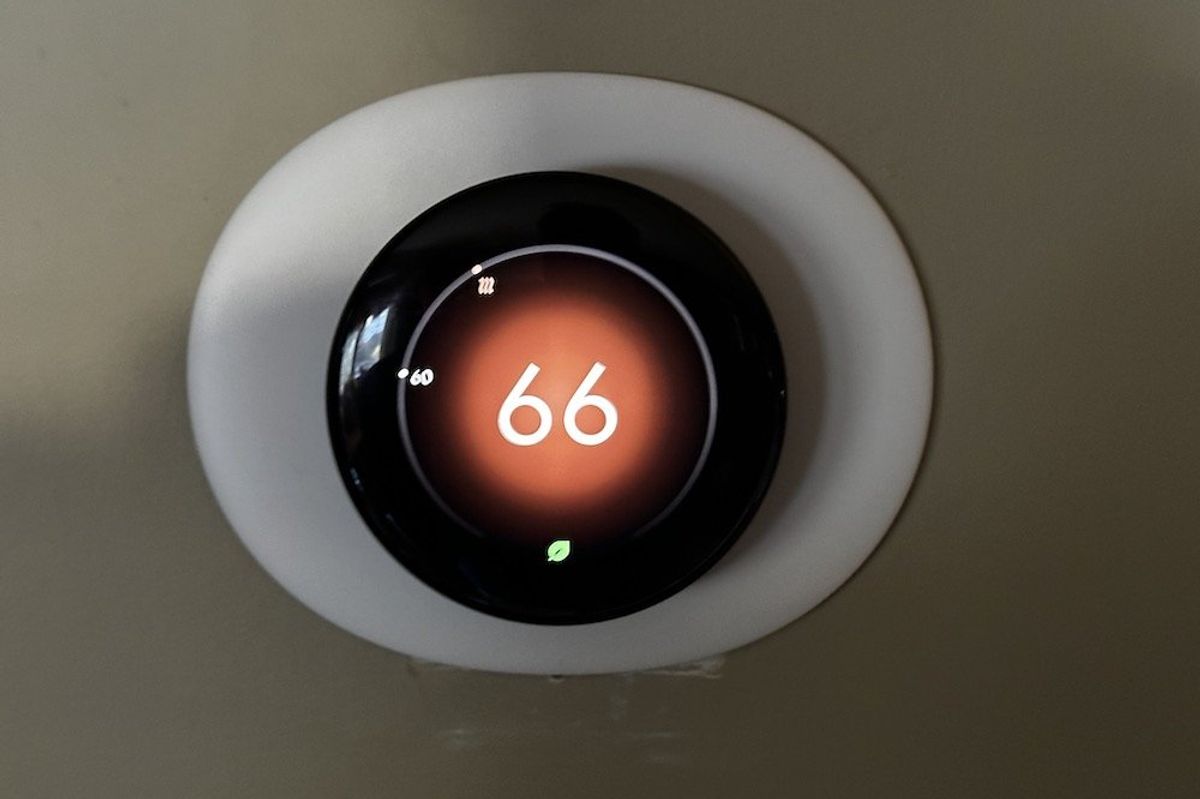
Is your Google Nest acting up when you least expect it? Whether your thermostat won’t connect to Wi-Fi, the display stays blank, or your heating and cooling just won’t cooperate, these problems can be frustrating.
But don’t worry—you’re not alone, and most issues have simple fixes that you can try right now. In this guide, you’ll discover straightforward troubleshooting tips tailored to your Google Nest device. By following easy steps, you can get your Nest back on track quickly and enjoy the comfort and convenience it’s meant to bring.
Ready to solve your Google Nest troubles? Let’s dive in!

Credit: www.youtube.com
Power Problems
Power problems are common issues with Google Nest devices. These problems can cause the device to shut down unexpectedly or behave erratically. Understanding power-related symptoms helps to fix the device quickly. This section covers common power issues and easy checks to restore your Nest’s function.
Low Battery Symptoms
Google Nest devices with low battery show clear signs. The display may dim or turn off completely. Motion sensing might stop working. The device can lose Wi-Fi connection often. Sometimes, you see a “Delayed” message on the screen. Strange noises like clicking or chattering can also occur. These symptoms often mean the device lacks steady power. Recharging or replacing the battery may solve the issue.
C-wire And Power Connector
The C-wire supplies constant power to your Nest thermostat. Missing or loose C-wire causes battery drain and device resets. Some homes lack a C-wire in their HVAC system. Using a Nest Power Connector can replace the C-wire function. It helps maintain continuous power to the thermostat. Check wiring for looseness or damage. Secure connections ensure your Nest runs without power interruptions.
Fuses And Breakers Check
Power problems may come from blown fuses or tripped breakers. These cut power to the HVAC system and Nest device. Locate your home’s electrical panel. Inspect fuses for any visible damage or burning. Reset any tripped breakers by switching them off and on. If the fuse blows again, call an electrician. Ensuring proper power flow prevents Nest from shutting off unexpectedly.
Hvac System Issues
The HVAC system plays a key role in your home’s comfort. Google Nest thermostats control heating and cooling efficiently. Still, issues can arise that disrupt system performance. Troubleshooting HVAC problems helps restore proper function quickly. This section covers common HVAC system issues with Google Nest devices.
Heating And Cooling Malfunctions
Heating or cooling may fail to start or stop properly. The HVAC system might run constantly or not turn on at all. These problems often point to wiring errors or power faults. Check the thermostat settings first for correct mode and temperature. Inspect circuit breakers and fuses for power interruptions. Resetting the Nest thermostat can fix temporary glitches. Persistent problems may require professional HVAC inspection.
Wiring For Heat Pumps
Heat pumps need specific wiring to work with Google Nest. Incorrect wiring causes the system to behave erratically. The Nest must detect the heat pump’s auxiliary and emergency heat wires. Verify that the wires match Nest’s labeling and placement on the backplate. Use a wiring diagram for your heat pump model. Loose or swapped wires can cause short cycling or no heat output. Always turn off power before adjusting wiring.
Thermostat Backplate Problems
The thermostat backplate connects wires and secures the Nest to the wall. A loose or damaged backplate interrupts electrical contact. This can cause the Nest to lose power or fail to control HVAC properly. Remove the Nest display and check that wires are tight on the backplate terminals. Clean any dirt or corrosion on the contacts. Replace the backplate if it is cracked or broken to ensure stable operation.
Wi-fi Connectivity
Wi-Fi connectivity is crucial for your Google Nest device to function smoothly. A stable connection ensures your smart home runs without interruptions. Troubles with Wi-Fi can disrupt device control, updates, and automation. Understanding common connectivity issues helps fix problems quickly and keep your Nest working well.
Connection Drops
Connection drops happen when the Wi-Fi signal weakens or cuts out. This causes your Nest to lose communication with the network. Frequent drops may result from interference or router settings. Restart your Nest device and router to refresh the connection. Keep your Nest within range of the router for a steady link.
Router And Signal Strength
Router placement affects signal strength and device performance. Place your router in an open area, away from thick walls or metal objects. Avoid placing it near microwaves or cordless phones, which cause interference. Use a Wi-Fi analyzer app to check signal strength around your home. A stronger signal means fewer connection problems for your Nest.
Google Home App Setup
The Google Home app is essential for connecting and managing your Nest. Ensure the app is up to date for the best experience. During setup, enter the correct Wi-Fi name and password carefully. Confirm your Nest device shows as connected in the app. Reset the device and retry setup if connection fails initially.
Sensor And Home/away Assist
The Google Nest system uses sensors to detect your presence and adjust settings automatically. Home/Away Assist helps save energy by switching modes based on activity. It uses motion sensors and your phone’s location to decide if you are home or away. Sometimes, this feature may not work as expected. Troubleshooting these issues can improve your Nest’s performance and energy savings.
Incorrect Away Mode Activation
A common problem is Away mode turning on at the wrong times. This can happen if sensors do not detect movement properly. Also, if your phone’s location is not updated, Nest might think you left home. Check if the Nest app shows your correct location. Restarting the device or updating the app may fix this issue.
Sensor Placement Tips
Correct sensor placement is key for accurate detection. Place sensors in rooms where you spend most time. Avoid placing sensors near windows or vents to prevent false readings. Keep sensors away from direct sunlight or heat sources. Clean sensors regularly to ensure they are not blocked by dust.
User Account Settings
Your Google account settings affect Home/Away Assist. Make sure all family members have their phones linked to the Nest account. Enable location sharing for accurate home detection. Review permissions in the Google Home app to allow proper sensor and phone communication. Incorrect settings can cause delayed or wrong mode changes.
Wiring And Compatibility
Wiring and compatibility play a key role in Google Nest thermostat performance. Incorrect wiring can cause power problems and system errors. Compatibility issues may prevent the Nest from controlling your HVAC system properly. Checking these factors first can save time and effort in troubleshooting.
Inspecting Thermostat Wiring
Start by turning off power to your HVAC system. Remove the Nest thermostat from its base. Look closely at each wire connection on the base. Check for loose, damaged, or missing wires. Wires must be firmly connected to the correct terminals. Use a flashlight for better visibility. Note any wires that do not match your old thermostat setup.
Using Correct Wires
The Nest thermostat requires specific wires for proper function. The common wire (C-wire) provides continuous power. Without it, the Nest may lose power or reboot often. Heating (W), cooling (Y), and fan (G) wires must also be correct. Avoid mixing wires or connecting extras. Use original wires or replacements of the same gauge and type. Incorrect wires can cause system short cycling or failure.
Compatibility Checker Tool
Google offers a Compatibility Checker tool online. Enter your HVAC system type and wiring information. The tool shows if Nest supports your system. It also lists necessary wires and accessories. Use this tool before buying or installing a Nest thermostat. It reduces guesswork and prevents installation errors. Save your system details for future reference.
Credit: www.esseg.eu
Restart And Reset
Restarting or resetting your Google Nest device solves many common issues fast. A simple restart clears minor glitches without erasing your settings. Resetting the device restores factory settings and erases all data. Knowing when and how to restart or reset helps keep your Nest working smoothly.
Soft Restart Steps
To perform a soft restart, press and hold the Nest device’s main button. Hold it for about 10 seconds until the screen turns off. Release the button, and wait for the device to power back on. This restart helps fix small bugs or frozen screens quickly. It does not delete any saved settings or data.
Factory Reset Instructions
Begin by opening the main menu on your Nest device. Navigate to Settings, then select Reset. Choose Factory Reset from the options. Confirm your choice to erase all data and settings. The device will restart as new. Use this reset only when necessary, since it removes all personal information and configurations.
When To Reset
Try a soft restart first if the device is unresponsive or slow. Use a factory reset if problems continue after restarting. Reset the device if you plan to sell it or give it away. Also reset if you cannot fix connection or software issues. Resetting can solve deep software problems that a restart cannot.
Firmware And Software Updates
Keeping your Google Nest device up to date is essential for smooth operation and security. Firmware and software updates bring important improvements and fix bugs. Regular updates help your device work well with other smart home tools.
These updates usually happen automatically. Still, you can check and install them manually. Knowing how to manage updates can solve many common issues quickly.
Checking For Updates
Start by opening the Google Home app on your phone. Select your Nest device from the list. Scroll to find the device settings or info section. Here, you can see the current firmware version.
The app will also show if an update is available. If you do not see any message, your device likely has the latest firmware. Checking updates often ensures your Nest runs the newest software.
Updating Via Google Home
To update your Nest device, open the Google Home app. Tap on your device and go to settings. Look for the option to check for updates. If an update is ready, the app will prompt you to install it.
Follow the on-screen instructions carefully. Keep your device powered and connected to Wi-Fi during the update. Interruptions can cause the update to fail or your device to malfunction.
Troubleshooting Update Failures
Sometimes updates do not install properly. This issue can occur if your Wi-Fi signal is weak or unstable. Move your Nest device closer to the router to improve connection.
Restart your Google Nest and the router. Try the update again through the Google Home app. If the problem continues, reset your Nest to factory settings as a last step.
Contact Google support if these steps do not fix the update issue. Keeping firmware current is vital for your device’s health and security.

Credit: support.google.com
Frequently Asked Questions
Why Is My Google Nest Not Working?
Google Nest may fail due to power issues, Wi-Fi drops, or wiring faults. Restart devices, check connections, update firmware, and ensure correct Wi-Fi credentials. Verify proper wiring, especially the C-wire, and confirm compatibility with your HVAC system. Use the Google Home app for setup and troubleshooting.
What Is A Common Problem With Nest Thermostats?
A common problem with Nest thermostats is power issues due to a missing C-wire, causing battery drain and short cycling. Wi-Fi connectivity drops and inaccurate temperature readings also occur. Fixes include adding a C-wire, checking wiring, and improving Wi-Fi signal strength.
How Do I Reset Google Nest?
Press and hold the thermostat ring for about 10 seconds until the screen turns off. Release to restart. For factory reset, go to Settings > Reset > All Settings in the Google Nest app or thermostat menu. This clears all settings and reconnects the device.
Why Is My Google Home Suddenly Not Working?
Your Google Home might not work due to Wi-Fi issues, power problems, or software glitches. Restart the device and router. Check Wi-Fi settings in the Google Home app. Ensure firmware is updated. Verify power connections and confirm device placement near the router for a stable signal.
Why Is My Google Nest Not Connecting To Wi-fi?
Restart your router and Nest device to refresh connections. Check the Google Home app for correct Wi-Fi settings. Ensure the Nest’s LED shows solid blue for setup mode.
Conclusion
Troubleshooting your Google Nest can solve most common problems quickly. Start with simple checks like power and Wi-Fi connections. Keep your device updated and properly wired for best results. Small fixes often restore normal function without extra help. Staying patient and following steps helps avoid frustration.
Your Nest will work smoothly with regular care and attention.