Is your Grundfos pump not working like it used to? When your pump struggles or stops altogether, it can disrupt your entire system and cause headaches.
But don’t worry—you’re in the right place to solve those issues quickly and effectively. Whether your pump is making strange noises, losing pressure, overheating, or shutting down unexpectedly, understanding the common problems and how to fix them can save you time and money.
In this guide, you’ll discover simple troubleshooting tips tailored for Grundfos pumps that anyone can follow. Keep reading to regain full control over your pump’s performance and avoid costly repairs.
Common Grundfos Pump Issues
Grundfos pumps are reliable but can face common issues affecting performance. Understanding these problems helps in quick troubleshooting. Frequent issues include leaks, strange noises, low pressure, overheating, and error codes. Each problem has specific causes and solutions to restore pump efficiency.
Leaks And Their Causes
Leaks often occur around seals or joints. Worn seals or loose connections cause water to escape. Corrosion and cracks in the pump housing also lead to leaks. Checking and replacing damaged seals or tightening fittings can stop leaks quickly. Regular maintenance prevents seal wear and corrosion.
Noise Types And Troubles
Unusual noises indicate pump problems. Grinding or rattling sounds may mean debris is stuck in the impeller. Cavitation causes a hollow, popping noise due to air bubbles in water. Worn bearings produce a constant humming or squealing sound. Identifying the noise helps find the right fix.
Low Pressure Problems
Low pressure reduces pump efficiency and flow. Blockages in pipes or filters restrict water movement. Air trapped inside the pump lowers pressure. Incorrect pump settings or a damaged impeller also cause pressure drops. Cleaning blockages and bleeding air restores normal pressure.
Overheating And Shutdowns
Overheating happens when the pump runs without enough water. Debris blocking flow or a stuck impeller causes heat buildup. Electrical issues or low voltage can trigger automatic shutdowns. Keeping the pump clear of debris and ensuring proper water flow prevents overheating.
Pump Error Codes
Grundfos pumps show error codes for quick diagnostics. Codes indicate issues like motor faults, blocked impellers, or low voltage. Using the Grundfos app or product center helps identify and understand these codes. Following code instructions guides effective repairs and resets.
Diagnosing Pump Problems
Diagnosing pump problems is the first step to fixing Grundfos pumps effectively. Identifying the root cause helps avoid unnecessary repairs and saves time. This process involves checking the pump’s operation, power supply, and flow performance.
Simple tests and tools guide you to pinpoint issues quickly. Below are key methods to diagnose common Grundfos pump problems.
Using Grundfos Go App
The Grundfos GO app connects directly to your pump via Bluetooth. It shows live data and error codes. This helps identify issues like motor faults or incorrect settings.
The app also guides you through troubleshooting steps. It is easy to use and speeds up problem detection.
Checking For Air And Blockages
Air trapped in the pump can cause noise and reduce performance. Bleeding air from the system often solves this problem.
Blockages from dirt or debris can damage the impeller and reduce flow. Inspect and clean the pump and pipework regularly to avoid clogs.
Voltage And Power Checks
Verify the power supply voltage matches the pump requirements. Low or unstable voltage can cause the pump to shut down or run poorly.
Use a multimeter to check voltage and current. Ensure wiring connections are secure and free of corrosion.
Flow Testing Techniques
Flow testing measures the pump’s output against its specifications. Use a flow meter to check the water volume moving through the system.
Low flow rates indicate possible blockages or pump wear. Comparing flow data helps decide if repairs or replacements are needed.
Quick Fixes For Stuck Rotors
Stuck rotors in Grundfos pumps cause interruptions and reduce pump efficiency. Quick fixes can save time and avoid costly repairs. This section covers easy steps to free a stuck rotor safely. Follow these steps carefully for best results.
Powering Off And Disassembly
Start by turning off the pump power supply. Ensure the pump is disconnected from electricity to avoid accidents. Next, remove the pump head carefully. Use a screwdriver to unscrew the bolts holding it in place. Keep all parts organized to prevent losing them during the process.
Freeing The Impeller
Inspect the impeller for any visible blockages. Dirt, rust, or debris often causes the rotor to jam. Use a flat screwdriver to gently turn the impeller back and forth. If it does not move, try spraying a small amount of silicone lubricant on the shaft. Wait a few minutes, then try turning again. Avoid using excessive force that could damage the rotor.
Reassembly And Restart
After freeing the impeller, reassemble the pump head carefully. Make sure all bolts are tightened securely but not too tight. Restore the power supply and turn the pump on. Listen for smooth operation without unusual noises. Monitor the pump for a few minutes to confirm the rotor runs freely.

Dealing With Noise Issues
Noise issues in Grundfos pumps often indicate underlying problems. These sounds can range from humming to grinding and signal mechanical or hydraulic faults. Addressing noise quickly helps prevent damage and keeps the pump running smoothly. Understanding common noise causes is key to effective troubleshooting.
Identifying Cavitation
Cavitation occurs when vapor bubbles form inside the pump. These bubbles collapse and create loud knocking or rattling sounds. Check for low water pressure or blockages in the suction line. Inspect the pump’s operating conditions to ensure proper flow and pressure. Fixing cavitation often involves adjusting the system or replacing damaged parts.
Removing Debris
Debris can block the impeller or discharge, causing noise and poor pump performance. Turn off the pump and open the casing carefully. Remove any dirt, gravel, or other particles found inside. Clean the impeller and housing thoroughly to restore smooth operation. Regular system flushing helps prevent debris buildup.
Bearing And Balance Checks
Worn bearings cause grinding or whining noises in pumps. Listen closely to pinpoint the noise source. Check the pump shaft for wobbling or unusual movement. Bearings may need lubrication or replacement. Also, ensure the impeller is balanced to avoid vibration and noise. Proper maintenance extends pump life and reduces noise problems.
Handling Overheating
Overheating is a common issue with Grundfos pumps that can cause damage and reduce efficiency. It happens when the pump gets too hot during operation. This usually results from poor water circulation or blocked cooling parts. Addressing overheating quickly helps protect the pump and extend its life.
Improving Water Flow
Water flow cools the pump during use. Low flow causes heat to build up inside the pump. Check pipes and valves to ensure water moves freely. Remove any blockages or restrictions in the system. Make sure the pump is the right size for the job. Proper flow prevents overheating and keeps the pump running smoothly.
Cleaning Cooling Paths
Cooling paths can get clogged with dirt and debris. This stops air and water from cooling the pump effectively. Clean all cooling fins and vents regularly. Use a soft brush or compressed air to clear dust and grime. Keep the pump area free of obstructions. Clear cooling paths help maintain safe temperatures during operation.
Resetting Grundfos Pumps
Resetting Grundfos pumps can resolve many common issues quickly. A reset helps clear error codes and restores default settings. It often fixes minor faults caused by power glitches or incorrect configurations.
Before resetting, ensure the pump is safely powered off. Follow the correct reset procedure to avoid further problems. Understanding the LED indicators also helps confirm whether a reset is necessary.
Factory Reset Steps
Start by turning off the pump and disconnecting it from power. Wait for about 30 seconds to ensure all power drains. Reconnect the power and turn the pump on.
Locate the reset button on the pump control panel. Press and hold the reset button for 5 to 10 seconds. Release the button when the LED lights blink or change color.
The pump will restart and return to factory default settings. Check the pump’s operation to confirm the reset was successful. If problems persist, further troubleshooting may be needed.
Interpreting Led Indicators
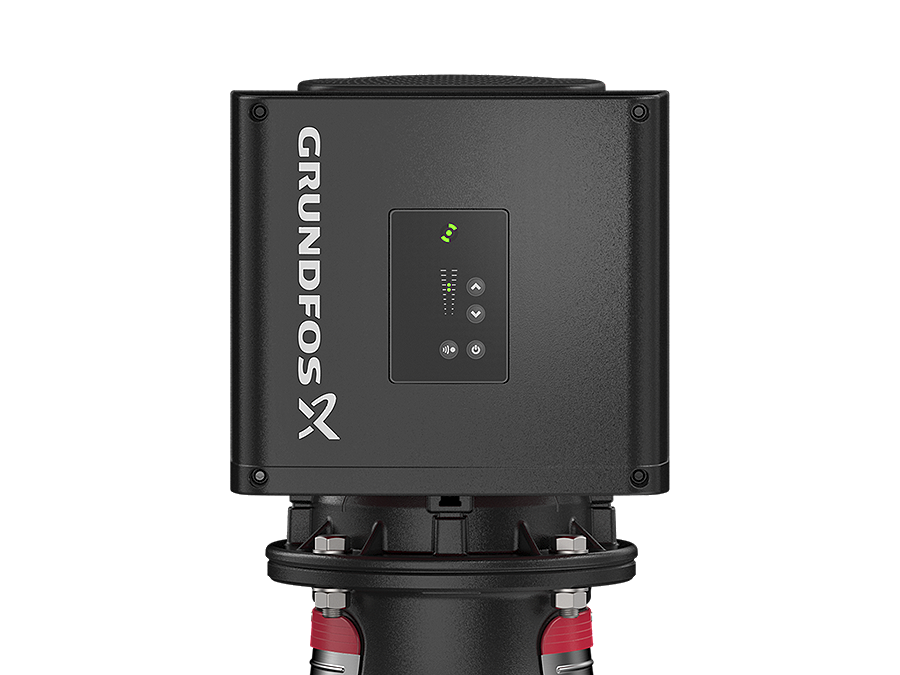
Grundfos pumps use LED lights to show their status and errors. A steady green light usually means normal operation. A blinking green light can indicate the pump is in standby mode.
Red or orange lights often signal an error or warning. The pattern of blinking helps identify specific issues. For example, three red flashes might mean a blocked impeller.
Refer to the pump’s manual for exact LED codes. Understanding these signals helps decide if a reset or other action is required. This reduces downtime and protects the pump from damage.
Preventive Maintenance Tips
Preventive maintenance keeps Grundfos pumps running smoothly and reduces breakdown risks. Simple steps help spot issues early, saving time and money. Regular care extends pump life and improves performance. Follow these tips for reliable operation.
Regular Inspection Routines
Check pumps often for leaks and unusual noises. Look for vibration or overheating signs. Inspect seals and connections for wear or damage. Clean pump parts to avoid dirt build-up. Early detection stops small problems from growing.
Proper Installation Practices
Install pumps on stable, level surfaces to reduce vibration. Use correct pipe sizes and supports to avoid stress. Follow manufacturer guidelines for electrical connections. Ensure proper alignment of pump and motor shafts. Good installation prevents many common failures.
Avoiding Common Operational Errors
Do not run pumps dry or against closed valves. Avoid sudden starts and stops to protect components. Keep system pressure and flow within recommended limits. Regularly check system settings and adjust as needed. Correct operation keeps pumps efficient and safe.

Frequently Asked Questions
What Are The Common Problems With Grundfos Pumps?
Common Grundfos pump problems include leaks, noise, low pressure, overheating, and shutdowns. Causes are air in the system, debris clogging, stuck impellers, incorrect settings, and voltage issues. Troubleshoot by checking blockages, bleeding air, adjusting settings, or manually freeing the rotor.
How Do I Reset My Grundfos Water Pump?
To reset your Grundfos water pump, turn off the power. Press and hold the reset button until the display shows “initializing. ” Release the button and wait for the pump to restart. Check the manual for model-specific instructions and ensure proper voltage during reset.
What Do Lights Mean On A Grundfos Pump?
Lights on a Grundfos pump indicate status, warnings, or errors. Green means normal operation; red signals faults or alarms. Blinking lights suggest troubleshooting is needed. Check the pump manual or app for specific light codes to identify issues quickly and ensure proper pump function.
What Is The Most Common Cause Of Pump Failure?
The most common cause of pump failure is debris clogging the impeller, which leads to overheating and low performance.
What Are Common Issues With Grundfos Pumps?
Common issues include leaks, noise, low pressure, overheating, and sudden shutdowns. These often result from air in the system, blockages, or electrical problems.
Conclusion
Grundfos pump issues often stem from simple causes like blockages or air in pipes. Regular checks can prevent many problems and extend pump life. Use tools like the Grundfos GO app for quick diagnostics. Don’t ignore unusual noises or leaks; address them early.
Manual freeing of stuck parts often solves shutdowns. Keeping voltage steady ensures smooth operation. Clear blockages promptly to avoid damage. Troubleshooting becomes easier with step-by-step guides and videos. Proper care keeps your Grundfos pump running efficiently and reliably over time.