Is your Hayward pool pump acting up and leaving you frustrated? Whether it won’t start, makes strange noises, or just isn’t pumping water like it should, these issues can quickly ruin your pool time.
But don’t worry—you don’t have to call a professional right away or replace your pump. With the right guidance, you can diagnose and fix common problems yourself. You’ll discover clear, simple steps to troubleshoot your Hayward pool pump. From identifying unusual sounds to checking for clogs and electrical glitches, we’ll help you get your pump running smoothly again.
Keep reading to save time, avoid costly repairs, and enjoy your pool without hassle!
Common Symptoms
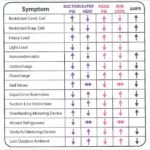
Identifying common symptoms helps fix Hayward pool pump issues quickly. These signs point to problems affecting pump performance. Early detection prevents costly repairs and keeps your pool clean. Watch for changes in water flow, strange sounds, or gauge readings. Check the pump basket and motor regularly to spot trouble early.
Low Water Flow
Weak water flow reduces pool cleaning efficiency. Jets may spray less water or feel weak. The automatic pool cleaner might move slowly or stop. This often means a clog or blockage in the pump or filter. Debris stuck in the impeller can lower water pressure and flow.
Unusual Noises
Grinding, rattling, or humming noises come from the motor or pump area. These sounds may indicate debris caught inside the impeller or worn bearings. Strange noises often signal mechanical trouble that needs attention. Ignoring them can cause motor damage.
Pressure Gauge Issues
The pressure gauge shows the filter pressure level. A much lower reading than normal means poor water flow or blockage. This could be from a dirty filter, clogged impeller, or air leak. Low pressure stops the pump from pushing water properly through the system.
Swirling Water In Pump Basket
Water should fill the pump basket steadily. Swirling or slow water there means the impeller is blocked. Debris like leaves or hair often causes this problem. It stops the pump from pulling water in efficiently. Check and clean the basket to restore normal flow.
Motor Overheating
The motor may get very hot during use. Overheating happens if the pump works too hard or lacks ventilation. Blocked impellers or electrical issues cause the motor to strain. A hot motor risks permanent damage and failure if not fixed soon.
Pump Shuts Off Quickly
The pump may turn off after running a short time. This can happen due to overheating or electrical faults. Safety switches may trigger to protect the motor. Frequent shutdowns reduce pool circulation and need prompt troubleshooting.
Credit: intheswim.com
Impeller Problems
The impeller is a vital part of your Hayward pool pump. It pulls water in and pushes it out to keep the water flowing. Problems with the impeller can cause your pump to work poorly or stop. Blockages or damage here often lead to low water flow and strange noises. Fixing impeller issues quickly can save your pump from more damage.
Clogged Impeller Signs
Watch for weak water flow from your pool jets. Listen for grinding or rattling sounds near the pump. Check if the filter pressure gauge reads lower than usual. Notice if the pump basket fills slowly or shows swirling water. These signs often mean the impeller is clogged with debris.
Cleaning The Impeller
First, turn off the pump and unplug it for safety. Remove the pump lid and clean the pump basket. Then open the wet end of the pump to access the impeller. Clear out leaves, hair, or dirt stuck in the impeller blades. Rinse the parts with water and put everything back together. Test the pump to see if water flow improves.
Preventing Impeller Blockages
Use a pool skimmer to remove leaves and debris regularly. Clean the pump basket weekly to avoid buildup. Check the pump area for dirt or hair that could enter the system. Install a pre-filter if your pool is near trees or plants. Regular maintenance keeps the impeller clear and your pump running well.
Electrical Issues
Electrical issues are common causes of Hayward pool pump problems. These issues can stop the pump from running or cause it to work improperly. Identifying electrical faults early helps avoid costly repairs and ensures your pool stays clean and safe.
Many electrical problems come from wiring, power supply, or internal pump components. You can often troubleshoot these problems with simple steps. Always prioritize safety by turning off power before checking the pump.
Pump Won’t Start
The pump may not start due to power loss or wiring faults. Check if the pump is plugged in and the power switch is on. Inspect the electrical cord for damage. Test the outlet with another device to confirm power supply.
Humming Motor Troubles
A humming sound means the motor tries to start but fails. This can happen if the motor is stuck or the capacitor is weak. Sometimes debris blocks the motor fan. Clear any obstructions and try restarting the pump.
Faulty Capacitors
Capacitors help the motor start and run smoothly. A bad capacitor prevents the motor from turning on or causes it to hum. Test capacitors with a multimeter or replace them if they look swollen or damaged.
Tripped Breakers
Breakers trip to protect your pump from electrical faults. Frequent tripping signals a short circuit or overload. Check the breaker panel and reset the breaker. Inspect the pump wiring for damage or loose connections.
Smoke Or Sparks From Pump
Smoke or sparks indicate serious electrical failure. Turn off the power immediately to avoid fire hazards. This often means wiring shorts or motor burnout. Call a professional for repair or replacement to keep your pool safe.
Priming And Water Flow
Proper priming and water flow are essential for your Hayward pool pump to work efficiently. Without correct priming, the pump cannot pull water from the pool. Water flow keeps the pump from overheating and ensures clean, clear pool water. Problems in these areas often cause the pump to lose suction or stop working.
Understanding how to prime the pump and maintain water flow helps prevent damage and saves money on repairs.
Priming The Pump
Priming means filling the pump with water before starting it. Start by turning off the pump. Remove the pump lid and fill the basket with water. Replace the lid tightly to stop air from entering. Turn on the pump and watch for steady water flow. If water does not flow, repeat the process. Proper priming helps the pump start smoothly and work efficiently.
Fixing Air Leaks
Air leaks reduce water flow and cause the pump to lose prime. Check the pump lid O-ring for cracks or dirt. Clean or replace the O-ring if needed. Inspect all connections and fittings for tight seals. Use plumber’s tape on threaded parts to stop leaks. Air leaks cause bubbles in the pump basket and weak suction.
Ensuring Proper Water Levels
Water level in the pool must be high enough for the pump to work. Low water levels cause the pump to suck air, leading to loss of prime. Keep the water level at least halfway up the skimmer opening. Check water levels regularly, especially during hot weather. Proper water levels ensure steady water flow and protect the pump motor.
Maintenance Tips
Maintaining your Hayward pool pump ensures it runs efficiently and lasts longer. Regular care prevents common issues and costly repairs. Follow simple steps to keep your pump in top condition.
Cleaning Pump Basket
Turn off the pump before opening the basket lid. Remove debris like leaves, hair, and dirt. Rinse the basket with water to clear all particles. A clean basket improves water flow and pump efficiency.
Regular Inspection
Check the pump for leaks or cracks every week. Listen for unusual noises such as grinding or humming. Inspect the seal and connections for wear or damage. Early detection prevents bigger problems later.
Motor Ventilation Cleaning
Keep the motor vents free from dust and debris. Use a soft brush or compressed air to clean vents gently. Proper ventilation prevents the motor from overheating. Overheated motors reduce pump life and performance.
Resetting The Pump
Resetting the Hayward pool pump can clear errors and restore normal operation. This step is often necessary after detecting a fault or unusual behavior. Resetting helps the pump restart its system and remove temporary glitches.
Two simple methods allow you to reset the pump quickly. These include using the stop/resume button and power cycling the pump. Both ways are effective and easy to perform.
Using Stop/resume Button
Locate the stop/resume button on the pump control panel. Press this button once the error message appears. The pump will pause, then restart its cycle.
This action clears many common error codes. It resets the pump without unplugging or disconnecting power. Wait a few seconds to check if the pump runs smoothly again.
Power Cycling The Pump
Turn off the pump’s power at the circuit breaker or disconnect switch. Leave it off for about 30 seconds. This pause lets the pump’s system fully reset.
Switch the power back on and observe the pump. It should start normally without error messages. Power cycling clears deeper faults that the button reset might miss.
When To Call A Professional
Knowing when to call a professional for Hayward pool pump problems can save you time and money. Some issues are easy to fix, but others need expert help. Avoid causing more damage by trying repairs beyond your skill level. Watch for signs that require a technician’s attention.
Persistent Electrical Issues
Electrical problems that keep coming back need a professional. Flickering power, tripped breakers, or burning smells are warning signs. Handling electrical parts without experience is risky. Experts have the tools and knowledge to find hidden faults safely.
Severe Mechanical Damage
Cracked pump housing, broken impellers, or snapped shafts require expert repair. These parts are complex and vital for pump function. Using the pump with broken components can cause leaks or motor failure. A technician can replace damaged parts properly and test the system.
Repeated Overheating
If your pump overheats often, it signals deep problems. Overheating can damage the motor and reduce its lifespan. Causes include blocked vents, worn bearings, or electrical faults. Professionals can diagnose the root cause and fix it before permanent damage occurs.

Credit: www.youtube.com
Credit: www.yumpu.com
Frequently Asked Questions
How Do I Reset A Hayward Pool Pump?
Press the “Stop/Resume” button on the Hayward pump display to reset error messages. Alternatively, turn off power, wait 30 seconds, then turn it back on to clear the code.
How Do I Know If My Pool Pump Impeller Is Clogged?
Signs of a clogged pool pump impeller include reduced water flow, grinding or rattling noises, low filter pressure, and a pump basket not filling properly. The motor may hum or overheat as debris blocks water suction and circulation. Inspect and clean the impeller to restore proper function.
How Do You Know When A Hayward Pool Pump Is Bad?
A bad Hayward pool pump shows low water flow, loud grinding noises, overheating, and failure to start or maintain pressure.
Why Does My Pool Pump Run For A Few Seconds Then Stops?
Your pool pump may run briefly then stop due to a clogged impeller, motor overheating, or electrical issues. Check for debris blocking the impeller, ensure proper water flow, and inspect the motor and wiring. Cleaning or repairing these parts usually resolves the problem quickly.
How Do I Reset A Hayward Pool Pump Error?
Press the “Stop/Resume” button when the error shows on the screen. You can also reset by turning the pump’s power off and on. This clears most error codes quickly.
Conclusion
Troubleshooting your Hayward pool pump can save time and money. Start by checking for common issues like clogs or power problems. Regular cleaning keeps the pump running smoothly and extends its life. Watch for signs like strange noises or low water flow.
These clues help you fix problems early. Staying on top of maintenance avoids costly repairs later. Simple steps often solve many pump troubles quickly. Keep your pool clean and enjoyable all season long.