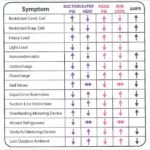
Is your Hayward pool pump acting up right when you need it most? Whether your pump won’t start, is making strange noises, or just won’t keep your pool water flowing smoothly, these issues can quickly turn a relaxing swim into a stressful problem.
But don’t worry—you’re not alone, and many common problems have simple fixes you can try yourself. In this guide, you’ll discover easy-to-follow troubleshooting steps tailored specifically for Hayward pool pumps. From checking electrical connections to clearing blockages and understanding error codes, you’ll gain the confidence to diagnose and solve your pump troubles fast.
Keep reading to get your pool pump back in top shape and enjoy crystal-clear water all season long!
Common Pump Issues
Hayward pool pumps are reliable but can face issues over time. Knowing common problems helps keep your pump running smoothly. Early detection prevents bigger repair costs and pool downtime.
This section covers frequent pump issues and simple troubleshooting tips. Understanding these problems helps maintain clear, clean pool water.
Pump Won’t Start
Check power supply first. Ensure the pump is plugged in and the breaker is not tripped. Inspect the timer or control panel for errors. A faulty capacitor or motor can also stop the pump from starting. Sometimes, debris in the basket blocks motor operation.
Pump Fails To Prime
Priming means the pump fills with water to start working. Air leaks in the suction line or a low water level cause priming failure. Check the pump lid and O-ring for cracks or damage. Remove trapped air by loosening the air release valve. Clean the pump basket and skimmer basket to improve water flow.
Reduced Water Flow
Clogged filters or dirty pump baskets reduce water flow. Check for debris blocking the impeller inside the pump housing. Closed or partially closed valves limit flow, so verify valve positions. Worn or damaged impellers also lower water pressure. Regular cleaning and inspection restore proper flow.
Unusual Noises
Grinding, rattling, or squealing sounds signal trouble. Debris stuck in the pump or impeller causes grinding noises. Loose parts or worn bearings may create rattling. Squealing often means a loose or worn belt. Turn off the pump and inspect for foreign objects. Tighten loose bolts and replace damaged components promptly.
Leaks And Moisture
Water under the pump motor or around seals indicates leaks. Damaged or worn seals cause water to escape. Check the pump housing and pipe connections for cracks. Moisture inside the motor can cause electrical failures. Replace faulty seals and tighten fittings to stop leaks. Keep the pump dry to extend its life.
Electrical Troubleshooting
Electrical issues often cause Hayward pool pumps to stop working properly. Troubleshooting these problems can save time and money. Basic electrical checks help identify common faults that block pump operation. This section guides through simple steps to diagnose and fix electrical faults in your pool pump safely.
Checking Breakers And Fuses
Start by examining the circuit breaker or fuse linked to the pool pump. A tripped breaker or blown fuse cuts power to the pump. Reset the breaker by switching it off and on again. Replace any blown fuses with the exact type and rating. This step restores power and often fixes the problem immediately.
Inspecting Wiring Connections
Loose or damaged wiring can interrupt the pump’s electrical flow. Turn off power before inspecting all wire connections at the pump and control panel. Look for signs of corrosion, frayed wires, or loose terminals. Tighten any loose connections and replace damaged wires. Proper wiring ensures steady power delivery to the motor.
Testing And Replacing Capacitors
The capacitor helps start and run the pump motor. A faulty capacitor can cause the pump not to start or run weakly. Use a multimeter to test the capacitor’s microfarad rating. Replace the capacitor if the reading is outside the recommended range. This simple fix often restores motor function quickly.
Resetting The Pump
Some Hayward pumps have a reset button or procedure. Check the pump’s manual for reset instructions. Usually, pressing “Stop/Resume” clears error codes and resets the system. Power cycling the pump by turning off the breaker for 30 seconds also resets the control board. Resetting clears temporary faults and can restart the pump.
Mechanical Checks
Mechanical checks are essential for maintaining your Hayward pool pump’s performance. These checks help identify common issues that affect the pump’s operation. Simple mechanical problems often cause the pump to lose power or stop working.
Start by examining parts that handle water flow and sealing. Dirt, debris, or worn components can block the pump or cause leaks. Regular mechanical inspections keep your pump running smoothly and extend its life.
Cleaning The Pump Basket
The pump basket collects leaves and debris before water reaches the impeller. A clogged basket reduces water flow and strains the motor. Turn off the pump and remove the basket lid carefully. Take out the basket and clean it thoroughly with water. Check for cracks or damage and replace if needed. Reinstall the basket and lid securely to avoid air leaks.
Clearing The Impeller
The impeller pushes water through the pump. Debris can get stuck, blocking its rotation. Turn off power to the pump and open the pump housing. Use a flashlight to inspect the impeller area. Remove any leaves, twigs, or dirt that block the blades. Rotate the impeller gently by hand to ensure it spins freely. Reassemble the pump housing tightly before restarting.
Inspecting Seals And O-rings
Seals and O-rings prevent water leaks from the pump. Over time, they dry out, crack, or wear down. Remove the pump lid and check the O-ring for signs of damage or dirt. Clean the O-ring and apply a silicone-based lubricant. Replace any worn or broken seals. Proper sealing keeps the pump airtight and prevents water loss that can harm the motor.
Priming Problems
Priming problems often cause Hayward pool pumps to lose suction and stop working properly. The pump needs to be filled with water before it can move water efficiently. Without proper priming, air gets trapped inside, reducing pump performance. Troubleshooting priming issues helps restore smooth water flow and protects the pump from damage.
Identifying Air Leaks
Air leaks are a common cause of priming problems. Check all connections on the suction side for cracks or loose fittings. Even small cracks let air enter the pump. Listen for hissing sounds near the pump lid or plumbing. Use soapy water to find bubbles that show where air escapes. Fix any leaks by tightening or replacing faulty parts.
Ensuring Proper Water Levels
Low water levels in the pool or skimmer prevent the pump from priming. Water must fully cover the skimmer opening to allow proper suction. Check the pool water level and add water if it is too low. Also, ensure the skimmer basket is clean and free of debris that blocks water flow. Keeping water levels consistent helps maintain pump performance.
Securing Suction Fittings
Suction fittings connect the pool plumbing to the pump. Loose or damaged fittings cause air to enter the system. Inspect all fittings and O-rings for wear or cracks. Tighten fittings by hand and use plumber’s tape if needed. Replace any damaged parts to prevent air leaks. Properly secured suction fittings ensure the pump primes quickly and runs smoothly.
Motor Overheating
Motor overheating is a common issue with Hayward pool pumps. It can cause the pump to stop working and lead to costly repairs. Understanding why the motor overheats helps in fixing the problem quickly. This section explains the causes, prevention tips, and when to call a professional.
Causes And Prevention
Overheating often happens because of poor ventilation around the motor. Dirt and debris can block air vents, trapping heat inside. Running the pump for too long without breaks also raises its temperature.
Another cause is a faulty capacitor or worn-out bearings. These parts make the motor work harder and get hotter. Electrical issues like loose wiring or voltage problems add extra strain.
To prevent overheating, keep the pump area clean and clear. Check and clean the air vents regularly. Avoid running the pump nonstop for hours. Allow it to cool down if it feels hot.
Inspect electrical connections and replace bad capacitors or bearings early. Use a timer to control the pump’s running time. Proper maintenance extends the motor’s life and improves pool performance.
When To Call A Professional
Call a professional if the motor keeps overheating despite your efforts. Persistent heat may mean internal damage or electrical faults. A technician can test the motor and diagnose hidden problems.
If you see smoke, burning smells, or the pump shuts off repeatedly, stop using it. These signs require immediate expert help to avoid fire hazards or permanent damage.
Complex repairs like motor rewinding or replacing parts should be handled by trained service providers. Professionals ensure the pump runs safely and efficiently after repairs.

Credit: www.youtube.com
Maintenance Tips
Proper maintenance keeps your Hayward pool pump running smoothly. It prevents breakdowns and extends pump life. Follow simple steps regularly to avoid common issues. These maintenance tips are easy and effective for every pool owner.
Regular Cleaning Routines
Clean the pump basket and strainer often. Remove leaves, dirt, and debris to avoid clogs. Clean the pump lid and seal to keep a tight fit. This stops air leaks that reduce pump efficiency. A clean pump runs quietly and uses less power.
Water Chemistry Balance
Check pool water chemistry weekly. Maintain proper pH and chlorine levels to prevent corrosion. Balanced water protects the pump’s metal and plastic parts. Unbalanced water can cause rust and damage seals. Keep water chemistry stable for longer pump life.
Lubricating Moving Parts
Lubricate the pump’s moving parts with a silicone-based lubricant. Focus on the shaft seal and O-rings to prevent drying and cracking. Proper lubrication reduces friction and wear. Avoid petroleum-based products that can harm rubber parts. Lubricate parts during each cleaning cycle.
Scheduling Professional Servicing
Hire a professional for yearly pump inspections. Experts can find hidden problems before they worsen. They check motor function, electrical connections, and impeller condition. Professional servicing ensures safe and efficient pump operation. Schedule service early in the swimming season.
Extending Pump Lifespan
Extending the lifespan of your Hayward pool pump saves money and prevents pool downtime. Proper care and smart operation help the pump run efficiently for years. Small steps make a big difference in avoiding early failures and costly repairs.
Choosing Variable Speed Pumps
Variable speed pumps adjust motor speed to match pool needs. Running at lower speeds reduces wear and energy use. These pumps experience less stress than single-speed models, which helps parts last longer. Investing in a variable speed pump can lead to fewer breakdowns over time.
Operating At Optimal Speeds
Running the pump at the right speed avoids overworking the motor. High speeds cause heat build-up and faster wear on components. Use the lowest effective speed for cleaning and circulation tasks. Proper speed settings improve efficiency and extend the pump’s life.
Protecting From Harsh Environments
Harsh conditions like sun, rain, and humidity damage pumps quickly. Place the pump in a shaded, well-ventilated area to reduce exposure. Cover the pump during storms or winter to prevent water and debris entry. Regularly inspect seals and electrical parts to catch damage early.

Credit: www.thepoolfactory.com
When To Replace Your Pump
Knowing the right time to replace your Hayward pool pump saves money and avoids pool downtime. Pumps wear out over time from constant use and exposure to water and chemicals. Replacement decisions depend on visible damage, pump performance, and repair costs. This section guides you through key signs and cost evaluation to help decide if a new pump is necessary.
Signs Of Wear And Damage
Look for unusual noises like grinding or rattling. These sounds often mean worn bearings or motor issues. Weak water flow or loss of suction shows the pump is struggling. Check for leaks under the motor; water there signals seal failure and potential bearing damage. Cracks in the pump housing or rust are clear signs of damage. If your pump shuts off unexpectedly, it may be overheating or have electrical faults.
Evaluating Repair Costs Vs Replacement
Compare repair expenses with the cost of a new pump. Minor fixes like replacing seals or cleaning debris cost less. Major repairs such as motor replacement or impeller damage can be expensive. Old pumps may need frequent repairs, increasing overall costs. New pumps come with warranties and improved energy efficiency. Buying a new pump might save money in the long term by reducing energy bills and repair visits.
Credit: www.oconnellpool.com
Frequently Asked Questions
How Do I Reset A Hayward Pool Pump?
Press the “Stop/Resume” button when an error shows on the Hayward pump display. Alternatively, turn off and on the pump power to reset it.
What Would Cause My Hayward Pool Pump To Stop Working?
Hayward pool pumps stop working due to motor overheating, electrical faults, clogged impellers, dirty pump baskets, or power supply issues. Check for debris, reset breakers, and inspect wiring. Regular maintenance prevents failures and extends pump life.
What Is The Average Lifespan Of A Hayward Pool Pump?
The average lifespan of a Hayward pool pump is 8 to 12 years. Proper maintenance and balanced water chemistry extend its durability. Variable-speed models often last longer due to efficient operation. Regular cleaning and timely repairs help prevent premature failure and maintain optimal performance.
How To Diagnose Pool Pump Issues?
Diagnose pool pump issues by checking power supply, breakers, and wiring. Inspect for debris in baskets and impeller. Ensure valves are open and water levels are adequate. Test the capacitor if the pump hums but won’t start. Call a professional for motor overheating or complex electrical faults.
How Do I Reset A Hayward Pool Pump?
To reset a Hayward pool pump, press the “Stop/Resume” button when the error shows. You can also turn off the power and turn it back on to clear the error code.
Conclusion
Troubleshooting your Hayward pool pump helps keep your pool clean. Check power sources and clear any blockages first. Inspect the motor and impeller for damage or debris. Regular maintenance prevents common problems and extends pump life. Simple fixes often solve many issues quickly.
Stay patient and follow safety steps while working on the pump. Proper care saves money and avoids costly repairs. Keep your pump running smoothly for a great swimming experience all season.