Is your car showing signs of overheating, white smoke, or strange oil textures? These could be warning signals that your head gasket is failing.
Knowing how to troubleshoot head gasket problems can save you from costly repairs and frustrating breakdowns. In this guide, you’ll learn to spot the key symptoms, understand when a simple sealant might help, and when a full replacement is the smarter choice.
Whether you’re a DIY enthusiast or just want to know what’s going on under your hood, this article will help you take control of your vehicle’s health and avoid being caught off guard. Keep reading to find out exactly what to look for and how to act before minor issues turn into major headaches.

Credit: www.youtube.com
Symptoms Of Head Gasket Issues
Head gasket problems can cause serious engine damage if not caught early. Recognizing symptoms helps prevent costly repairs. These signs often point to a failing head gasket. Understanding them can save time and money.
Engine Overheating Signs
One common symptom is frequent engine overheating. The head gasket seals coolant passages. A leak lets coolant escape, reducing cooling efficiency. Watch for sudden temperature spikes or frequent overheating warnings. Overheating can lead to warped engine parts.
White Smoke From Exhaust
White smoke from the exhaust pipe signals coolant entering the combustion chamber. This happens when the head gasket cracks. The smoke looks like steam and appears during engine start or driving. It often smells sweet due to burning coolant. This symptom needs immediate attention.
Milky Or Frothy Engine Oil
Coolant leaking into the oil makes it look milky or frothy. Check the oil dipstick or under the oil cap for this change. The oil may also become thick or sticky. Contaminated oil loses its lubricating power. This can cause engine wear and damage.
Coolant Loss And Radiator Bubbling
Unexpected coolant loss without visible leaks is a warning sign. Bubbling in the radiator or coolant reservoir happens as exhaust gases enter the cooling system. This causes pressure build-up and visible bubbles. Frequent coolant top-ups may be needed.
Rough Idling And Misfires
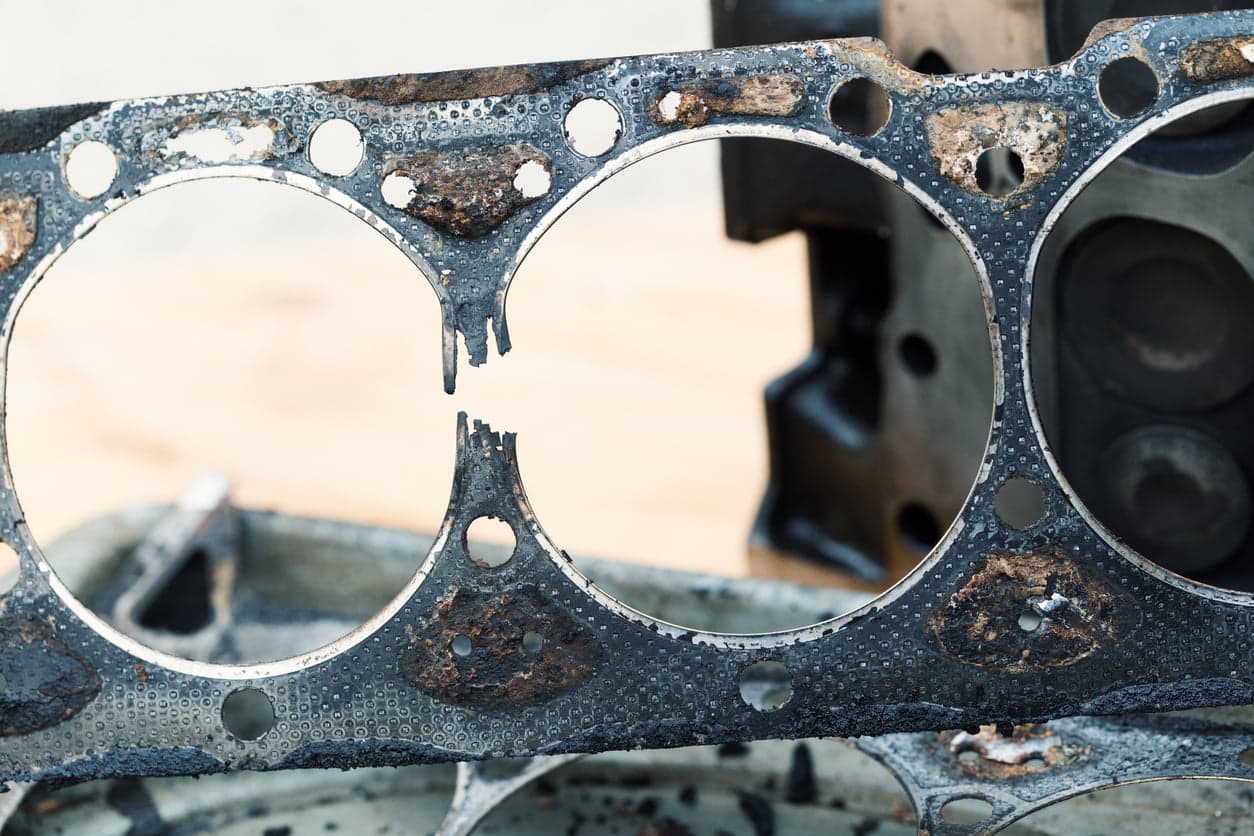
A blown head gasket can cause rough idling and engine misfires. Coolant or combustion gases leak into cylinders, disrupting fuel burn. The engine may shake or hesitate during acceleration. This leads to reduced performance and fuel efficiency.
Credit: www.prestoneuk.com
Temporary Sealant Fixes
Temporary sealant fixes offer a quick way to address minor head gasket leaks. These fixes help slow down leaks and avoid immediate engine damage. They do not replace a full gasket repair. Use these methods for small leaks and to buy time before proper repairs.
Flushing The Cooling System
Start by flushing the cooling system to remove old coolant and debris. This step clears blockages and improves sealant flow. Drain all coolant and flush with water until clear liquid runs out. Remove the thermostat to allow better circulation of the sealant.
Adding Chemical Sealant
Pour a chemical sealant into the radiator when the engine is cold. Use products designed for head gasket leaks, like K-Seal or BlueDevil. These sealants circulate through the cooling system and fill small cracks. Run the engine to help the sealant reach the leak area.
Cooling Down And Refilling
Turn off the engine and let it cool completely after running the sealant. Check the coolant level and refill as needed. Proper coolant levels help maintain engine temperature and pressure. Avoid opening the radiator cap while the engine is hot to prevent injury.
Changing Contaminated Oil
Check the engine oil for signs of contamination, like milky color. Contaminated oil can harm engine parts and reduce lubrication. Drain the old oil and replace it with fresh oil and a new filter. This step protects the engine and supports the temporary sealant fix.
Permanent Replacement Steps
Replacing a blown head gasket permanently requires careful and precise work. This process involves several clear steps to ensure the engine functions well again. Each step must be done in order to avoid further damage. Follow these steps carefully to replace the head gasket and restore your engine’s health.
Draining Engine Fluids
Start by draining the engine oil and coolant. Collect fluids in containers for proper disposal. This step prevents spills and keeps the work area clean. Draining fluids also protects engine parts during disassembly.
Disassembling Engine Components
Remove parts blocking access to the cylinder head. This includes the intake manifold, exhaust manifold, valve cover, and timing components. Keep track of bolts and small parts for easy reassembly. Take photos to help remember the setup.
Removing Cylinder Head
Loosen the cylinder head bolts in the correct order. Carefully lift the cylinder head off the engine block. Avoid damaging the head or block during removal. Set the head on a clean surface to prevent dirt contamination.
Cleaning Mating Surfaces
Remove all old gasket material from the head and block surfaces. Use a plastic scraper or special tools to avoid damage. Clean the surfaces with a solvent to remove oil and debris. Perfectly clean surfaces ensure a good seal with the new gasket.
Inspecting And Machining Head
Check the cylinder head for warping or cracks. Take the head to a machine shop if needed. Machining the surface restores flatness and smoothness. This step is crucial for a proper seal and engine performance.
Installing New Gasket
Place the new head gasket carefully on the engine block. Make sure it aligns with all holes and passages. The gasket must sit flat without folds or gaps. Correct placement prevents leaks and engine damage.
Reassembling And Torquing Bolts
Reinstall the cylinder head on the engine block. Tighten the head bolts in the manufacturer’s specified sequence. Use a torque wrench to apply the correct pressure. Proper torque prevents warping and ensures a tight seal.
Refilling Fluids And Final Checks
Refill the engine oil and coolant with fresh fluids. Check for leaks around the head and gasket area. Start the engine and watch the temperature gauge carefully. Perform a test drive to confirm the repair’s success.
Choosing Between Sealant And Replacement
Choosing between a chemical sealant and a full head gasket replacement depends on the severity of the problem and the symptoms your vehicle shows. Minor leaks may be fixed with sealants, offering a quick and less costly solution. Major damage or failure requires a full replacement, which is more labor-intensive but reliable.
When To Use Chemical Sealants
Chemical sealants suit small head gasket leaks. These leaks often cause white smoke from the exhaust or milky oil. The sealant is poured into the radiator and circulates through the cooling system. It can block tiny cracks between the coolant and combustion chambers. Sealants are easy to apply and save time and money. They do not fix leaks between cylinders or damaged metal surfaces. Use sealants as a temporary fix or for minor issues only.
When Replacement Is Required
Replace the head gasket if the damage is severe. Major leaks cause engine overheating, low compression, or engine misfires. Replacement needs draining all fluids and removing the cylinder head. The mating surfaces must be cleaned and checked for warping. The cylinder head may need machining to restore flatness. A new gasket is installed with proper torque on bolts. This process takes time and skill and often requires professional help. Replacement ensures a permanent fix and restores engine performance.
Preventive Tips To Avoid Head Gasket Failure
Preventing head gasket failure is crucial for engine health and longevity. Small issues can lead to costly repairs. Taking simple steps helps keep the head gasket intact. Regular care and attention reduce the risk of breakdowns. Below are practical tips that protect your engine and avoid head gasket problems.
Regular Coolant Maintenance
Coolant keeps the engine temperature stable. Old or dirty coolant causes corrosion and overheating. Change coolant as recommended by the vehicle manual. Use the correct type and mix of coolant. Check coolant levels often and top up when low. A clean cooling system protects the head gasket from damage.
Monitoring Engine Temperature
Watch the temperature gauge on the dashboard closely. A rising temperature indicates potential engine problems. Stop driving if the engine gets too hot. Early detection prevents overheating and gasket failure. Regular engine checks help spot issues before they worsen.
Promptly Addressing Overheating
Overheating stresses the head gasket and engine parts. Turn off the engine immediately if it overheats. Check coolant levels and leaks as soon as possible. Avoid driving with a hot engine to prevent serious damage. Fix cooling system faults without delay to save repair costs.
Using Quality Parts And Fluids
Low-quality parts and fluids cause premature wear and failures. Use OEM or trusted brand parts for repairs. Choose high-quality coolant and oil for your engine. Proper fluids maintain engine performance and protect seals. Good products extend the life of the head gasket.
Credit: www.hotshotsecret.com
Frequently Asked Questions
How Do I Know If My Head Gasket Is Faulty?
Symptoms of a faulty head gasket include engine overheating, white exhaust smoke, milky oil, coolant loss, radiator bubbling, and rough idling.
What Can Be Mistaken For A Bad Head Gasket?
Coolant leaks, engine overheating, milky oil, and white exhaust smoke can mimic bad head gasket symptoms. Other causes include cracked cylinder heads, warped engine blocks, or failing intake manifold gaskets. Proper diagnosis requires checking these issues to avoid misidentifying a bad head gasket.
Will A Car Still Run If The Head Gasket Is Blown?
A car may run briefly with a blown head gasket but risks severe engine damage. Immediate repair is essential.
Can Diagnostics Detect Blown Head Gasket?
Diagnostics can detect a blown head gasket using compression tests, coolant pressure tests, and exhaust gas analysis in the coolant.
What Are Common Signs Of A Blown Head Gasket?
White smoke from the exhaust and milky oil are clear signs. Overheating and loss of coolant without leaks also suggest gasket failure.
Conclusion
Head gasket problems need quick attention to avoid engine damage. Small leaks may be fixed with chemical sealants. Larger leaks require full gasket replacement for reliable results. Always watch for warning signs like white smoke or milky oil. Regular maintenance helps catch issues early and saves money.
Trust professionals for complex repairs to ensure proper work. Understanding these steps helps you handle head gasket troubles better. Stay alert and act fast to keep your engine running smoothly.