Is your heat pump acting up when you need it most? Whether it’s struggling to keep your home warm during those chilly Austin nights or suddenly refusing to switch from cooling to heating, these issues can be frustrating—and costly if left unchecked.
You might be wondering what’s causing the problem and how you can fix it without calling in an expert every time. This guide is designed just for you. We’ll walk you through the most common heat pump problems and simple troubleshooting steps you can take right now.
Understanding these issues will help you save money, avoid emergencies, and keep your system running smoothly all year round. Ready to take control of your heat pump’s performance? Let’s dive in.
Credit: samedaysd.com
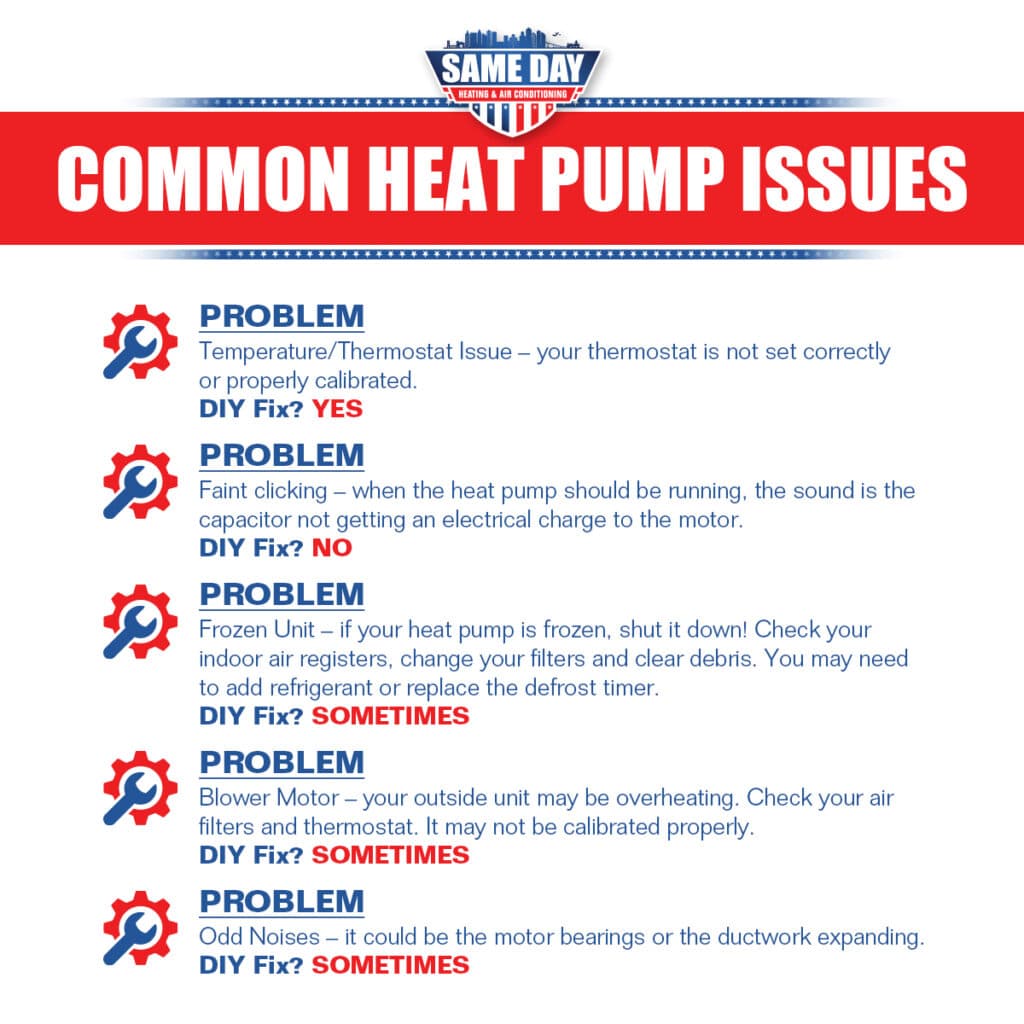
Common Heat Pump Issues
Heat pumps provide efficient heating and cooling for many homes. Despite their benefits, they can face several common issues. Understanding these problems helps in quick troubleshooting and maintaining comfort. This section covers frequent heat pump problems and how to identify them early.
Reduced Efficiency In Cold Weather
Heat pumps move heat from outside to inside. When temperatures drop below freezing, less heat is available outdoors. The pump works harder, reducing its efficiency. This causes higher energy bills and less warmth inside. Many systems use backup heaters to help during very cold days.
Frozen Coils
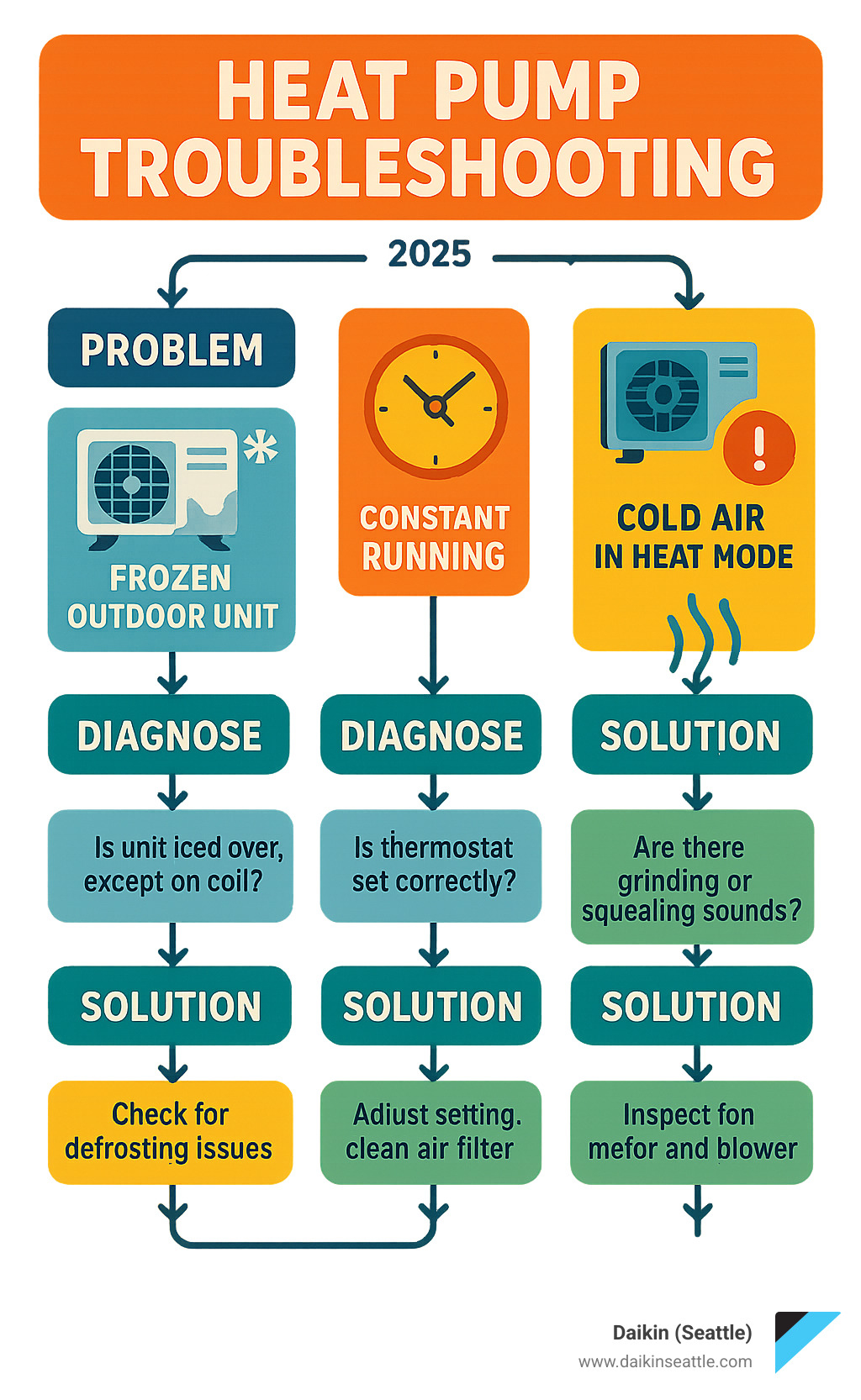
Frozen coils stop heat transfer and reduce performance. Ice builds up on the outdoor unit, blocking airflow. This can happen due to dirty filters or low refrigerant. Defrost cycles should clear the ice automatically. Continuous freezing needs professional checkup to avoid damage.
Low Refrigerant Levels
Refrigerant is vital for heat transfer in a heat pump. Low levels cause poor heating and cooling. Signs include longer run times and warmer indoor air. Leaks often cause refrigerant loss. A technician must find and fix leaks before recharging the system.
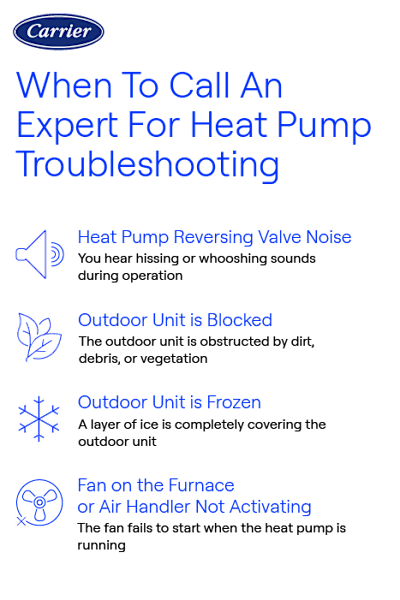
Reversing Valve Failures
The reversing valve changes the heat pump from heating to cooling mode. Failure means the system may stay stuck in one mode. This leads to discomfort and higher energy use. Common causes are wear and electrical faults. Repair requires professional service.
Airflow Blockages
Blocked airflow reduces heat pump efficiency. Dirt, debris, or closed vents can cause blockages. Filters must be clean and replaced regularly. Clear outdoor units from leaves and snow. Proper airflow ensures the system works smoothly and saves energy.
Credit: www.carrier.com
Diagnosing Heat Pump Problems
Diagnosing heat pump problems is essential for keeping your system running smoothly. Identifying issues early helps prevent costly repairs and maintains comfort in your home. This process involves checking several key components that affect performance and efficiency.
Regular inspections ensure the heat pump operates at its best. Simple tests and observations can reveal common problems. Understanding these signs aids in quick troubleshooting and effective maintenance.
Checking For Ice Buildup
Ice buildup often occurs on outdoor coils during cold weather. It blocks airflow and reduces heating efficiency. Look for thick frost or ice on the unit’s surface. Clear ice with a gentle defrost cycle or a soft brush. Persistent ice may indicate a defrost control problem or low refrigerant levels.
Testing Refrigerant Pressure
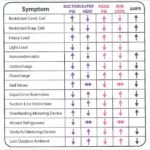
Proper refrigerant pressure is vital for heat pump function. Low pressure can cause poor heating and cooling. Use a gauge set to measure the pressure in the system. Compare readings to manufacturer specifications. If pressure is low, check for leaks and refill refrigerant as needed by a professional.
Inspecting Electrical Components
Electrical parts control many heat pump functions. Inspect wiring, fuses, and contactors for damage or wear. Loose connections may cause the unit to stop working. Test capacitors and relays with a multimeter. Replace any faulty components to restore reliable operation.
Evaluating Air Filters And Coils
Dirty air filters block airflow and strain the system. Check filters monthly and replace if clogged. Clean evaporator and condenser coils to improve heat transfer. Dust and debris reduce efficiency and can cause overheating. Maintaining clean filters and coils extends the heat pump’s life and lowers energy costs.
Quick Fixes For Frequent Issues
Proper installation and correct sizing play crucial roles in heat pump performance. Errors in these areas often cause common heat pump problems. Homeowners and technicians should understand how installation and sizing affect system efficiency and reliability.
Impact Of Improper Sizing
Heat pumps that are too small struggle to heat or cool spaces effectively. They run longer and wear out faster. Oversized units cycle on and off frequently, wasting energy. Both situations raise utility bills and reduce comfort. Correct sizing ensures balanced operation and extends equipment life.
Cost Considerations
Installing the right size heat pump can save money over time. Smaller units may cost less upfront but increase energy costs. Larger units cost more initially and may require bigger ducts or electrical upgrades. Careful planning avoids unnecessary expenses and improves long-term savings.
Backup Heating Options
In colder climates, heat pumps need backup heat sources. Electric resistance heaters or gas furnaces support heating during extreme cold. Proper installation integrates backup systems smoothly. This combination prevents system overload and keeps homes warm without excessive energy use.
Credit: www.daikinseattle.com
Frequently Asked Questions
What Is The Most Common Problem With Heat Pumps?
The most common heat pump problem is reduced heating efficiency in very cold weather. Frozen coils, low refrigerant, and dirty filters also frequently cause issues. These problems lower performance and increase energy costs, often requiring backup heating sources. Regular maintenance helps prevent these common faults.
How Do You Reset A Heat Pump?
To reset a heat pump, turn off the power at the breaker for 5 minutes. Then, switch it back on to restart the system. This clears minor faults and restores normal operation.
How Do I Know If Something Is Wrong With My Heat Pump?
Signs of heat pump issues include reduced heating, unusual noises, frozen coils, higher energy bills, and inconsistent temperatures. Check filters and airflow regularly.
What Is The Average Life Expectancy Of A Heat Pump?
The average life expectancy of a heat pump ranges from 10 to 15 years. Proper maintenance extends its lifespan effectively.
What Are The Common Heat Pump Problems To Watch For?
Common issues include frozen coils, low refrigerant, dirty filters, and faulty reversing valves. These can reduce efficiency and cause system failure. Regular maintenance helps prevent most problems.
Conclusion
Troubleshooting heat pump problems helps keep your system working well. Watch for signs like frozen coils or low heat output. Clean filters and check refrigerant levels regularly to avoid issues. If the reversing valve acts up, heating and cooling may fail.
Cold weather can reduce efficiency, so plan for backup heat. Quick action can prevent bigger repairs and save energy. Stay aware and maintain your heat pump for comfort all year.