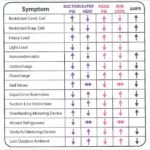
If you work with refrigeration systems, you know how crucial the Heatcraft Electronic Expansion Valve (EEV) is for efficient performance. But what happens when your EEV starts acting up?
You might notice unusual temperature swings, poor cooling, or even system shutdowns. These problems can be frustrating and costly if not fixed quickly. That’s why understanding Heatcraft EEV troubleshooting is essential for keeping your system running smoothly. You’ll discover simple, practical steps to diagnose and solve common EEV issues.
Whether you’re a technician or a facility manager, you’ll gain clear insights that help you pinpoint problems fast and get your equipment back on track without unnecessary delays. Keep reading to learn how to tackle your Heatcraft EEV challenges with confidence and ease.
Initial Electrical Checks
Starting Heatcraft EEV troubleshooting requires basic electrical checks. These checks ensure the valve receives proper power and signals. Faulty electricity causes many EEV problems. Begin with simple steps to avoid deeper issues.
Power And Wiring Inspection
Verify the power supply to the EEV. Use a multimeter to check voltage levels. Ensure the voltage matches the valve’s specifications. Inspect all wiring connections for tightness and damage. Look for frayed wires or loose terminals. Damaged wiring can interrupt valve operation. Replace or repair any faulty wires immediately.
Listening For Valve Sounds
Turn on the system and listen closely near the EEV. The valve should make a soft clicking or humming noise. This sound means the valve’s motor is working. No sound could indicate electrical failure or mechanical blockage. Unusual noises may signal valve damage or debris inside. Identifying these sounds helps find the problem fast.
Control Board Error Codes
Check the control board for error codes related to the EEV. Use the system’s manual to decode these messages. Error codes point to specific electrical or communication faults. Reset the control board after noting the codes. Persistent errors may require professional diagnosis. These codes save time by narrowing down issues.
Mechanical Valve Inspection
Mechanical valve inspection is a key step in troubleshooting Heatcraft Electronic Expansion Valves (EEVs). This process helps identify physical issues that affect valve performance. A well-functioning valve controls refrigerant flow accurately, ensuring system efficiency.
Inspecting the mechanical parts prevents costly failures. It also extends the valve’s lifespan. Focus on the valve’s movement and any signs of stiffness or binding. These factors often indicate the root cause of problems.
Checking Valve Movement
Begin by manually moving the valve stem. It should move smoothly without resistance. Any hesitation or uneven motion signals a problem. Check for dirt or debris blocking the valve path. Clean the area thoroughly if needed. Proper valve movement ensures correct refrigerant metering.
Detecting Binding Or Stiffness
Binding happens when the valve sticks or resists movement. Stiffness reduces valve responsiveness and control accuracy. Gently test the valve by moving it back and forth. Feel for rough spots or tight areas. These symptoms may indicate corrosion or internal damage. Fixing binding early prevents further valve or system harm.
System-level Problems
System-level problems in Heatcraft Electronic Expansion Valves (EEV) affect the entire refrigeration cycle. These issues often cause poor cooling performance and increased energy use. Identifying and fixing them quickly saves time and money. Understanding common system-level faults helps technicians maintain reliable operation.
Valve Hunting And Superheat Issues
Valve hunting means the EEV opens and closes rapidly. This causes unstable superheat readings. Superheat may swing too high or too low. Such swings reduce cooling efficiency and increase wear. Causes include incorrect control signals or sensor faults. Checking superheat values regularly helps detect valve hunting early.
Valve Stuck Open Or Not Opening
A valve stuck open lets too much refrigerant flow. This lowers system pressure and causes poor cooling. If the valve does not open, refrigerant flow is blocked. This leads to high pressure and overheating. Dirt, oil, or mechanical damage often cause valve sticking. Inspecting and cleaning the valve can restore normal function.
Control Board Configuration
The control board manages the EEV’s operation. Wrong configuration causes incorrect valve movement. This leads to cooling problems and system faults. Settings for superheat targets and response times must match the system design. Verifying control board parameters ensures the EEV performs correctly. Firmware updates may improve valve control and stability.
Common Causes Of Eev Failure
Electronic Expansion Valves (EEVs) in Heatcraft refrigeration systems control refrigerant flow. Their failure can cause cooling issues and system inefficiency. Understanding common causes helps technicians diagnose and fix problems quickly. Below are typical reasons why Heatcraft EEVs fail.
Blockages And Debris
Dirt, oil, or metal particles can block the valve or its orifice. These blockages restrict refrigerant flow and cause the valve to malfunction. Debris buildup can lead to uneven cooling and higher energy use. Regular cleaning and proper filtration help prevent this issue.
Sensor And Transducer Faults
EEVs rely on sensors and transducers to operate accurately. Faulty temperature or pressure sensors give incorrect readings. This misleads the valve control, causing improper refrigerant metering. Testing and replacing defective sensors restore correct valve function.
Incorrect Refrigerant Settings
Wrong refrigerant type or improper charge affects EEV performance. Low or high refrigerant levels disturb system pressure balance. The valve may open or close too much, causing cooling problems. Checking refrigerant specifications and levels is crucial for proper operation.
Tools For Troubleshooting
Effective troubleshooting of Heatcraft Electronic Expansion Valves (EEV) requires the right tools. These tools help identify problems quickly and accurately. Using proper equipment reduces guesswork and saves time. Below are essential tools used by technicians for Heatcraft EEV troubleshooting.
Using An Eev Mate
The EEV Mate is a specialized tool for testing Heatcraft EEVs. It allows direct control of the valve to check its response. By manually adjusting the valve, you can observe its operation and detect faults. The EEV Mate simplifies diagnosis of electronic and mechanical issues in the valve. It provides real-time feedback that helps pinpoint problems.
Manual Actuator Testing
Manual actuator testing involves physically moving the valve’s actuator. This process checks if the valve moves smoothly without sticking. If the actuator binds or resists movement, mechanical faults may exist. This test helps verify the valve’s mechanical integrity before electrical checks. It is a simple but important step in troubleshooting.
Multimeter And Wiring Tools
A multimeter is essential for measuring electrical signals in the EEV system. It checks voltage, current, and resistance to find wiring issues or component failures. Wiring tools assist in inspecting connections and repairing damaged wires. Proper electrical testing ensures the valve receives correct signals and power. These tools help maintain reliable EEV operation.

Credit: www.youtube.com
Repair And Replacement Steps
Repair and replacement are key steps in solving Heatcraft EEV issues. Proper care can restore valve function and extend system life.
Following clear steps helps avoid further damage and costly repairs. Focus on wiring, valve replacement, and control board adjustments.
Fixing Wiring Issues
Start by turning off all power to the unit. Inspect wiring for cuts, burns, or loose connections. Use a multimeter to check continuity and resistance. Replace any damaged wires or connectors. Secure all connections tightly to prevent future faults. Testing after repair ensures signals reach the valve correctly.
Replacing The Expansion Valve
Shut down the refrigeration system and release pressure safely. Remove the old valve carefully, avoiding damage to nearby parts. Install the new Heatcraft EEV according to manufacturer instructions. Use proper tools to tighten fittings and prevent leaks. Evacuate and recharge the system with the correct refrigerant type. Test the system to confirm the valve operates smoothly.
Resetting Or Updating Control Boards
Power off the unit before handling control boards. Locate the control board connected to the EEV. Check for visible signs of damage or corrosion. Reset the board using the reset button or by disconnecting power briefly. Update firmware if updates are available from the manufacturer. Reboot the system and monitor for error codes. Proper control board function ensures accurate valve control.
Verification After Repairs
Verification after repairs is a critical step in Heatcraft EEV troubleshooting. It ensures the electronic expansion valve and related systems work properly. This step confirms that repairs fixed the issues and prevents future failures. Careful checks help maintain system efficiency and reliability.
Confirming Valve Operation
Begin by checking the valve’s physical movement. The valve should open and close smoothly without sticking. Use a manual control or the system interface to cycle the valve. Listen for unusual noises that could indicate mechanical problems. Ensure the valve responds correctly to control signals. Proper valve operation is key to accurate refrigerant flow.
Checking Sensor And Board Readings
Next, verify sensor outputs and control board data. Sensors must show correct temperature and pressure readings. Compare these values with system specifications. Look for error codes on the control board display. Faulty sensors or boards can cause incorrect valve operation. Replace or recalibrate any components showing abnormal data.
Final System Performance Tests
Perform full system tests to confirm repair success. Measure superheat and subcooling levels to ensure proper refrigerant metering. Monitor system pressures during different operating modes. Check compressor and fan operation for consistent performance. Document test results for future reference. These tests verify the entire cooling system works as intended.

Credit: rc.cfmdistributors.com
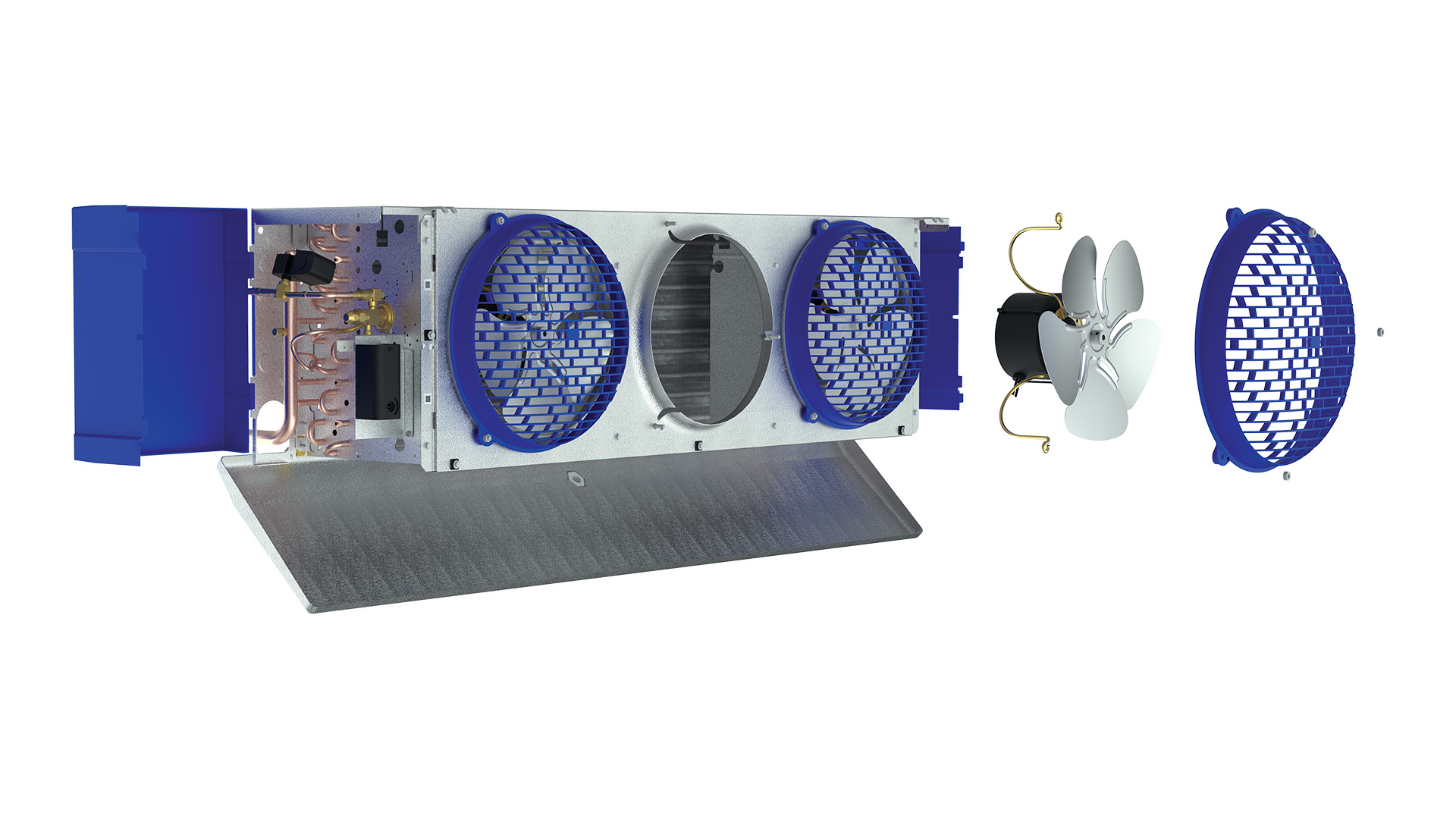
Credit: www.heatcraftrpd.com
Frequently Asked Questions
What Causes Eev To Fail?
EEV fails due to electrical faults, wiring issues, mechanical binding, debris blockage, or incorrect control signals causing improper refrigerant flow.
Are Bohn And Heatcraft The Same?
Bohn is a brand owned by Heatcraft Refrigeration Products. Heatcraft manufactures refrigeration equipment under multiple brands, including Bohn.
How To Control An Electronic Expansion Valve?
Control an electronic expansion valve by adjusting its opening based on system superheat readings. Use the controller to modulate valve position for optimal refrigerant flow. Ensure electrical connections and sensors function correctly. Regularly check for blockages or mechanical issues to maintain precise control and system efficiency.
What Is The Basic Pin For Intelligen?
The basic pin for Intelligen controls the electronic expansion valve’s opening and closing signals. It connects to the control board for precise valve modulation.
What Are Common Causes Of Heatcraft Eev Failure?
Heatcraft EEVs often fail due to dirt, oil, or debris blocking valve flow. Incorrect superheat levels can also cause improper refrigerant metering.
Conclusion
Troubleshooting a Heatcraft EEV helps keep refrigeration systems working well. Start by checking wiring and power to avoid simple errors. Look for dirt or blockages that can stop valve movement. Use proper tools to test electrical signals and valve response.
Fix issues early to prevent bigger problems later. Regular checks save time and money. Stay patient and follow steps carefully. This approach ensures your Heatcraft EEV runs smoothly and lasts longer.