Is your car’s heater blowing cold air when you expect warmth? Or maybe you notice a strange, sweet smell inside your vehicle, or even a foggy film on your windshield that won’t go away?
These are signs that your heater core might be acting up. Understanding how to troubleshoot your heater core can save you from costly repairs and keep your car comfortable during chilly drives. In this guide, you’ll learn how to spot the common symptoms of a faulty heater core, what they mean, and simple steps to diagnose and fix the problem.
Keep reading to take control of your car’s heating system and avoid getting stuck in the cold.
Key Symptoms
Recognizing heater core problems early helps avoid costly repairs. Certain symptoms clearly show when the heater core needs attention. These signs affect comfort, safety, and vehicle performance. Watch for unusual changes inside your car during heating or cooling.
Below are key symptoms that indicate heater core issues. Each symptom points to specific problems requiring troubleshooting or repair.
No Heat Or Cold Air
The heater blows cold air, even on high heat settings. This often means the heater core is clogged or leaking. Hot coolant cannot flow through the core to warm the air. Check for this symptom first when your heater stops working.
Sweet Smell Inside Cabin
A sweet, syrup-like odor inside the car means coolant is leaking. This smell comes from antifreeze vapor escaping the heater core. It often signals a crack or hole in the core or connecting hoses. This requires immediate attention to prevent damage.
Foggy Windshield
The inside of the windshield becomes foggy or greasy without reason. This happens when coolant vapor escapes and settles on the glass. The heater core leak causes this persistent fog, reducing visibility and safety. It usually appears with other symptoms.
Coolant Leaks
Look for puddles of green, pink, or orange liquid on the passenger floor. A wet or damp carpet inside the cabin often means a leaking heater core. Also watch the coolant reservoir level; a steady drop without external leaks points to internal leaks.
Engine Overheating
A clogged heater core can block coolant flow, causing the engine to overheat. The core acts as a heat exchanger, so its failure affects engine temperature. Overheating risks serious engine damage, so this symptom needs urgent diagnosis.
Gurgling Noises
Noises like gurgling or hissing behind the dashboard signal trapped air or coolant in the heater core. These sounds mean the coolant flow is uneven or blocked. Such noises often accompany leaks or clogs and should not be ignored.
Common Causes
The heater core is vital for warming your car’s interior. Problems with it often arise from common issues. Knowing these causes helps in quick diagnosis and repair.
Two main problems affect heater cores: clogging and leaking. Each impacts performance differently but both reduce heating efficiency.
Clogged Heater Core
A clogged heater core blocks hot coolant flow. Dirt, rust, and debris build up inside the core tubes. This buildup restricts coolant circulation.
When the coolant cannot pass freely, the heater cannot warm the air. You may feel cold air despite the heater being on. Clogging also causes the engine to overheat.
Regular coolant changes and system flushing prevent clogs. Ignoring these steps causes sludge buildup and poor heating.
Leaking Heater Core
A leak allows coolant to escape from the heater core. Cracks or corrosion cause the coolant to drip inside the cabin or under the car.
Leaking coolant often smells sweet and leaves wet spots on the passenger floor. This leak reduces coolant levels, risking engine overheating.
Leaks also cause foggy windows from evaporated coolant vapor. Early detection stops further damage and costly repairs.
Bleeding Air From Heater Core
Bleeding air from the heater core is a vital step in fixing heating problems in a car. Air trapped inside the heater core blocks coolant flow. This stops warm air from coming through the vents. Removing this air restores proper heating and prevents engine overheating.
Here are simple steps to bleed air from the heater core effectively.
Engine Running With Heater On High
Start the car and turn the heater to the highest temperature. Set the fan speed to high. This helps move coolant through the heater core. Keep the engine running during the bleeding process to avoid air pockets.
Parking On An Incline
Park your car on a slight incline with the front higher than the rear. This position helps air bubbles rise to the highest point in the cooling system. It makes bleeding air easier and faster.
Using Spill-free Funnel
Attach a spill-free funnel to the coolant reservoir. This tool stops coolant spills and lets air escape. Fill the funnel with coolant before starting the bleeding process. It keeps the system full and clean.
Adding Coolant Slowly
Pour coolant slowly into the funnel while the engine runs. This prevents new air from entering the system. Watch for bubbles escaping from the funnel. Keep adding coolant until no more bubbles appear.
Confirming Heat And Fan Operation
Check the heater vents for warm air. The fan should blow strongly without strange noises. If heat or airflow is weak, repeat the bleeding steps. Confirm the heater core is free of trapped air and working well.

Credit: www.youtube.com
Safety Precautions
Safety is the top priority during heater core troubleshooting. The heater core deals with hot coolant and engine heat. Taking the right precautions prevents burns and injuries. Protect yourself and your vehicle by following simple safety steps. These steps ensure a smooth and safe repair process.
Waiting For Engine To Cool
Always wait for the engine to cool before starting work. The coolant inside the heater core stays very hot after the engine stops. Opening the system too soon can cause severe burns. Wait at least one hour or until the engine is cool to the touch. This reduces the risk of scalding and pressure release injuries.
Using Protective Gear
Wear gloves to protect your hands from hot surfaces and chemicals. Safety glasses shield your eyes from splashes of coolant or debris. Long sleeves and closed shoes add extra protection. Proper gear helps avoid accidents and skin irritation. Never work on the heater core without basic protective equipment.
Preparing Correct Coolant
Use the coolant recommended by your vehicle’s manufacturer. Mixing different coolant types can cause damage or blockages. Check the coolant’s color and type before refilling. Dispose of old coolant safely to protect the environment. Proper coolant prevents corrosion and keeps the heater core functioning well.
Gathering Necessary Tools
Collect all tools before starting the repair. Common tools include screwdrivers, pliers, a drain pan, and a wrench set. Having everything ready reduces time spent searching for tools later. Use tools that fit well to avoid damage or slips. Organized work means fewer mistakes and safer troubleshooting.
Step-by-step Bleeding Process
Bleeding the heater core removes trapped air that blocks coolant flow. This step-by-step bleeding process improves heater performance and prevents overheating. Follow these simple steps carefully to ensure air leaves the system and coolant circulates correctly.
Positioning The Vehicle
Park your vehicle on a flat surface. Keep the engine off and cool before starting. This ensures safety and prevents burns during the process.
Turning Heater To Max
Turn the heater control to the maximum heat setting. Set the fan to the highest speed. This opens the heater core valves fully for coolant flow.
Opening Radiator Or Reservoir Cap
Slowly open the radiator or coolant reservoir cap. Do this carefully to avoid pressure release or splashing hot coolant. Opening the cap allows air to escape.
Adding Coolant And Removing Air
Pour fresh coolant into the radiator or reservoir. Fill it until the level is just below the cap. Watch for bubbles escaping, which shows trapped air leaving the system.
Monitoring Temperature And Fan
Start the engine and let it reach normal operating temperature. Keep the heater on max heat and fan speed. Check for steady heat from vents and no gurgling sounds, indicating successful bleeding.
Quick Fixes For Heater Core Issues
Heater core problems can disrupt your car’s warmth quickly. Some fixes work fast to restore heat and comfort. These quick fixes help clear blockages or seal leaks temporarily. You can try them before choosing costly repairs. They keep your vehicle warm during colder days.
Flushing The Heater Core
Flushing removes dirt and debris inside the heater core. Use a garden hose to push water through it. Connect the hose to the heater core inlet and outlet. Run water backward to clear clogs. Repeat until water flows freely. This method improves heat flow fast and is safe for most cars.
Using Chemical Cleaners
Chemical cleaners dissolve mineral deposits blocking the core. Add a cleaner designed for heater cores to your coolant system. Let it sit for the time stated in instructions. Then flush the system with clean water. This helps clear stubborn buildup without removing the core.
Temporary Sealants
Sealants stop small leaks inside the heater core temporarily. Pour a liquid sealant into the radiator or coolant reservoir. The sealant travels through the cooling system and plugs tiny holes. This fix lasts weeks or months. It is a good stopgap before full heater core replacement.
Replacing Damaged Hoses
Old or cracked hoses cause coolant leaks and poor heater performance. Check hoses connected to the heater core for damage. Replace any that are brittle or leaking. New hoses improve coolant flow and reduce leaks. This quick step often restores heater function fast.
When To Seek Professional Help
Knowing when to seek professional help for heater core issues can save your vehicle from serious damage. Some problems need expert tools and skills. Acting fast on warning signs keeps your car safe and warm.
Persistent Leaks
Small leaks may seem easy to ignore. But persistent leaks cause coolant loss and damage. A professional can find hidden leaks inside the dashboard. They have the right tools to fix leaks properly and prevent further problems.
Severe Overheating
Overheating can damage your engine quickly. If your car heats up despite adding coolant, the heater core might be blocked or broken. A mechanic can diagnose the exact cause. They can repair or replace parts safely to avoid engine failure.
Complex Repairs
Heater core repairs often require removing the dashboard. This is difficult and time-consuming. Professionals know how to take apart and reassemble your car’s interior. Trying complex repairs alone can cause more damage and high costs later.
System Flush And Replacement
Flushing the entire heating system clears blockages and old coolant. Replacement parts must fit perfectly to avoid leaks and clogs. Mechanics perform system flushes and install new cores with precision. This ensures your heater works well for a long time.
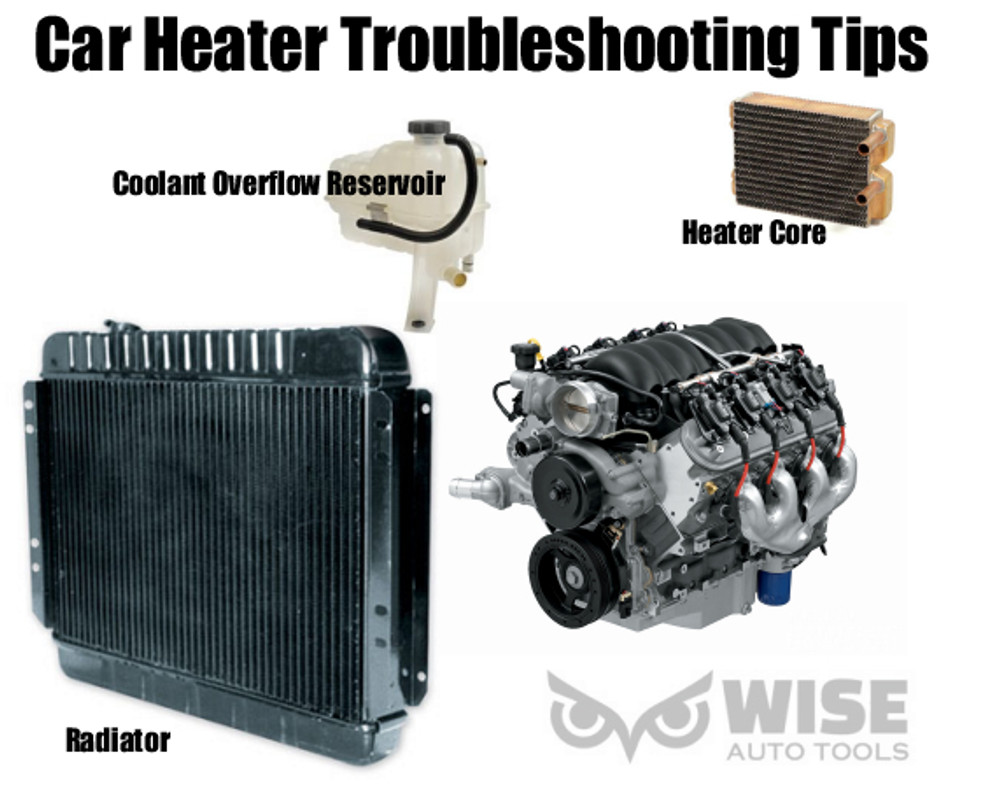
Credit: www.wiseautotools.com
Credit: www.wiseautotools.com
Frequently Asked Questions
How Can You Tell If The Heater Core Is Bad?
A bad heater core causes cold air from vents, a sweet smell inside, foggy windshield, coolant leaks, rapid coolant loss, and engine overheating.
How To Get Trapped Air Out Of Heater Core?
Run the engine with the heater on high. Park facing uphill or lift the front. Slowly add coolant using a spill-free funnel. Rev the engine to push out air bubbles. Continue until heat works and fans cycle normally, confirming trapped air is removed.
How To Unclog A Heater Core Without Removing It?
To unclog a heater core without removing it, flush it by connecting a garden hose to the inlet and outlet. Run water until clear. Use a radiator flush solution if needed. Always bleed air from the system afterward to restore proper coolant flow and heating efficiency.
How To Diag A Clogged Heater Core?
Diagnose a clogged heater core by checking for no heat from vents, sweet coolant smell, foggy windshield, coolant leaks, or engine overheating. Listen for gurgling sounds behind the dashboard. These signs indicate blockage or leakage in the heater core restricting hot coolant flow.
What Are Common Signs Of A Bad Heater Core?
Common signs include cold air from vents, sweet smell inside the car, foggy windshield, and coolant leaks. These indicate a blockage or leak in the heater core.
Conclusion
Troubleshooting your heater core can save time and money. Watch for cold air, sweet smells, or foggy windows. These signs show your heater core may need attention. Regular checks help spot clogs or leaks early. Fixing problems quickly keeps your car warm and comfortable.
Don’t ignore noises or coolant drops; they often point to issues. Simple steps like bleeding air from the system can improve heater performance. Stay alert to symptoms and act fast to avoid costly repairs. A well-maintained heater core ensures a cozy ride in cold weather.