Is your home air conditioner acting up right when you need it most? Whether it’s blowing warm air, making strange noises, or not turning on at all, these issues can quickly turn your comfort into frustration.
But before you call for expensive repairs, there are simple steps you can take to troubleshoot your AC yourself. In this guide, you’ll discover the most common problems that cause your air conditioner to misbehave and easy checks you can perform right now.
By understanding what’s going wrong and when to call a pro, you’ll save time, money, and stress—keeping your home cool and comfortable all season long. Keep reading to get your AC back in top shape today!
Common Ac Problems
Home air conditioners face several common problems that affect their performance. These issues often cause the AC to blow warm air or stop working entirely. Understanding these problems helps you identify and fix them early.
Some problems are simple, like dirty filters, while others need professional help, such as refrigerant leaks or electrical faults. Regular maintenance can prevent many issues and keep your AC running smoothly.
Ac Not Cooling
Your AC may run but not cool the air. This often happens due to dirty filters, low refrigerant, or failing parts. Check for airflow and listen for unusual noises.
Dirty Air Filters
Air filters trap dust and dirt but get clogged over time. Dirty filters reduce airflow and make the AC work harder. Replace or clean filters every 1-3 months.
Thermostat Issues
A faulty thermostat can stop your AC from turning on or cooling properly. Check the settings and replace batteries. Sometimes, the thermostat sensor may need adjustment.
Refrigerant Leaks
Refrigerant cools the air inside your home. Leaks cause low refrigerant levels, reducing cooling power. Look for ice buildup on coils or hissing sounds near pipes.
Frozen Coils
Coils freeze when airflow is blocked or refrigerant is low. This stops heat transfer and cool air production. Turn off the AC to thaw coils and clean filters to prevent this.
Clogged Drain Lines
Drain lines remove moisture from your AC. Clogs cause water to back up and leak indoors. Clear the line or use a wet/dry vacuum to remove blockages.
Tripped Circuit Breakers
Electric problems can trip breakers and cut power to the AC. Check your breaker panel and reset the switch if needed. If it trips again, call a technician.
Short Cycling
The AC turns on and off quickly during short cycling. Causes include dirty coils, low refrigerant, or electrical issues. This wastes energy and strains the system.
Bad Capacitors
Capacitors help start the compressor and fan motors. A bad capacitor stops these parts from running, causing no cooling even if the fan runs. Replace faulty capacitors promptly.
Diy Checks
DIY checks are the first step in fixing AC problems at home. These simple inspections save time and money. Anyone can do these without special tools or skills. Regular checks keep your AC running smoothly and avoid big repairs.
Thermostat Settings And Batteries
Check the thermostat is set to “Cool.” Make sure the temperature is lower than the room temperature. Replace old batteries to ensure the thermostat works properly. Dead batteries often cause AC to stop working.
Inspecting And Replacing Air Filters
Dirty filters block airflow and reduce cooling. Remove the filter and look for dust or dirt. Replace the filter if it looks clogged. Clean air filters improve AC efficiency and air quality.
Resetting Circuit Breakers
Sometimes the breaker trips and cuts power to the AC. Find your home’s breaker box and check the AC switch. Flip it off and then back on to reset. This simple step can restore power to your unit.
Clearing Outdoor Unit Debris
Leaves, dirt, and grass can block the outdoor unit. Turn off the AC before cleaning. Remove debris gently with a brush or your hands. Keep the area around the unit clear for better airflow and cooling.
When To Call A Pro
Knowing when to call a professional for your home AC troubles saves time and prevents damage. Some issues need special tools and expertise. Handling these problems on your own can be risky and may void your warranty. A pro can ensure safe and correct repairs. Below are key signs that require expert help.
Handling Refrigerant Problems
Refrigerant leaks lower cooling efficiency. Only licensed technicians can handle refrigerants safely. They detect leaks, recharge the system, and ensure no harm to the environment. DIY attempts can cause leaks or injuries. Call a pro if your AC is blowing warm air or ice forms on coils.
Electrical Repairs
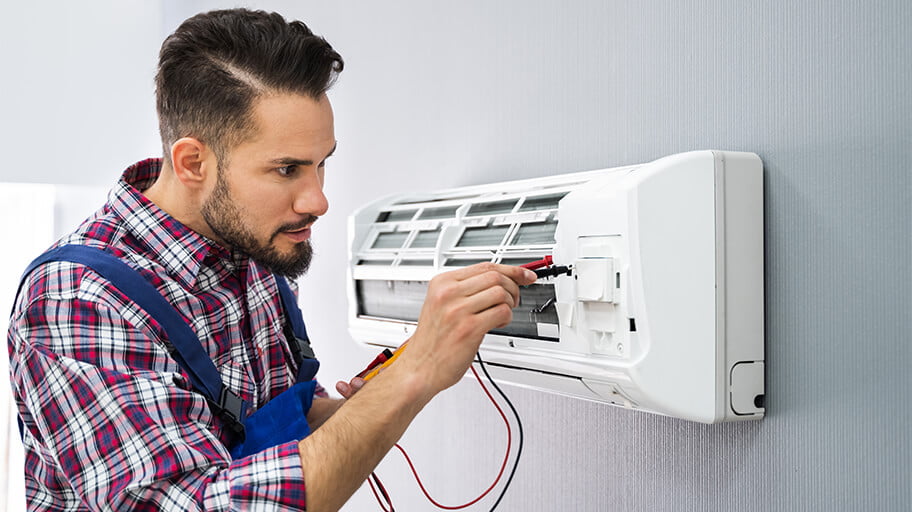
Electrical faults can stop your AC from running. Issues like tripped breakers, blown fuses, or faulty wiring need a trained technician. Working with electricity is dangerous without knowledge. Professionals diagnose and fix wiring problems to keep your system safe and reliable.
Compressor And Motor Issues
The compressor and motor are vital for your AC’s function. Strange noises, frequent cycling, or no cooling indicate possible failure. These components require precise repair or replacement. Professionals have the right tools and experience to handle these complex parts efficiently and safely.

Credit: www.callwaldrop.com
Compressor Restart Guidelines
The compressor is the heart of your home air conditioner. Proper restart guidelines keep it safe and efficient. Following the right steps helps avoid damage and costly repairs. It also ensures your system runs smoothly and cools your home effectively.
Waiting Period Benefits
After turning off your AC, wait before restarting the compressor. This pause lets pressure inside the system balance out. Restarting too soon can cause strain and damage. Waiting protects your unit and extends its life. It also prevents the system from overheating and working too hard.
Protecting The Compressor
The compressor works under high pressure and heat. Sudden starts can cause electrical or mechanical failures. Always allow a cool-down period before restarting. This reduces wear and tear on the motor. Regular care helps avoid expensive repairs and breakdowns.
Preventing Short Cycling
Short cycling happens when the compressor turns on and off rapidly. It wastes energy and stresses the system. Following restart guidelines stops short cycling. A steady, longer run time improves efficiency and comfort. Your AC lasts longer and uses less electricity this way.
System Reset
Resetting your system may fix some compressor issues. Turn off power to the unit at the breaker box. Wait about five minutes before turning it back on. This can clear minor faults and reset controls. If problems continue, contact a professional technician for help.
Restart Timing
Timing is crucial when restarting your home air conditioner. Proper restart timing helps protect the system from damage and improves its performance. Understanding when and how to restart your AC can save you from costly repairs. This section covers key restart timing scenarios to keep your AC running smoothly.
After Power Outages
Power outages can cause your AC to shut down unexpectedly. Wait at least 5 minutes before turning it back on. This pause allows internal components to reset and prevents damage from power surges. Restarting too soon may cause the system to trip again or fail.
Manual Shutdowns
If you manually switch off your AC, wait a few minutes before turning it on again. This break helps the compressor to equalize pressure. Restarting immediately can strain the compressor and shorten its lifespan. A short wait ensures a smooth and safe restart.
Thermostat Adjustments
Changing the thermostat setting too often can harm your AC. Allow 5 minutes after adjusting before changing again. This delay lets the system respond properly to temperature changes. Avoid rapid thermostat changes to maintain efficient and stable cooling.
Credit: fantasticservicesgroup.com.au
Restart Steps
Restarting your home air conditioner can resolve many minor issues quickly. It refreshes the system and clears temporary glitches. The process is simple and requires no special tools.
Follow these restart steps carefully to bring your AC back to normal operation. This method works well for units that won’t turn on or respond properly.
Turn Off The Thermostat
Start by switching off your thermostat. This stops the AC from running during the restart. Set it to the “Off” position or turn down the temperature to the lowest setting.
Power Off The Ac Unit
Locate the power switch near your outdoor unit. Turn it off to cut the electricity supply. If no switch exists, turn off the circuit breaker for your AC system.
Wait For A Few Minutes
Allow the system to rest for five to ten minutes. This pause lets the internal parts reset. Avoid rushing this step for the best results.
Turn The Power Back On
Switch the power back on at the circuit breaker or power switch. Ensure the outdoor unit receives electricity again. This step restores power to the AC system.
Switch The Thermostat On
Set your thermostat back to “Cool” mode. Adjust the temperature to your desired level. The AC should start running and cooling your home.
Check For Proper Operation
Listen for the sound of the compressor and fan. Feel if cool air flows from the vents. If the AC runs smoothly, the restart was successful.

Credit: vidscola.com
Frequently Asked Questions
What Are The Most Common Problems In An Air Conditioner?
Common air conditioner problems include dirty air filters, thermostat malfunctions, low refrigerant, frozen coils, clogged drain lines, and tripped breakers. These issues cause poor cooling, frequent cycling, or failure to start. Regular maintenance and timely repairs help keep the AC efficient and reliable.
What Is The 3 Minute Rule For Ac?
The 3-minute rule for AC means waiting three minutes before restarting the unit. This protects the compressor and allows refrigerant pressure to equalize, preventing damage and ensuring efficient operation.
What Is The $5000 Ac Rule?
The $5000 AC rule means you should avoid spending over $5000 on repairs. Instead, consider replacing your air conditioner for better value and efficiency.
How To Diagnose House Ac Problems?
Check thermostat settings and batteries. Inspect and replace dirty air filters. Reset tripped circuit breakers. Clear debris from the outdoor unit. Look for frozen coils or water leaks. For refrigerant leaks, electrical, or compressor issues, call a licensed professional.
Why Is My Home Ac Not Blowing Cold Air?
Common causes include dirty filters, low refrigerant, or frozen coils. Check and replace filters first. Call a technician for refrigerant leaks or electrical issues.
Conclusion
Home AC troubleshooting can save time and money. Start with simple checks like filters, thermostat, and breakers. Keep your unit clean and clear of debris. Some problems need professional help, especially refrigerant leaks or electrical faults. Regular care keeps your AC running well and cools your home efficiently.
Stay alert to signs of trouble to avoid bigger issues later. A well-maintained AC means comfort all year round.