Is your home alarm acting up and causing more frustration than peace of mind? You’re not alone.
Whether it’s random beeps, false alarms, or a system that just won’t arm properly, these issues can leave you feeling vulnerable and unsure of what to do next. But don’t worry—understanding the common problems behind your home alarm and knowing how to fix them can save you time, money, and stress.
In this guide, you’ll discover simple troubleshooting tips that anyone can follow to get your security system back on track quickly. Keep reading, and take control of your home’s safety today.

Credit: www.cspalarms.ca
Common Alarm Issues
Home alarm systems protect your property and loved ones. Despite their benefits, alarms can face common problems. These issues affect the system’s reliability and cause frustration. Understanding these faults helps fix them quickly and keep your home safe.
Below are frequent alarm troubles that homeowners experience. Each one can be addressed with simple troubleshooting steps.
False Alarms Causes
False alarms happen when the system triggers without real danger. Loose doors or windows often cause this. If sensors are attached to shaky frames, even small movements set off alarms.
Incorrect sensor placement also leads to false alerts. Motion detectors near heaters, fans, or pets may activate mistakenly. Electrical interference from nearby devices can disrupt the system and cause false signals.
Sensor Malfunctions
Faulty sensors reduce alarm effectiveness. Dust, dirt, or spider webs can block sensor lenses. This prevents them from detecting motion or opening properly.
Old or damaged sensors lose sensitivity over time. Wiring problems, like loose connections, also cause sensor failures. Regular cleaning and inspection keep sensors working well.
Power Problems
Power issues are a common source of alarm trouble. Battery-powered systems may fail if batteries run low or die. Hardwired systems can have loose or broken wires.
Power surges or outages disrupt alarm operation. Backup batteries must be checked regularly to ensure they work during outages. Keeping the system powered guarantees constant protection.
False Alarm Solutions
False alarms can disrupt your peace and reduce trust in your home alarm system. Many false alarms happen due to simple issues. Identifying and fixing these problems can save time and prevent unnecessary stress.
Check Loose Doors And Windows
Doors and windows that are not fully closed or are loose can trigger alarms. A slight movement can cause sensors to react. Walk around your home and firmly close all entry points. Tighten hinges and locks if needed. Ensure sensors are properly aligned on doors and windows.
Reposition Motion Sensors
Motion sensors placed in wrong spots can cause false alarms. Pets, curtains, or moving objects might trigger the sensor. Adjust the angle and position of sensors to avoid these triggers. Keep sensors away from heat sources or direct sunlight. Test the sensor after repositioning to confirm correct detection.
Inspect Wiring Connections
Loose or damaged wires often cause alarm malfunctions. Check wires for wear, cuts, or loose ends. Secure all wiring connections tightly at control panels and sensors. Replace damaged wires to ensure stable signals. A stable connection reduces false alarm chances and improves system reliability.
Power And Battery Fixes
Power and battery issues often cause home alarm systems to malfunction. These problems can make your alarm unreliable or stop it from working altogether. Fixing power and battery faults is key to keeping your home safe. This section covers simple steps to restore your alarm’s power and ensure it runs smoothly.
Replace Dead Batteries
Dead batteries are a common reason alarms fail. Check your alarm’s battery status regularly. Remove old batteries and replace them with fresh ones. Use the battery type recommended by the manufacturer. Always keep spare batteries on hand. This prevents unexpected power loss and keeps the system active.
Restore Power Supply
Power outages or loose connections can stop your alarm from working. Inspect the power cord and plug for damage. Make sure the alarm is properly connected to the power source. Reset the circuit breaker if needed. Use a multimeter to check voltage if you have one. Restoring power quickly helps avoid security gaps.
Reset The Alarm System
Sometimes, resetting the alarm clears errors caused by power glitches. Turn off the alarm system completely. Wait for a few minutes before turning it back on. This allows the system to reboot and refresh its settings. Follow your alarm’s manual for reset instructions. A reset often solves minor power or battery faults.
Sensor Troubleshooting
Sensors play a vital role in your home alarm system. They detect motion, open doors, or broken windows. If a sensor fails, your alarm may not work correctly. Troubleshooting sensors helps keep your home safe and your system reliable. Simple checks and fixes can solve most sensor problems quickly.
Clean Dirty Sensors
Sensors collect dust and dirt over time. Dirty sensors may not detect movement properly. Use a soft cloth to wipe the sensor gently. Avoid harsh chemicals that can damage the sensor. Clean sensors improve detection and reduce false alarms.
Calibrate Sensors
Calibration ensures sensors detect the right signals. Some sensors need resetting after installation or a power outage. Follow the manufacturer’s instructions to calibrate your sensors. Proper calibration helps avoid missed alerts or false triggers.
Test Sensor Functionality
Regular testing checks if sensors work as expected. Arm your system and trigger each sensor by opening doors or moving in front of motion detectors. Watch for alarms or alerts. Non-responsive sensors may need repair or replacement.
Keypad And Control Panel
Nighttime alarms can disrupt your sleep and cause frustration. False alarms often occur due to sensor issues or environmental factors. Understanding how to manage these alarms improves your home security and peace of mind.
Focus on pinpointing the exact cause of the alarm. Small adjustments can reduce false triggers significantly.
Identify Trigger Sources
Start by checking all sensors near doors and windows. Look for loose wires or misaligned parts. Environmental changes like wind or pets moving can also set off alarms. Observe when and where alarms sound most often. This helps find the main trigger points quickly.
Adjust Sensor Sensitivity
Lower sensor sensitivity if alarms activate too easily. Most systems allow simple sensitivity settings changes. Keep sensors sensitive enough to detect real threats but avoid false alarms. Test different settings at night to find the right balance. Small tweaks often stop unnecessary alerts.
Implement Pet Immunity Settings
Many alarms offer pet immunity to ignore pets under a certain weight. Activate this feature if pets trigger the alarm. Position motion sensors to avoid areas where pets roam. This cuts down false alarms caused by animals moving at night. Proper use of pet immunity keeps your system accurate and reliable.

Credit: silentguardiansecurity.com
Wireless Alarm Tips
Knowing when to call professionals for home alarm troubleshooting saves time and prevents damage. Some problems need expert skills and tools to fix. Attempting complex repairs can risk your safety and the system’s reliability. Recognizing these signs helps protect your home and ensures your alarm works properly.
Persistent False Alarms
False alarms that happen repeatedly drain your battery and annoy neighbors. They may signal sensor issues or system glitches that require expert diagnosis. Professionals can test and recalibrate sensors or replace faulty parts. This stops false alarms and keeps your system reliable.
Complete System Failures
When your entire alarm system stops working, it leaves your home unprotected. This may result from power supply problems or internal damage. Experts can quickly identify the cause and restore full functionality. Calling a professional ensures the system works as intended without guesswork.
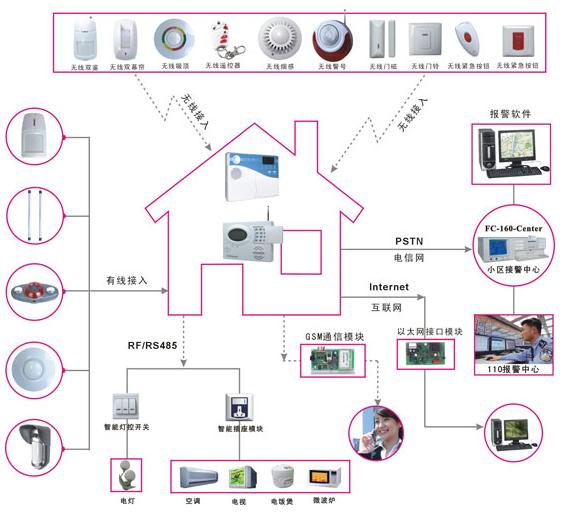
Complex Wiring Issues
Hardwired alarm systems depend on proper wiring for communication between components. Loose or damaged wires cause malfunctions and false alerts. Professionals have the tools and knowledge to find and fix wiring problems safely. Handling wiring yourself can cause more damage or electrical risks.
Credit: vedard.com
Frequently Asked Questions
Why Is My Home Alarm Going Off For No Reason?
Your home alarm may go off due to loose wires, faulty sensors, low batteries, or incorrectly placed motion detectors. Check doors and windows for proper closure. Reset or update the system to fix programming errors. Regular maintenance helps prevent false alarms.
How To Troubleshoot An Alarm System?
Check all doors and windows to ensure they are fully closed. Inspect sensors and wiring for damage or looseness. Exit programming or alarm mode on the control panel. Replace low batteries and reset the system. Test the alarm after each step to identify the issue.
How To Reset A Hardwired Alarm?
To reset a hardwired alarm, disconnect its power source, wait 30 seconds, then reconnect power. Press the reset button on the control panel if available. Check the system for errors and clear any active alarms to restore normal function.
How To Stop A House Alarm From Going Off?
Disarm the alarm using the keypad or remote control. Check and secure all doors and windows. Replace low batteries and reset the system. Inspect sensors for damage or misalignment. Consult the manual or contact your alarm provider for persistent issues.
Why Does My Home Alarm Keep Going Off Randomly?
False alarms often happen due to loose wires or sensors on doors and windows. Check and secure all connections and sensor placements. This helps reduce unwanted alarms.
Conclusion
Troubleshooting your home alarm keeps your property safe and secure. Start with simple checks like batteries and sensor positions. Fix loose wires or doors to stop false alarms. Regularly test the system to catch problems early. Stay calm and follow basic steps for quick solutions.
This helps avoid costly repairs and keeps your home protected. Remember, small actions make a big difference in alarm reliability. Keep your system working well with easy, ongoing care.