If you own a Honda Element, you know it’s a unique and versatile vehicle that stands out on the road. But like any car, it can face its share of problems that might leave you frustrated or even stranded.
You might be wondering why your door locks stick, why there’s a strange groaning noise when you turn, or what that warning light on your dashboard really means. Don’t worry—this guide to Honda Element troubleshooting is here to help you tackle those common issues head-on.
By understanding what’s going wrong and how to fix it, you can keep your Element running smoothly and avoid costly repairs. Ready to take control of your ride and get back on the road with confidence? Let’s dive in.
Engine Leaks
Engine leaks in the Honda Element can cause serious problems if not addressed quickly. Leaks lead to loss of fluids, which harms engine performance and longevity. Spotting leaks early helps avoid costly repairs and breakdowns.
Common leaks often come from worn seals or faulty components. The VTC solenoid is a frequent source of oil leaks in this model. Understanding these issues helps keep your Element running smoothly.
Vtc Solenoid Issues
The VTC solenoid controls variable valve timing in the engine. Over time, its seals can wear out and cause oil to leak. This leak often appears near the front of the engine. A leaking VTC solenoid lowers oil pressure and affects engine efficiency.
Ignoring the leak can lead to engine damage. Signs include oil spots under the car and a burning oil smell. Regular checks help spot VTC solenoid leaks early.
Oil Leak Detection
Finding an oil leak starts with inspecting the engine area for wet or shiny spots. Check under the car for puddles or drips. Use a clean cloth to wipe suspected areas and look for fresh oil.
Common leak points include the valve cover gasket, oil pan gasket, and oil filter. Dirt and grime often stick to leaking oil, making leaks easier to spot. Early detection saves money and prevents engine damage.
Repair Tips
Fix small leaks by replacing worn gaskets or seals. For VTC solenoid leaks, replace the solenoid or its gasket. Clean the engine area before repair to avoid contamination.
Use the correct torque when tightening bolts to avoid new leaks. Always use recommended oil and parts for the Honda Element. If unsure, seek help from a professional mechanic.
Differential Fluid
The differential fluid in your Honda Element plays a key role in keeping the rear differential running smoothly. It lubricates gears and bearings inside the differential, reducing friction and heat. Proper fluid levels and quality prevent wear and tear on these parts.
Ignoring differential fluid issues can lead to costly repairs. Symptoms like strange noises or rough handling often trace back to old or low differential fluid. Understanding how to maintain this fluid helps extend your vehicle’s life.
Groaning Noise Causes
A groaning sound during turns often signals worn differential fluid. Dirt and metal particles accumulate, reducing lubrication. The fluid loses its ability to protect gears, causing noise and rough movement. This groan usually grows louder over time.
Low fluid level also causes this noise. Leaks or evaporation lower the fluid below safe levels. The differential then works harder and creates noise due to poor lubrication.
Fluid Flush Procedure
Start by lifting the vehicle safely on a flat surface. Locate the differential drain plug and place a container underneath. Remove the plug and allow old fluid to drain completely.
Replace the drain plug tightly. Open the fill plug and pour in fresh differential fluid recommended by Honda. Fill until fluid starts to seep from the fill hole. Close the fill plug securely.
Dispose of old fluid properly. Check for leaks and test drive the vehicle to confirm noise has stopped.
Maintenance Frequency
Honda suggests changing differential fluid every 30,000 to 60,000 miles. Severe driving conditions may require more frequent changes. Check your owner’s manual for exact intervals.
Regular inspection of fluid condition and level helps catch problems early. Changing fluid on time keeps the differential healthy and quiet.
Suspension And Drivetrain
The suspension and drivetrain of a Honda Element play a key role in smooth rides and stable handling. Problems in these areas can reduce comfort and safety. Regular checks help spot issues early, saving time and repair costs.
Suspension troubles often affect tire wear and vehicle height. Drivetrain problems may cause vibrations or noises during driving. Understanding these common issues helps keep your Element running well on Austin roads.
Rear Suspension Sag
The rear suspension can sag due to worn springs or shocks. Sagging lowers the vehicle’s rear, affecting balance and ride quality. It also makes the tires wear unevenly. Replacing damaged springs or shocks restores proper height and comfort.
Uneven Tire Wear
Uneven tire wear often signals suspension or alignment problems. Sagging suspension puts extra pressure on tires, wearing them faster on one side. Check tire tread regularly and fix suspension issues early. Proper alignment ensures even tire life and better fuel efficiency.
Drive Shaft Carrier Bearing
A bad drive shaft carrier bearing causes vibrations, especially at highway speeds. This part supports the drive shaft and keeps it steady. Worn bearings lead to shaking and noise inside the cabin. Replacing the bearing stops vibrations and improves driving smoothness.
Highway Shaking Fixes
Shaking on highways may come from the drive shaft carrier bearing or wheel imbalance. Check tire balance and suspension parts first. Fixing worn bearings or balancing tires reduces shaking. Regular maintenance keeps your Element stable and safe at high speeds.
Brakes And Shocks
The brakes and shocks are vital for your Honda Element’s safety and comfort. Properly working brakes ensure you can stop quickly and safely. Good shocks keep the ride smooth and control vehicle handling. Issues in either system affect driving quality and safety.
Watch for signs of brake or shock problems early. Timely diagnosis helps avoid costly repairs. This section covers common symptoms and fixes related to brakes and shocks on your Honda Element.
Warped Rotor Symptoms
Warped rotors cause your Honda Element’s brake pedal to pulse. You might feel a vibration in the steering wheel or brake pedal. The vehicle may shake during braking at low or high speeds. Warped rotors reduce braking efficiency and increase stopping distance.
Brake Vibration Solutions
Brake vibrations often come from uneven rotor surfaces. Resurfacing or replacing the rotors can fix this problem. Check for worn brake pads that may cause vibration. Ensure calipers slide properly and the brake system is clean. Proper brake maintenance stops vibrations and improves safety.
Shock Failure Signs
Failed shocks cause a bouncy, uncomfortable ride. Your Honda Element may nose-dive when braking or sway in turns. You might notice uneven tire wear or fluid leaks near the shocks. Poor shock performance reduces control and increases stopping distance.
Shock Replacement Guide
To replace shocks, first lift the vehicle safely with a jack. Remove the wheels to access the shocks. Unbolt the old shocks from the suspension and frame. Install the new shocks in the same position and tighten bolts securely. Test drive your Honda Element to check improved handling and comfort.
Electrical And Sensor Issues
Electrical and sensor problems often affect the Honda Element’s performance and safety. These issues can cause warning lights to appear and affect driving comfort. Understanding common electrical faults helps in quick diagnosis and repair.
Srs Light Causes
The SRS light usually signals a problem with the airbag system. A frequent cause is faulty wiring in the seatbelt harness. Loose or damaged connections disrupt the sensor signals. This issue needs prompt attention to keep airbags operational.
Seatbelt Harness Wiring
The seatbelt harness contains wires that connect to safety sensors. Over time, these wires may wear or break. Damage causes false alarms or disables airbags. Inspecting and repairing wiring restores proper sensor function and safety.
Check Engine Light Triggers
The check engine light often appears due to sensor malfunctions. Common triggers include faulty oxygen sensors, mass airflow sensors, or spark plugs. Regular scanning of the engine system helps find exact causes. Early fixes prevent bigger engine problems.
Electrical Load Detector Problems
The Electrical Load Detector (ELD) manages power distribution in the vehicle. A failing ELD can cause erratic electrical behavior. This may include dimming lights and check engine warnings. Replacing the ELD solves these issues and stabilizes electrical flow.
Headlight Dimming Solutions
Headlights may dim due to battery or alternator faults. Wiring problems or a bad ELD also affect light brightness. Testing the battery and alternator ensures proper voltage supply. Repairing faulty wiring or replacing the ELD restores full headlight power.

Credit: www.youtube.com
Body And Interior Problems
The Honda Element offers a unique design, but some body and interior issues can arise. These problems affect comfort and daily use. Understanding common faults helps keep your Element in good shape.
Below are some frequent body and interior troubles owners face. Each issue has simple fixes you can try at home or with a mechanic.
Sticky Door Locks
Sticky door locks are a common nuisance in the Element. Dirt and grime buildup inside the lock mechanism cause this. Use a lubricant spray to free the lock. Regular cleaning prevents future stickiness and keeps locks smooth.
Windshield Cracking
The Element’s windshield may crack from road debris or temperature changes. Small chips can grow into large cracks if ignored. Repair chips quickly to avoid costly replacements. Avoid parking under direct sun for long periods to reduce cracking risk.
Rust Around Seals
Rust often appears around door and window seals. Moisture collects in these areas and causes metal corrosion. Clean seals and dry wet spots regularly. Applying rust prevention spray helps protect the metal edges and extends seal life.
Rear Tailgate Latch Adjustment
The rear tailgate latch can become loose or misaligned. This causes the tailgate to not close properly. Adjust the latch using the screws near the latch plate. Ensuring a tight fit stops rattling and secures the tailgate during drives.
Driver’s Seat Wear
The driver’s seat in the Element shows wear from frequent use. Fabric or leather can crack and fade over time. Use seat covers to protect the surface. Clean and condition leather seats regularly to keep them soft and prevent damage.
Safety And Other Concerns
The Honda Element is known for its unique design and utility, but some safety and maintenance concerns need attention. These issues can affect the vehicle’s longevity and your driving safety. Understanding common problems helps you keep your Element in good condition.
Below are some important safety and other concerns to watch for. Each can impact your vehicle’s performance and value.
Rear Subframe Rust Risks
The rear subframe on Honda Elements can develop rust over time. Rust weakens the metal, which may cause structural damage. This issue is common in areas with heavy road salt use. Ignoring it can lead to serious safety risks, like frame failure. Regular inspections and early rust treatment help prevent costly repairs.
Catalytic Converter Theft
Honda Elements are targets for catalytic converter theft. Thieves sell the precious metals inside for profit. The converter is easy to access under the car, making it vulnerable. Loss of this part causes loud noise and harmful emissions. Installing a protective shield or parking in secure areas reduces theft risk.
Parts Availability Challenges
Since the Honda Element is no longer in production, some parts are harder to find. This scarcity can delay repairs and increase costs. Common replacement parts may require ordering from specialty suppliers. Planning repairs early and working with experienced mechanics helps manage these challenges effectively.
Credit: www.motorcarsexpress.com
Resetting Maintenance Light
The maintenance light on a Honda Element signals when it needs service. Resetting this light after maintenance helps keep track of your vehicle’s health. It also ensures the light will come on again for the next service. Resetting is simple and can be done without special tools.
Follow clear steps to reset the maintenance light yourself. This saves time and avoids unnecessary trips to the mechanic. Sometimes, the reset may not work as expected. Troubleshooting these issues can help you fix the problem quickly.
Step-by-step Reset
Turn the ignition to the ON position without starting the engine.
Press the “Select/Reset” button on the dashboard until the maintenance light appears.
Hold the “Select/Reset” button for about 10 seconds. The light will start blinking.
Release the button when the light goes off. This means the reset is complete.
Turn off the ignition and then start the engine to check if the light stays off.
Troubleshooting Reset Issues
If the maintenance light does not reset, repeat the steps carefully.
Make sure you hold the “Select/Reset” button long enough for the light to blink.
Check the vehicle’s battery; a low battery may cause reset failure.
Inspect the dashboard buttons for any damage or malfunction.
Consult the owner’s manual for model-specific reset instructions.
If the light still stays on, visit a Honda service center for help.
Problematic Years
The Honda Element is a unique vehicle with a loyal fan base. Some years had more issues than others. Knowing these problematic years helps with troubleshooting and maintenance. Owners can prepare for common troubles and avoid costly repairs.
2003 Issues Overview
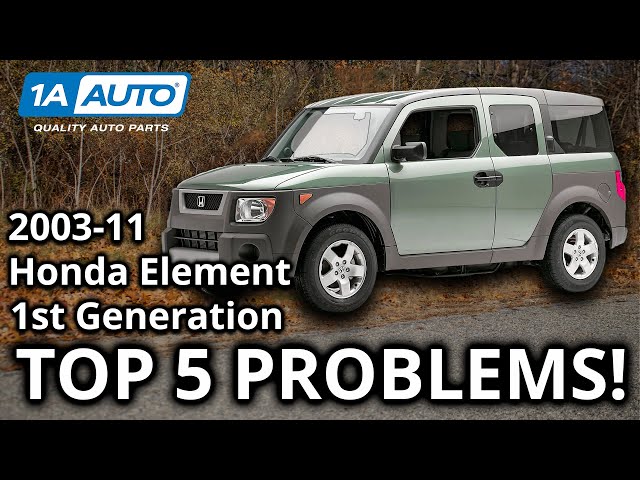
The 2003 model had several early problems. Engine oil leaks were common, especially around the VTC solenoid. Some owners reported sticky door locks. The rear differential often made groaning noises, which meant it needed a fluid change. Suspension parts wore out faster than expected.
2003-2006 Rust Problems
Rust became a serious issue in these years. The rear subframe was prone to corrosion, which is a major safety risk. Many cars showed rust under the body and around wheel wells. Regular inspections and rust-proofing treatments were needed to keep the car safe. This problem worsened in areas with harsh winters and road salt.
2007 Reliability Notes
The 2007 model improved in some ways but had new challenges. Electrical problems, like faulty sensors, caused check engine lights. Shocks and suspension parts still failed relatively early. Some owners faced trouble finding replacement parts due to the car’s age. Despite this, many 2007 Elements remained reliable with proper care.
Credit: www.youtube.com
Frequently Asked Questions
What Are The Most Common Problems With Honda Elements?
Common Honda Element problems include engine oil leaks, sticky door locks, rear differential noise, suspension sag, rear subframe rust, failing shocks, faulty sensors, and hard-to-find parts.
How To Reset Honda Element?
Turn the key to the “On” position without starting. Hold the trip/reset button until the light turns off. Release the button.
What Is The Bad Year For The Honda Element?
The 2003 Honda Element has notable engine oil leaks and transmission issues. Rust on the rear subframe is critical across several years. Regular maintenance helps avoid common problems.
Why Is My Honda Turning On But Not Starting?
Your Honda may turn on but not start due to a weak battery, faulty starter, bad fuel pump, or spark plug issues. Check these components first.
What Are Common Honda Element Engine Problems?
Common engine issues include oil leaks from the VTC solenoid and faulty A/F sensors. These can cause check engine lights and affect performance. Regular oil checks help prevent serious damage.
Conclusion
Honda Element troubleshooting helps keep your vehicle reliable. Address common issues early to avoid costly repairs. Regular checks of engine, suspension, and brakes improve safety. Fix electrical and sensor problems to prevent warning lights. Take care of door locks and interior wear for comfort.
Stay aware of rust risks to protect your vehicle’s structure. Simple maintenance keeps your Honda Element running smoothly longer. Stay proactive and enjoy your driving experience without major troubles.