Is your Hoshizaki ice maker acting up just when you need it most? Whether it’s beeping alarms, poor ice quality, or strange noises, these problems can disrupt your day and slow down your business or home routine.
But don’t worry—you don’t have to call a technician right away or waste hours guessing what’s wrong. This Hoshizaki Ice Maker Troubleshooting Guide is designed to help you quickly identify common issues and fix them with simple steps. By understanding what’s causing your ice maker to misbehave, you’ll save time, avoid costly repairs, and get your machine back to producing perfect ice.
Keep reading, and you’ll learn how to handle everything from beeping alerts to freezing up, so your ice maker works reliably whenever you need it.
Credit: www.memphisice.com
Common Issues
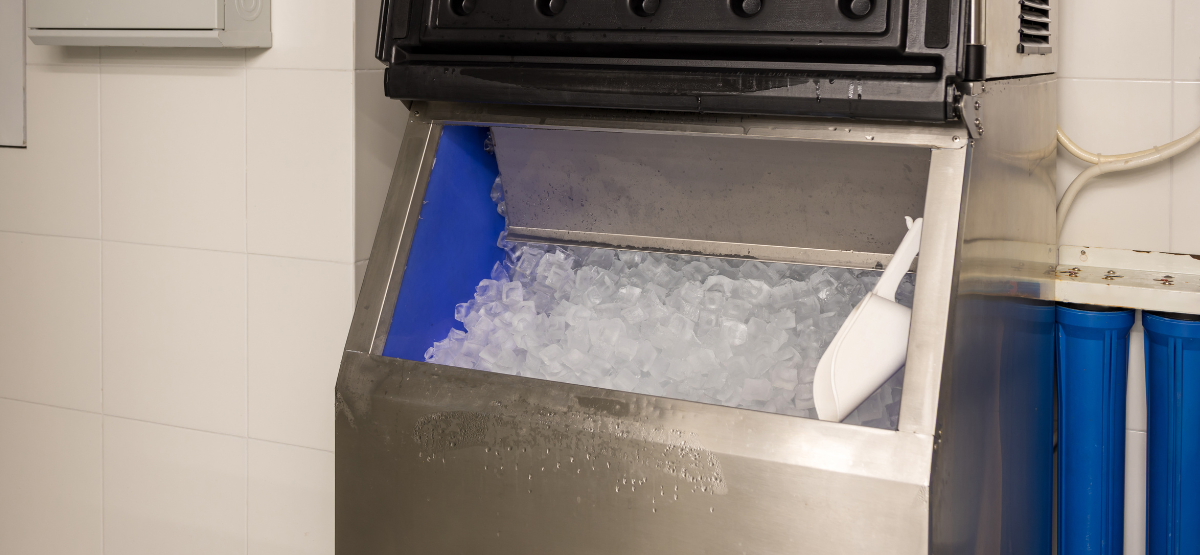
Hoshizaki ice makers are reliable but can face common issues. Knowing these problems helps keep your machine running smoothly. Troubleshooting these issues saves time and money. Understanding the signs guides quick fixes and maintenance.
Beeping alarms warn of system problems. They indicate high temperatures, sensor faults, or long cycles. Check the control panel for error codes. Clean the condenser and ensure good airflow. Reset the machine after fixing the cause to stop the alarm.
Poor ice quality or low quantity often signals water flow issues. Dirty water filters, clogged valves, or faulty sensors cause this. Scale build-up reduces ice production. Regular cleaning and replacing worn parts improve ice output. Verify water supply pressure for consistent ice size and shape.
Freezing up happens when water remains inside the machine. Scale deposits or a broken pump block water flow. Low water levels can trigger freeze-ups. Inspect float switches and water inlet valves. Remove scale and check pump operation to prevent ice jams.
Unusual noises may come from the gear motor, pump, or solenoid. Loose parts or worn bearings increase noise levels. Regular lubrication reduces friction and noise. Tighten screws and replace damaged components. Listen closely to pinpoint the noise source for effective repairs.
Beeping Alarms
Beeping alarms on a Hoshizaki ice maker signal specific issues that need attention. These alarms help prevent damage and maintain ice quality. Understanding the cause behind the beeping can save time and avoid costly repairs. Below are common reasons for beeping alarms and how to identify them.
High Temperature Alerts
High temperature alerts occur when the machine’s internal temperature rises above safe levels. This can happen due to poor ventilation or a dirty condenser coil. The ice maker will beep to warn of overheating. Check that air vents are clear and clean the condenser regularly. Fixing these issues quickly stops the alarm and protects the compressor.
Long Cycle Warnings
A long cycle warning means the ice maker is taking too long to complete a freezing cycle. This may happen because of low water flow or a dirty evaporator plate. The beeping alerts you to check water supply and clean parts. Resolving these problems improves ice production and stops the alarm.
Sensor Faults
Sensor faults trigger beeping when the machine detects errors in its temperature or water sensors. Faulty sensors send wrong signals, causing the ice maker to stop or beep. Inspect sensors for dirt or damage. Replacing broken sensors often fixes the issue. Clear sensors ensure smooth operation and silence the alarm.
Ice Quality And Quantity
Ice quality and quantity are key for any Hoshizaki ice maker. Poor ice affects drinks and customer satisfaction. Low ice output can disrupt business flow. Understanding common problems helps keep the machine working well. This section covers thin or abnormal ice, low ice production, and water flow problems.
Thin Or Abnormal Ice
Thin or abnormal ice often means water quality or temperature issues. Hard water causes mineral buildup on the evaporator plate. This buildup stops proper ice formation. Check water hardness and clean the machine regularly. Also, ensure the water temperature is within recommended limits. Too warm or too cold water can affect ice shape and clarity.
Low Ice Production
Low ice production can result from several causes. A dirty condenser reduces cooling efficiency. Make sure to clean condenser coils often. Faulty sensors may stop the cycle early, reducing ice quantity. Inspect and replace any broken sensors. Blocked water filters lower water supply, cutting ice output. Replace filters on schedule to avoid this issue.
Water Flow Problems
Water flow problems disrupt ice making. Clogged water lines or filters reduce flow rate. Flush water lines and change filters regularly. A malfunctioning water inlet valve may block water entry. Test the valve and replace if stuck. The float switch controls water level; a faulty switch stops water flow. Check the float switch for proper function and adjust as needed.
Credit: www.webstaurantstore.com
Machine Freezing Up
The Hoshizaki ice maker may freeze up during operation. This problem stops ice production. Ice builds up inside the machine, causing blockages. Understanding why your machine freezes helps fix it fast. Several reasons cause freezing issues. This guide covers the main causes and solutions.
Mineral Buildup Issues
Mineral deposits form from hard water. These minerals collect on ice maker parts. Scale buildup blocks water flow and cooling. This causes ice to stick and freeze in the wrong places. Regular cleaning with a descaling solution removes minerals. Use water filters to reduce mineral content. Clean the machine every few months to avoid buildup.
Low Water Flow Causes
Low water flow reduces ice production and causes freezing. Clogged water lines or filters lower flow rate. Check the water supply valve for full opening. Sediment in the water line can block flow. Clear any blockages or replace dirty filters. Ensure water pressure meets the manufacturer’s specifications. Proper water flow keeps the machine working smoothly.
Faulty Components
Broken parts may cause freezing problems. The water pump can fail or slow down. A defective thermostat may misread temperatures. Faulty sensors can cause the machine to freeze too long. Inspect all components for damage or wear. Replace any parts that do not work properly. Regular maintenance helps catch problems early.
Noise Problems
Noise problems in Hoshizaki ice makers can be annoying and signal deeper issues. Strange sounds often mean parts need attention or replacement. Identifying the noise source helps in fixing the machine quickly. This guide covers common causes behind noise problems.
Gear Motor Wear
The gear motor moves the ice maker’s parts. Over time, gears wear down or get damaged. Worn gears create grinding or rattling noises. Lack of lubrication can make the noise worse. Check the gear motor for signs of wear. Replace or lubricate gears to stop noise and keep the machine running smoothly.
Pump Failures
The water pump moves water through the ice maker. A failing pump may buzz or hum loudly. Noise may increase if the pump is clogged or damaged. Listen for irregular sounds during the ice cycle. Cleaning or replacing a faulty pump can restore quiet operation. Pumps need regular maintenance to avoid noise problems.
Solenoid Issues
Solenoids control water flow in the ice maker. A failing solenoid can click loudly or buzz constantly. Dirt or debris can block solenoid movement and cause noise. Test the solenoid for proper function. Cleaning or replacing the solenoid often fixes noise issues. Quiet solenoid operation is vital for smooth ice production.
Maintenance Tips
Proper maintenance keeps your Hoshizaki ice maker running smoothly. Regular care prevents breakdowns and extends machine life. Simple steps help avoid common issues like poor ice quality or machine noise. Follow these maintenance tips to ensure consistent ice production and reduce repair needs.
Cleaning Condenser And Filters
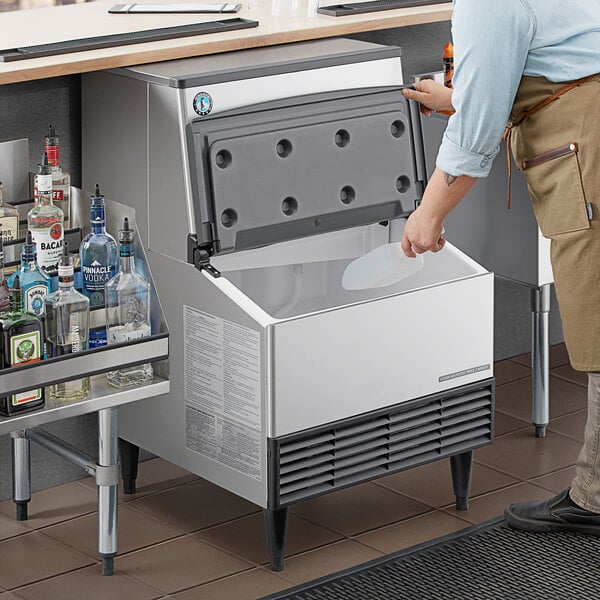
Clean the condenser coils every month to remove dust and debris. Dirty coils reduce cooling efficiency and cause the machine to overheat. Use a soft brush or vacuum cleaner for gentle cleaning. Check and replace water filters regularly to prevent clogging. Clean filters improve water flow and ice quality.
Checking Water Pressure
Ensure the water pressure is within the recommended range. Low water pressure causes slow ice production or no ice. High pressure can damage internal parts. Use a pressure gauge to measure the water supply line. Adjust pressure as needed for optimal machine performance.
Ensuring Proper Ventilation
Place the ice maker in a well-ventilated area. Good airflow prevents overheating and extends equipment life. Avoid blocking air vents or placing the machine in tight spaces. Clear any obstructions near the condenser fan. Proper ventilation helps maintain steady ice production.
Scheduling Professional Service
Arrange for a professional technician to inspect your ice maker yearly. Experts can spot hidden issues and perform deep cleaning. Professional service keeps electrical and mechanical parts in top shape. Timely repairs reduce the risk of costly breakdowns. Keep your ice maker efficient and reliable with expert care.
Quick Fixes
Quick fixes often solve common Hoshizaki ice maker problems fast. Simple steps can restore ice production without calling a technician. These fixes target usual issues like errors, water flow problems, and sensor faults. Try these easy solutions first to save time and money.
Resetting The Ice Maker
Resetting the ice maker clears error codes and restarts the system. Locate the reset button or power switch on your unit. Turn off the ice maker and wait about five minutes. Turn it back on and check if it resumes normal operation. This step can fix minor glitches and sensor errors quickly.
Clearing Clogged Water Lines
Clogged water lines reduce ice production and cause poor ice quality. Turn off the water supply and disconnect the water line carefully. Use a soft brush or compressed air to clear blockages inside the lines. Reconnect and turn on the water supply. Proper water flow restores ice production speed and quality.
Replacing Faulty Sensors
Faulty sensors cause incorrect readings and stop ice making. Identify the sensor causing the problem, usually a thermistor or float switch. Purchase a compatible replacement sensor from the manufacturer. Turn off power before removing the old sensor. Install the new sensor securely and restore power. This fix helps maintain proper ice machine function.
Credit: www.partsfe.co.uk
Frequently Asked Questions
What Are Common Hoshizaki Ice Machine Issues?
Common Hoshizaki ice machine issues include beeping alarms, poor ice quality or quantity, freezing up, and unusual noises. Causes often involve dirty condensers, clogged water lines, faulty float switches, bad thermistors, scale buildup, or pump failures. Regular cleaning and maintenance help prevent these problems.
How To Reset The Hoshizaki Ice Machine?
To reset a Hoshizaki ice machine, turn off the power for 5 minutes. Then, switch it back on to reboot the system. Check the control panel for error codes and clear them if needed. This process restores normal operation and resolves minor faults quickly.
How To Fix Hoshizaki Ice Machine Not Producing Ice And Beeping?
Check and clean the condenser coils and water filters. Inspect float switch and thermistors for faults. Ensure proper water flow and reset the machine. Replace faulty sensors or pumps to stop beeping and restore ice production.
What Is The Most Common Reason For An Ice Maker Not Working?
The most common reason an ice maker stops working is a clogged water line or filter, restricting water flow.
What Causes My Hoshizaki Ice Maker To Beep Constantly?
Beeping often signals an error like high temperature or sensor fault. Check for blocked airflow or dirty condenser coils. Resetting the machine after cleaning may stop the beeping.
Conclusion
Troubleshooting your Hoshizaki ice maker can save time and money. Regular checks keep it running smoothly. Clean filters and inspect parts often. Address beeping alarms quickly to prevent bigger issues. Clear water lines and maintain proper water flow. Fix small problems before they grow.
This guide helps you understand common faults and solutions. Your ice maker will work better with simple care. Stay attentive, and enjoy consistent ice production every day.