Is your hot tub not heating properly, or is the temperature fluctuating unexpectedly? If so, your hot tub’s temperature sensor might be the culprit.
This small but crucial device keeps your water at the perfect warmth, ensuring a relaxing soak every time. When it malfunctions, it can cause inaccurate readings, overheating, or even shut down your spa to prevent damage. But don’t worry—you don’t have to call a technician just yet.
In this guide, you’ll learn simple and effective troubleshooting steps to identify and fix common temperature sensor issues. Stick with me, and you’ll be back to enjoying your hot tub’s soothing heat in no time.
Common Sensor Issues
Hot tub temperature sensors play a crucial role in maintaining the perfect water temperature. Problems with these sensors can disrupt your spa experience. Common sensor issues often cause inaccurate readings or error messages. Knowing the typical sensor problems can help you troubleshoot effectively.
Inaccurate Temperature Readings
Sometimes the sensor shows wrong temperatures. Your hot tub may read hotter or colder than the actual water. This issue can result from dirt or buildup on the sensor. Loose wiring can also cause incorrect readings. Regular cleaning and checking connections often fix this problem.
Sensor Error Messages
Error messages on the control panel often point to sensor faults. These messages appear if the sensor is broken or disconnected. Water damage or corrosion can cause sensor failure. Replacing the sensor usually solves error alerts quickly. Check the user manual for specific error codes.
Intermittent Sensor Failures
Intermittent failures cause the sensor to work sporadically. The temperature may jump between normal and wrong values. Wiring problems or sensor damage often cause this issue. Vibrations or water movement can worsen the problem. Inspect the wiring and replace the sensor if needed.

Credit: www.hotspring.com
Locating The Sensor
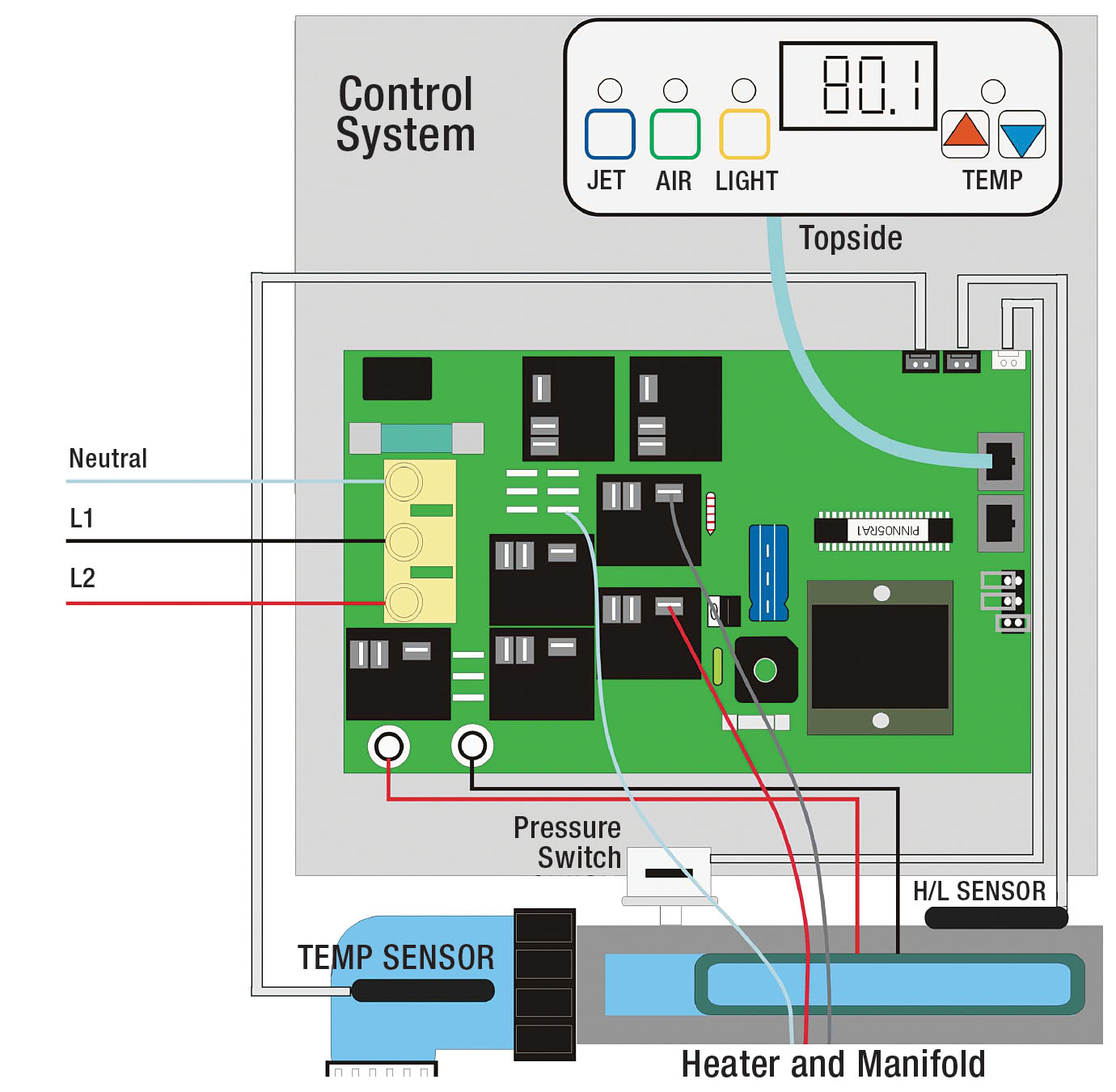
Locating the temperature sensor in your hot tub is the first step in troubleshooting. Knowing where the sensor sits helps you check for faults quickly. The sensor monitors water temperature to keep your tub safe and comfortable. Finding it is usually straightforward but varies by model. Understanding its location allows for safer and more effective repairs.
Typical Sensor Placement
The temperature sensor usually sits near the heater or filter area. It often attaches to the water line or inside the heater housing. Some models place it just inside the filter chamber. Its position helps it detect accurate water temperature. The sensor is small and may look like a thin probe or wire.
Accessing The Sensor Safely
Turn off the hot tub’s power before touching any parts. This prevents electrical shock and damage. Remove the panel or cover near the heater or filter to reach the sensor. Use a flashlight if the area is dark or cramped. Avoid pulling on wires; gently disconnect the sensor from its plug. Handle parts carefully to avoid breakage or injury.
Testing Sensor Function
Testing the function of a hot tub temperature sensor is essential for accurate water temperature control. A faulty sensor can cause the hot tub to overheat or fail to heat properly. Simple testing tools and methods help identify sensor problems quickly. Follow these steps to check if your sensor works correctly.
Using A Multimeter
Start by turning off the hot tub’s power. Locate the temperature sensor, usually near the filter housing. Set your multimeter to measure resistance (ohms). Connect the multimeter probes to the sensor terminals. Note the resistance reading shown on the meter. This value changes with temperature and helps assess sensor health.
Comparing Resistance To Temperature Charts
Find the sensor’s resistance-to-temperature chart in the hot tub manual or online. Match your multimeter reading to the chart to see the expected temperature. For example, a certain resistance value might correspond to 100°F. If your reading does not align with the chart, the sensor may be faulty. Testing in water at known temperatures improves accuracy.
Identifying Faulty Sensors
A sensor is faulty if resistance does not change with temperature. Also, if resistance values are far outside the chart range, replace the sensor. Physical damage, corrosion, or broken wires also indicate a bad sensor. Replacing a faulty sensor restores proper hot tub temperature regulation and safety.
Credit: www.poolspanews.com
Quick Fixes
Quick fixes for hot tub temperature sensor issues can save time and money. These simple steps often solve common problems without professional help. Start with easy checks before replacing parts.
Inspecting And Cleaning Connections
Dirty or loose connections cause false temperature readings. Turn off power to the hot tub first. Examine sensor wires and plugs for dirt or corrosion. Use a soft brush or cloth to clean connectors gently. Make sure no moisture is trapped inside. Dry connections improve sensor signals and prevent errors.
Re-seating Sensor Plugs
Sometimes, sensor plugs loosen from vibrations or movement. Disconnect the sensor plug carefully. Check the plug and socket for damage. Re-seat the plug firmly back into place. This ensures a tight connection for accurate temperature data. Test the hot tub after re-seating to see if the problem is fixed.
Replacing Damaged Wires
Worn or broken wires cause sensor failure. Inspect all wires connected to the sensor. Look for cracks, frays, or exposed metal. Replace any damaged wire with the same gauge and type. Secure new wires to avoid future damage. This fix restores proper signal flow and temperature accuracy.
Replacing The Sensor
Replacing a hot tub temperature sensor is a key step in fixing temperature reading problems. The sensor controls the water temperature by sending accurate data to the control system. A faulty sensor can cause wrong temperature displays or stop the heater from working. Follow these simple steps to replace the sensor safely and correctly. This guide helps you avoid damage and restore your hot tub’s performance quickly.
Removing The Old Sensor
Turn off the power to the hot tub before starting. Locate the sensor, usually near the heater or filter area. Disconnect the sensor wires carefully to avoid damage. Unscrew or unclamp the sensor from its holder. Gently pull out the old sensor without forcing it. Clean the sensor area to prepare for the new part. Keep the old sensor for reference or disposal.
Routing New Sensor Wires
Check the new sensor’s wire length and condition. Route the wires along the same path as the old sensor’s wires. Avoid sharp bends or tight spaces that can damage the wires. Secure the wires with clips or ties to prevent movement. Make sure the wires stay clear of hot surfaces. Leave enough wire length to connect easily to the control panel.
Installing The Replacement Sensor
Insert the new sensor into the holder or slot carefully. Tighten screws or clamps to hold the sensor firmly in place. Connect the new sensor wires to the control panel terminals. Match the wire colors or labels correctly to avoid errors. Turn the power back on and check the sensor reading. Test the hot tub to confirm the temperature sensor works properly.

Credit: www.youtube.com
Preventive Tips
Preventing hot tub temperature sensor problems is easier than fixing them. Simple care can extend the sensor’s life. These tips help avoid sensor failures and keep your hot tub running smoothly. Follow these steps to reduce sensor issues and enjoy relaxing hot tub sessions without interruption.
Regular Sensor Inspections
Check the temperature sensor regularly for any signs of damage. Look for cracks, corrosion, or loose connections. Test the sensor with a multimeter to ensure it works correctly. Early detection of issues prevents bigger problems later. Make inspections part of your monthly hot tub maintenance.
Protecting Sensor Wiring
Keep sensor wires away from sharp edges and heat sources. Secure wires with clips or ties to avoid movement and wear. Avoid pulling or stretching wires during cleaning or repairs. Damaged wiring can cause false readings or sensor failure. Proper wire care ensures accurate temperature control.
Maintaining Proper Water Chemistry
Balance your hot tub water regularly to prevent sensor corrosion. Test pH, alkalinity, and sanitizer levels often. Imbalanced water can damage sensor parts and reduce sensor life. Use recommended chemicals to keep water safe and sensor-friendly. Clean filters frequently to maintain water quality and sensor function.
When To Call A Professional
Knowing when to call a professional for hot tub temperature sensor issues is key. Some problems require expert help to avoid damage and ensure safety. This section highlights signs that indicate it’s time to get professional service.
Complex Electrical Issues
Temperature sensors connect to the hot tub’s electrical system. Complex wiring problems need a trained technician. Mistakes can cause shocks or fires. Professionals have tools and knowledge to fix electrical faults safely. Don’t attempt repairs beyond basic checks.
Persistent Sensor Errors
Sometimes, error codes keep appearing despite resets or sensor replacements. These persistent errors hint at deeper problems in the system. Experts can diagnose issues using advanced equipment. They find hidden faults in sensors or control boards. Continuous errors mean calling a professional is best.
Warranty And Safety Considerations
Many hot tubs come with warranties that cover sensor repairs. DIY fixes may void these warranties. Professionals follow manufacturer guidelines and keep the warranty intact. They also ensure repairs meet safety standards. Protect your investment and safety by choosing expert service.
Frequently Asked Questions
How Do I Know If My Hot Tub Sensor Is Bad?
Check water temperature with a thermometer. If readings differ from the hot tub’s display, the sensor may be faulty. Look for erratic temperature changes or error codes on the control panel. Inspect sensor wiring for damage. Replace the sensor if problems persist.
How Do I Tell If My Temperature Sensor Is Bad?
A bad temperature sensor causes inaccurate readings, engine overheating, rough idling, poor fuel economy, and cooling fan failure. Check for erratic gauge behavior and engine performance issues. Test by comparing sensor output with a reliable thermometer to confirm sensor failure.
Replace if readings don’t match.
How To Test A Temperature Sensor On A Hot Tub?
Turn off the hot tub and locate the temperature sensor near the filter housing. Use a multimeter to check resistance changes as water heats. Compare readings with the manufacturer’s specifications. Insert a thermometer in water to compare actual temperature with sensor output.
Replace the sensor if readings differ significantly.
How To Reset A Temperature Sensor?
To reset a temperature sensor, disconnect its power for 1-2 minutes. Reconnect and restart the device. This clears errors and recalibrates readings.
How Do I Test If My Hot Tub Temperature Sensor Is Faulty?
Use a thermometer to compare the water temperature with the sensor reading. Large differences indicate a faulty sensor. The sensor is usually near the filter housing.
Conclusion
A working temperature sensor keeps your hot tub safe and comfortable. Check the sensor regularly to spot issues early. Clean connections and test sensor readings often. Replace faulty sensors to avoid overheating or cooling problems. Simple troubleshooting saves money and extends your hot tub’s life.
Stay attentive and enjoy warm, relaxing water every time.