Is your hot tub not working the way it should? Maybe the jets aren’t pushing water, the heater won’t warm up, or the control panel shows confusing error codes.
You’re not alone—these common issues can turn your relaxing soak into a frustrating experience. But don’t worry, most hot tub problems have simple fixes you can tackle yourself. In this guide, you’ll discover easy troubleshooting tips to get your hot tub back in perfect shape.
Keep reading, and you’ll learn how to spot issues early and solve them quickly, so you can enjoy your spa without stress or delay.

Credit: www.hotspring.com
Power Issues
Power issues are common problems that stop your hot tub from working properly. Without power, the hot tub cannot heat, run jets, or display controls. Troubleshooting these issues can save time and avoid costly repairs. This section covers basic steps to diagnose and fix power problems.
No Power Or Blank Screen
A blank screen or no power often means no electricity reaches the hot tub. Check if the hot tub is plugged in correctly. Look for visible damage to cords or plugs. Sometimes, the control panel can fail or lose connection. Try pressing the reset button on the panel, if available. If the screen stays blank, power supply or control board may need inspection.
Breaker Reset Steps
The circuit breaker protects your hot tub from electrical overload. Find the breaker box and locate the hot tub breaker. Flip the breaker off, then back on to reset it. Some hot tubs have two breakers; reset both. If the breaker trips again, do not reset repeatedly. This could signal a deeper electrical problem. Call a professional electrician if resetting does not solve the issue.
Gfci Tripping Causes
The Ground Fault Circuit Interrupter (GFCI) stops power to prevent shocks. It may trip due to water leaks, damaged wiring, or faulty equipment. Moisture inside the control box or electrical parts causes GFCI to trip. Check for wet areas and dry them thoroughly. Inspect cables and connectors for damage. Replace any faulty parts to avoid repeated tripping. Regular GFCI testing ensures safe operation of the hot tub.
Credit: lesliespool.com
Heating Problems
Heating problems in a hot tub can ruin your relaxing time. Warm water is the heart of any hot tub experience. When the water does not heat properly, you miss out on comfort and health benefits. Troubleshooting heating issues helps restore the perfect soak quickly.
Several factors can cause heating problems. Some are simple fixes, while others need expert help. Understanding common causes saves time and money. The following sections explain key heating issues and how to spot them.
Heater Element Failures
The heater element warms the water inside the tub. If it breaks or wears out, the water stays cold. Signs include no heat or inconsistent water temperature. A failed heater element often needs replacement. Testing with a multimeter can confirm if it is faulty.
Corrosion and mineral build-up reduce the heater’s efficiency. Regular cleaning helps prevent damage. Avoid running the hot tub without water to protect the heater element.
Thermostat Malfunctions
The thermostat controls the water temperature. If it stops working, the heater may run too long or not at all. This causes water to be too hot or cold. A stuck thermostat can also cause error codes on the control panel.
Check the thermostat settings first. Resetting the system can fix minor glitches. If problems persist, the thermostat may need replacement or repair by a professional technician.
Airlock Effects On Heating
An airlock occurs when trapped air blocks water flow in the pipes. This stops heated water from circulating properly. The hot tub feels cold even if the heater works fine. You may hear gurgling or whining noises from the pump.
Jets might produce weak water streams or no water at all. Air bubbles floating on the surface are a sign of airlock. To fix this, turn off the pump and open air relief valves if available. Running the pump at a low speed can help push trapped air out.
Water Flow Troubles
Water flow troubles in hot tubs affect your relaxation and enjoyment. Proper water circulation is crucial for even heating and clean water. Problems with water flow can stem from various causes, but most are fixable with simple checks and adjustments. Understanding common water flow issues helps you maintain your hot tub efficiently.
Jets Not Working
Jets not working is a common sign of water flow issues. The pump may run, but no water comes out of the jets. Check for clogged filters or blocked pipes first. Debris can stop water from reaching the jets. Also, ensure the valves controlling water flow to the jets are fully open. If jets remain inactive, airlocks might be trapped inside the plumbing.
Weak Or Inconsistent Flow
Weak or inconsistent water flow makes your hot tub less enjoyable. This issue often occurs due to dirty or clogged filters. Clean or replace filters regularly to keep water flowing well. Low water levels can also cause weak flow. Make sure your tub has enough water to cover all jets. Another cause might be worn-out pump parts that need inspection or replacement.
Pump Noise And Airlocks
Unusual pump noises often signal airlocks or other flow issues. Airlocks occur when air gets trapped in the plumbing lines. The pump may make gurgling, sputtering, or whining sounds. Water flow becomes weak or stops completely. To remove airlocks, try loosening the pump union slightly to let air escape. Running the pump with jets open also helps push air out. Regular maintenance prevents airlocks from forming.
Water Quality Concerns
Water quality in your hot tub affects your comfort and health. Poor water quality can cause skin irritation and damage your hot tub components. Monitoring and maintaining clear, clean water keeps your hot tub safe and inviting. Understanding common water quality problems helps you fix issues quickly.
Cloudy Water Causes
Cloudy water often comes from dirt, oils, or bacteria. High levels of minerals like calcium can also cause cloudiness. Poor filtration or low sanitizer levels let particles float in the water. Using too many chemicals or old water contributes to the problem as well.
Chemical Balancing Tips
Keep pH levels between 7.2 and 7.8 for balanced water. Test sanitizer levels regularly and adjust as needed. Use chlorine or bromine to kill bacteria and prevent algae. Avoid adding too many chemicals at once to prevent imbalances. Regularly check alkalinity to stabilize pH and protect your hot tub.
Filter Cleaning Routine
Clean your filter every two weeks to remove dirt and debris. Rinse the filter with a garden hose to clear trapped particles. Soak the filter in a cleaning solution once a month for deep cleaning. Replace the filter every 12 to 24 months depending on use. A clean filter helps keep water clear and protects your hot tub’s pump.
Error Codes
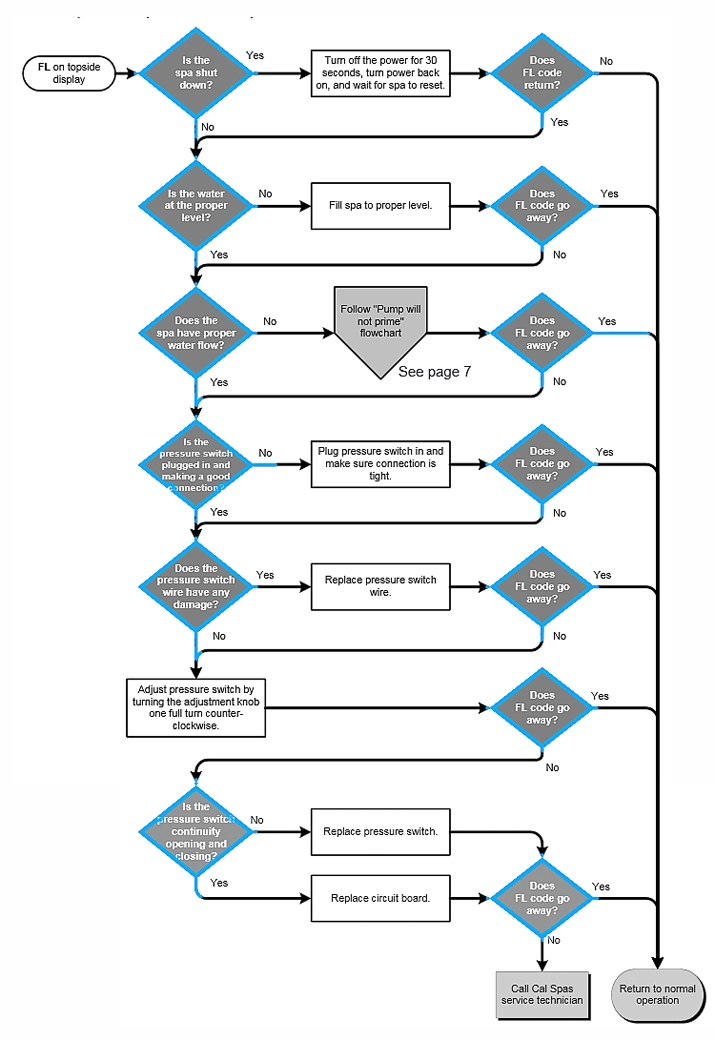
Error codes on your hot tub control panel help identify issues quickly. They show specific problems in the system. Understanding these codes saves time and helps fix the tub faster.
Error codes appear as numbers or letters. Each code points to a part or function that needs attention. Knowing their meaning guides your troubleshooting steps effectively.
Common Error Code Meanings
Most hot tubs use similar error codes. A common code is “E01,” meaning a temperature sensor fault. Another is “E02,” which shows water temperature is too high. “E03” often means a heater problem.
“E04” indicates poor water flow or a pump issue. “E05” can signal a pressure sensor fault. Learning these codes helps spot problems early before damage occurs.
How To Clear Codes
Clearing error codes is usually simple. Start by turning off the hot tub power. Wait for about 30 seconds to a minute. Turn the power back on to reset the system.
If the code returns, check the user manual for specific reset instructions. Some models have a reset button on the control panel. Clearing codes does not fix the problem but resets the display.
When To Call A Technician
Call a professional if error codes return after resetting. Persistent codes may mean a serious issue. Avoid using the hot tub until a technician checks it.
Issues with electrical parts or the heater need expert help. Attempting repairs without knowledge can cause damage or injury. A technician ensures safe and proper repairs.
Leak Detection
Detecting leaks in a hot tub is crucial to avoid bigger problems. Leaks waste water and damage the tub’s structure. Early detection saves money and effort. Knowing what to watch for helps catch leaks fast.
Signs Of Hot Tub Leaks
Water level drops faster than usual. You may see puddles around the tub. The pump may run dry or make strange noises. Low water pressure from jets is common. Damp spots under or near the hot tub appear. Unexplained damage to the flooring or ground is a warning.
Common Leak Locations
Check around the plumbing fittings and pipe connections. The pump and heater areas often leak. Inspect the jets and their seals for cracks. The hot tub shell can develop small cracks. Look at the filter housing for leaks. The cover may have tears causing water loss.
Temporary Leak Fixes
Turn off the hot tub before any repair. Use waterproof tape on small cracks or holes. Apply sealant designed for pools or hot tubs. Tighten loose fittings carefully to stop leaks. Replace damaged gaskets temporarily if needed. Keep water levels low to reduce pressure on leaks.
Cover And Accessories
The hot tub cover and accessories play a vital role in keeping your spa clean and efficient. A good cover protects the water from dirt and helps retain heat. Accessories add comfort and convenience. Proper care of these items extends their life and keeps your hot tub ready for use.
Cover Maintenance Tips
Clean the cover regularly with mild soap and water. Avoid harsh chemicals that can damage the material. Use a soft brush to remove dirt and debris. Apply a vinyl protectant every few months to keep the cover flexible and waterproof. Keep the cover dry when possible to prevent mold and mildew. Check the straps and locks to ensure a snug fit.
Fixing Cover Damage
Small tears or holes can be repaired with a vinyl patch kit. Clean the damaged area before applying the patch. Press firmly to seal the patch and let it dry completely. For larger damage, consider replacing the cover. Damaged covers reduce heat retention and allow dirt inside the hot tub.
Accessory Troubleshooting
Check accessories like pillows, steps, and lights for wear and tear. Clean pillows with mild soap and rinse well. Replace any broken parts immediately to avoid injury. Test lights regularly and replace bulbs if they flicker or do not turn on. Inspect steps for stability and tighten loose screws. Properly maintained accessories improve your spa experience and safety.
Credit: www.aquavisionpool.com
Routine Maintenance
Routine maintenance keeps your hot tub running smoothly. It prevents common problems and extends the life of your spa. Simple checks and care ensure safe and enjoyable use every time. Regular attention avoids costly repairs and maintains water quality.
Regular Inspection Checklist
Check the hot tub shell for cracks or damage. Inspect the cover for tears or wear. Look at the jets to ensure they are clear and working. Examine the pump and heater for leaks or noises. Test the control panel for error messages or unresponsive buttons.
Water Level Monitoring
Keep water at the recommended level to protect the pump. Low water can cause overheating and damage. High water may cause overflow and electrical issues. Check water level weekly and add fresh water as needed. Use a water test kit to monitor balance and cleanliness.
Preventive Care Practices
Clean the filters every two weeks to remove debris. Drain and refill the water every three to four months. Use proper chemicals to balance pH and sanitizer levels. Remove leaves and dirt from the surface daily. Cover the tub when not in use to keep it clean and warm.
Frequently Asked Questions
How Do I Reset My Hot Tub?
To reset your hot tub, turn off power at the breaker panel. Wait 30 seconds, then switch it back on. This restarts the system and clears minor errors.
What Usually Goes Wrong With A Hot Tub?
Common hot tub issues include heater failures, cloudy water, weak water flow, leaks, noisy pumps, and cover damage. Regular cleaning and chemical balancing prevent problems.
How Do You Know If Your Hot Tub Has An Airlock?
You know your hot tub has an airlock if jets don’t work, the pump makes gurgling noises, or water flow is weak. Air bubbles or error codes on the control panel also indicate trapped air blocking circulation and heating.
What Causes A Hot Tub To Stop Working?
A hot tub stops working due to heater element or thermostat failure, tripped breakers, clogged filters, or airlocks blocking water flow.
How Do I Reset My Hot Tub Safely And Quickly?
To reset your hot tub, turn off the breaker at your electrical panel. Wait a few minutes, then switch it back on to restart the system.
Conclusion
Troubleshooting your hot tub need not be confusing or hard. Simple checks often fix common problems quickly. Keep water clean and balanced for smooth operation. Watch for strange noises or weak jets as warning signs. Regular filter cleaning helps avoid many issues.
Don’t ignore error codes; they guide you to problems. Small steps save time and money on repairs. Enjoy your hot tub more with basic care and attention. Stay calm, follow these tips, and relax worry-free.