Is your home’s electricity acting up with flickering lights, tripping breakers, or outlets that just won’t work? These common electrical problems aren’t just annoying—they can be signs of serious issues that affect your safety and comfort.
But you don’t have to feel powerless when these problems arise. Understanding how to troubleshoot your house electrical system can save you time, money, and stress. In this guide, you’ll discover simple steps to identify the root causes of electrical glitches and when it’s crucial to call a professional.
Keep reading to take control of your home’s electrical health and protect your family from hidden dangers.

Credit: piperelectric.com
Flickering And Dimming Lights
Flickering and dimming lights can be more than just an annoyance in your home. They often signal underlying electrical problems that need attention. These issues might seem minor but ignoring them can lead to bigger safety hazards. Identifying the cause early helps prevent damage and keeps your home safe.
Loose Bulbs And Connections
Loose light bulbs cause flickering because of poor contact with the socket. A simple twist can fix the problem. Sometimes, the wiring inside the fixture may be loose. This can create an unstable connection and cause lights to flicker or dim. Checking and tightening these connections often solves the issue.
Too many devices on one circuit cause overload. This pulls more power than the circuit can handle. Overloaded circuits make lights flicker or dim, especially when large appliances run. Spreading devices across different circuits reduces this problem. An electrician can help balance your home’s electrical load safely.
Voltage Fluctuations
Voltage changes in your home’s electrical system cause light flickering. These fluctuations may come from utility lines or internal wiring issues. Sudden changes in voltage affect the brightness of lights. Stable voltage ensures steady light output. Professional tools can measure voltage to find the source of the problem.
Tripping Circuit Breakers
Circuit breakers protect your home’s electrical system. They stop power flow if a problem occurs. Tripping breakers can cause sudden power loss. This issue needs quick attention to keep your home safe and functional.
Understanding why a breaker trips helps fix the problem. Common causes include overloads and short circuits. Knowing how to reset breakers safely prevents injury or damage.
Overload Causes
An overload happens when too many devices use electricity on one circuit. Each breaker has a limit, usually 15 or 20 amps. Plugging in several high-power devices can exceed this limit. The breaker trips to avoid overheating wires. Reducing the number of devices or spreading them across circuits can help.
Short Circuits
A short circuit happens when a hot wire touches a neutral or ground wire. This creates a path with low resistance and high current flow. The breaker trips instantly to stop electrical fires. Causes include damaged wires, loose connections, or faulty appliances. Identifying the exact cause usually needs a professional electrician.
Resetting Breakers Safely
Always turn off all devices on the affected circuit before resetting the breaker. Locate the breaker panel and find the tripped switch. Flip it fully to the OFF position, then back to ON. If it trips again quickly, do not reset repeatedly. This signals a serious problem. Call a licensed electrician to inspect and repair the issue safely.
Dead Outlets
Dead outlets are a common electrical issue in many homes. They stop providing power, which can disrupt daily activities. Troubleshooting these outlets often reveals simple fixes. Understanding the causes helps you restore power safely and quickly.
Gfci Resets
Many dead outlets are connected to GFCI outlets. These outlets protect against electric shock. They have a reset button that trips during faults. Press the reset button firmly to restore power. Sometimes multiple outlets share one GFCI. Check all GFCI outlets in the room to find the tripped one.
Loose Or Damaged Wiring
Loose or damaged wiring inside the outlet can cause it to stop working. Wires may become disconnected or frayed over time. Turn off power before inspecting wiring. Tighten any loose connections carefully. Replace damaged wires to avoid fire risks. Faulty wiring needs careful handling to ensure safety.
When To Call A Professional
Electrical work can be dangerous without proper knowledge. Call a professional if you cannot find the problem. Also seek help if wiring looks damaged or complicated. Professionals have the tools and skills to fix issues safely. They prevent hazards like shocks and electrical fires.
Warm Or Hot Outlets And Switches
Warm or hot outlets and switches signal a serious electrical issue. These problems often mean the wiring or connections inside the outlet or switch box are faulty. Ignoring them can lead to damage or even fire. Recognizing the signs early helps protect your home and family.
Signs Of Overheating
Outlets or switches feel warm or hot to the touch. The heat might increase when using appliances or lights. You may notice a burning smell near the outlet or switch. Sometimes, outlets may appear discolored or show scorch marks. Flickering lights or buzzing sounds also point to overheating.
Fire Hazards
Overheated outlets and switches create a risk of electrical fires. Heat damages wires and insulation, increasing short circuits. Sparks or arcs can ignite nearby materials. These fires often start inside walls, making them hard to detect early. Acting fast reduces the chance of fire and injury.
Immediate Safety Steps
Stop using the outlet or switch immediately. Unplug all devices connected to the area. Turn off power at the circuit breaker for that outlet or switch. Avoid touching it until power is off. Call a licensed electrician to inspect and repair the problem safely.
Electrical Shocks And Tingling Sensations
Feeling electrical shocks or tingling sensations at home can signal serious wiring problems. These sensations often point to hidden dangers in your electrical system. Addressing them early protects your family and property from harm.
Understanding the causes behind these shocks helps in troubleshooting and fixing issues effectively. This section covers key risks and safety steps to take.
Faulty Wiring Risks
Faulty wiring can cause shocks and tingling. Worn-out insulation or loose connections let electricity escape. This creates a risk of electric shock or fire. Old wires may not handle modern electrical loads. Damaged wires need immediate repair or replacement to ensure safety.
Grounding Issues
Proper grounding prevents electrical shocks. It directs stray electricity safely into the ground. Without grounding, metal parts may become live. This causes shocks on touching switches or appliances. Check if your home has a grounding system. Faulty or missing grounding increases shock risks and must be fixed quickly.
Avoiding Further Use
Stop using outlets or devices that cause shocks. Continuing use may worsen wiring damage or cause injury. Turn off power to the affected area if possible. Call a licensed electrician to inspect and repair the problem. Do not ignore shocks, as they warn of dangerous electrical faults.
Frequently Burning Out Bulbs
Bulbs that burn out frequently can be frustrating and costly. This issue often signals an underlying electrical problem. Understanding the common causes helps protect your home’s electrical system and saves money on replacements.
Several factors can lead to bulbs burning out too fast. Some relate to the bulb itself. Others concern the wiring or electrical supply. Identifying the root cause is key to fixing the problem safely and effectively.
Incorrect Bulb Wattage
Using bulbs with the wrong wattage is a common mistake. Bulbs with higher wattage than the fixture supports generate extra heat. This heat shortens the bulb’s lifespan and may cause damage to the fixture. Always check the fixture’s label for the maximum wattage allowed. Choose bulbs that match or are lower than this limit to avoid burnout.
Wiring Problems
Loose or damaged wiring causes bulbs to fail repeatedly. Faulty wiring creates unstable connections and electrical arcs. These arcs can burn out bulbs quickly. Wiring issues also pose fire risks. Inspect wiring for signs of damage, such as fraying or discoloration. Call a licensed electrician to repair or replace any defective wiring safely.
Voltage Instability
Voltage instability means the electrical supply varies too much. High voltage spikes can blow bulbs faster than normal. Low voltage can cause bulbs to flicker and weaken. Voltage issues often arise from poor utility supply or overloaded circuits. An electrician can measure voltage and install stabilizers or surge protectors. These devices help maintain a steady voltage level and extend bulb life.
Buzzing Sounds And Burning Smells
Buzzing sounds and burning smells in your home’s electrical system signal serious issues. These signs warn of possible hazards that need prompt attention. Ignoring them can lead to electrical fires or damage to appliances. Understanding the causes helps you act quickly and safely.
Electrical buzzing often comes from loose connections or faulty wiring. Burning odors usually mean overheating components or electrical shorts. Both require immediate troubleshooting to prevent danger.
Loose Connections
Loose electrical connections create buzzing noises and sparks. When wires are not tight, electricity flows unevenly. This causes heat buildup and can melt insulation. Loose connections often happen in outlets, switches, or junction boxes. Check for flickering lights or outlets that feel warm. Tightening screws or replacing damaged parts can fix the issue. If unsure, call a licensed electrician for help.
Overheating Components
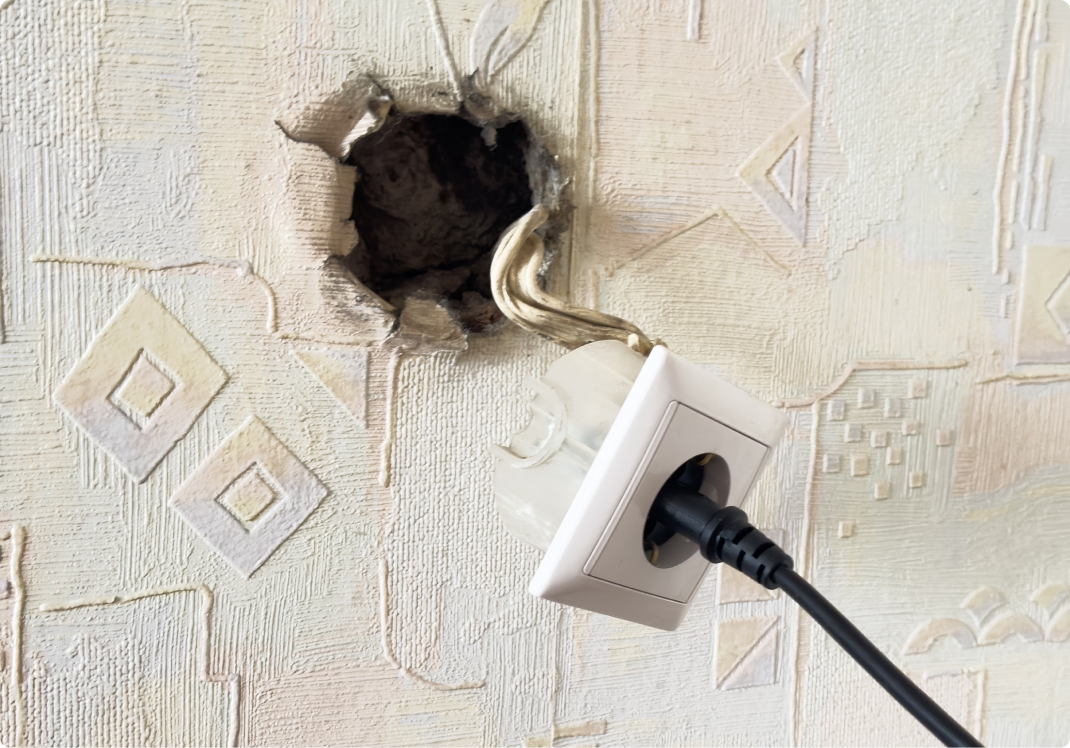
Overheating parts emit burning smells and may discolor nearby surfaces. Circuit breakers, wires, or switches can overheat from overload or damage. Excess heat risks starting fires and damaging devices. Signs include hot outlets, scorch marks, or a faint burning odor. Turn off power to affected areas immediately. Avoid using appliances connected to the problem circuit. Identifying the cause requires professional inspection and repair.
Power Shutdown Actions
When buzzing sounds or burning smells occur, shut off power at the breaker panel. This stops electrical flow and lowers fire risk. Do not reset breakers repeatedly; this may worsen the problem. Unplug appliances on the affected circuit. Avoid touching outlets or switches until inspected. Contact an electrician to diagnose and fix the issue safely. Quick power shutdown limits damage and protects your home.
Credit: www.ahs.com
High Electricity Bills
High electricity bills can surprise any homeowner. The cost might climb without clear reasons. Many factors inside your home cause this rise. Identifying the root cause helps reduce your bill. Simple fixes often make a big difference.
Inefficient Appliances
Old or broken appliances use more power than new ones. They run longer to do the same job. Examples include refrigerators, heaters, and air conditioners. Replace or repair these to save electricity. Even small devices like chargers waste energy if left plugged in.
Outdated Wiring
Homes with old wiring face energy loss. Wires can wear out or get damaged over time. This causes electricity to leak or circuits to short. Upgrading wiring improves safety and efficiency. A professional electrician can spot hidden problems fast.
Detecting Power Leaks
Power leaks happen when electricity flows where it shouldn’t. This may occur in switches, outlets, or appliances. Use a power meter to check devices for leaks. Turn off all appliances and look at your meter. If it still moves, you have a leak. Fixing leaks lowers your electric bill and prevents hazards.
Power Surges
Overloaded circuits pose a common electrical issue in many homes. They occur when more electrical devices draw power than a circuit can safely handle. This overload can cause breakers to trip or, worse, create a fire hazard. Understanding the causes and solutions helps keep your home safe and your power steady.
High-demand Appliances
Many modern appliances need a lot of power to work well. Items like air conditioners, heaters, and microwaves can put extra strain on a circuit. Plugging several high-demand devices into one outlet or circuit often causes overloads. Distributing their use or dedicating circuits to these appliances can reduce problems.
Circuit Redistribution
Redistributing circuits means balancing the electrical load across your home. This prevents a single circuit from carrying too much power. An electrician can move outlets and devices to different circuits. This simple change can stop frequent breaker trips and improve safety.
Upgrading Electrical Panels
Older homes often have electrical panels that cannot handle today’s power needs. Upgrading the panel increases the total capacity of your electrical system. A new panel supports more circuits and higher loads safely. This upgrade is a smart choice for homes with many appliances or added electrical devices.
Credit: gibsonelectrical.com
Overloaded Circuits
Electrical issues in the home can be risky. Taking safety seriously avoids accidents and injuries. Knowing when to try simple fixes and when to stop is vital. Calling a skilled electrician protects your home and family. This section covers key safety steps and signs to watch for. It also explains when professional help is needed.
Recognizing Dangerous Signs
Watch for unusual smells like burning or chemicals. Sparks or smoke from outlets or switches are red flags. Warm or hot outlets mean wiring problems. Flickering or dimming lights can signal loose connections. Buzzing sounds from electrical devices or panels show trouble. Frequent circuit breaker trips mean overload or shorts. Any shock from touching switches or outlets is very dangerous.
Basic Troubleshooting Limits
Turn off power before checking plugs or bulbs. Tighten loose bulbs and reset breakers carefully. Avoid opening electrical panels or touching wires. Do not fix wiring without knowledge. Never ignore warning signs or strange noises. Stop work if unsure or if problems persist. Safety gear like gloves and insulated tools help. Simple fixes can save money, but risks grow fast.
Professional Help Benefits
Electricians have training to handle complex electrical systems. They use tools to safely find hidden faults. Professionals prevent fires, shocks, and damage. Licensed experts follow local codes and regulations. They offer lasting solutions, not temporary fixes. Calling an electrician saves time and stress. Invest in skilled help for home safety and peace of mind.
Frequently Asked Questions
What Are Common Electrical Problems In Homes?
Common electrical problems include flickering lights, tripping breakers, dead or warm outlets, electrical shocks, frequent bulb burnouts, buzzing sounds, and power surges. These issues often stem from loose wiring, overloaded circuits, or outdated systems. Always prioritize safety and consult a professional electrician for repairs.
How To Diagnose Electrical Problems In A House?
Diagnose house electrical problems by checking for flickering lights, warm outlets, buzzing sounds, and tripping breakers. Test outlets and switches for damage or loose wiring. Use a circuit tester to identify faults. For shocks or burning smells, stop use immediately and call a licensed electrician.
What Are The 10 Common Electrical Problems And Solutions?
Common electrical problems include flickering lights, tripping breakers, dead outlets, warm outlets, shocks, frequent bulb burnout, buzzing sounds, high bills, power surges, and overloaded circuits. Solutions involve tightening connections, resetting breakers, replacing wiring, using correct bulbs, installing surge protectors, upgrading panels, and calling electricians for serious issues.
How To Find An Electrical Short In House Wiring?
Turn off power and inspect outlets, switches, and wiring for burn marks or damage. Use a multimeter to check continuity and detect shorts. Isolate circuits by unplugging devices. Call a licensed electrician if unsure or for complex issues to ensure safety and proper repairs.
What Causes Flickering Or Dimming Lights At Home?
Flickering lights often come from loose bulbs or overloaded circuits. Voltage issues or faulty wiring can also cause this problem.
Conclusion
House electrical troubleshooting helps keep your home safe and functional. Small issues like flickering lights or tripping breakers often need quick fixes. Always watch for warning signs such as warm outlets or sparks. Never ignore strange smells or buzzing sounds from your wiring.
Simple steps like checking bulbs or resetting breakers can solve minor problems. For serious issues, such as shocks or hot switches, call a licensed electrician immediately. Regular maintenance and timely repairs prevent costly damage. Stay alert and act fast to protect your home’s electrical system and your family’s safety.