Is your household air conditioner acting up right when you need it most? Whether it’s blowing warm air, making strange noises, or not turning on at all, these problems can quickly turn your home into an uncomfortable place.
But before you rush to call a technician, there are simple troubleshooting steps you can try yourself. Understanding the common issues and knowing what to check can save you time, money, and stress. In this guide, you’ll learn how to identify typical air conditioner problems and find easy fixes to get your unit back to cooling your home efficiently.
Keep reading to take control of your comfort and avoid unexpected breakdowns!
Credit: www.personamarketing.com.br
Common Ac Problems
Household air conditioners face common problems that affect cooling and comfort. Recognizing these issues helps maintain your AC and avoid costly repairs. Many problems arise from simple causes like dirty filters or thermostat errors. Some need professional attention, especially electrical faults or refrigerant leaks. Understanding these common problems keeps your home cool and energy bills low.
Ac Not Blowing Cold Air
This issue often occurs from dirty filters or low refrigerant levels. Faulty parts such as capacitors or compressors also cause warm air. The AC may run but fail to cool your home properly.
Dirty Air Filter Issues
Dirty air filters block airflow and reduce efficiency. They cause the system to work harder and may freeze the coils. Regular filter cleaning or replacement prevents many AC problems.
Thermostat Malfunctions
Thermostats with dead batteries or wrong settings stop the AC from cooling. Sensor failures can cause the unit to run too much or too little. Check and adjust your thermostat for proper operation.
Refrigerant Leaks
Leaks lower refrigerant levels, reducing cooling power. They often cause ice to form on coils and warm air to blow. Only licensed technicians should handle refrigerant repairs.
Frozen Coils
Frozen coils result from poor airflow or low refrigerant. They stop proper cooling and cause the AC to blow warm air. Cleaning filters and checking refrigerant levels help prevent freezing.
Clogged Drain Lines
Blocked drain lines stop water from draining and cause leaks. Water buildup may damage the unit or indoor areas. Clearing drain lines keeps the system safe and dry.
Tripped Circuit Breakers
Circuit breakers trip to protect the system from electrical faults. A tripped breaker stops the AC from running. Reset the breaker and check for electrical issues if it trips again.
Short Cycling
The AC turns on and off frequently during short cycling. This wastes energy and strains the system. Causes include incorrect thermostat settings, dirty filters, or electrical problems.
Bad Capacitors
Capacitors help start the compressor and fans. Bad capacitors cause the AC to fail or run poorly. Replacing capacitors usually requires a professional technician.

Credit: www.youtube.com
Diy Checks
DIY checks help you spot common air conditioner problems fast. These simple steps save time and money. You can do many tasks without special tools or skills.
Regular checks keep your AC running well and extend its life. Start with easy fixes before calling a professional. Here are key DIY checks to try.
Thermostat Settings
Check the thermostat to ensure it is set to cool. Set the temperature lower than the room’s current heat. Make sure the mode is on “cool” or “auto.” Replace batteries if the display is blank or flickering. A wrong setting can stop your AC from working properly.
Air Filter Inspection
Remove and inspect the air filter for dirt and dust. A clogged filter blocks airflow and reduces cooling. Clean or replace the filter every 1-3 months. A clean filter improves air quality and system efficiency. Never run the AC with a dirty filter.
Circuit Breaker Reset
Check your home’s electrical panel for tripped breakers. The AC breaker may switch off during power surges or overloads. Flip the breaker off and then back on to reset it. This simple step often restores power to the unit. Always use caution when working near electrical panels.
Outdoor Unit Clearance
Inspect the outdoor condenser unit for obstructions. Remove leaves, dirt, and debris from around the unit. Keep at least two feet of clear space for proper airflow. Trim plants or grass near the unit to prevent blockages. A clear unit cools more efficiently and lasts longer.
When To Get Help
Knowing when to call a professional for your air conditioner can save time and money. Some problems are simple, but others need expert care. Ignoring serious issues can cause bigger damage and higher repair costs.
Here are key signs that show it’s time to get help from a certified technician. Understanding these can keep your system running smoothly and your home comfortable.
Handling Refrigerant Problems
Refrigerant leaks lower cooling efficiency and damage the system. Signs include warm air from vents and ice on coils. Handling refrigerant requires special tools and certifications. A professional can find leaks, recharge refrigerant, and ensure safe handling. Avoid trying to fix refrigerant issues yourself to prevent health risks and system damage.
Electrical Issue Repairs
Electrical faults cause your AC to stop working or trip breakers. These problems include faulty wiring, blown fuses, and bad capacitors. Electricity is dangerous and complex. Only trained technicians should inspect and repair electrical components. Quick professional repairs prevent fire hazards and keep your unit safe.
Compressor And Motor Failures
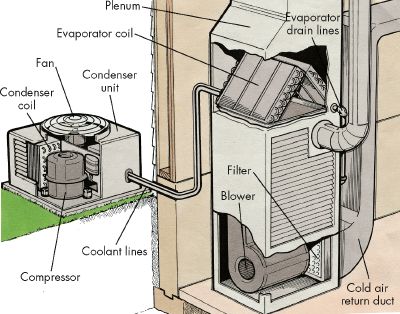
The compressor and motor are vital to your AC’s function. Signs of failure include strange noises, frequent shutdowns, or no cooling at all. Repairing or replacing these parts needs skill and experience. Professionals diagnose the exact cause and fix it properly. Delaying service can lead to total system breakdowns and costly replacements.
Compressor Restart Tips
The compressor is the heart of your household air conditioner. Restarting it properly saves time and prevents damage. Knowing the right steps helps maintain system health and efficiency. Follow these simple compressor restart tips to keep your AC running smoothly.
Pressure Equalization Importance
Pressure equalization balances refrigerant pressure inside the compressor. It prevents sudden pressure changes that can harm the unit. Before restarting, allow the pressure to stabilize. This reduces stress on compressor parts and avoids leaks. Always wait a few minutes after shutdown before powering on again.
Compressor Protection Methods
Protect the compressor from electrical and mechanical damage. Use a hard start kit if the unit struggles to start. Check the capacitor regularly; a weak capacitor can cause startup failure. Ensure proper voltage supply to prevent electrical stress. Installing a time delay relay can also protect the compressor from frequent power surges.
Preventing Short Cycling
Short cycling happens when the compressor turns on and off too quickly. It wastes energy and wears out the system. Adjust the thermostat settings to avoid rapid on/off cycles. Keep air filters clean for better airflow. Maintain proper refrigerant levels to support stable operation. These actions help extend compressor life and improve cooling performance.
Credit: home.howstuffworks.com
Frequently Asked Questions
What Are The Most Common Air Conditioner Problems?
Common air conditioner problems include dirty filters, thermostat issues, low refrigerant, frozen coils, clogged drains, and tripped breakers. These cause poor cooling, constant running, or no power. Regular maintenance helps, but refrigerant leaks or electrical faults need professional repair.
What Is The 3 Minute Rule For Ac?
The 3-minute rule for AC means waiting at least three minutes before restarting the unit to protect the compressor from damage.
How To Hard Reset An Air Conditioner?
To hard reset an air conditioner, turn off the unit and unplug it from the power source. Wait 5 minutes, then plug it back in and turn it on. This clears minor errors and resets the system for normal operation.
How To Figure Out What’s Wrong With Ac?
Check the thermostat settings and replace dead batteries. Inspect and clean or replace dirty air filters. Reset any tripped circuit breakers. Clear debris around the condenser unit. For refrigerant leaks, electrical issues, or mechanical failures, contact a licensed HVAC professional.
Why Is My Air Conditioner Not Blowing Cold Air?
A dirty air filter or low refrigerant often causes warm air. Check filters and refrigerant levels to fix cooling issues.
Conclusion
Troubleshooting your household air conditioner can save time and money. Regular checks keep your AC running smoothly and cool. Start with simple tasks like cleaning filters and checking settings. Pay attention to unusual sounds or smells. Some problems need professional help, especially electrical or refrigerant issues.
Acting early prevents bigger damage and costly repairs. Stay comfortable at home by maintaining your air conditioner well. Keep these tips handy for quick fixes and better cooling.