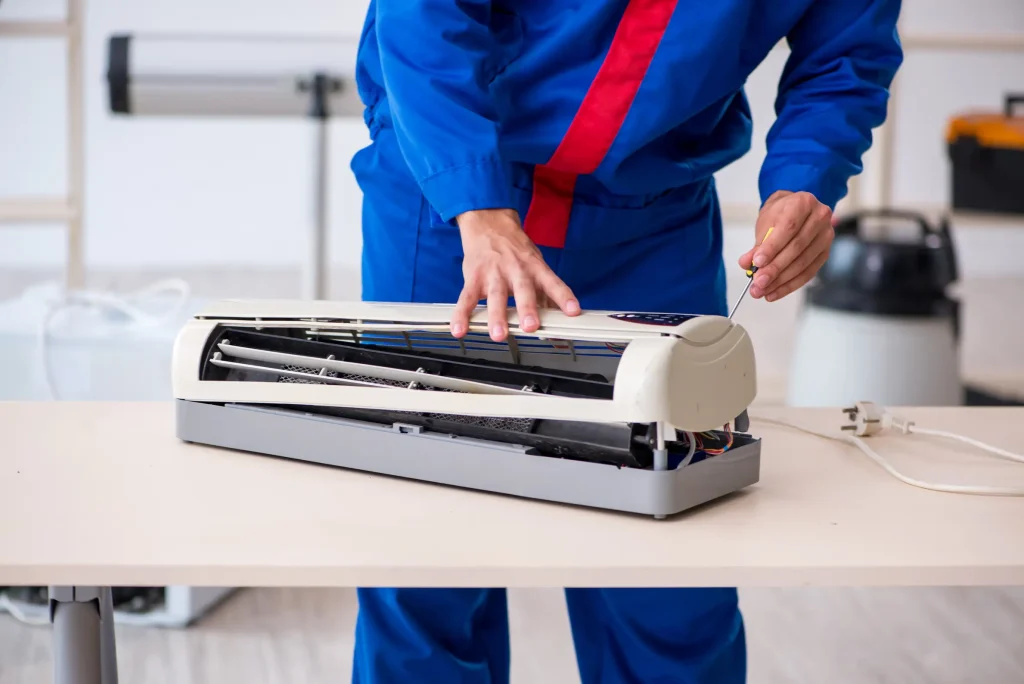
Is your HVAC fan acting up, leaving you uncomfortable or worried about costly repairs? The culprit might be your fan relay—a small but vital component that controls when your fan turns on and off.
If it’s faulty, you’ll notice problems like the fan not starting, running nonstop, or making strange noises. But don’t worry—you don’t have to be an expert to figure this out. In this guide, you’ll learn simple, step-by-step HVAC fan relay troubleshooting tips that anyone can follow.
By the end, you’ll know how to spot relay issues, test the relay safely, and decide when it’s time to repair or replace it. Keep reading to take control of your HVAC system and avoid unexpected breakdowns.
Credit: airdoctortulsa.com
Symptoms Of A Bad Fan Relay
The fan relay controls the HVAC fan’s power. A bad relay causes noticeable issues. Recognizing these symptoms helps prevent bigger problems and costly repairs.
Fan Won’t Start
The fan may not start at all. This happens because the relay fails to send power. No fan means no air circulation in your system. The house can get too hot or cold fast.
Fan Runs Continuously
The fan keeps running even when it should stop. A stuck relay can cause this. Continuous running wastes energy and wears out the fan motor. It can also cause noisy operation.
Delayed Fan Operation
The fan turns on late after the system starts. The relay may be slow or faulty. Delay reduces comfort and system efficiency. You might feel warm or cold air after a wait.
Unusual Noises
Clicking, buzzing, or humming sounds come from the fan area. These noises often mean the relay is struggling to work. Strange sounds can signal electrical issues that need attention.
Weak Airflow
The airflow from vents is weaker than normal. A bad relay may not power the fan fully. Weak airflow lowers the system’s ability to heat or cool your home. Dust or debris can also cause this, but check the relay first.
Causes Of Fan Relay Failure
The fan relay is a small but vital part of your HVAC system. It controls the fan motor that circulates air inside your home. When the fan relay fails, the fan may stop working or run improperly. Understanding the causes of fan relay failure helps in quick troubleshooting and repair. This section explains common reasons why fan relays stop working.
Electrical Contact Wear
The fan relay uses electrical contacts to switch the fan on and off. These contacts open and close many times during operation. Over time, the contacts wear out or get pitted. This wear prevents a proper electrical connection. As a result, the fan may fail to start or run weakly.
Internal Relay Damage
Inside the relay, small mechanical parts move to control the circuit. These parts can break or become stuck. Internal damage stops the relay from switching correctly. This damage can cause the fan to run nonstop or not start at all.
Overheating Issues
Overheating is a common cause of relay failure. High electrical current or poor ventilation can raise the relay’s temperature. Excess heat damages the relay’s components and weakens its function. Prolonged overheating can burn the relay, causing complete failure.
Corroded Connections
Connections on the relay can corrode over time, especially in humid environments. Corrosion creates resistance and blocks electrical flow. This problem causes intermittent fan operation or no power to the fan. Cleaning or replacing corroded terminals often restores proper function.
Tools For Relay Testing
Testing an HVAC fan relay requires specific tools to identify faults accurately. Proper tools help you check electrical signals and ensure the relay functions well. Using the right method saves time and prevents unnecessary replacements.
Multimeter Use
A multimeter is essential for relay testing. It measures voltage, current, and resistance. Set the multimeter to the correct mode before testing. Check the coil resistance to ensure it is within the specified range. Measure voltage at the relay terminals while the system runs. Proper readings confirm the relay is working.
Continuity Testing
Continuity testing checks if electrical paths are complete. Use the multimeter’s continuity mode for this test. Place the probes on relay terminals according to the wiring diagram. A beep or low resistance value means continuity exists. No beep or infinite resistance suggests a broken circuit. This test helps find internal relay faults.
Relay Swapping Method
Swapping the relay with a similar, known good one is a quick test. Remove the suspect relay carefully from the socket. Insert the replacement relay in the same position. Turn on the HVAC system and observe fan operation. If the fan works, the original relay is faulty. This method is simple and effective for troubleshooting.

Credit: airdoctortulsa.com
Step-by-step Relay Testing
Testing your HVAC fan relay is crucial to ensure your system runs smoothly. A faulty relay can cause the fan to stop or run continuously. Follow these simple steps to test the relay and identify any issues.
Checking Continuity Between Terminals
Use a multimeter set to continuity mode. Place the probes on the relay terminals. A continuous beep means the circuit is complete. No beep indicates a break inside the relay. Test terminals 1 and 3, then 4 and 6. Lack of continuity suggests a bad relay.
Listening For Clicks
Turn on the HVAC system and listen near the relay. A clicking sound means the relay is switching on and off. No click could mean the relay coil is not energized. Repeated clicking may indicate a relay stuck in a cycle. This test helps detect relay operation issues.
Measuring Relay Temperature
After running the system for a while, touch the relay carefully. A warm relay is normal as it works. If it is very hot, it may be failing. A cold relay that should be warm might not be working. Temperature gives clues about relay health.
Voltage Testing At Terminals
Set your multimeter to measure voltage. Check the voltage at the relay coil terminals. It should match the system voltage, usually 24 volts for HVAC. Also test the output terminals when the relay is activated. No voltage output means the relay contacts may be faulty.
Quick Relay Fixes
Quick relay fixes can save time and restore your HVAC fan’s function fast. These simple steps help identify and solve common relay issues. You can do most fixes with basic tools and little experience. Follow these easy methods to keep your HVAC fan running smoothly.
Cleaning Contacts
Dirty contacts can stop the relay from working well. Turn off power before starting. Remove the relay carefully. Use a small brush or cloth to clean the metal contacts. Remove dust, dirt, or corrosion. Clean contacts improve electrical flow and relay function. After cleaning, reinstall the relay and test the fan.
Tightening Connections
Loose connections cause poor contact and relay failure. Check all wire terminals connected to the relay. Use a screwdriver or pliers to tighten loose screws or clamps. Secure connections stop power loss and signal issues. Make sure the wires are not damaged or frayed. Tight connections help the relay work without interruption.
Replacing Faulty Relay
If cleaning and tightening do not fix the problem, the relay might be faulty. Purchase a new relay matching your HVAC model. Turn off all power before replacing. Remove the old relay gently and insert the new one. Make sure it fits securely in place. Restore power and test the fan operation. A new relay often restores proper fan control instantly.

Credit: www.youtube.com
Preventive Maintenance Tips
Preventive maintenance is key to keeping your HVAC fan relay in good shape. Simple steps help avoid costly repairs and system failures. Regular care ensures smooth operation and extends the relay’s life. Taking time for upkeep reduces unexpected breakdowns and improves system reliability.
Regular Inspection
Check the fan relay and its connections often. Look for signs of wear, corrosion, or loose wires. A quick visual check can spot issues before they cause problems. Test the relay’s function regularly to confirm it works correctly. Early detection saves time and money.
Avoiding Moisture Exposure
Keep the fan relay dry at all times. Moisture can cause rust and electrical shorts. Make sure the relay is in a protected area away from leaks or humidity. Use covers or enclosures if needed. Dry conditions help the relay last longer and work better.
Using Quality Replacement Parts
Choose reliable parts when replacing the fan relay or related components. Low-quality parts wear out faster and may cause failures. OEM or trusted brands offer better performance and durability. Proper parts ensure the HVAC system runs safely and efficiently.
Frequently Asked Questions
How Do I Know If My Hvac Fan Relay Is Bad?
A bad HVAC fan relay causes the blower fan to not start or run continuously. Listen for clicking noises, weak airflow, or inconsistent fan operation. Test continuity with a multimeter or swap with a known good relay to confirm failure.
What Happens When A Fan Relay Fails?
A fan relay failure stops the fan from operating correctly. This causes overheating, inconsistent airflow, or continuous running, damaging the system.
How To Check An Hvac Relay?
To check an HVAC relay, use a multimeter to test continuity between terminals 1-3 and 4-6. No continuity means the relay is bad.
What Are The Symptoms Of A Bad Relay?
Symptoms of a bad relay include no-start conditions, intermittent power, rapid clicking noises, devices not working, and fans or lights failing.
How Do I Know If My Hvac Fan Relay Is Bad?
A bad HVAC fan relay causes the blower fan to stop working or run constantly. You may hear clicking sounds or notice weak airflow from vents. These signs mean the relay might need replacement.
Conclusion
Troubleshooting your HVAC fan relay helps keep your system running well. Watch for signs like no fan movement or strange noises. Testing the relay’s continuity can pinpoint the problem quickly. Fixing or replacing a faulty relay saves energy and prevents bigger issues.
Regular checks make sure your HVAC fan works efficiently all year. Stay alert to changes in your fan’s behavior for smooth home comfort.