Is your HVAC system acting up when you need it the most? Whether your home feels too hot in the summer or too cold in the winter, knowing how to troubleshoot common HVAC problems can save you time, money, and stress.
You don’t have to be an expert to catch simple issues like dirty air filters or thermostat glitches that might be causing your system to underperform. In this guide, you’ll discover easy, practical steps to identify and fix typical HVAC troubles quickly.
Keep reading—your comfort depends on it.
Credit: www.reddit.com
Common Hvac Issues
Common HVAC issues can disrupt comfort in any home or office. Recognizing these problems early helps maintain system efficiency and avoid costly repairs. Many HVAC troubles arise from simple causes, often linked to poor maintenance or wear over time.
Understanding these issues allows better troubleshooting and quicker fixes. Below are some frequent HVAC problems and what causes them.
Dirty Air Filters
Dirty air filters block airflow and strain the system. This reduces efficiency and causes uneven heating or cooling. Regular filter changes keep air clean and system running smoothly.
Refrigerant Leaks
Leaking refrigerant lowers cooling power and can freeze coils. It forces the compressor to work harder, risking damage. Detecting leaks early prevents bigger problems.
Clogged Condensate Drains
Clogged drains cause water leaks and humidity issues. Debris buildup blocks water flow, damaging components and walls. Cleaning drains regularly avoids water damage.
Dirty Coils
Dirty evaporator and condenser coils reduce heat transfer. This lowers system efficiency and increases energy use. Cleaning coils helps maintain proper cooling and heating.
Electrical Failures
Bad capacitors, contactors, or circuit boards stop the HVAC from running. Electrical faults are common and can prevent startup or cause shutdowns. Inspect wiring and parts to ensure proper function.
Blower Motor Problems
A failing blower motor can’t circulate air well. This leads to uneven temperatures and poor airflow. Regular checks and lubrication improve blower motor life.
Thermostat Malfunctions
Thermostats may show blank screens or fail to read temperature correctly. Issues like dead batteries or sensor faults cause wrong signals. Calibrating or replacing thermostats solves control problems.
Unusual Noises
Rattling sounds mean loose parts or debris inside. Whining or squealing often comes from worn moving parts. Addressing noises early prevents bigger mechanical failures.
Basic Troubleshooting Steps
Basic troubleshooting steps help identify common HVAC issues quickly. These simple checks save time and money. Most problems arise from easy-to-fix causes. Follow these steps before calling a professional.
Check Thermostat Settings
Ensure the thermostat is set to the correct mode. For cooling, it should be on “cool.” For heating, set it to “heat.” Check the temperature setting and adjust it if needed. Replace batteries if the display is blank or unresponsive.
Inspect Circuit Breakers
Locate the HVAC circuit breaker in your electrical panel. Make sure it is in the “on” position. If tripped, switch it off and then back on. A tripped breaker might indicate an overload or short circuit in the system.
Examine Air Filters
Dirty air filters block airflow and reduce efficiency. Remove the filter and check for dust and debris. Replace or clean the filter regularly, at least every 1-3 months. Clean filters improve air quality and system performance.
Clear Blocked Vents
Check all air vents inside your home. Remove furniture, rugs, or objects blocking airflow. Blocked vents cause uneven temperatures and strain the system. Keep vents open and clean for proper air circulation.
Advanced Diagnostic Tips
Advanced HVAC troubleshooting involves precise tests and careful checks. These tips help identify hidden problems quickly. Proper diagnosis saves time and reduces repair costs. Use these techniques to maintain system efficiency and comfort.
Testing Capacitors And Contactors
Capacitors store electrical energy for the motor. A weak capacitor causes slow or no start. Use a multimeter set to capacitance to test it. Replace any capacitor showing low or no reading.
Contactors control power flow to the compressor and fan. Listen for a clicking sound when the system starts. A stuck or burned contactor prevents operation. Check for pitted contacts and replace if necessary.
Detecting Refrigerant Leaks
Leaks reduce cooling performance and damage the compressor. Look for oily stains around connections and coils. Use a refrigerant leak detector or soapy water to find bubbles. Repair leaks and recharge refrigerant to correct pressure levels.
Assessing Blower Motor Function
The blower motor moves air through the system. A failing motor causes weak airflow or noise. Check for burnt smell or unusual sounds. Measure voltage and current to ensure proper operation. Clean or replace the motor as needed.
Calibrating Thermostats
A miscalibrated thermostat causes incorrect temperature readings. Use a reliable thermometer to compare room temperature. Adjust the thermostat settings to match the actual temperature. Replace batteries regularly and reset the device if needed.
Quick Fixes For Common Problems
Many HVAC problems have simple solutions you can try right away. Quick fixes help save time and money. They often restore your system’s function without a service call. Basic maintenance and small repairs keep your HVAC running smoothly.
Below are easy steps to fix common HVAC issues. These tips improve airflow, prevent leaks, and avoid electrical troubles. Follow each step carefully for best results.
Replacing Air Filters
Dirty air filters block airflow and reduce system efficiency. Replace filters every 1 to 3 months to keep air clean. Choose the correct size and type for your system. Simply slide out the old filter and insert the new one. This fix improves air quality and prevents damage.
Unclogging Drains
Condensate drains can clog with dirt and algae. A clogged drain causes water leaks and humidity problems. Use a wet/dry vacuum or a stiff wire to clear the drain line. Pour a small amount of bleach or vinegar to kill buildup. Regular cleaning prevents water damage.
Tightening Loose Parts
Loose parts cause rattling noises and reduce efficiency. Check screws, bolts, and panels on your HVAC unit. Use a screwdriver or wrench to tighten any loose connections. Tight parts stop vibrations and protect components from wear.
Resetting Breakers
Power issues often cause HVAC shutdowns. Locate your home’s electrical panel and find the breaker for the HVAC system. Flip the breaker off and then back on to reset it. This step restores power and may fix minor electrical faults. Do not ignore repeated trips; call a professional if needed.
Preventive Maintenance
Preventive maintenance plays a key role in keeping HVAC systems running smoothly. It helps avoid costly repairs and extends the life of your equipment. Simple regular care improves system efficiency and indoor air quality. It also reduces energy bills and keeps your home comfortable all year.
Routine Cleaning
Cleaning HVAC parts regularly stops dust and dirt buildup. Clean filters allow better airflow and reduce strain on the system. Wipe down coils and remove debris around the unit. This prevents blockages and helps the system cool or heat efficiently. A clean system uses less energy and lasts longer.
Annual Professional Tune-ups
Schedule yearly checkups with an HVAC technician. Professionals inspect and adjust components for peak performance. They check refrigerant levels, electrical connections, and safety controls. Tune-ups detect small problems before they turn into big repairs. This service ensures your system runs safely and reliably.
Vent Inspection
Inspect air vents and registers regularly. Make sure they are clear of furniture, rugs, or dust. Blocked vents reduce airflow and cause uneven temperatures. Clean vents improve air circulation and system efficiency. Proper vent care helps maintain balanced heating and cooling in every room.
Monitoring System Performance
Keep an eye on your HVAC system’s performance. Notice unusual noises, smells, or temperature changes. Early detection of issues allows quick fixes. Use a thermostat to track temperature settings and energy use. Consistent monitoring helps catch problems before they disrupt comfort.
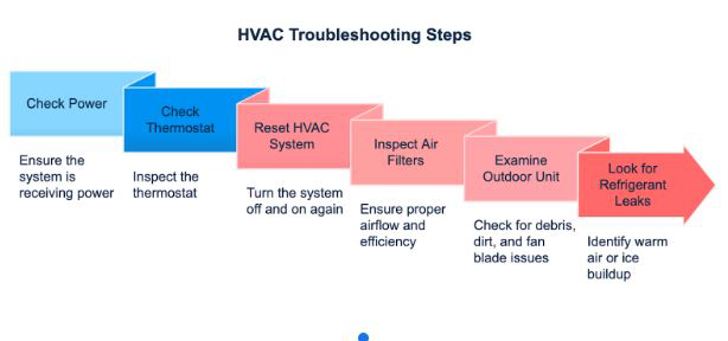
Credit: www.ars.com
When To Call A Technician
Knowing when to call a technician saves time and prevents damage. Some HVAC issues look simple but hide bigger problems. Calling a professional ensures the system gets the right care. It also keeps your home safe and comfortable.
Complex Electrical Issues
Electrical problems can cause your HVAC to stop working suddenly. Flickering lights or tripped breakers signal wiring troubles. A technician has tools to check circuits safely. Avoid handling electrical parts alone to prevent shocks or fires.
Severe Refrigerant Problems
Low refrigerant levels reduce cooling and cause ice buildup. Leaks release harmful chemicals and lower efficiency. Only a certified technician can find and fix leaks. They recharge refrigerant correctly to keep the system running well.
Persistent Performance Drops
Small drops in heating or cooling may mean deeper issues. Dirty filters or blocked vents cause some problems but not all. If your system often struggles, call a pro for a full check. They identify hidden faults and restore proper function.
Safety Concerns
Strange smells, gas odors, or sparks require immediate attention. These signs may point to fire or carbon monoxide risks. Turn off the system and call a technician right away. Safety comes first with any HVAC problem.

Credit: www.achrnews.com
Frequently Asked Questions
What Is The $5000 Rule?
The $5000 rule advises investing up to $5000 in repairs before replacing an HVAC system. It helps balance cost and efficiency.
How Do I Troubleshoot My Hvac System?
Check the thermostat settings and power supply first. Clean or replace air filters. Inspect for refrigerant leaks and clear condensate drains. Listen for unusual noises. Schedule professional maintenance annually for optimal performance.
What Is The 3 Minute Rule For Ac?
The 3 minute rule for AC means waiting three minutes before restarting the unit after turning it off. This prevents compressor damage.
What Are The 3 R’s Of Hvac?
The 3 R’s of HVAC are Replace, Repair, and Maintain. These ensure system efficiency, longevity, and optimal performance.
What Are The Most Common Hvac Problems To Watch For?
Dirty air filters and refrigerant leaks cause poor heating and cooling. Electrical failures and clogged drains also disrupt system performance.
Conclusion
Regular HVAC care helps avoid common problems and costly repairs. Check filters and drains often for blockages. Watch for unusual noises or weak airflow. Address small issues before they grow bigger. Scheduling yearly professional maintenance keeps systems running smoothly. Understanding basic troubleshooting saves time and frustration.
Stay proactive to enjoy comfortable air year-round. Simple steps protect your home’s heating and cooling. HVAC troubles don’t have to disrupt your comfort. Keep your system healthy with easy, regular checks.